Boils And Abscesses: 5 Prevention Tactics For Safer Skin
Comprehensive guide to understanding, managing, and preventing painful skin infections like boils and abscesses.
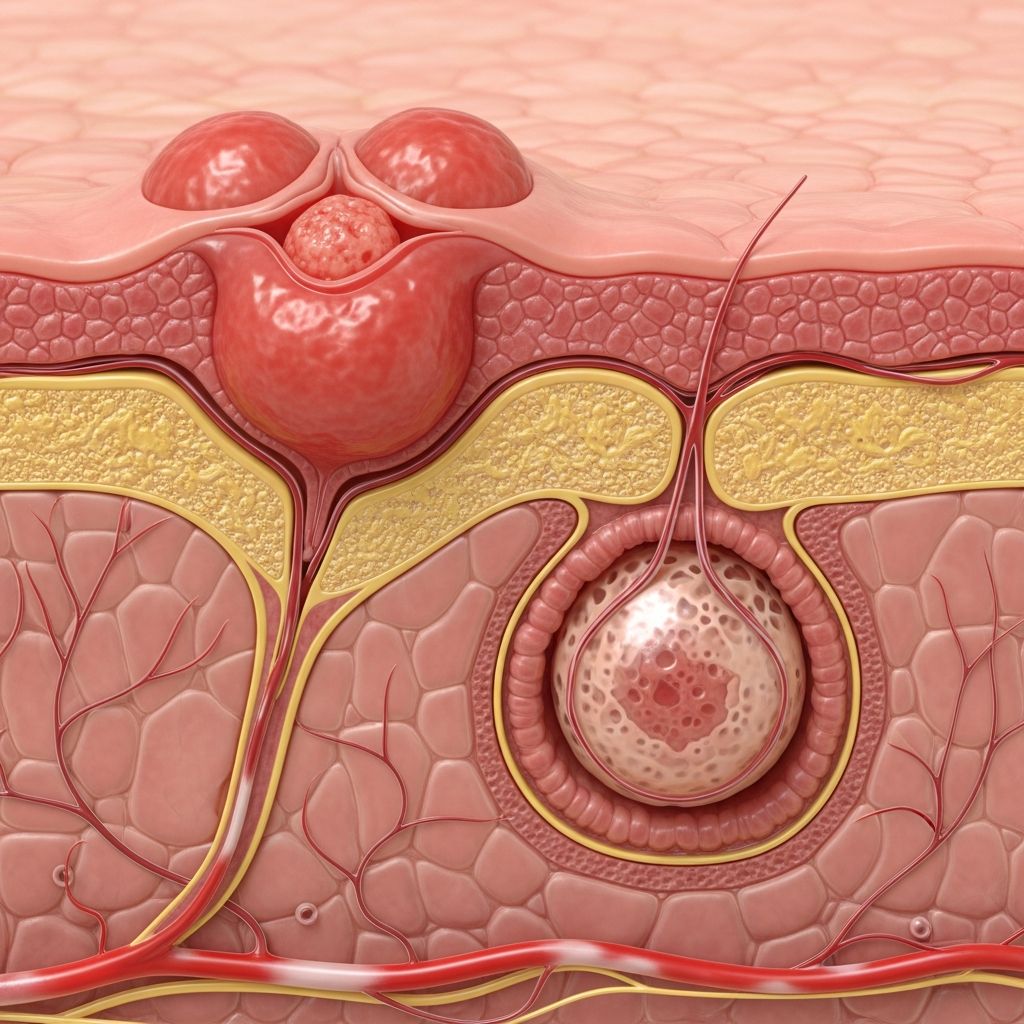
Boils and abscesses represent common skin conditions stemming from bacterial infections that create painful, pus-filled lumps. These infections often arise when bacteria enter through minor skin breaks, triggering the body’s immune response to form protective pockets of pus.Boils typically target hair follicles, while abscesses can develop deeper in tissues. Recognizing early signs enables effective management, reducing discomfort and complication risks.
Defining Boils and Abscesses
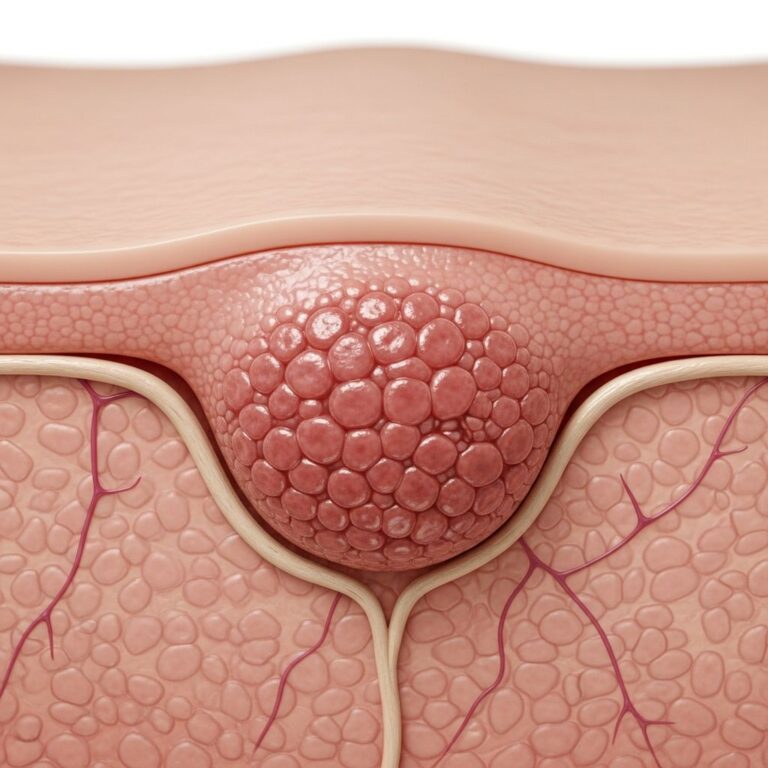
A boil, also known as a furuncle, begins as a tender red bump around a hair follicle infected by bacteria, expanding into a pus-filled swelling that may reach several centimeters. Carbuncles occur when multiple boils interconnect, forming larger, more severe clusters. Abscesses differ by forming in varied body locations, including skin depths or organs, as collections of pus from white blood cells combating infection. Both conditions share pus composition—dead cells, bacteria, and fluid—but boils remain superficial.
Key Symptoms to Watch For
Symptoms evolve rapidly, starting with localized pain and progressing if untreated. Common indicators include:
- Red, swollen, warm lumps, often pea-sized initially.
- Tenderness increasing as pus accumulates, forming a yellow-white head.
- Surrounding skin inflammation, sometimes with streaking redness.
- Fever, chills, or fatigue in severe cases, especially carbuncles.
- Lymph node swelling near the site.
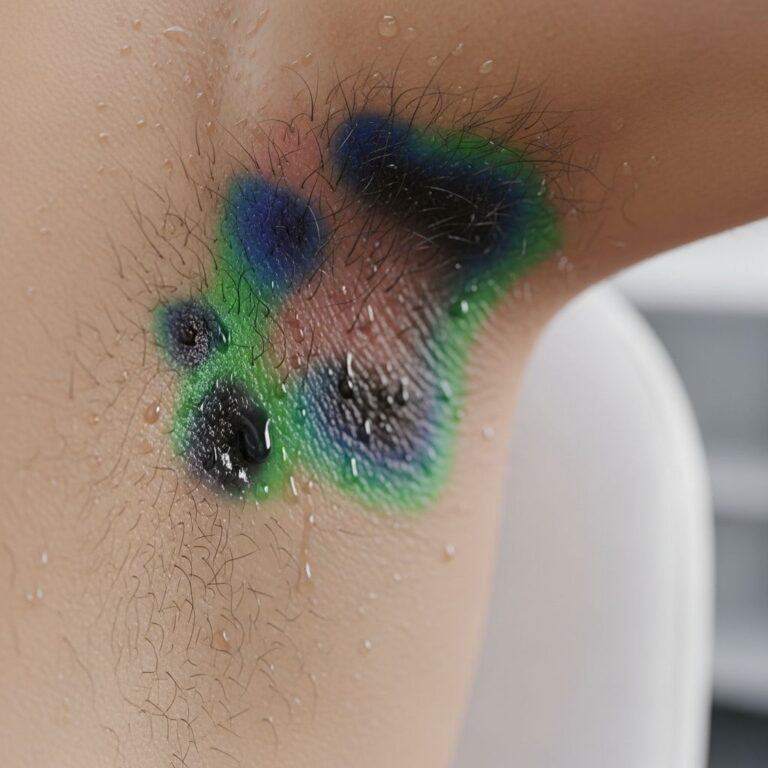
Boils commonly appear on the face, neck, armpits, thighs, or buttocks due to friction and moisture. Abscesses in sensitive areas like gums or buttocks signal specific types, such as periodontal or pilonidal.
Root Causes and Risk Factors
Staphylococcus aureus bacteria, residing on skin or in noses, primarily cause these infections by invading via cuts, ingrown hairs, or blocked glands. Other triggers encompass:
| Factor | Description | Examples |
|---|---|---|
| Skin Breaks | Entry points for bacteria | Cuts, insect bites, abrasions |
| Blocked Glands | Trapped secretions foster growth | Ingrown hairs, cystic acne, hidradenitis suppurativa |
| Immune Compromise | Higher susceptibility | Diabetes, HIV, chemotherapy |
| Hygiene Issues | Promotes bacterial proliferation | Poor cleaning, shared razors |
Clusters like carbuncles indicate aggressive strains, potentially MRSA in recurrent cases. Children and teens face higher cystic acne risks.
Progression and Potential Complications
Untreated, a boil hardens, softens over days, then ruptures, draining pus and easing pain—typically resolving in 1-2 weeks. However, incomplete drainage risks scarring, recurrence, or spread. Complications involve cellulitis (skin-wide infection), bloodstream entry (sepsis), or deeper abscesses. Carbuncles heighten fever and scarring likelihood. Recurrent infections warrant MRSA screening.
Home Management Strategies
Most resolve without intervention via conservative care:
- Warm Compresses: Apply 10-15 minutes, 3-4 times daily to promote drainage.
- Hygiene: Gently wash with antibacterial soap; cover loosely.
- Pain Relief: Use ibuprofen or acetaminophen; avoid squeezing.
- No Popping: Prevents bacterial spread.
Monitor for worsening: size increase beyond 5cm, multiple sites, or systemic symptoms.
Professional Medical Interventions
Seek care for facial boils, children, diabetics, or non-draining lesions after 2 weeks. Treatments include:
- Incision and drainage for large abscesses.
- Antibiotics (oral/topical) for MRSA suspicion or spread.
- Cultures to identify bacteria.
- Follow-up packing to prevent re-accumulation.
Hospitalization applies for sepsis.
Prevention Tactics for Skin Health
Related Stories



Minimize risks through daily habits:
- Maintain meticulous hygiene, especially post-sweat.
- Avoid sharing personal items like towels.
- Treat cuts promptly with antiseptics.
- Manage conditions like diabetes.
- Shave carefully to prevent ingrown hairs.
Immune-boosting nutrition and stress reduction aid resistance.
Special Cases: Types and Locations
Beyond standard boils:
- Carbuncles: Interconnected clusters, deeper infection.
- Cystic Acne: Clogged pores in teens.
- Pilonidal Cysts: Buttock folds from sitting.
- Hidradenitis Suppurativa: Recurrent groin/armpit abscesses.
- Periodontal Abscesses: Gum boils from disease.
Tailored approaches address these.
Frequently Asked Questions (FAQs)
What distinguishes a boil from an abscess?
Boils infect hair follicles superficially; abscesses form broader pus pockets, possibly deeper.
Can I pop a boil myself?
No—risks worsening infection. Use compresses and consult professionals.
When should I see a doctor?
If feverish, on face, diabetic, or persistent beyond 2 weeks.
Are boils contagious?
Drainage fluid spreads bacteria; maintain hygiene to prevent.
Do boils scar?
Possible, especially carbuncles; proper care minimizes.
Long-Term Management for Recurrent Cases
Frequent boils signal underlying issues like nasal staph carriage—decolonization via mupirocin may help. Lifestyle adjustments, including diet and immune support, reduce frequency. Regular dermatologist check-ups benefit high-risk individuals.
References
- Abscess-Boil: Symptoms and Treatment — Wilmington Skin Surgery Center. 2023. https://www.wilmingtonskinsurgerycenter.com/conditions/abscess-boil
- Signs of infected boils — Vinmec. 2024-01-15. https://www.vinmec.com/eng/blog/signs-of-an-infected-pimple-en
- Skin Abscesses — Nemours KidsHealth. 2023. https://kidshealth.org/en/parents/abscess.html
- Boils and carbuncles – Symptoms & causes — Mayo Clinic. 2025-02-10. https://www.mayoclinic.org/diseases-conditions/boils-and-carbuncles/symptoms-causes/syc-20353770
- Boils: Treatments, Causes, and Symptoms — WebMD. 2024. https://www.webmd.com/skin-problems-and-treatments/boils
- Boils & Carbuncles: Symptoms, Treatment & Prevention — Cleveland Clinic. 2025-01-20. https://my.clevelandclinic.org/health/diseases/15153-boils-and-carbuncles
- Abscess: Types, Symptoms, Causes & Treatment — Cleveland Clinic. 2024-11-05. https://my.clevelandclinic.org/health/diseases/22876-abscess
Similar Articles








Read full bio of medha deb