Bone Biopsy: Purpose, Procedure, Risks, and Recovery
Learn about bone biopsy: why it's performed, what to expect, and how to recover safely.
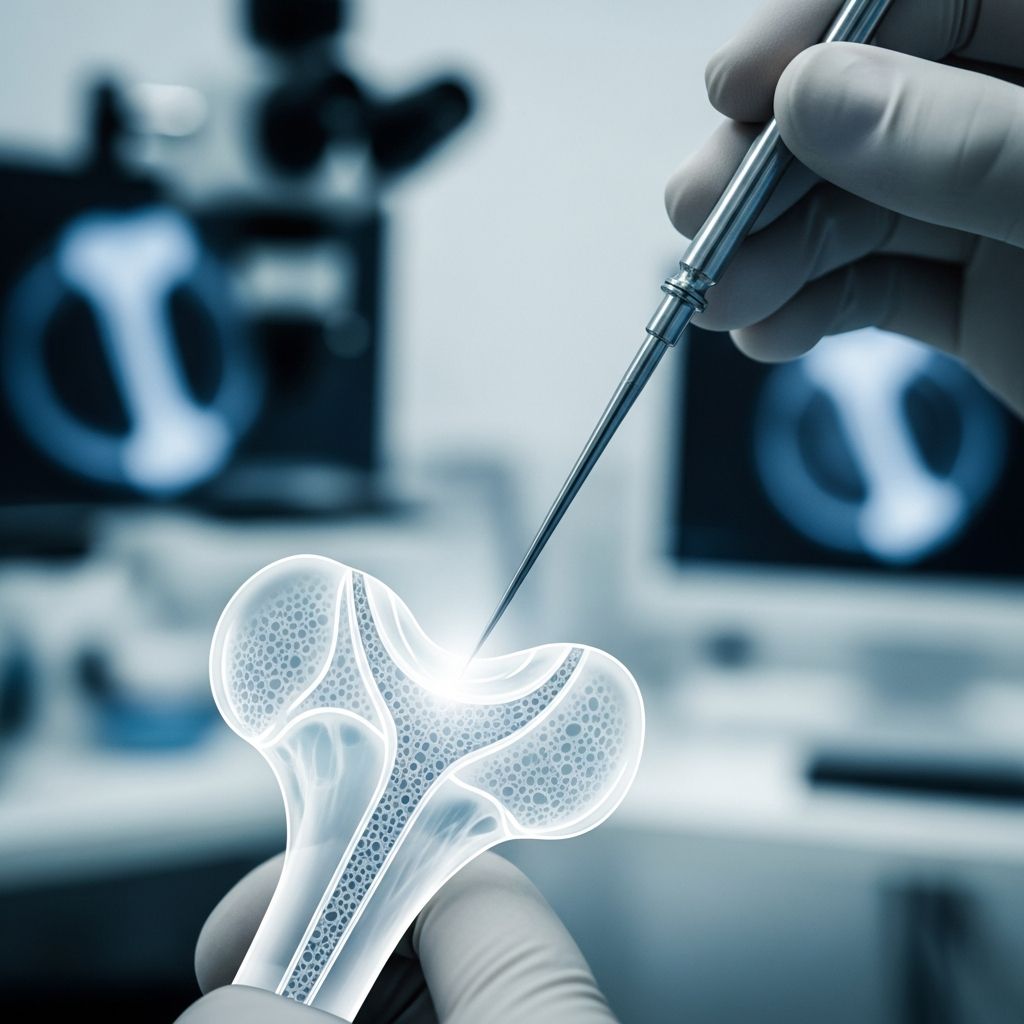
What Is a Bone Biopsy?
A bone biopsy is a medical procedure that involves removing a small sample of bone tissue to examine for signs of disease, infection, or cancer. Unlike a bone marrow biopsy, which collects cells from inside the bone, a bone biopsy takes tissue from the outer part of the bone. This test is crucial for diagnosing various bone conditions and guiding treatment decisions.
Purpose of a Bone Biopsy
The main reasons for performing a bone biopsy include:
- Diagnosing bone cancer or tumors
- Determining the cause of unexplained bone pain or swelling
- Identifying infections in the bone (osteomyelitis)
- Checking for metabolic bone diseases
- Assessing the effectiveness of ongoing treatment
By analyzing the bone sample, doctors can confirm or rule out serious conditions and tailor treatment plans accordingly.
Types of Bone Biopsy
There are two primary types of bone biopsy:
Needle Biopsy
A needle biopsy is the most common type. It uses a special needle to extract a small sample of bone tissue. There are two subtypes:
- Fine Needle Biopsy: Uses a very thin needle to remove a small sample of cells or tissue.
- Core Needle Biopsy: Uses a larger needle to obtain a bigger piece of bone.
This method is less invasive and usually performed under local anesthesia.
Open Biopsy
An open biopsy is performed when a larger sample is needed or when the needle biopsy is not possible. The procedure involves making a small incision in the skin to access the bone and remove a piece of tissue. General anesthesia is typically used for this type.
How to Prepare for a Bone Biopsy
Preparation for a bone biopsy involves several steps to ensure safety and accuracy:
- Discuss your medical history and medications with your doctor.
- Inform your doctor if you are pregnant, have allergies, or take blood thinners.
- You may need to stop taking certain medications, especially blood thinners, a few days before the procedure.
- Blood tests may be ordered to check your overall health.
- Do not eat or drink for 8 hours before the biopsy if instructed.
- Sign a consent form to authorize the procedure.
What Happens During a Bone Biopsy?
The bone biopsy is usually performed in a hospital or outpatient setting. Here’s what to expect:
- You will wear a hospital gown and remove any metal objects.
- Medication may be given to help you relax or sleep.
- Your vital signs will be monitored throughout the procedure.
- Imaging techniques like CT or MRI may be used to guide the needle to the correct location.
Needle Biopsy Procedure
- The skin over the bone is numbed with local anesthesia.
- A small cut is made, and the needle is inserted into the bone.
- You may feel pressure but not pain.
- A bandage is placed over the site after the sample is taken.
Related Stories



Open Biopsy Procedure
- You will receive general anesthesia to sleep during the procedure.
- A small incision is made in the skin over the bone.
- A piece of bone is removed and the incision is closed with stitches or tape.
- A bandage is applied to the site.
After the Procedure
After the biopsy, you will be monitored in a recovery room. Nurses will check your vital signs and ensure you are stable. You may feel groggy if you received sedation. Most people can go home the same day, but some may need to stay overnight.
- Keep the biopsy site clean and dry as instructed.
- Take pain medication as prescribed.
- Avoid strenuous activity for a few days.
- Stitches will be removed during a follow-up visit.
- The biopsy site may be sore for up to a week.
Possible Complications
While bone biopsy is generally safe, there are some risks:
- Bleeding from the biopsy site
- Infection
- Nerve or blood vessel damage
- Bone fracture (rare)
Contact your doctor if you experience:
- Blood or fluid draining from the site
- Warmth, swelling, or redness
- Fever
- Severe pain
What Your Results Mean
The bone sample is sent to a laboratory for analysis. A specialist will examine the tissue under a microscope to look for signs of cancer, infection, or other diseases. Results typically take up to a week to come back.
- A normal result means no disease is found.
- An abnormal result may indicate cancer, infection, or another condition.
- Your doctor will explain the results and discuss next steps.
FAQs About Bone Biopsy
Is a bone biopsy painful?
Most people feel pressure or mild discomfort during the procedure, but not severe pain. Local anesthesia is used to numb the area.
How long does it take to recover from a bone biopsy?
Recovery usually takes a few days. The biopsy site may be sore for up to a week, but most people can resume normal activities soon after.
Can a bone biopsy diagnose cancer?
Yes, a bone biopsy is one of the most reliable ways to diagnose bone cancer or tumors.
What are the risks of a bone biopsy?
The main risks include bleeding, infection, nerve or blood vessel damage, and, rarely, bone fracture.
How long does it take to get results?
Results usually take up to a week. Your doctor will contact you when they are ready.
Conclusion
A bone biopsy is a vital tool for diagnosing bone diseases and cancer. While the procedure may cause some anxiety, it is generally safe and well-tolerated. Understanding the purpose, procedure, risks, and recovery can help you feel more prepared and confident.
References
- Bone Biopsy: Purpose, Procedure, Risks, Recovery, Results — WebMD. 2023. http://www.webmd.com/cancer/what-is-bone-biopsy
- Specimen Collection Guidelines — Johns Hopkins Medical Microbiology. 2024. https://pathology.jhu.edu/build/assets/department/files/Specimen-Collection-Guidelines-new.pdf
- A Novel Pneumatic Drill for Bone Biopsy Under MRI Imaging — Pure Johns Hopkins. 2023. https://pure.johnshopkins.edu/en/publications/a-novel-pneumatic-drill-for-bone-biopsy-under-mri-imaging/
Similar Articles








Read full bio of Sneha Tete