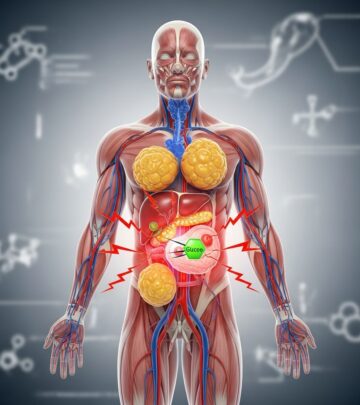
Bone Broth: Nutrition, Benefits, and Recipes
Discover the nutritional power of bone broth, its potential health benefits for joints, gut, skin, and more, plus easy recipes to try at home.
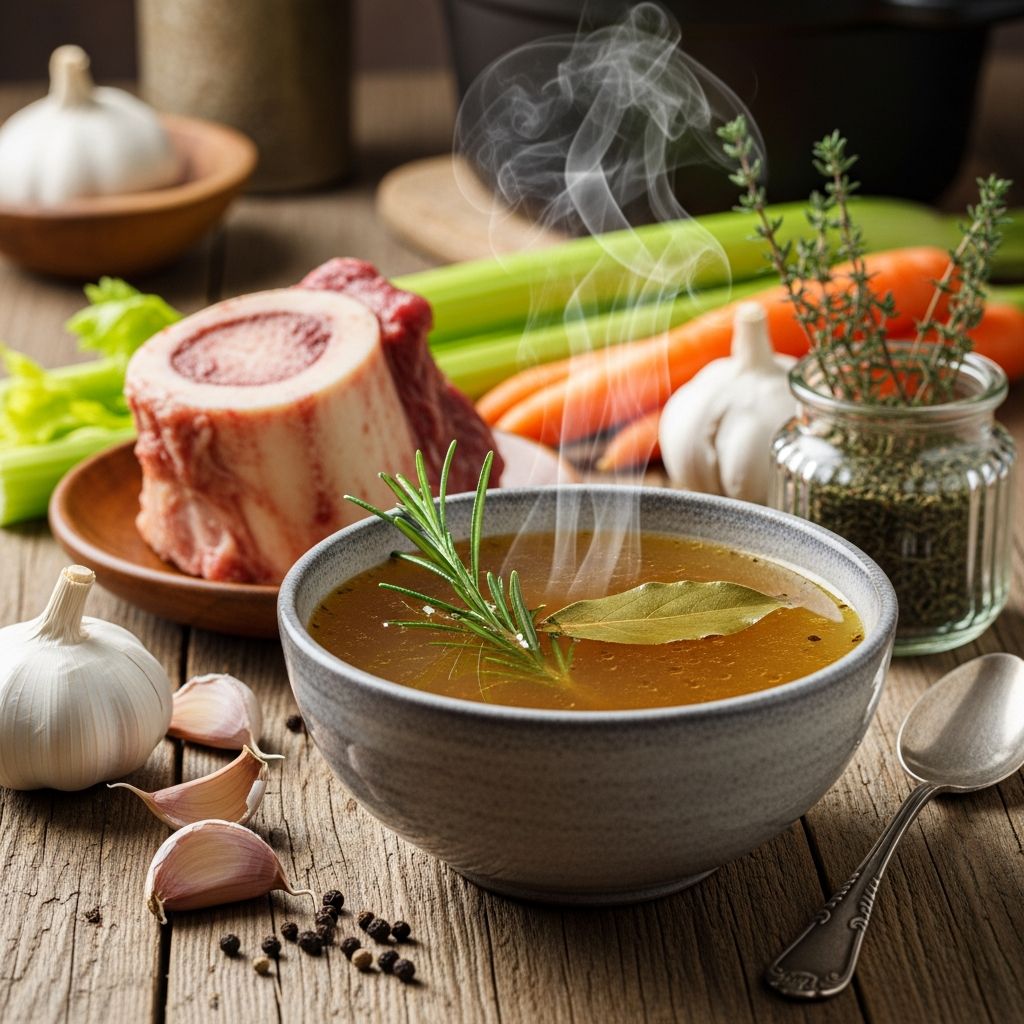
Bone broth, a traditional simmered liquid made from animal bones, connective tissues, and vegetables, has surged in popularity for its potential health-promoting properties. Packed with collagen-derived gelatin, amino acids, and bioavailable minerals, it offers a nutrient-dense option for supporting overall wellness. This article examines its composition, scientifically supported benefits, preparation methods, and considerations for safe consumption.
What Is Bone Broth?
Bone broth is produced by slowly simmering animal bones—typically from chicken, beef, fish, or turkey—along with connective tissues, marrow, and aromatic vegetables like onions, carrots, and celery. The long cooking process, often 12 to 48 hours, extracts gelatin from collagen, releasing amino acids such as glycine, proline, and glutamine, as well as minerals including calcium, magnesium, phosphorus, and potassium. Unlike regular stock or broth made from meat scraps, bone broth emphasizes bones and joints to maximize nutrient extraction.
Historically revered in cultures worldwide—from ancient Chinese medicine to European peasant kitchens—bone broth was valued for its soothing effects during illness. Today, it’s touted as a ‘superfood’ for its role in functional nutrition, though claims require scrutiny against scientific evidence.
Nutritional Content of Bone Broth
The nutrient profile of bone broth varies based on ingredients, cooking time, and animal source, but it consistently provides high-quality protein and micronutrients. A typical 1-cup (240ml) serving offers:
- Protein: 6-12 grams, primarily from collagen broken down into gelatin, supplying essential amino acids like glycine (for detoxification and sleep), proline (for skin and joint repair), and glutamine (for gut lining integrity).
- Minerals: Calcium (up to 20mg), magnesium (5-10mg), phosphorus (100-200mg), and potassium, leached from bones during simmering, supporting bone density, muscle function, and electrolyte balance.
- Vitamins: Trace amounts of B vitamins (B1, B2, B12) from marrow and fat-soluble vitamins (A, D, E, K) if vegetables or fatty bones are included.
- Other compounds: Glucosamine and chondroitin from cartilage, which may aid joint lubrication, plus hyaluronic acid for skin hydration.
Compared to vegetable broth, bone broth is far richer in bioavailable collagen peptides, making it a low-calorie (around 40-80 kcal per cup) source of satiating protein. Lab analyses confirm these components, though exact amounts depend on preparation.
Health Benefits of Bone Broth
While human trials specifically on bone broth are limited, studies on its key components—collagen, gelatin, and amino acids—support several benefits. Here’s a breakdown:
Supports Joint Health
Glucosamine, chondroitin, and collagen peptides in bone broth mimic supplements used for osteoarthritis. A study on collagen from chicken cartilage showed reduced pain and stiffness in osteoarthritis patients. Gelatin supplementation with vitamin C enhanced tendon repair post-exercise in a 2017 trial. Regular intake may improve joint mobility and reduce inflammation.
Promotes Gut Health
Gelatin and glutamine strengthen the intestinal barrier, potentially alleviating ‘leaky gut’ and inflammatory bowel disease (IBD) symptoms. Animal studies indicate gelatin supports mucosal integrity and reduces permeability. A PubMed review highlights bone broth’s role in fortifying gut barriers, improving nutrient absorption, and maintaining IBD remission. Human evidence is emerging but promising.
Boosts Skin Health and Anti-Aging
Collagen consumption elevates plasma glycine and proline levels, precursors for skin collagen synthesis. Studies link hydrolyzed collagen to improved elasticity, hydration, and wrinkle reduction. Bone broth provides a natural, whole-food source of these peptides.
Enhances Immune Function
Amino acids like glutamine protect the gut-immune axis, the body’s first defense line. Research shows glutamine supports barrier function in critically ill patients, while glycine boosts microbial diversity in animal models. Bone broth’s anti-inflammatory minerals may aid during colds.
Aids Digestion and Sleep
Gelatin binds water in the gut, easing food passage and potentially benefiting IBD. Glycine promotes restful sleep by regulating body temperature and calming the nervous system.
Supports Weight Management and Detox
High protein content increases satiety, curbing calorie intake. Minerals aid liver detoxification and hydration.
Note: Benefits are most evident with consistent, moderate consumption (1-2 cups daily). Children’s Hospital of Philadelphia cautions that data is insufficient for definitive claims on detoxification or immunity.
Potential Downsides and Risks
Bone broth is generally safe but not without concerns. Heavy metals like lead can accumulate in bones from environmental pollution, potentially concentrating in broth. Opt for organic, grass-fed sources to minimize risks. High histamine levels from long simmering may trigger reactions in sensitive individuals. Those with gout should limit purines from beef bones. Always consult a doctor for medical conditions.
How to Make Bone Broth at Home
Homemade bone broth ensures quality control and cost savings. Basic Beef Bone Broth Recipe (Yields 8-10 cups):
- Ingredients: 4-5 lbs beef bones (marrow, knuckles, oxtail), 2 onions, 3 carrots, 3 celery stalks, 4 garlic cloves, 2 tbsp apple cider vinegar (to extract minerals), herbs (bay leaves, parsley), salt, water to cover.
- Roast bones at 400°F for 30 minutes for flavor.
- Transfer to slow cooker or stockpot; add veggies, vinegar, herbs. Simmer 24-48 hours (crockpot) or 12-24 hours (stovetop/Instant Pot).
- Strain, cool, skim fat. Store in fridge (5 days) or freeze (6 months).
Chicken Variation: Use whole carcass or feet; simmer 12-24 hours. Add ginger for immunity.
Pro tip: Vinegar’s acidity draws out minerals; longer cooks yield more gelatin (jiggly texture when chilled).
Bone Broth Recipes
Incorporate bone broth into meals for versatility:
- Soup Base: Add noodles, veggies, and protein for chicken noodle soup.
- Smoothie Booster: Blend with fruits and greens for collagen-rich drinks.
- Risotto or Grains: Replace water for nutrient-infused rice or quinoa.
- Sipping Broth: Season with turmeric, ginger, lemon for a warming tonic.
- All-in-One Winter Broth: Kale, chorizo, potatoes simmered in broth.
Store-Bought vs. Homemade
| Aspect | Homemade | Store-Bought |
|---|---|---|
| Nutrient Density | High (customizable) | Variable; check labels |
| Cost | $2-5 per batch | $5-10 per quart |
| Additives | None | May have salt, preservatives |
| Convenience | Time-intensive | Ready-to-use |
Choose low-sodium, organic brands like Kettle & Fire if buying.
Frequently Asked Questions (FAQs)
What is bone broth good for?
Bone broth supports joint health, gut integrity, skin elasticity, and immunity through collagen, amino acids, and minerals.
Is bone broth actually healthy?
Yes, in moderation, backed by component studies, though direct trials are limited.
How much bone broth should I drink daily?
1-2 cups; start slow to assess tolerance.
Can bone broth help with leaky gut?
Its gelatin and glutamine may strengthen the intestinal barrier, per reviews.
Is store-bought bone broth as good as homemade?
Homemade maximizes nutrients; select additive-free store options.
Does bone broth have collagen?
Yes, converted to gelatin, providing bioavailable peptides.
References
- The Health Benefits of Bone Broth: Nourishment in a Bowl — Ascend Wellness MBS. 2023. https://ascendwellnessmbs.com/the-health-benefits-of-bone-broth-nourishment-in-a-bowl/
- Top 5 Health Benefits of Bone Broth — BBC Good Food. 2024. https://www.bbcgoodfood.com/health/nutrition/health-benefits-of-bone-broth
- Bone Broth Benefits: Gut Barrier Fortification — PubMed (PMID: 40180691). 2024. https://pubmed.ncbi.nlm.nih.gov/40180691/
- Smarter Sipping: The Quiet Case for Bone Broth — Mito Health. 2023. https://mitohealth.com/blog/bone-broth-benefits-guide
- Food as Medicine: Therapeutic Use of Broths — Children’s Hospital of Philadelphia. 2023. https://www.chop.edu/health-resources/food-medicine-therapeutic-use-broths
- Is Bone Broth Good for You? — MD Anderson Cancer Center. 2020 (updated 2024). https://www.mdanderson.org/cancerwise/is-bone-broth-good-for-you.h00-159694389.html
Similar Articles








Read full bio of medha deb