Bone Bruise (Bone Contusion): Causes, Symptoms & Recovery
Understand bone bruises, their symptoms, treatment options, and recovery timeline for optimal healing.
Understanding Bone Bruises and Bone Contusions
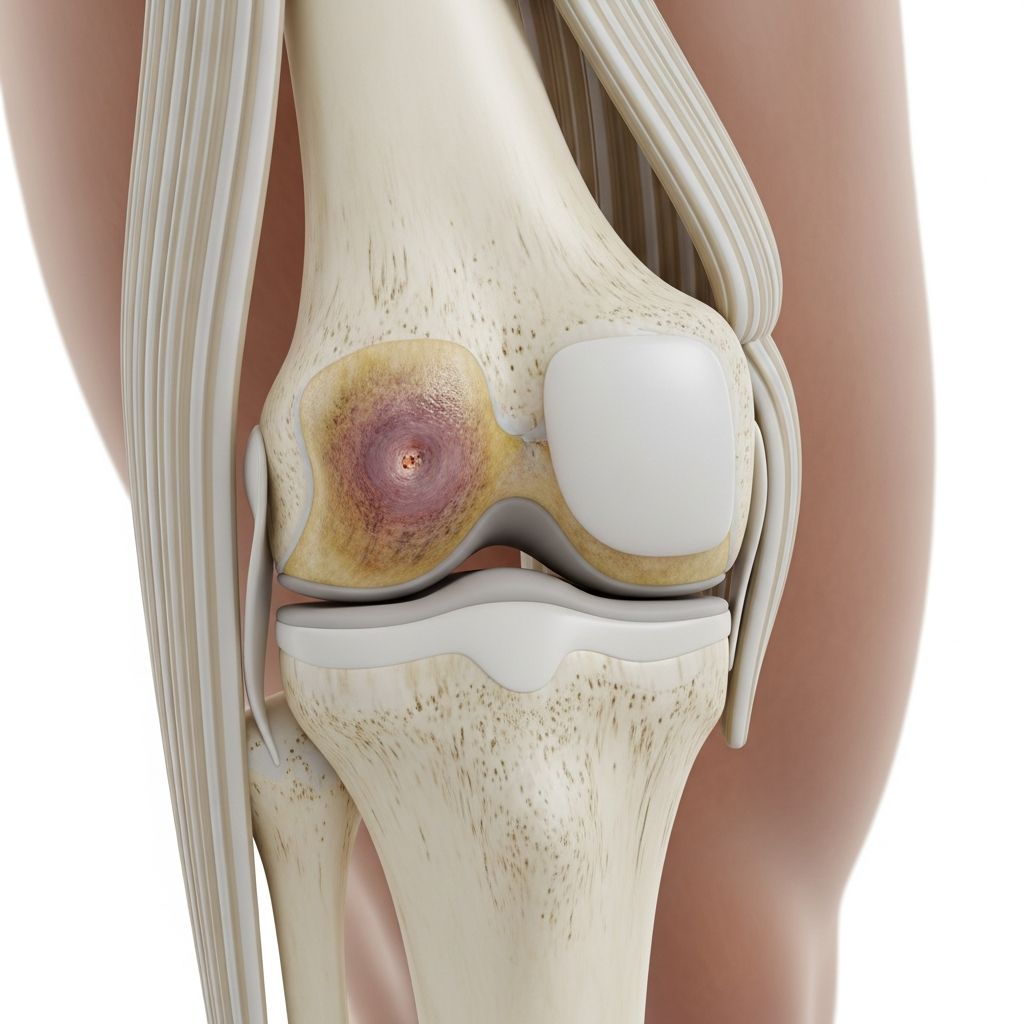
A bone bruise, also known as a bone contusion, occurs when trauma damages bone tissue and causes bleeding within or around the bone. Unlike the bruises that appear on your skin as black and blue marks, bone bruises happen deeper within your body in the skeletal system. While bone bruises are less severe than fractures, they remain serious injuries that require proper care and attention during the healing process.
Bone contusions are essentially blood trapped under the surface of your bone following an injury. Your bones are living tissue that can bruise in many of the same ways your skin bruises. However, it takes significantly more force to bruise a bone compared to bruising your skin. When something strikes your bones with sufficient force, they can bleed internally without actually breaking or fracturing.
How Bone Bruises Differ from Fractures
The key distinction between a bone bruise and a bone fracture lies in the severity and nature of the damage. A bone bruise involves bleeding and damage to the bone tissue without a complete or partial break in the bone’s structural integrity. In contrast, a fracture means the bone has cracked or broken completely. While bone bruises are less severe than fractures, they should not be ignored, as untreated bone contusions can weaken your bone enough to eventually cause a fracture. Many of the same injuries that cause bone bruises can also result in broken bones, making proper diagnosis and treatment essential.
Common Causes of Bone Bruises
Bone bruises are common after significant trauma or severe injuries. Several types of incidents can cause bone contusions:
- Falls from heights or on hard surfaces
- Motor vehicle accidents
- Sports-related injuries and collisions
- Direct blows or impacts to bones
- Crush injuries
- Polytrauma involving multiple body parts
Medical experts estimate that approximately 80% of people who tear their anterior cruciate ligament (ACL) also experience a bone bruise in their knee joint, demonstrating how common bone contusions are in specific injury patterns.
Risk Factors for Bone Bruises
While anyone can bruise a bone, certain individuals have a higher risk of developing bone contusions. Risk factors include participation in contact sports, occupations involving physical labor or fall hazards, certain medical conditions affecting bone density, previous bone injuries, and activities that increase the likelihood of traumatic incidents. Understanding your personal risk factors can help you take preventive measures and recognize when professional medical attention is necessary.
Recognizing Symptoms of Bone Bruises
Bone contusions produce several noticeable symptoms that warrant medical evaluation:
- Sharp, intense pain localized to the injured bone
- Swelling and inflammation around the injury site
- Tenderness when touching or applying pressure to the area
- Reduced range of motion in nearby joints
- Discoloration of the skin overlying the bone bruise
- Pain when using the affected body part
- Difficulty bearing weight on the injured limb (if lower body)
If you experience bone pain lasting more than a few days, accompanied by swelling, reduced mobility, or pain when using a body part, you should visit a healthcare provider for evaluation.
Related Stories



Diagnosis of Bone Bruises
Healthcare providers diagnose bone bruises through a combination of physical examination and imaging tests. During your visit, your provider will examine your injured bone and the surrounding area. It is important to describe what you were doing when you first noticed symptoms, including any known cause of injury such as a fall or sports-related incident. Additionally, inform your provider if certain activities, motions, or physical positions make your symptoms worse or better.
Imaging tests play a crucial role in confirming bone contusions. Magnetic resonance imaging (MRI) is particularly effective for visualizing bone bruises, as it can detect post-traumatic findings including hemorrhage, edema, and microtrabecular fractures. MRI scans provide detailed images that help healthcare providers understand the extent and location of the bone damage, classify the contusion, and develop an appropriate treatment plan.
Classification of Bone Contusions
Healthcare providers may classify bone contusions based on the location of bone damage. The specific anatomical location helps determine the severity, treatment approach, and expected recovery timeline. Common locations for bone bruises include the knee joint (particularly in ACL injuries), the ankle, the shoulder, and other weight-bearing or high-impact areas of the skeleton.
Treatment Options for Bone Bruises
Most bone bruises can be effectively managed with conservative treatment approaches. The RICE method forms the foundation of bone contusion care:
- Rest: Limit activities that stress the injured bone
- Ice: Apply ice to reduce swelling and pain
- Compression: Use wrapping to minimize inflammation
- Elevation: Keep the injured area raised to reduce swelling
Additional treatment options include anti-inflammatory medications to manage pain and reduce swelling, wearing a splint, brace, or cast to support and immobilize the injured bone, and modified activity levels during the healing process. Your healthcare provider will recommend the most appropriate combination of treatments based on your specific injury and circumstances.
Pain and Symptom Management
You should begin feeling better soon after starting treatment and managing your symptoms. Pain, swelling, and tenderness typically improve gradually once you begin taking anti-inflammatory medications and reduce stress on your injured bone. However, recovery takes time, and it is crucial not to rush the healing process. Your provider will guide you on how long to avoid intense physical activity and exercise based on your specific injury.
Recovery Timeline for Bone Bruises
Most bone bruises last several weeks, though more severe contusions can take months or longer to heal completely. The duration of recovery depends on multiple factors including which type of bone bruise you have, which bone is affected, and whether you sustained any other injuries simultaneously. Healing times vary significantly from person to person, influenced by age, overall health, bone density, and adherence to treatment recommendations.
The recovery timeline is not always straightforward. You might feel significantly better within the first few weeks, but your bone still needs time to heal completely before it regains all its usual strength. Returning to intense physical activities too soon can worsen the injury and extend your recovery period, potentially leading to complications like fractures.
Preventing Complications
Untreated or improperly managed bone contusions can lead to serious complications. If trauma bruises your bone and you continue using it or placing stress on it, the damage can worsen to the point where your bone cracks or breaks. This is why following your healthcare provider’s recommendations regarding activity restrictions is essential. Unlike typical skin bruises, which are usually hard to make worse, bone bruises require careful management because the damage is to living bone tissue.
When to Seek Emergency Care
Visit a healthcare provider or go to the emergency room if you have experienced significant trauma like a fall or car accident. Seek immediate emergency care if you feel sharp, intense pain that appears to be coming from a bone. Additionally, go to the emergency room if you have experienced trauma and have pain on or near a bone, regardless of other symptoms. Prompt evaluation after traumatic injuries ensures proper diagnosis and prevents complications.
Skin Changes and Healing Signs
As your bone bruise heals, you may notice color changes in the skin overlying the injury. Bruises just under your skin typically change color throughout the healing process. They may appear red or purplish initially. If you have a darker skin tone, you might notice purple, dark brown, or black bruising at first. As the area heals, the bruise may gradually turn lighter shades of brown, green, or yellow. These color changes are normal indicators of the healing process and do not necessarily reflect changes in your bone contusion itself.
Activity and Return to Exercise
One of the most challenging aspects of bone bruise recovery involves avoiding certain activities, particularly if you must skip your favorite workout, sport, or hobby while healing. Do not resume any physical activities until your healthcare provider explicitly says it is safe to do so. Your bone still needs complete healing time before it regains all its usual strength and resilience.
Talk to your provider about how long you will need to avoid intense physical activity or exercise. They can help you understand realistic expectations and develop a gradual return-to-activity plan that protects your healing bone while maintaining your overall fitness. Patience during this period is important for preventing re-injury and ensuring full recovery.
Frequently Asked Questions About Bone Bruises
Q: How do bone bruises differ from regular bruises on skin?
A: Bone bruises occur deeper within your body in bone tissue, while skin bruises appear on the surface. Bone bruises take longer to heal and can lead to more serious complications like fractures if not properly managed.
Q: Can a bone bruise turn into a fracture?
A: Yes, untreated bone contusions can weaken bone enough to cause fractures. Continuing to stress an injured bone can worsen the damage until it cracks or breaks completely.
Q: How long does a bone bruise typically take to heal?
A: Most bone bruises last a few weeks, but more severe contusions can take months or longer to heal completely. Recovery time depends on the location, severity, and your overall health.
Q: What should I do immediately after a bone bruise injury?
A: Apply the RICE method: Rest the injured area, apply Ice, use Compression wrapping, and Elevate the injury. Seek medical attention for proper diagnosis and treatment recommendations.
Q: When should I see a doctor for a bone bruise?
A: Visit a healthcare provider if bone pain lasts more than a few days or is accompanied by swelling, reduced range of motion, or pain when using the body part. Go to the emergency room if you have experienced significant trauma.
Q: Can I exercise with a bone bruise?
A: No, you should wait until your healthcare provider clears you for activity. Exercising too soon can worsen the injury and extend your recovery time.
Q: What imaging tests can diagnose bone bruises?
A: MRI scans are particularly effective for detecting bone bruises, as they can visualize hemorrhage, edema, and microtrabecular fractures within the bone tissue.
Q: Do bone bruises always require a cast or brace?
A: Not always. While many bone bruises benefit from immobilization with a splint, brace, or cast, treatment depends on the location and severity of the injury.
Working with Your Healthcare Provider
Your healthcare provider will help you understand where the bruise is located on your injured bone and what steps you can take to facilitate healing. They will provide specific guidance on activity restrictions, medication use, and rehabilitation exercises when appropriate. Do not rush your recovery, as it might take time, but this patience is worth the investment in your long-term bone health. Wait to resume intense physical activities until your provider gives you clearance to do so.
From sudden injuries to chronic conditions, orthopedic specialists at major medical institutions can guide you through testing, treatment, and recovery, helping you return to full function and resume your normal activities safely.
References
- Bone Bruise (Bone Contusion): What It Is & Recovery Time — Cleveland Clinic. 2024. https://my.clevelandclinic.org/health/diseases/bone-bruise-bone-contusion
- Posteromedial Tibial Bone Bruise After Anterior Cruciate Ligament Rupture — Byrd, J.M. et al. National Center for Biotechnology Information. 2022. https://pmc.ncbi.nlm.nih.gov/articles/PMC9580091/
- What Preoperative Factors, Including a Bone Bruise, are Associated with Knee Pain After ACL Reconstruction? — Dunn, W.R. et al. National Center for Biotechnology Information. 2010. https://pmc.ncbi.nlm.nih.gov/articles/PMC3692374/
- An MRI Study of Bone Bruise Patterns in 208 Patients — Byrd, J.M. et al. SAGE Journals. 2022. https://journals.sagepub.com/doi/abs/10.1177/23259671221120636
- Bruises (Ecchymosis): Symptoms, Causes, Treatment & Prevention — Cleveland Clinic. 2024. https://my.clevelandclinic.org/health/diseases/15235-bruises
- Muscle Contusion: Bruised Muscle Symptoms & Causes — Cleveland Clinic. 2024. https://my.clevelandclinic.org/health/diseases/25005-muscle-contusion
- Orthopaedic Trauma Care Services — Cleveland Clinic London. 2024. https://clevelandcliniclondon.uk/clinical-institutes/orthopaedics/orthopaedic-trauma-care
Similar Articles








Read full bio of medha deb