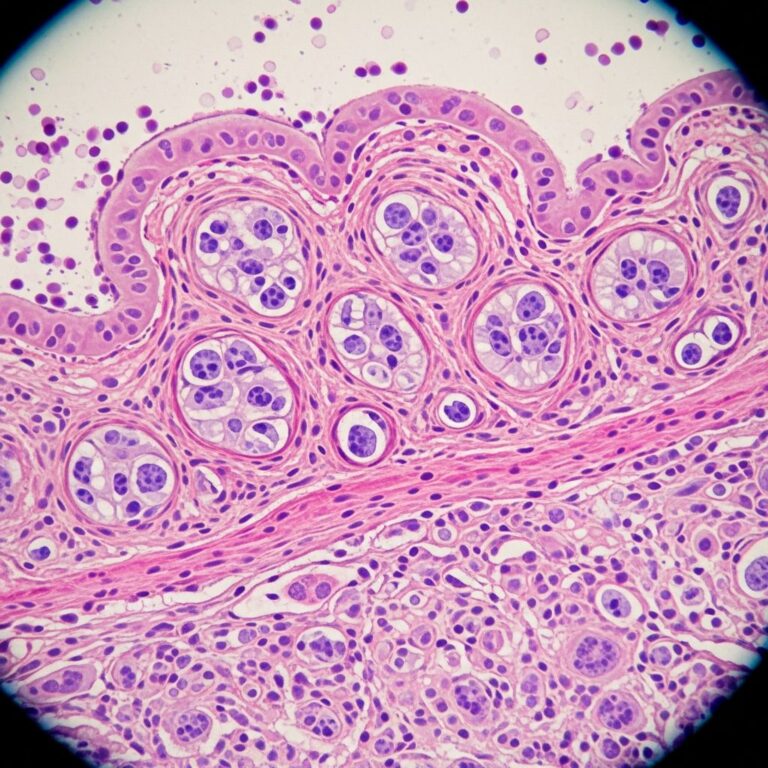
Bone Cancer: Symptoms, Treatment & Outlook
Comprehensive guide to bone cancer: understanding types, symptoms, diagnosis, and modern treatment options.
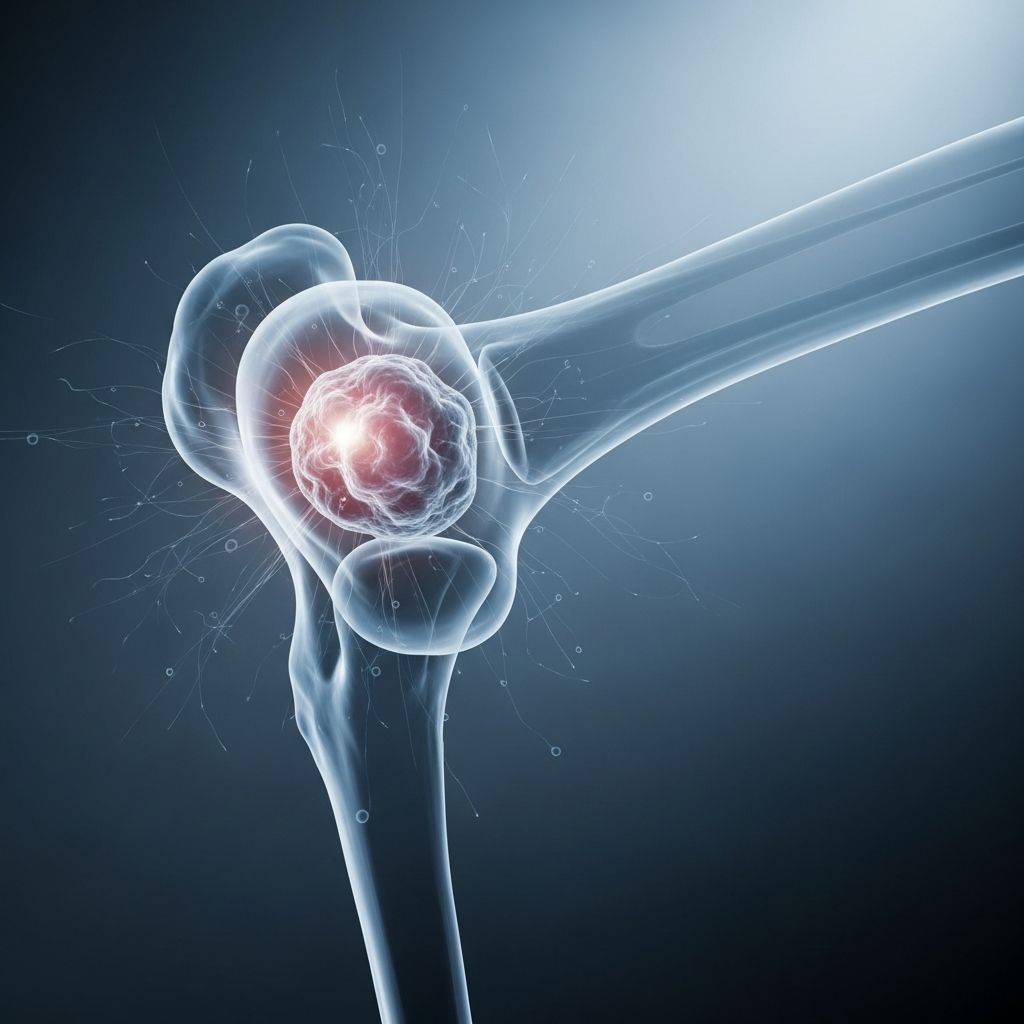
Bone cancers are rare malignant tumors that originate in the bone tissue itself. These cancers destroy healthy bone tissue and can spread to other organs throughout the body. While bone cancer can affect people of all ages, it most commonly occurs in children and young adults. Understanding the different types, symptoms, and treatment options is essential for patients and their families facing this diagnosis.
What is Bone Cancer?
Bone cancer refers to several different types of cancers that develop directly within the bones. Cancers that begin in the bone are classified as primary bone cancers, distinguishing them from secondary cancers that originate elsewhere and spread to the bones. These tumors can grow rapidly and may metastasize to distant organs if left untreated.
It’s important to note that not all bone tumors are cancerous. Many people experience benign (noncancerous) bone growths that may not require aggressive treatment. Finding a lump or experiencing unexplained bone pain can be alarming, but prompt medical evaluation helps distinguish between life-threatening malignancies and harmless growths. Even benign tumors may require monitoring or treatment depending on their location and size.
Types of Bone Cancer
Several distinct types of primary bone cancers exist, each with unique characteristics and treatment approaches. The most common types include:
Osteosarcoma represents the most frequent bone cancer, typically affecting teenagers and young adults. It usually develops in the long bones of the legs or arms, particularly around the knee area.
Ewing Sarcoma is the second most common bone cancer in children and young adults. It typically arises in the long bones of the legs, pelvis, or arms and tends to occur in children under 20 years old.
Chondrosarcoma develops from cartilage cells and most often affects adults over 40 years old. These tumors frequently occur in the pelvis, upper leg bone, or shoulder.
Chordoma is a rare bone cancer that develops from remnants of the notochord, an embryological structure. These tumors typically arise at the base of the skull or lower spine.
Giant Cell Tumor of Bone is a benign bone tumor that usually forms at the end of long bones and may occasionally become malignant.[10]
Symptoms and Warning Signs
Recognizing symptoms of bone cancer can lead to earlier diagnosis and better treatment outcomes. Patients should be aware of the following warning signs:
- Persistent bone pain that doesn’t improve with rest or over-the-counter medications
- Swelling or a lump in the affected bone area
- Reduced range of motion or stiffness in nearby joints
- Weakness or limitations in limb function
- Fatigue and general malaise
- Unexplained weight loss
- Fever without apparent cause
These symptoms may develop gradually or appear suddenly. Any persistent bone pain lasting several weeks warrants professional evaluation, especially in children and young adults who are at higher risk for bone cancer.
Related Stories



Diagnosis of Bone Cancer
Accurate diagnosis of bone cancer involves multiple imaging and laboratory procedures. Your healthcare provider will typically follow a systematic approach to confirm the diagnosis and determine the cancer type.
Imaging Studies
Initial diagnosis often begins with X-rays to visualize your bones and identify any abnormalities. However, X-rays provide limited detail, so additional imaging is usually necessary.
Magnetic Resonance Imaging (MRI) produces highly detailed images of the affected bone and surrounding soft tissues, helping surgeons understand the tumor’s extent and location before treatment.
Computed Tomography (CT) Scans create detailed cross-sectional images of the bone and surrounding structures, providing crucial information for treatment planning. CT scans of the chest, abdomen, and pelvis help detect whether cancer has spread to other organs.
Positron Emission Tomography (PET) Scans and bone scans can identify areas of increased metabolic activity, helping detect metastasis to distant locations.
Biopsy Confirmation
To confirm a bone cancer diagnosis, your provider must obtain tissue for microscopic examination. A biopsy involves removing a small piece of tissue from the affected bone for laboratory analysis by a pathologist. This tissue examination provides specific information about the cancer type, which is essential for determining the most effective treatment plan.
Biopsy has become increasingly important in modern bone tumor management, as it can reveal whether a lesion is benign, cancerous, infectious, or represents metastatic disease from another cancer site.
Bone Cancer Staging
Staging determines how advanced the cancer is and guides treatment decisions. Healthcare providers use two primary staging systems:
Enneking System
The Musculoskeletal Tumor Society uses the Enneking system, which classifies bone tumors based on grade, location, and whether cancer has spread.
American Joint Committee on Cancer (AJCC) System
The AJCC system provides another standardized approach to bone cancer staging, helping ensure consistent communication among healthcare providers and enabling comparison of treatment outcomes.
Your specific stage will influence treatment recommendations and prognosis. Early-stage cancers generally have better outcomes than advanced stages.
Treatment Options for Bone Cancer
Modern bone cancer treatment combines multiple approaches tailored to each patient’s specific situation. Surgery remains the cornerstone of therapy, often combined with chemotherapy and radiation therapy.
Surgery
Surgery is the most common and often most effective treatment for bone cancer. The goal is removing the tumor completely while preserving as much healthy tissue and function as possible.
Limb-Sparing Surgery has revolutionized bone cancer treatment. In this procedure, surgeons remove only the tumor and a margin of healthy tissue surrounding it, leaving the arm or leg intact. More than 90 percent of Cleveland Clinic’s bone cancer patients can avoid amputation through limb-sparing techniques.
After removing the tumor, surgeons can repair or reconstruct the affected bone using real or artificial bone grafts. These grafts restore bone structure and function, allowing patients to maintain limb mobility and quality of life.
Chemotherapy
Chemotherapy uses powerful drugs to kill cancer cells throughout the body. For aggressive bone cancers, chemotherapy may be administered before surgery to shrink tumors, making them easier to remove and reducing the risk of metastasis. Additional chemotherapy courses after surgery help eliminate any remaining cancer cells.
Radiation Therapy
Radiation therapy uses high-energy beams to destroy cancer cells. While surgery and chemotherapy are primary treatments, radiation therapy may be recommended for patients with particularly aggressive cancers or those at higher risk of recurrence.
Multimodal Treatment Approach
Many bone cancer patients benefit from combining multiple treatment modalities. A multidisciplinary team of sarcoma surgeons, medical oncologists, radiation oncologists, radiologists, and pathologists work together to develop the most effective personalized treatment plan. This collaborative approach ensures comprehensive care addressing all aspects of the disease.
Treatment Planning and Multidisciplinary Care
Effective bone cancer treatment requires expertise from multiple medical specialties. At leading cancer centers, bone tumor specialists from different disciplines meet to review each patient’s case and develop coordinated treatment plans. This multidisciplinary approach ensures that every aspect of your care is optimized for the best possible outcome and quality of life.
Your care team will consider factors such as tumor type, location, stage, your age, and overall health when selecting treatments. They will discuss treatment options thoroughly with you, ensuring you understand the benefits and potential side effects of each approach.
Prognosis and Outlook
Bone cancer prognosis varies significantly based on multiple factors. Every case is unique, and outcomes depend on:
- The specific type of bone cancer
- The cancer stage at diagnosis
- Tumor location and size
- How well the cancer responds to initial treatment
- The patient’s age and overall health
- Access to specialized care and advanced treatment options
Modern treatments have dramatically improved survival rates, particularly with limb-sparing surgical techniques and multimodal therapy. Your healthcare provider can explain your specific prognosis based on your individual circumstances and can discuss realistic expectations for treatment outcomes.
Life After Bone Cancer Treatment
Patients who complete bone cancer treatment require ongoing follow-up care to monitor for recurrence and manage long-term effects of therapy. Regular imaging studies, physical examinations, and laboratory tests help detect any signs of cancer returning.
Physical therapy and rehabilitation programs help restore strength and mobility after surgery. Many patients return to normal activities, including sports and work, though some modifications may be necessary depending on the surgical procedure performed.
Support resources, including counseling, support groups, and survivorship programs, can help patients and families adjust to life after cancer treatment and address physical and emotional challenges.
When to Seek Medical Attention
If you or a family member experiences persistent bone pain, unexplained swelling, or other concerning symptoms, schedule a medical evaluation promptly. While not all bone pain indicates cancer, professional assessment ensures proper diagnosis and early treatment if necessary.
Children and young adults with risk factors for bone cancer should receive immediate medical attention for suspicious symptoms, as early diagnosis and treatment significantly improve outcomes in this age group.
Frequently Asked Questions
Q: How common is bone cancer?
A: Bone cancer is rare, accounting for less than 1% of all cancers. However, it is more common in children and young adults than in older populations.
Q: Can bone cancer be cured?
A: Many patients with bone cancer achieve remission or cure, particularly with early detection and modern multimodal treatment approaches. Survival rates have improved significantly with advances in surgical techniques and chemotherapy.
Q: What is the difference between primary and secondary bone cancer?
A: Primary bone cancer originates in the bone itself, while secondary bone cancer develops elsewhere in the body and spreads to the bones. Primary bone cancers are the focus of specialized bone tumor treatment programs.
Q: Will I lose my limb if I have bone cancer?
A: Amputation is rarely necessary today. Advanced limb-sparing surgical techniques allow surgeons to remove tumors while preserving limb function in the majority of bone cancer patients.
Q: How long does bone cancer treatment take?
A: Treatment duration varies depending on the cancer type, stage, and treatment approach. Some patients complete treatment within several months, while others may require ongoing therapy for extended periods.
Q: What side effects can I expect from bone cancer treatment?
A: Side effects depend on the specific treatments used. Chemotherapy may cause nausea, hair loss, and fatigue. Surgery may result in temporary pain and mobility limitations. Your care team will discuss expected side effects and strategies to manage them.
Q: Can bone cancer run in families?
A: While most bone cancers are not inherited, certain genetic conditions increase cancer risk. Discuss your family history with your healthcare provider, especially if multiple family members have had cancer.
Q: What should I do if I’m concerned about a bone lump or persistent pain?
A: Schedule an appointment with your primary care physician or a bone specialist. They can perform appropriate imaging studies and examinations to determine whether further evaluation is needed.
References
- NCCN Guidelines Insights: Bone Cancer, Version 2.2017 — National Comprehensive Cancer Network. 2017. https://pubmed.ncbi.nlm.nih.gov/28188186/
- Bone & Soft Tissue Cancer Treatment — Cleveland Clinic London. 2024. https://clevelandcliniclondon.uk/clinical-institutes/orthopaedics/bone-tissue-cancer
- Bone Cancer: Symptoms, Treatment & Outlook — Cleveland Clinic. 2024. https://my.clevelandclinic.org/health/diseases/17745-bone-cancer
- Sarcoma Program Overview — Cleveland Clinic. 2024. https://my.clevelandclinic.org/departments/cancer/depts/sarcoma
- Crucial Concepts in Managing Patients with Metastatic Bone Disease — Cleveland Clinic. 2024. https://consultqd.clevelandclinic.org/crucial-concepts-in-managing-patients-with-metastatic-bone-disease
- Giant Cell Tumor (GCT): Symptoms, Causes & Treatment — Cleveland Clinic. 2024. https://my.clevelandclinic.org/health/diseases/22404-giant-cell-tumors
Similar Articles








Read full bio of Sneha Tete