Bone Densitometry: Screening, Diagnosis & Osteoporosis Prevention
Understand bone densitometry testing: how DXA scans detect osteoporosis and assess fracture risk.
Understanding Bone Densitometry
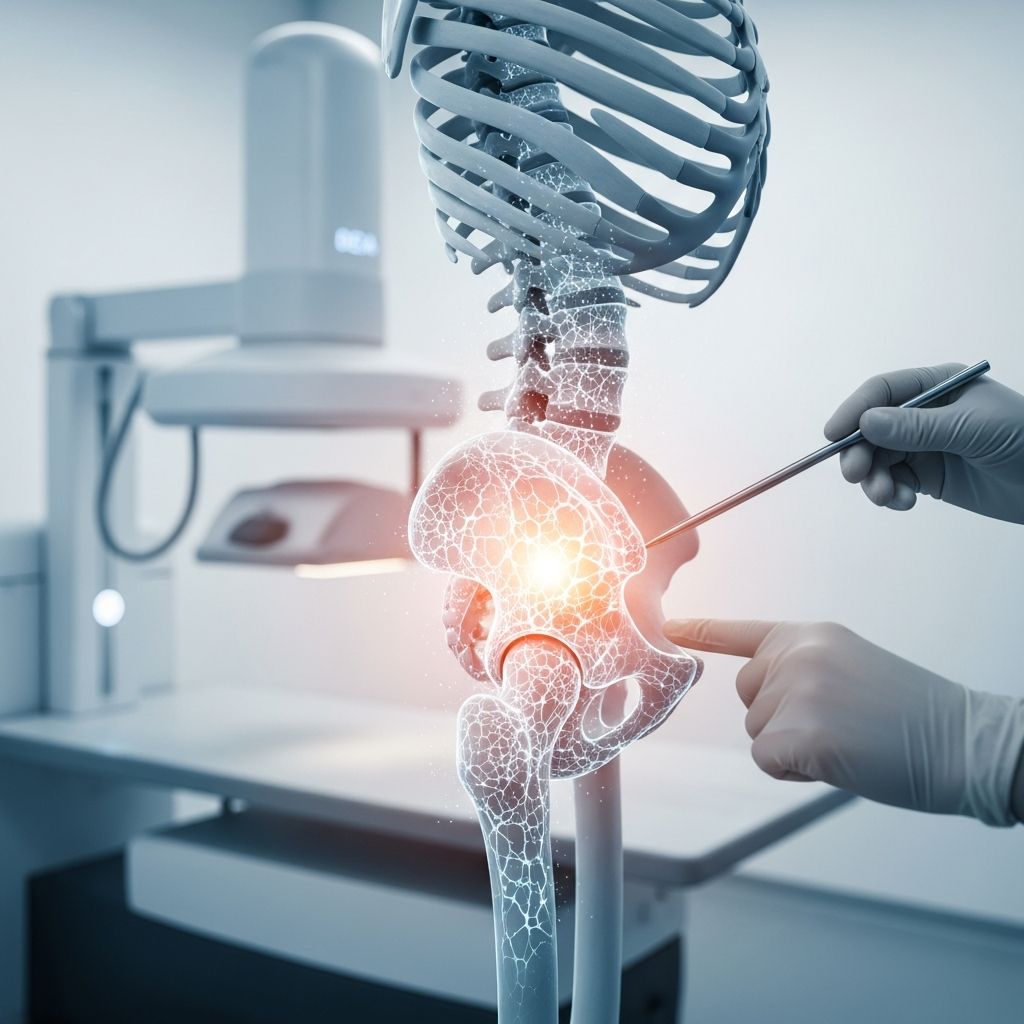
Bone densitometry, commonly known as a DXA scan or DEXA scan (dual-energy x-ray absorptiometry), is a non-invasive diagnostic test that measures bone mineral density to assess skeletal health. This imaging procedure uses low-dose x-rays to determine how much mineral content, primarily calcium and phosphorus, is present in your bones. It is one of the most accurate and widely used methods for diagnosing osteoporosis, a progressive disease characterized by decreased bone density and increased fragility, which significantly increases the risk of fractures.
The importance of bone densitometry extends beyond simple diagnosis. By measuring bone mineral density, healthcare providers can identify individuals at risk for fractures before they occur, monitor the effectiveness of osteoporosis treatments over time, and establish baseline measurements for tracking bone health changes. This early detection capability makes bone densitometry an essential tool in preventive medicine, particularly for aging populations and those with specific risk factors for bone loss.
Why Bone Densitometry Testing Matters
Osteoporosis affects millions of people worldwide, silently weakening bones until a fracture occurs. Unlike conditions that produce obvious symptoms, bone loss progresses without pain or noticeable signs until a break happens. Bone densitometry addresses this challenge by providing concrete measurements of bone strength and density, enabling early intervention before serious complications develop.
The test is particularly important for:
– Screening post-menopausal women and men over 70 for osteoporosis
– Evaluating individuals with risk factors such as family history, hormonal changes, or chronic diseases
– Monitoring the effectiveness of bone-strengthening medications
– Predicting future fracture risk using sophisticated analysis tools
– Establishing baseline measurements for comparison in future assessments
How Bone Densitometry Technology Works
Bone densitometry operates on a sophisticated principle of differential x-ray absorption. The DXA machine sends two distinct energy-level x-ray beams through the bones being examined. One energy peak is primarily absorbed by soft tissue such as muscle and fat, while the other is absorbed by bone mineral. Advanced computer software subtracts the soft tissue absorption from the total reading, leaving only the bone mineral density measurement.
This dual-energy approach provides superior accuracy compared to standard x-ray imaging because it eliminates interference from surrounding soft tissues. The resulting measurements are displayed on a computer monitor as detailed bone density profiles, which are then compared to established normative data to determine whether bone density is normal, low, or indicates osteoporosis.
Types of Bone Densitometry Scans
Central DEXA Scans
The central DEXA scan is the gold standard for bone density measurement and the most commonly performed bone densitometry procedure. This comprehensive examination typically measures bone density in the hip and lumbar spine, the two skeletal sites most vulnerable to fracture from osteoporosis. Central DEXA scans provide the most accurate and reliable results and are the preferred method for initial diagnosis and ongoing monitoring.
Peripheral DEXA Scans
Peripheral DEXA (p-DEXA) scans offer a simplified alternative for initial screening and convenience. These portable devices measure bone density in peripheral skeletal sites such as the finger, hand, forearm, wrist, or foot. While peripheral scans are quicker and can be performed in various settings including physician offices and mobile health clinics, they are generally considered less comprehensive than central DEXA scans and may be used primarily for screening purposes.
Related Stories



Advanced Technology: Biomechanical CT
Biomechanical Computed Tomography (BCT) represents an emerging advanced technology that utilizes data from existing CT scans to assess bone mineral density. This innovative approach leverages CT imaging that may already be scheduled for other clinical evaluations, such as abdominal or pelvic scans. BCT incorporates finite element analysis (FEA), an engineering-based computational method, to estimate actual bone strength and measure the breaking strength of bone, providing insights beyond traditional density measurements.
The Bone Densitometry Procedure: What to Expect
Preparation and Positioning
Bone densitometry is an outpatient procedure requiring no special preparation. Most patients can wear regular clothing during the test, though buttons, zippers, and metal fasteners in the area being scanned may interfere with imaging and should be avoided. The procedure is entirely non-invasive, painless, and requires no needles or instruments to penetrate the skin.
For a central DEXA examination of the spine, you will lie flat on a padded examination table with your legs supported on a padded box that flattens the pelvis and lower lumbar spine for optimal imaging. When assessing hip bone density, your foot is positioned in a brace that rotates the hip inward to ensure consistent measurement positioning.
The Scanning Process
During the scan, an x-ray generator positioned beneath the table sends radiation upward through your bones, while a detector arm slowly passes over the area above you. The detector captures the differential absorption of the two energy-level beams, and this information is transmitted to a sophisticated computer system that generates detailed images on a monitor. You must remain very still during scanning to prevent image blur, and the technologist may ask you to hold your breath briefly while measurements are taken.
The technologist will typically step behind a protective wall or into an adjacent room before activating the x-ray machine, minimizing their radiation exposure while monitoring your procedure. This arrangement allows for safe, efficient testing without compromising image quality.
Radiation Exposure Considerations
One significant advantage of bone densitometry is the minimal radiation exposure involved. The radiation dose from a bone density scan is extremely low—approximately 10 percent of the radiation received during a standard chest x-ray. For comparison, a cross-country airplane flight exposes passengers to more radiation than a typical bone density scan. This low-dose approach makes the procedure safe for regular monitoring and repeat testing without concerns about cumulative radiation effects.
Duration of the Procedure
Central DEXA scans typically require 10 to 30 minutes, depending on the specific equipment used and the number of skeletal sites being examined. Peripheral DEXA scans are considerably faster, providing preliminary results within just a few minutes. The relatively brief duration makes bone densitometry accessible and convenient for most patients.
Understanding Bone Densitometry Results
T-Score Interpretation
Bone densitometry results are reported using a T-score, which compares your bone density to that of a young adult of the same gender at peak bone mass. This standardized measurement system provides clear clinical guidance:
| T-Score | Bone Density Classification ||———|—————————|| -1.0 and above | Normal bone density || -1.1 to -2.4 | Osteopenia (low bone mass) || -2.5 and below | Osteoporosis |
A T-score of -1.0 or higher indicates normal bone density with minimal fracture risk. Scores between -1.1 and -2.4 suggest osteopenia, a condition of below-normal bone density that may progress to osteoporosis without intervention. T-scores of -2.5 or lower indicate osteoporosis, signifying significantly increased fracture risk that warrants immediate treatment consideration.
Z-Score and Additional Context
In addition to the T-score, results may include a Z-score, which compares your bone density to others of the same age, sex, ethnicity, and body size. While the T-score is the primary diagnostic tool, the Z-score provides useful context by identifying whether your bone density is typical for your demographic group or whether accelerated bone loss might indicate an underlying medical condition.
10-Year Fracture Risk Assessment
The World Health Organization has developed FRAX, an online assessment tool that combines DXA results with basic clinical information to calculate an individual’s 10-year probability of hip fracture or other major osteoporotic fractures. This risk assessment helps physicians and patients make informed decisions about initiating or intensifying osteoporosis treatment.
Who Should Get Bone Densitometry Testing
Current guidelines recommend bone densitometry screening for:
– All women age 65 and older
– Post-menopausal women under 65 with risk factors for osteoporosis
– Men age 70 and older
– Men ages 50-69 with risk factors
– Adults with a personal history of bone fracture as an adult
– Individuals taking long-term corticosteroid medications
– Those with medical conditions affecting bone metabolism
– Anyone with a family history of osteoporosis
Preparation and Pre-Test Considerations
Before your bone densitometry scan, inform your healthcare provider about any recent imaging studies involving barium or radioactive contrast agents, as these substances can interfere with DXA accuracy. Most medications do not affect the test, though your provider may have specific instructions.
You will likely be asked to complete a detailed questionnaire about your medical history, medications, lifestyle factors, and family history. This information helps your healthcare provider identify additional risk factors for bone loss and fractures, providing context for interpreting your results and determining appropriate treatment strategies.
Quality Assurance and Technician Certification
The accuracy and reliability of bone densitometry depends significantly on proper technique and qualified interpretation. When selecting a facility for your bone density scan, inquire whether the technologist performing the procedure is certified by a recognized organization such as the International Society for Clinical Densitometry (ISCD). Certified technologists have demonstrated competency in proper patient positioning, image acquisition, and quality control, ensuring your results are accurate and clinically meaningful.
Similarly, confirm that a qualified physician, typically a radiologist or nuclear medicine specialist with expertise in bone health, will interpret your results. Proper interpretation requires not only technical knowledge but also clinical judgment to contextualize findings within your individual health profile.
Monitoring Bone Health Over Time
For individuals diagnosed with osteoporosis or osteopenia, repeat bone densitometry scans at regular intervals—typically every 1-2 years—provide crucial information about the effectiveness of treatment and the trajectory of bone loss. These serial measurements allow your healthcare provider to adjust medications, lifestyle interventions, or other treatment strategies based on objective evidence of bone density changes.
Bone densitometry serves as an essential tool for tracking whether osteoporosis treatment is successful, helping prevent potentially devastating fractures through evidence-based clinical decision-making.
Frequently Asked Questions
Q: Is bone densitometry painful?
A: No, bone densitometry is completely painless. There are no needles, injections, or instruments involved. You simply lie on a padded table while the scanning equipment passes over you.
Q: How much radiation am I exposed to during a bone density scan?
A: Bone densitometry uses extremely low-dose radiation, approximately 10 percent of a standard chest x-ray. The radiation exposure is comparable to a few hours of natural background radiation.
Q: What should I wear for the procedure?
A: You can wear regular street clothes, but avoid clothing with metal buttons, zippers, or fasteners in the area being scanned, as metal can interfere with image quality.
Q: How long does a bone density scan take?
A: Central DEXA scans typically take 10 to 30 minutes, while peripheral DEXA scans can be completed in just a few minutes.
Q: When will I receive my results?
A: A qualified radiologist will interpret your images, and your healthcare provider will typically receive the report within a few days and review findings with you.
Q: Can bone densitometry predict my fracture risk?
A: Yes. Your T-score indicates your current bone density status, and combined with clinical information, assessment tools like FRAX can calculate your 10-year fracture probability.
Q: What does a negative T-score mean?
A: The T-score compares your bone density to young adults. Negative scores don’t indicate “bad” results; rather, they show how your density compares to peak bone mass standards.
References
- Bone Density Scan (DEXA or DXA) — Radiological Society of North America. 2024. https://www.radiologyinfo.org/en/info/dexa
- Bone Density Test: Osteoporosis Screening & T-score Interpretation — National Osteoporosis Foundation. 2024. https://www.bonehealthandosteoporosis.org/patients/diagnosis-information/bone-density-examtesting/
- Bone Density Scan: MedlinePlus Medical Test — U.S. National Library of Medicine. 2024. https://medlineplus.gov/lab-tests/bone-density-scan/
- Bone Density Test — Mayo Clinic. 2024. https://www.mayoclinic.org/tests-procedures/bone-density-test/about/pac-20385273
- Bone Densitometry: DXA/DEXA Scan — UCSF Radiology. 2024. https://radiology.ucsf.edu/patient-care/services/bone-density-scan-dxa-dexa
- Bone Densitometry — Northwestern Medicine. 2024. https://www.nm.org/conditions-and-care-areas/imaging-services/bone-densitometry
Similar Articles








Read full bio of medha deb