Bone Fractures: Types, Symptoms & Treatment
Understanding bone fractures: causes, types, symptoms, and effective treatments for recovery.
What Is a Bone Fracture?
A bone fracture is the medical term for a broken bone. Fractures occur when a force applied to a bone exceeds its strength, causing it to crack or break. Bone fractures can range from minor hairline cracks to severe breaks that require surgery and long-term recovery.
Types of Bone Fractures
There are several types of bone fractures, each with unique characteristics and treatment approaches. The most common types include:
- Simple (Closed) Fracture: The bone breaks but does not pierce the skin.
- Compound (Open) Fracture: The bone breaks through the skin, increasing the risk of infection.
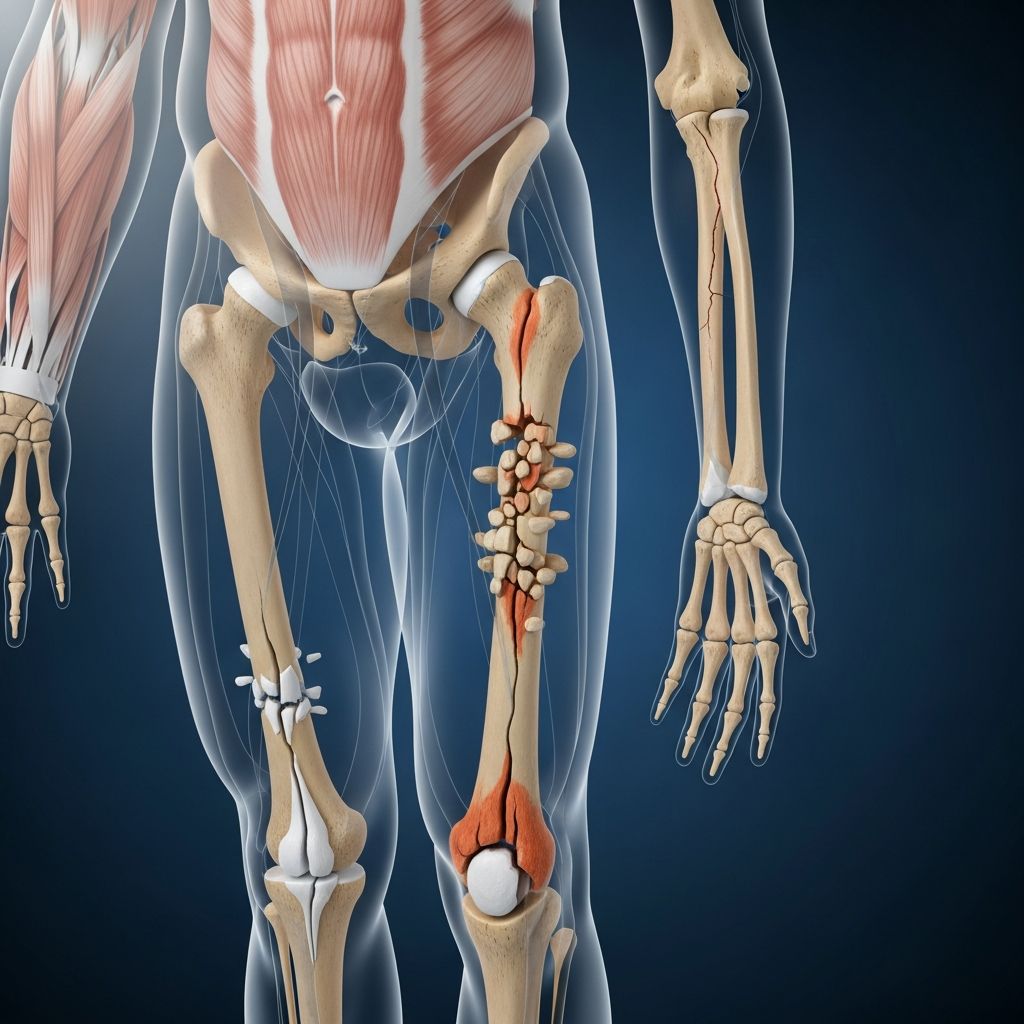
- Comminuted Fracture: The bone is broken into three or more pieces.
- Segmental Fracture: The bone is broken in two places, with a segment of bone separated from the rest.
- Stress Fracture: A small crack in the bone caused by repetitive force or overuse.
- Pathologic Fracture: A break caused by a disease that weakens the bone, such as osteoporosis or cancer.
- Greenstick Fracture: An incomplete break, common in children, where the bone bends and cracks but does not break completely.
- Displaced Fracture: The bone fragments are out of alignment.
- Non-displaced Fracture: The bone is broken but remains in its normal position.
Causes of Bone Fractures
Bone fractures are usually caused by trauma, such as:
- Falls
- Car accidents
- Sports injuries
- Direct blows to the bone
- Overuse or repetitive stress (stress fractures)
- Underlying health conditions (pathologic fractures)
Symptoms of Bone Fractures
The symptoms of a bone fracture can vary depending on the type and location of the break. Common symptoms include:
- Severe pain
- Swelling and bruising
- Deformity or misalignment of the affected area
- Inability to move or bear weight on the injured limb
- Bleeding (in open fractures)
- Grating sensation when moving the injured area
Diagnosis of Bone Fractures
Diagnosing a bone fracture typically involves:
- Physical examination
- Imaging tests such as X-rays, CT scans, or MRI
- Assessment of symptoms and medical history
Treatment Options for Bone Fractures
The treatment for a bone fracture depends on the type, location, and severity of the break. Common treatment options include:
Non-Surgical Treatment
- Splinting: Used for mild fractures where the bone is not displaced. Splinting usually lasts for three to five weeks.
- Casting: Used for more severe fractures or when the bone needs to be immobilized for a longer period. Casting typically lasts for six to eight weeks.
- Closed Reduction: A non-surgical procedure where the provider physically realigns the broken bones. Pain relief is provided during the procedure.
Surgical Treatment
- Internal Fixation: The surgeon inserts metal pins, screws, or plates into the bone to hold it in place while it heals.
- External Fixation: Metal rods and pins are placed outside the body to stabilize the bone.
- Bone Grafting: Additional bone tissue is inserted to help the fractured bone heal, especially in severe cases.
Recovery and Rehabilitation
Recovery from a bone fracture can take several weeks to months, depending on the severity of the break. Rehabilitation may include:
- Physical therapy to restore strength and mobility
- Follow-up X-rays to monitor healing
- Gradual return to normal activities
- Pain management
Complications of Bone Fractures
Related Stories



Potential complications of bone fractures include:
- Infection (especially in open fractures)
- Delayed healing or non-union
- Malunion (bones healing in the wrong position)
- Chronic pain
- Arthritis
Prevention of Bone Fractures
Preventing bone fractures involves:
- Maintaining strong bones through a healthy diet and exercise
- Using protective gear during sports and physical activities
- Preventing falls, especially in older adults
- Managing underlying health conditions that weaken bones
FAQs About Bone Fractures
Q: How long does it take for a bone fracture to heal?
A: Healing time varies depending on the type and severity of the fracture. Most fractures heal within six to eight weeks, but severe fractures may take several months.
Q: Can a bone fracture heal without surgery?
A: Yes, many fractures can heal without surgery, especially if they are non-displaced and not severe. However, severe or displaced fractures often require surgical intervention.
Q: What is the difference between a simple and compound fracture?
A: A simple fracture is when the bone breaks but does not pierce the skin. A compound fracture is when the bone breaks through the skin, increasing the risk of infection.
Q: How can I prevent bone fractures?
A: You can prevent bone fractures by maintaining strong bones, using protective gear, preventing falls, and managing underlying health conditions.
Q: What are the signs of a bone fracture?
A: Signs include severe pain, swelling, bruising, deformity, inability to move or bear weight, and bleeding in open fractures.
References
- Bone Fractures: Types, Symptoms & Treatment — Cleveland Clinic. 2023. https://my.clevelandclinic.org/health/diseases/15241-bone-fractures
- Comminuted Fracture: Symptoms, Causes & Treatment — Cleveland Clinic. 2021. https://my.clevelandclinic.org/health/diseases/22252-comminuted-fracture
- Segmental Fracture: Symptoms, Causes & Treatment — Cleveland Clinic. 2021. https://my.clevelandclinic.org/health/diseases/22234-segmental-fracture
Similar Articles








Read full bio of medha deb