Bone Grafting: Procedure, Types, and Recovery
Complete guide to bone grafting: understanding the surgical procedure, types, benefits, and recovery process.
What is Bone Grafting?
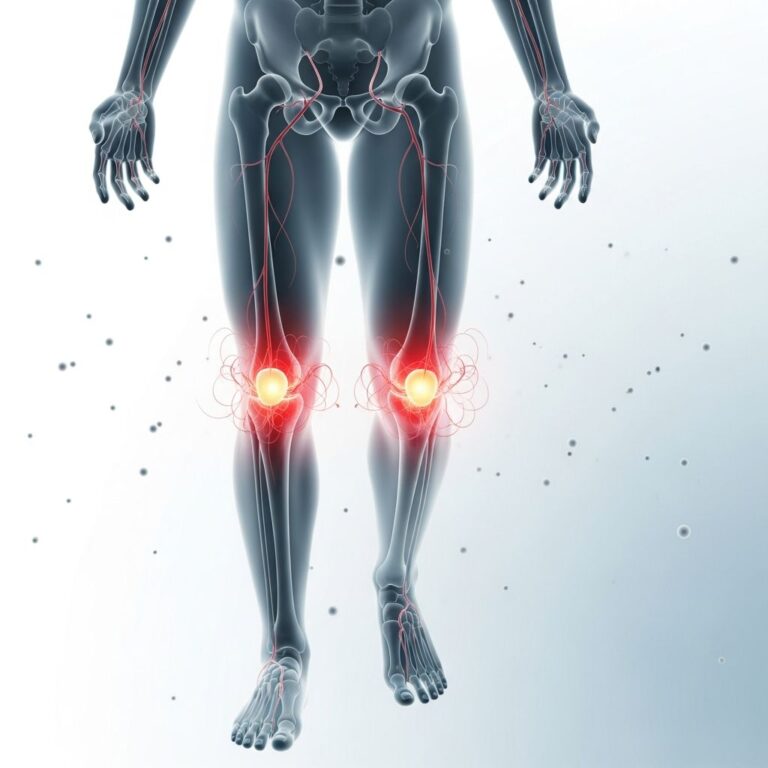
Bone grafting is a surgical procedure used to repair or reconstruct bone defects caused by various factors such as trauma, congenital malformations, cancer, bone diseases, or complications from previous surgeries. The procedure involves transplanting bone tissue from one location to another, either from the patient’s own body or from other sources, to facilitate healing and bone regeneration. This surgical technique plays a crucial role in orthopedic and reconstructive medicine, providing essential support for patients recovering from significant bone injuries or undergoing major surgical procedures.
The primary goal of bone grafting is to create an ideal environment for the patient’s natural bone cells to regenerate and grow in the target location. The grafted material serves as a scaffold and biological stimulus, gradually being replaced by new, healthy bone tissue that integrates with the surrounding bone structure.
Types of Bone Grafts
There are several types of bone grafting materials available, each with distinct characteristics and applications:
Autogenous Bone Grafts
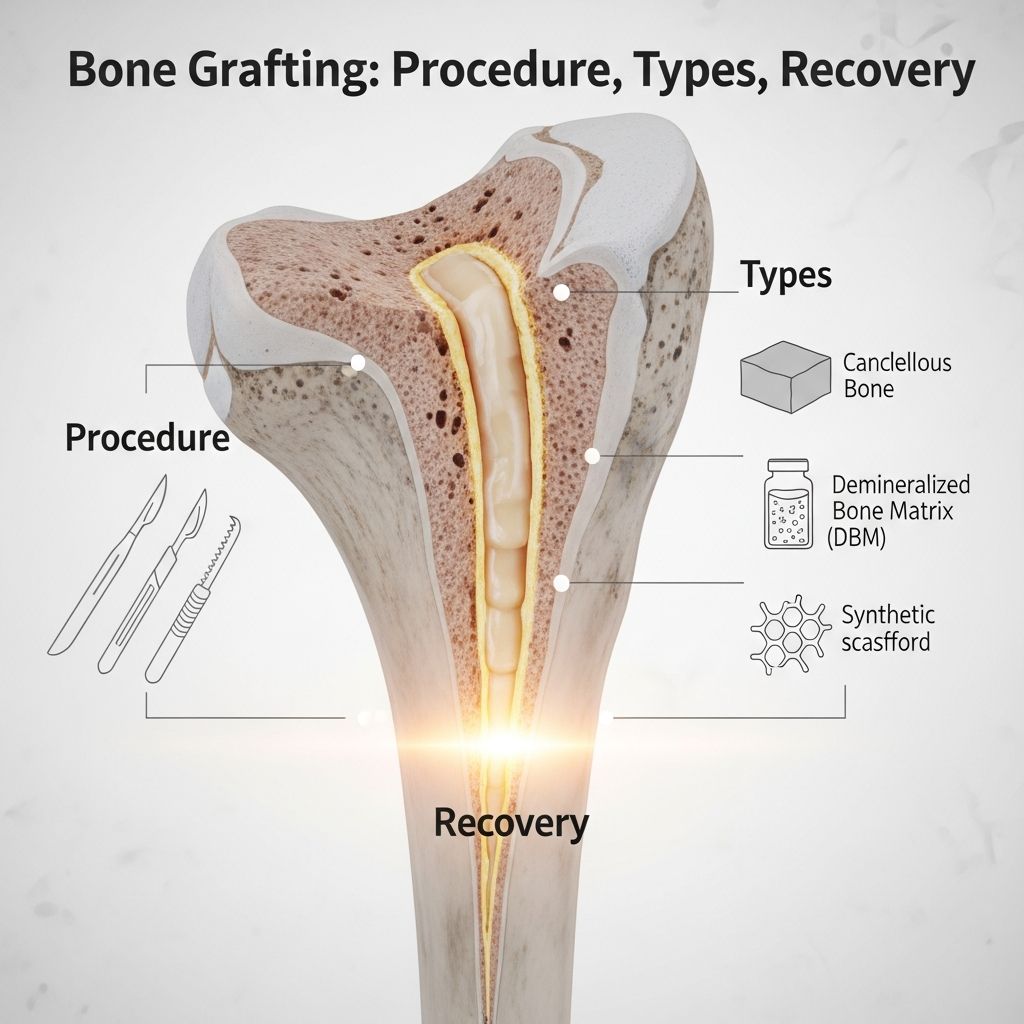
Autogenous grafts, also known as autografts, are bone tissues harvested from the patient’s own body. This type of graft is considered the gold standard in bone grafting because it eliminates the risk of rejection by the patient’s immune system. The bone is typically harvested from areas where it is abundant, such as the pelvis (iliac crest), ribs, or the ends of long bones like the fibula. Autogenous grafts can include cancellous bone, which is the spongy inner material found in major bones, or cortical bone, which is the harder outer layer. The advantage of using the patient’s own bone is that it contains living cells that promote faster integration and superior healing outcomes.
Allogeneic Bone Grafts
Allogeneic grafts are bone tissues obtained from cadaver sources or bone banks. While these grafts eliminate the need for a second surgical site to harvest bone from the patient’s body, they carry a higher risk of rejection compared to autogenous grafts. The tissue compatibility between donor and recipient becomes an important factor in determining the success of the procedure. Allogeneic grafts may be used when there is insufficient autogenous bone available or when harvesting from the patient’s body is not feasible.
Synthetic and Xenogeneic Materials
In addition to tissue-based grafts, synthetic bone substitutes and xenogeneic materials (derived from animal sources) may be used in certain situations. These materials provide structural support and can encourage bone growth, though they do not contain living cells like autogenous grafts. The choice of grafting material depends on the patient’s specific condition, the size of the bone defect, and the surgeon’s clinical judgment.
When Bone Grafting is Needed
Bone grafting is recommended in various clinical situations where significant bone loss or defects need to be addressed:
Delayed Union of Fractures
A fracture that fails to heal within the normal timeframe is considered a delayed union. In these cases, a bone graft may be placed around the fracture site to provide additional biological and structural support, facilitating the healing process. The grafted material helps promote the formation of new bone tissue and stabilizes the fracture.
Spinal Fusion Surgery
Bone grafts are commonly used in spinal fusion procedures to promote the fusion of vertebrae. The graft material is placed between the vertebrae to encourage new bone growth that will eventually fuse the bones together, providing stability and relieving pain.
Related Stories



Joint Replacement Surgery
Major surgical implants such as total knee or hip replacements may require bone grafting to address bone loss or defects in the surrounding bone. The graft provides structural support and helps integrate the implant with the patient’s natural bone.
Dental Implant Placement
Dental implant surgery often requires bone grafting when the patient does not have sufficient jaw bone to support the implant. Placing a bone graft during tooth extraction helps preserve the bony architecture of the socket, ensuring adequate bone volume for future implant placement.
Cancer Surgery Reconstruction
Following cancer surgery, particularly procedures involving the jaw or facial bones, bone grafting may be necessary to reconstruct the affected area and restore function and appearance.
Congenital Malformations
Patients with congenital bone defects or cleft palate may require bone grafting to repair the abnormal bone structure. For example, alveolar bone grafting is performed in patients with cleft lip and palate to repair the cleft region within the gumline using bone harvested from the patient’s hip.
The Bone Grafting Procedure
While the specific details of bone grafting surgery vary according to the reason for the procedure, there are several common surgical steps involved:
Pre-Operative Evaluation and Planning
Before undergoing a bone grafting procedure, patients should undergo comprehensive evaluation including:
– Oral or general examination to assess overall health status- Imaging studies such as X-rays, CT scans, or MRIs to evaluate the extent of bone loss and plan the surgical approach- Discussion of anesthesia options and selection of the most appropriate type for the patient- Review of current medications and determination of which medications should be continued or discontinued before surgery- Arrangement of transportation home after the procedure, as patients cannot drive after anesthesia- Dressing in comfortable clothing and removing all jewelry
Surgical Procedure Steps
During the surgical procedure, the following steps typically occur:
Step 1 – Anesthesia: The target area is numbed with local anesthesia to ensure the patient’s comfort during the procedure.
Step 2 – Incision: A small surgical incision is made in the gums or skin overlying the target area to provide access to the bone.
Step 3 – Bone Preparation: If tooth extraction is necessary, the dentist or surgeon will use specialized instruments to carefully remove the tooth from its socket.
Step 4 – Site Exposure: Gum or soft tissue is gently retracted to expose the underlying jawbone or surgical site.
Step 5 – Bone Graft Placement: The bone grafting material is strategically placed in the recipient site. The graft is positioned to achieve ideal results and may be secured using special dental screws or synthetic membranes to hold it in place.
Step 6 – Closure: The incision is closed using stitches to hold the tissue in place and protect the grafted material during the initial healing phase.
Recovery and Healing Timeline
The recovery process following bone grafting varies depending on several factors specific to each patient:
Factors Affecting Healing Time
– Location of the grafting site- Size of the bone defect- Overall health status of the patient- Patient’s body’s unique healing capabilities- Type of graft material used- Extent of surgical trauma
Typical Recovery Phases
The healing process involves several phases as the graft integrates with the surrounding bone tissue. During the initial phase immediately following surgery, swelling, bruising, and discomfort are common. Patients typically experience pain that can be managed with prescribed medications. The incision site should be kept clean and dry to prevent infection.
Within the first few weeks, the bone graft begins to incorporate with the surrounding bone tissue. New blood vessels grow into the graft, a process called vascularization, which is essential for the graft’s success. During this critical period, patients should follow their surgeon’s instructions regarding activity restrictions, wound care, and medication use.
Over several months, the grafted bone material is gradually replaced by new bone tissue synthesized by the patient’s own bone cells. This process, called creeping substitution or incorporation, eventually results in a unified bone structure that is structurally sound and biologically integrated with the surrounding bone. The complete healing process can take several months to over a year, depending on the factors mentioned above.
Benefits and Expected Outcomes
Bone grafting offers numerous benefits for patients with bone defects or injuries:
– Preserved Bone Architecture: Grafting during tooth extraction helps preserve the bony architecture of the socket, preventing future bone loss and maintaining facial contours.- Improved Implant Success: Adequate bone volume ensures greater stability and support for dental implants, bridges, and dentures.- Prevention of Further Bone Loss: The graft prevents additional bone resorption in the affected area.- Enhanced Healing: Bone grafts support healing in situations involving delayed unions, spinal fusions, and major surgical implants.- Natural Regeneration: The procedure utilizes the human body’s natural ability to regenerate bone tissue when provided with appropriate biological stimulus and structural support.- Functional Restoration: For patients with congenital defects or cancer-related bone loss, grafting restores function and appearance.
Risks and Complications
While bone grafting is generally a safe procedure, potential complications may include:
– Infection at the surgical site or donor site- Graft rejection (more common with allogeneic grafts)- Bleeding or hematoma formation- Nerve or blood vessel injury- Delayed healing or non-union- Persistent pain or discomfort- Inadequate graft incorporation
The success of bone grafting depends on the graft’s ability to integrate, vascularize, and be replaced by new bone tissue. If the autogenous bone supply is inadequate, allogeneic bone grafts may be necessary, though these carry a higher risk of rejection and reduced success rates.
Frequently Asked Questions
Q: How long does the bone grafting procedure take?
A: The duration of the bone grafting procedure varies depending on the complexity of the case, the location of the graft, and whether bone harvesting from another site is required. Typically, the procedure can range from 30 minutes to several hours.
Q: Will I experience pain during the procedure?
A: No, the surgical site is numbed with local anesthesia, and patients are typically given sedation or general anesthesia to ensure comfort throughout the procedure.
Q: How long is the recovery period after bone grafting?
A: Initial recovery typically takes 1-2 weeks, but complete bone integration and healing can take several months to over a year, depending on the size and location of the graft and individual healing capabilities.
Q: Can bone grafts fail?
A: While bone grafts have high success rates, particularly autogenous grafts, some grafts may not integrate successfully. Factors affecting success include graft vascularization, patient compliance with post-operative instructions, and overall health status.
Q: Can I return to normal activities after bone grafting?
A: Patients should gradually return to normal activities as directed by their surgeon. Strenuous activities and heavy lifting should be avoided for several weeks following the procedure to allow proper healing.
References
- A Step-by-Step Guide to the Dental Bone Graft Procedure — Dr. Elloway. 2024. https://www.drelloway.com/a-step-by-step-guide-to-the-dental-bone-graft-procedure/
- Dentist Answers Top 12 Dental Bone Grafting Questions — Blyss Dental. 2024. https://blyssdental.com/top-12-dental-bone-grafting-questions/
- Bone Grafting — EBSCO Research Starters. 2024. https://www.ebsco.com/research-starters/health-and-medicine/bone-grafting
- What is an Alveolar Bone Graft? — Johns Hopkins All Children’s Hospital. 2023-11-03. https://www.youtube.com/watch?v=JjvOFAnQETk
- Bone Grafting in Baltimore & Columbia — Maryland Prosthodontic Center. 2024. https://marylandprostho.com/oral-and-maxillofacial-surgery/bone-grafting/
Similar Articles








Read full bio of medha deb