Bone Health In Parkinson’s Disease: Prevent Fractures
Explore the critical link between Parkinson's disease and bone fragility, including risks, prevention strategies, and management tips for healthier bones.
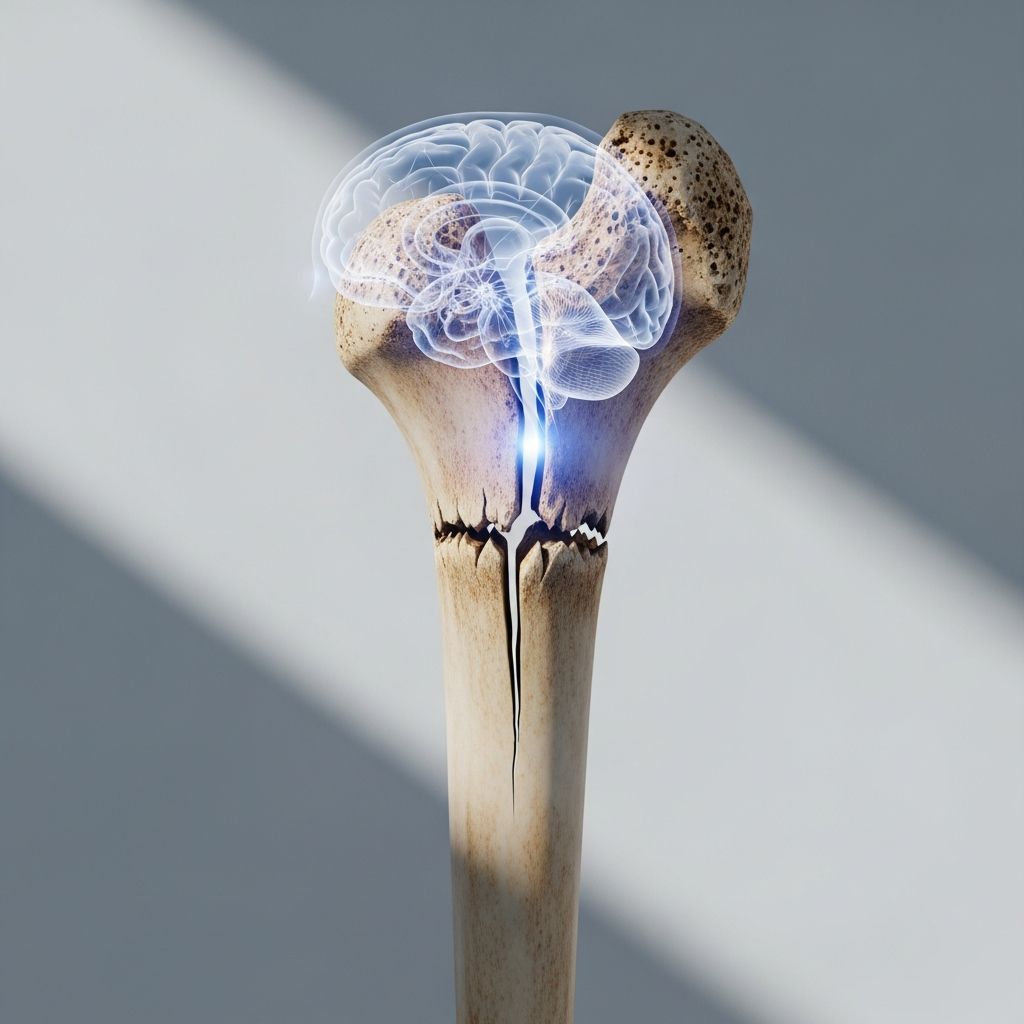
Individuals living with Parkinson’s disease (PD) encounter significant challenges beyond motor symptoms, including compromised bone health that elevates the risk of osteoporosis and fractures. Research consistently shows that PD patients have lower bone mineral density (BMD) and a substantially higher likelihood of bone breaks compared to age-matched healthy individuals.
The Intersection of Parkinson’s and Skeletal Fragility
Parkinson’s disease disrupts normal movement through symptoms like bradykinesia, rigidity, tremor, and postural instability, all of which contribute to frequent falls—a primary driver of fractures in this population. Over 90% of fractures in PD patients result from falls, making skeletal integrity a vital concern. Studies reveal that PD patients face more than double the fracture risk, with hip fractures occurring at four times the rate seen in the general elderly population.
Beyond falls, intrinsic factors like reduced BMD play a key role. A comprehensive meta-analysis of 23 studies found PD patients have a 2.61 times higher odds of osteoporosis and elevated osteopenia risk, with women particularly vulnerable (odds ratio 0.45 for males vs. females). BMD reductions are notable at critical sites: femoral neck (-0.08 g/cm²), lumbar spine (-0.09 g/cm²), and total hip (-0.05 g/cm²). These deficits persist even after adjusting for fall history, indicating PD-specific bone loss mechanisms.
Why Bones Weaken in Parkinson’s
Several interconnected factors explain the bone health decline in PD:
- Reduced Physical Activity: Rigidity and postural changes limit weight-bearing exercises essential for bone maintenance, leading to immobilization-related bone loss.
- Vitamin D Deficiency: Limited outdoor time and sunlight exposure, common due to mobility issues, cause hypovitaminosis D, impairing calcium absorption.
- Nutritional Gaps: Inadequate calcium intake exacerbates risks, particularly in advanced disease stages.
- Hormonal and Endocrine Shifts: Endocrine disruptions, including those from medications or disease progression, contribute to metabolic bone disease.
- Lean Body Mass Loss: Sarcopenia, or muscle wasting, correlates with osteoporosis severity in PD, as muscle mass supports bone strength.
- Medication Effects: Certain PD treatments may indirectly influence bone turnover, though evidence varies.
Advanced PD stages show greater BMD declines, especially at the lumbar spine and femoral neck, independent of disease duration in some cases. Women, older adults, those with low body weight, and smokers face compounded risks.
Fracture Risks and Consequences
Annually, about 10-15% of PD patients over 65 experience fractures, with hip and kneecap breaks most prevalent due to fall patterns. Post-fracture outcomes are dire: doubled mortality, prolonged recovery, mobility loss, and higher complication rates compared to non-PD peers.
| Fracture Type | Prevalence in PD | Risk Factors | Consequences |
|---|---|---|---|
| Hip Fracture | 4x higher than general population | Falls, low BMD, female sex | 35-40% mortality increase, repeat fractures |
| Kneecap (Patella) | Common and often missed | Direct impact from falls | Pain, delayed healing |
| Other (e.g., Spine, Wrist) | Elevated overall OR 2.28 | Postural instability | Reduced quality of life |
Related Stories



This table summarizes key fracture data, highlighting PD’s amplified dangers.
Screening and Diagnostic Approaches
Early detection is crucial yet underutilized in PD care. Dual-energy X-ray absorptiometry (DXA) scans effectively measure BMD at hip, spine, and forearm, guiding interventions despite infrequent changes in management. Guidelines recommend screening for all PD patients over 65, those with prior fractures, on steroids, or with fall history.
Fall risk assessments, including gait analysis and balance tests, complement BMD scans. Tools like the Hoehn and Yahr scale help stratify risks, as advanced stages correlate with worse bone metrics. Blood tests for vitamin D, calcium, and markers of bone turnover (e.g., parathyroid hormone) provide additional insights.
Strategies to Fortify Bone Strength
Exercise and Physical Therapy
Weight-bearing activities like walking, tai chi, or resistance training preserve BMD and reduce fall risks. Physical therapy targets posture, balance, and strength, countering rigidity-induced stooping. Occupational therapy aids daily activities to minimize injury.
Nutritional Interventions
Aim for 1,200 mg daily calcium from dairy, greens, or supplements, paired with 800-2,000 IU vitamin D. Sun exposure and fortified foods help address deficiencies prevalent in PD.
Pharmacological Options
Bisphosphonates like zoledronic acid (Reclast) show promise, reducing hip fractures by 35-40% and mortality by 28% in trials. These annual infusions suit PD patients with swallowing or adherence issues. Other agents like denosumab or teriparatide may apply based on individual profiles.
Lifestyle Modifications
- Optimize PD medications to improve mobility and reduce falls.
- Quit smoking and limit alcohol.
- Use assistive devices like walkers for stability.
- Regular posture evaluations to prevent deformities.
Management in Advanced Stages
In later PD, multidisciplinary care is essential. Geriatricians, endocrinologists, and neurologists collaborate on holistic plans. Post-fracture rehab emphasizes regaining independence, as PD patients face steeper recovery challenges. Ongoing monitoring prevents secondary fractures, a common sequela.
FAQs on Bone Health and Parkinson’s
Are all PD patients at risk for osteoporosis?
Yes, PD significantly raises osteoporosis odds (OR 2.61), especially in women and advanced cases, though individual risks vary.
How often should BMD be checked?
Annually or biennially for high-risk PD patients, per clinical guidance.
Can exercise reverse bone loss in PD?
Exercise maintains and slows bone loss but doesn’t fully reverse it; combine with nutrition and meds for best results.
Is vitamin D supplementation safe for PD?
Yes, it’s recommended to correct common deficiencies without notable interactions.
What if I fall frequently?
Prioritize fall prevention via therapy and meds; consult for BMD screening immediately.
Emerging Research and Future Directions
Recent studies emphasize lean mass preservation to combat osteoporosis and explore PD-specific treatments. Trials with zoledronic acid underscore pharmacologic potential, cutting fracture and death risks. Personalized approaches, factoring genetics and disease stage, promise better outcomes. Clinicians urge routine bone health integration into PD management to close treatment gaps.
References
- Bone health in Parkinson’s disease: a systematic review and meta-analysis — BMJ Publishing Group Limited. 2014-04-01. https://pubmed.ncbi.nlm.nih.gov/24620034/
- Skeletal & Bone Health – Parkinson’s — Parkinson’s Foundation. Accessed 2026. https://www.parkinson.org/understanding-parkinsons/non-movement-symptoms/bone-health
- Osteoporosis and Parkinson’s disease — PMC (National Library of Medicine). 2012. https://pmc.ncbi.nlm.nih.gov/articles/PMC3279061/
- Osteoporosis in Parkinson’s disease: Role of lean body mass — Frontiers in Endocrinology. 2024. https://www.frontiersin.org/journals/endocrinology/articles/10.3389/fendo.2024.1326212/full
- Assessing and managing bone health and fracture risk in Parkinson’s — Oxford Academic (Age and Ageing). 2025. https://academic.oup.com/ageing/article/54/3/afaf052/8086520
- Parkinson’s and bone health — Duke Department of Medicine. Accessed 2026. https://medicine.duke.edu/news/parkinsons-and-bone-health
- Bone Health and Parkinson’s Disease — APDA. Accessed 2026. https://www.apdaparkinson.org/article/bone-health-and-parkinsons-disease/
Similar Articles








Read full bio of Sneha Tete