Bone Marrow Biopsy: Purpose, Procedure, and Results
Complete guide to bone marrow biopsy: understanding the procedure, preparation, and diagnostic results.
Bone Marrow Biopsy: A Comprehensive Guide to the Diagnostic Procedure
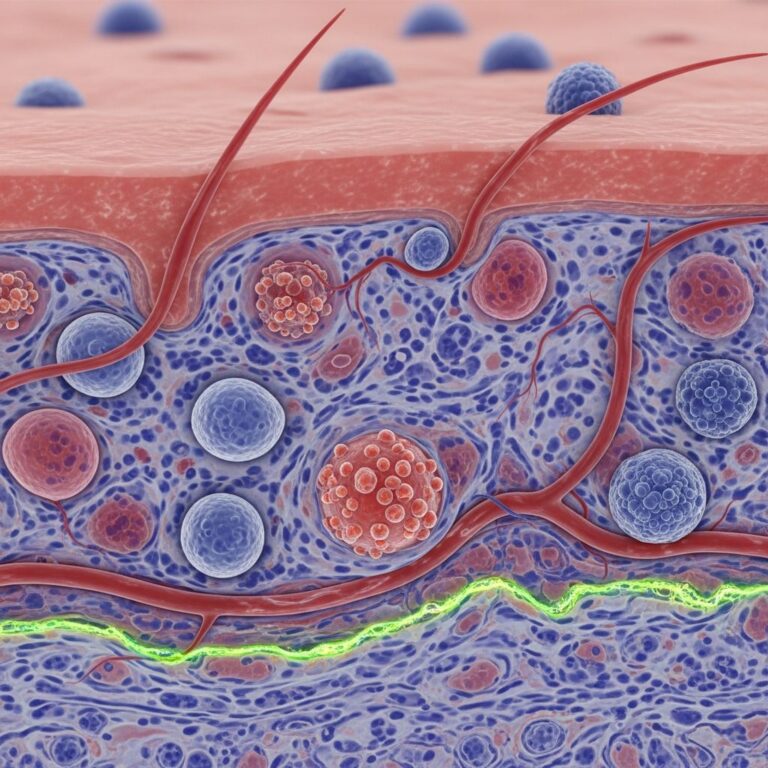
A bone marrow biopsy is a medical procedure used to collect and examine bone marrow samples, which is the spongy tissue found inside larger bones where blood cells are produced. This diagnostic test plays a crucial role in identifying various blood and bone marrow disorders, infections, and certain types of cancer. When combined with bone marrow aspiration, these procedures provide comprehensive information about bone marrow health and function.
Understanding Bone Marrow and Its Importance
Bone marrow is essential for maintaining overall health as it continuously produces red blood cells, white blood cells, and platelets. When doctors suspect problems with blood cell production or when patients have unexplained symptoms, a bone marrow biopsy becomes necessary. The procedure allows healthcare professionals to examine whether the bone marrow is producing adequate quantities of healthy blood cells and to identify any abnormal cells that might indicate disease.
Bone Marrow Biopsy vs. Bone Marrow Aspiration: Key Differences
While these terms are often used together, bone marrow biopsy and bone marrow aspiration are distinct procedures that serve complementary purposes.
Bone Marrow Aspiration
Bone marrow aspiration involves using a thin needle to withdraw a sample of the liquid portion of bone marrow. This procedure is typically performed first and provides information about the cells present in the liquid component. The aspiration process is relatively quick and may be performed alone in certain circumstances, though it is usually combined with biopsy for more comprehensive results.
Bone Marrow Biopsy
A bone marrow biopsy uses a larger, specially designed needle to extract a sample of solid bone marrow tissue, including the surrounding bone. This procedure captures the structure and composition of the bone marrow in a way that aspiration alone cannot achieve. The core tissue sample provides valuable information about bone marrow cellularity and architecture.
Conditions Diagnosed with Bone Marrow Biopsy
Healthcare providers order bone marrow biopsies to diagnose and monitor a wide range of conditions affecting blood and bone marrow function. These procedures are essential for identifying malignant and benign disorders.
Blood Cancers and Malignancies
Bone marrow biopsies are particularly important in diagnosing hematologic malignancies. These include leukemia, where abnormal white blood cells proliferate uncontrollably; lymphoma, affecting lymphoid tissues and bone marrow; and multiple myeloma, characterized by abnormal plasma cell growth. Other conditions include Ewing sarcoma, myelodysplastic syndromes, and Waldenstrom macroglobulinemia. Additionally, the procedure helps diagnose polycythemia vera and other myeloproliferative disorders.
Blood Cell Disorders
Various types of anemia, including aplastic anemia and other conditions causing low red blood cell counts, can be diagnosed through bone marrow examination. The procedure also helps evaluate abnormal blood cell counts, iron deficiency or overload, and other hematologic abnormalities that affect overall health.
Infections and Fever of Unknown Origin
When patients present with unexplained fevers or suspected infections that are difficult to diagnose through other means, bone marrow biopsy can provide critical diagnostic information by revealing infectious agents or abnormal immune responses within the bone marrow.
The Bone Marrow Biopsy Procedure: What to Expect
Timeline and Duration
Related Stories



The bone marrow examination typically takes between 10 to 20 minutes, though the total time spent at the medical facility may be considerably longer when accounting for preparation and post-procedure recovery. If intravenous sedation is used, additional time must be allocated for administration and monitoring.
Location and Medical Personnel
Bone marrow biopsies can be performed in hospitals, outpatient clinics, or doctor’s offices. Specialists who typically perform these procedures include hematologists (doctors specializing in blood disorders) and oncologists (cancer specialists). However, specially trained nurses may also perform bone marrow examinations under physician supervision.
Preparation for Your Bone Marrow Biopsy
Pre-Procedure Assessment
Before the procedure begins, your vital signs including blood pressure and heart rate will be checked to ensure you are in stable condition. Medical staff will review your medical history, current medications, and any allergies to help determine the appropriate anesthetic approach for your particular situation.
Anesthesia Options
Local anesthesia alone can be used to numb the biopsy site, allowing the procedure to be completed with minimal discomfort in most cases. However, many patients experience brief sharp pain during bone marrow aspiration despite local anesthesia. For patients with anxiety about pain or those who prefer additional comfort measures, intravenous sedation can be administered to provide light to moderate sedation during the procedure. Some patients may be completely sedated depending on their preference and medical status.
Positioning and Site Preparation
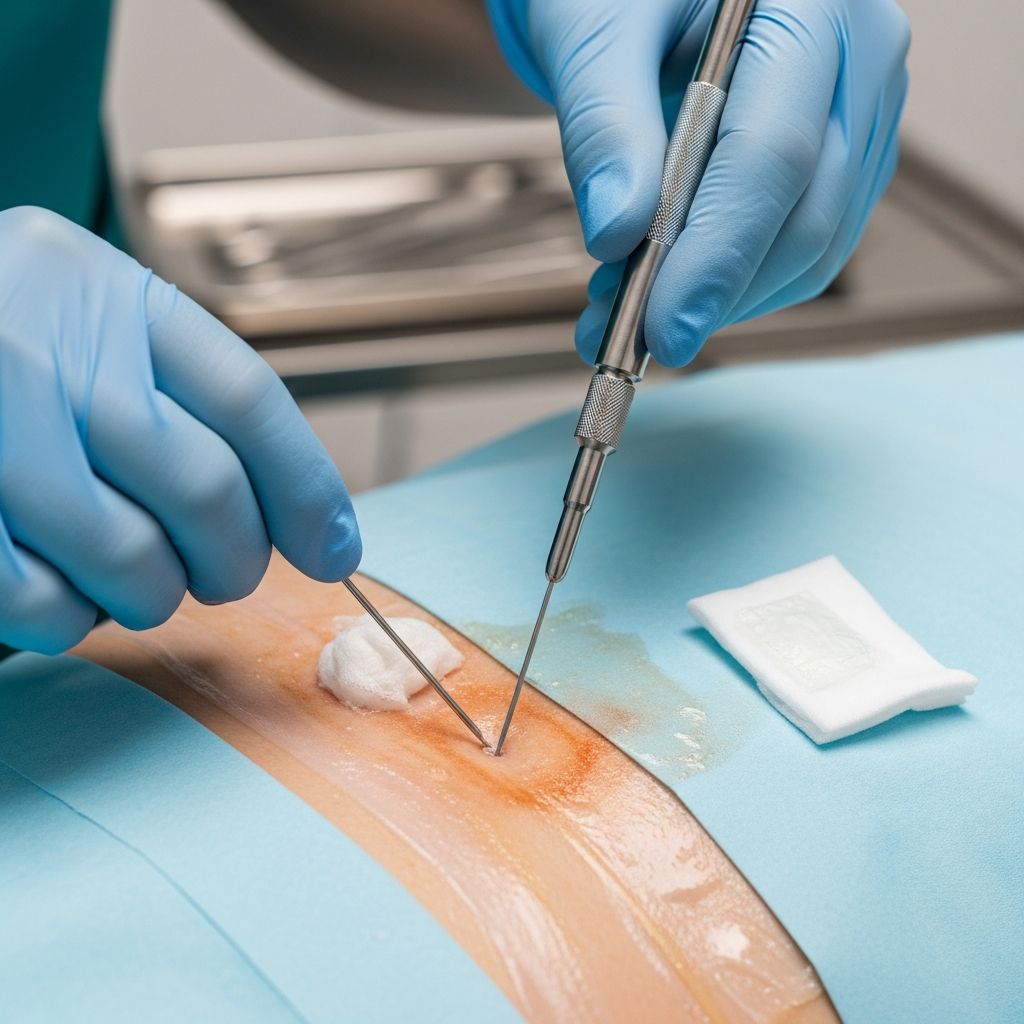
You will be asked to lie on your abdomen or side, and the procedure area will be draped with sterile cloth, leaving only the biopsy site exposed. The area where the needles will be inserted is marked and thoroughly cleaned with antiseptic solution to prevent infection.
The Bone Marrow Biopsy Procedure: Step-by-Step
Bone Marrow Aspiration Phase
The bone marrow aspiration is usually performed first. The healthcare provider makes a small incision in the skin to facilitate needle insertion. A hollow needle is then inserted through the skin and bone into the bone marrow cavity. Using a syringe attached to the needle, the provider withdraws a sample of the liquid portion of bone marrow. Patients may experience brief sharp pain or stinging sensation during this phase. The aspiration typically takes only a few minutes, and multiple samples may be collected depending on the tests required. The health care team verifies that the sample is adequate before proceeding. In rare cases where fluid cannot be withdrawn, the needle may be repositioned for another attempt.
Bone Marrow Biopsy Phase
Following the aspiration, if a biopsy is needed, the provider uses a larger, specially designed hollow needle to withdraw a cylindrical core sample of solid bone marrow tissue. This needle is specifically engineered to collect intact tissue cores that preserve the bone marrow’s cellular architecture.
Common Biopsy Sites
Most commonly, bone marrow samples are collected from the top ridge of the back of the hipbone, also known as the posterior iliac crest. Occasionally, the front of the hip may be used as an alternative site. Rarely, bone marrow aspiration alone may be collected from the breastbone. In young children under 12 to 18 months of age, the lower leg bone may be used as an alternative collection site.
After Your Bone Marrow Biopsy
Immediate Post-Procedure Care
After the samples are collected, pressure will be applied to the biopsy site to control bleeding, followed by the application of a sterile bandage. If you received only local anesthesia, you will be asked to lie on your back for 10 to 15 minutes while pressure is maintained on the biopsy site. This resting period allows initial hemostasis and reduces the risk of continued bleeding from the puncture site.
Recovery and Activity
Most patients can leave the medical facility and return to normal activities as soon as they feel comfortable doing so. There are typically no significant restrictions on activity following the procedure, though some providers recommend avoiding strenuous exercise for the remainder of the day. Minor soreness or bruising at the biopsy site is normal and generally resolves within a few days.
Understanding Your Bone Marrow Biopsy Results
Laboratory Analysis Process
Your bone marrow samples are sent to a laboratory where a specialist in analyzing tissue samples, called a pathologist or hematopathologist, carefully examines them under a microscope. The specialist evaluates whether the bone marrow is producing adequate quantities of healthy blood cells and searches for any abnormal cells that might indicate disease.
Timeline for Results
Your doctor typically provides results within a few days, though some complex cases may require longer for complete analysis and special testing. Additional studies such as flow cytometry, cytochemical stains, or molecular testing may extend the timeline for final results.
What Your Results Mean
Bone marrow biopsy results can help your doctor accomplish several important clinical goals. The results can confirm or rule out specific diagnoses, determine the stage or severity of an existing disease, and evaluate how well current treatments are working. Based on your specific results, your healthcare provider may recommend follow-up tests or adjustments to your treatment plan.
Risks and Considerations
Common Side Effects
Most patients experience minimal side effects from bone marrow biopsy. Minor bruising, soreness, or swelling at the biopsy site is common and typically resolves within several days. Some patients report discomfort or a sensation of pressure during the procedure despite anesthesia.
Rare Complications
Serious complications are uncommon but can include infection at the biopsy site, prolonged bleeding, or rarely, damage to structures beneath the puncture site. Patients taking blood thinners should inform their healthcare provider before the procedure, as special precautions may be necessary.
Frequently Asked Questions About Bone Marrow Biopsy
Q: Is bone marrow biopsy painful?
A: The procedure may cause brief, sharp pain or pressure sensations during bone marrow aspiration, even with local anesthesia. Many patients opt for intravenous sedation to minimize discomfort. Post-procedure soreness is typically mild and manageable with over-the-counter pain relievers if needed.
Q: How long does a bone marrow biopsy take?
A: The actual procedure typically takes 10 to 20 minutes, though total time at the medical facility may be longer when accounting for preparation, anesthesia administration, and post-procedure recovery and monitoring.
Q: Can I eat or drink before my bone marrow biopsy?
A: If you are receiving intravenous sedation, you will typically need to fast for several hours before the procedure. Your healthcare provider will give you specific fasting instructions based on the type of anesthesia planned. If only local anesthesia is used, fasting may not be necessary.
Q: How often do bone marrow biopsies need to be repeated?
A: The frequency of repeat bone marrow biopsies depends on your specific condition and treatment plan. Some patients may have follow-up biopsies to monitor disease progression or treatment response, while others may need only the initial diagnostic biopsy.
Q: What should I do if I experience complications after my biopsy?
A: Contact your healthcare provider immediately if you experience excessive bleeding, signs of infection (fever, increasing redness or warmth at the site), severe pain, or any other concerning symptoms following your bone marrow biopsy.
Q: Are there alternatives to bone marrow biopsy?
A: In some cases, blood tests alone may provide sufficient diagnostic information. However, when blood tests are inconclusive or specific bone marrow evaluation is needed, bone marrow biopsy remains the gold standard diagnostic procedure. Your healthcare provider will determine whether bone marrow examination is necessary for your situation.
References
- Bone Marrow Biopsy and Aspiration — Mayo Clinic. 2023. https://www.mayoclinic.org/tests-procedures/bone-marrow-biopsy/about/pac-20393117
- Bone Marrow Biopsy and Aspiration — American Cancer Society. 2024. https://www.cancer.org/cancer/diagnosis-staging/tests/biopsy-and-cytology-tests/bone-marrow-biopsy-and-aspiration.html
- Bone Marrow Testing Methods and Standards — Johns Hopkins Medicine Pathology. 2024. https://pathology.jhu.edu/test-directory/
Similar Articles








Read full bio of medha deb