Bone Marrow: What It Is and Why It Matters
Understanding bone marrow: the vital tissue producing blood cells and supporting your body's health.
Understanding Bone Marrow: The Foundation of Your Blood System
Bone marrow is the soft, spongy tissue found inside your bones that plays one of the most critical roles in maintaining your overall health. While many people are aware that bones provide structural support for the body, fewer understand that bone marrow is equally vital for survival. This specialized tissue is responsible for producing the blood cells and platelets that circulate through your body, delivering oxygen, fighting infections, and enabling countless essential biological processes.
Often described as the body’s blood-making factory, bone marrow contains millions of stem cells that continuously divide and differentiate into various types of blood cells. Without healthy, functioning bone marrow, your body cannot produce the cells necessary for oxygen transport, immune function, and clotting—all functions that are absolutely critical for life itself.
What Exactly Is Bone Marrow?
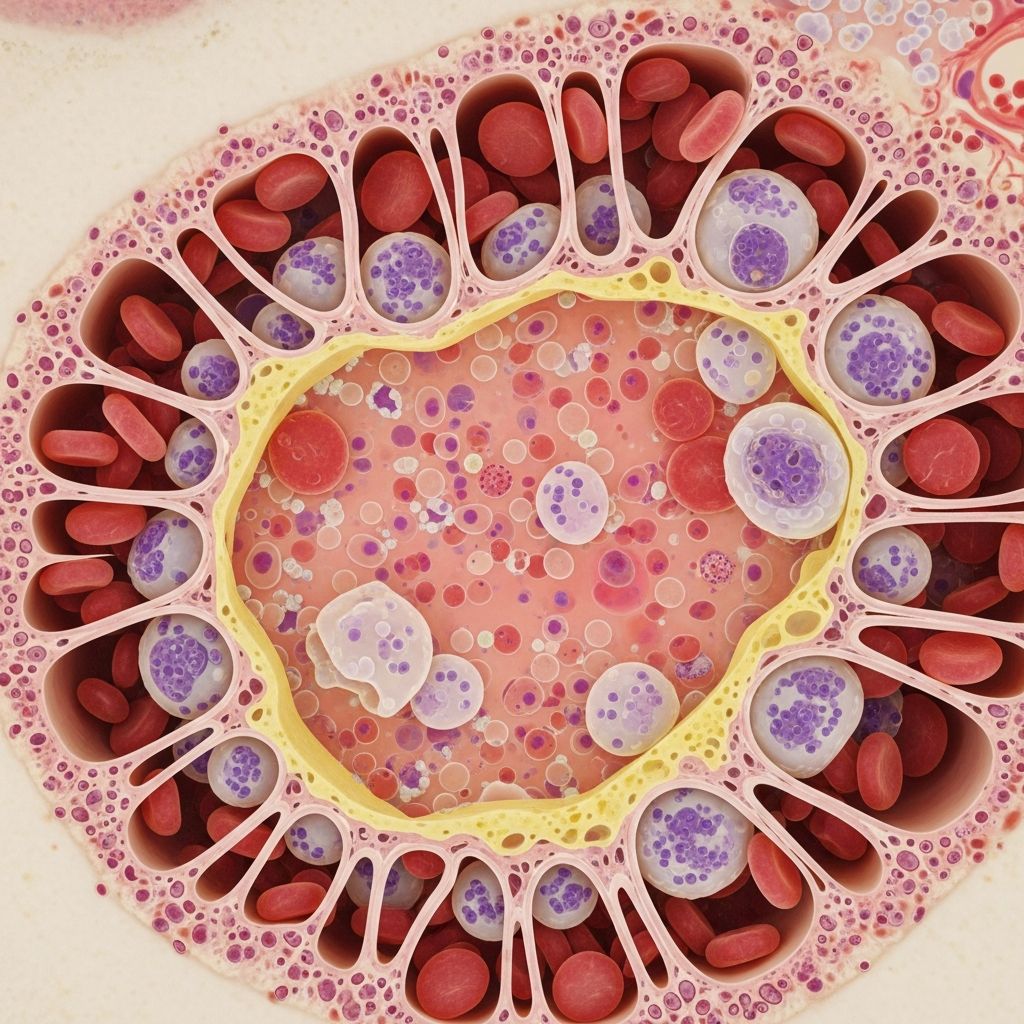
Bone marrow is a gelatinous substance composed primarily of fat, water, and specialized stem cells. It occupies the hollow spaces within certain bones throughout your body, particularly in the pelvis, ribs, breastbone, spine, and the ends of long bones like the femur and humerus. The tissue has a distinctive soft, fatty texture that differs dramatically from the hard mineral structure of bone itself.
The primary component of bone marrow is stem cells—undifferentiated cells that possess the remarkable ability to transform into various specialized cell types. These stem cells are the foundation of marrow’s life-sustaining functions. They exist in a state of plasticity, meaning they can develop into different cell types depending on the body’s needs and environmental signals.
Types of Bone Marrow
Bone marrow exists in two distinct forms, each with different compositions and functions. Understanding these two types provides insight into how bone marrow contributes to your body’s diverse needs.
Red Bone Marrow
Red bone marrow, also called active marrow, is responsible for hematopoiesis—the process of creating blood cells. This type of marrow appears red or reddish-brown due to its rich vascularization and high concentration of blood-forming cells. Red bone marrow contains hematopoietic stem cells that continuously produce three main types of blood cells: red blood cells (erythrocytes), white blood cells (leukocytes), and platelets (thrombocytes).
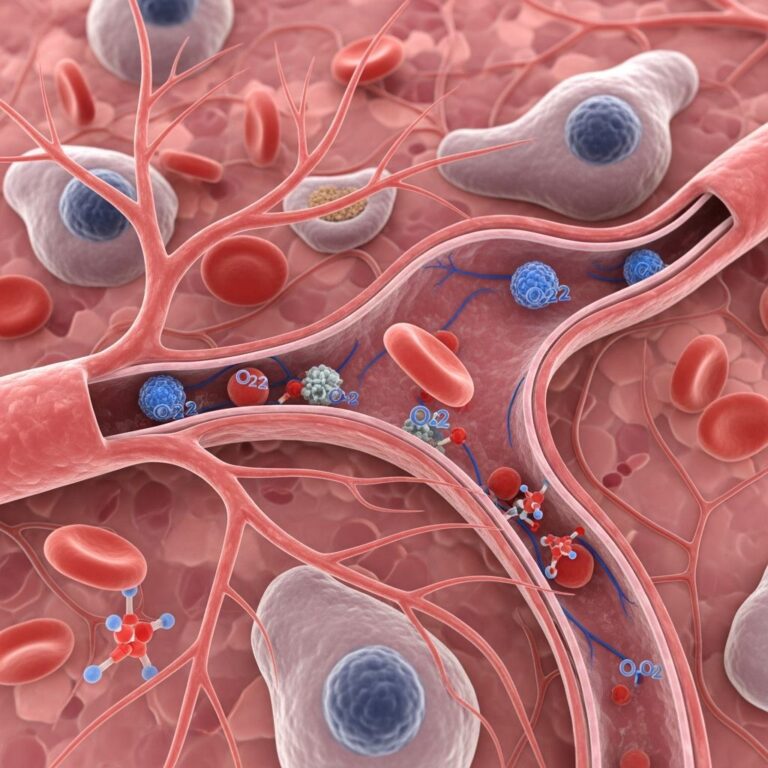
Red blood cells transport oxygen throughout your body by binding to hemoglobin, a protein that carries oxygen from your lungs to tissues. White blood cells form the cornerstone of your immune system, identifying and eliminating pathogens like bacteria and viruses. Platelets, though not technically cells but rather cell fragments, enable blood clotting to prevent excessive bleeding when you’re injured.
In infants and young children, most bones contain red marrow. However, as people age, much of the red marrow is gradually replaced by yellow marrow, remaining primarily in the pelvis, spine, and skull in adults.
Yellow Bone Marrow
Yellow bone marrow consists predominantly of fat cells, with fewer active blood-forming cells than red marrow. It derives its name from the yellowish appearance caused by stored lipids. While yellow marrow is less metabolically active than red marrow, it still contains stem cells capable of differentiating into bone and cartilage cells, supporting skeletal health and repair.
Yellow marrow serves as an energy reserve for the body and can potentially revert to red marrow if the body experiences severe blood loss or other conditions requiring increased blood cell production. This plasticity demonstrates the remarkable adaptability of bone marrow tissue.
Related Stories



Functions of Bone Marrow
Blood Cell Production
The primary function of bone marrow is producing the approximately two million blood cells your body needs every single second. Red bone marrow accomplishes this through a carefully regulated process involving hematopoietic stem cells that undergo multiple divisions and differentiations. This continuous production ensures that your blood maintains adequate quantities of all cell types to meet your body’s oxygen delivery, immune, and hemostatic needs.
Immune Function Support
Beyond producing white blood cells directly, bone marrow produces B lymphocytes and T cell precursors that are essential for adaptive immunity. B cells mature in the bone marrow and produce antibodies that neutralize pathogens, while T cell precursors migrate to the thymus for further development. This bone marrow contribution to immune development makes it fundamental to your body’s ability to fight infections.
Platelet and Clotting Support
Bone marrow produces megakaryocytes, the cells that fragment to create platelets. These platelets are crucial for hemostasis—the process that stops bleeding by forming clots at wound sites. Without adequate platelet production from bone marrow, even minor injuries can result in excessive bleeding.
Bone and Cartilage Maintenance
Yellow bone marrow contains mesenchymal stem cells (MSCs) that differentiate into osteoblasts for bone formation and chondrocytes for cartilage maintenance. These cells support the continuous remodeling and repair of skeletal tissue throughout life, maintaining bone strength and structure.
Bone Marrow Disorders and Diseases
When bone marrow function becomes compromised, serious health consequences can develop. Several conditions directly affect bone marrow’s ability to produce healthy blood cells.
Leukemia
Leukemia represents one of the most serious bone marrow disorders. This blood and bone marrow cancer occurs when a genetic mutation causes cells within bone marrow to multiply uncontrollably. As mutated cells proliferate, they crowd out healthy blood cell production, resulting in anemia, infections, and bleeding problems. Leukemia can be acute or chronic and affects both children and adults.
Bone Marrow Failure Syndromes
Conditions such as aplastic anemia involve bone marrow’s inability to produce adequate quantities of blood cells. This can result from various causes including chemotherapy, radiation, certain medications, infections, or autoimmune conditions. Bone marrow failure leads to anemia, recurrent infections, and bleeding complications.
Myelodysplastic Syndromes
These disorders involve abnormal development of blood cells in bone marrow, resulting in dysfunctional cells that may function poorly or potentially transform into leukemia. Myelodysplastic syndromes are more common in older adults and can cause various complications depending on which cell lines are affected.
Bone Marrow Medical Procedures
Bone Marrow Aspiration and Biopsy
When healthcare providers need to diagnose bone marrow disorders, they may perform a bone marrow aspiration or biopsy. These procedures involve extracting a small sample of marrow tissue, typically from the pelvis, for laboratory analysis. The sample allows doctors to examine cell production, identify abnormalities, and diagnose conditions like leukemia, lymphoma, infections, or bone marrow failure.
Bone Marrow Transplantation
Bone marrow transplantation, also called hematopoietic stem cell transplantation, involves replacing damaged or diseased bone marrow with healthy stem cells. These healthy cells can come from a matching donor or from the patient’s own previously harvested marrow. Transplantation treats various blood disorders, leukemias, lymphomas, and certain genetic conditions by restoring the recipient’s ability to produce healthy blood cells.
Bone Marrow Concentrate Therapy
Emerging therapies now utilize bone marrow aspirate concentrate (BMAC), which concentrates healing stem cells and growth factors from a patient’s own bone marrow. These concentrated solutions are injected into damaged tissues to promote repair and regeneration in musculoskeletal injuries and degenerative conditions. This represents an innovative application of bone marrow’s regenerative potential beyond blood cell production.
Age-Related Changes in Bone Marrow
Bone marrow composition and function change significantly throughout life. In newborns and infants, essentially all bone marrow is red and actively producing blood cells. As children grow and mature, red marrow gradually converts to yellow marrow in many bones, though red marrow remains in the pelvis, spine, ribs, and skull throughout adulthood.
This gradual conversion reflects the body’s changing needs—as individuals mature, the rate of blood cell production requirements stabilizes at lower levels than during rapid childhood growth. However, the remaining red marrow maintains sufficient capacity to produce all necessary blood cells throughout life.
With advanced age, bone marrow may show decreased function, producing fewer blood cells and potentially showing changes in immune function. Some blood cancers become more common with age, partly due to accumulated mutations in bone marrow cells. Despite these age-related changes, most people maintain adequate bone marrow function throughout their lives.
Protecting Your Bone Marrow Health
Maintaining healthy bone marrow requires attention to overall health and avoiding factors that damage marrow function. Several lifestyle and medical considerations contribute to bone marrow health:
– Maintaining a nutritious diet rich in vitamins, minerals, and proteins necessary for cell production- Avoiding tobacco use and limiting alcohol consumption, which can damage bone marrow- Minimizing unnecessary exposure to radiation and certain chemicals- Managing chronic conditions like diabetes that can affect marrow function- Following medical recommendations for cancer screening and prevention- Getting regular exercise, which supports overall bone and marrow health- Managing stress, which influences immune function and blood cell production
Frequently Asked Questions About Bone Marrow
Q: How much bone marrow does an adult have?
A: Adults have approximately 2.6 kilograms (5.7 pounds) of bone marrow throughout their skeleton. The exact amount varies based on body size and composition, with larger individuals having proportionally more marrow tissue.
Q: Can bone marrow regenerate after donation?
A: Yes, bone marrow has remarkable regenerative capacity. After a bone marrow donation or aspiration, the marrow regenerates within a few weeks. Donors typically recover completely with no long-term effects from the donation procedure.
Q: What is the lifespan of cells produced by bone marrow?
A: Red blood cells typically live approximately 120 days, white blood cells generally survive from a few days to several years depending on type, and platelets circulate for about 7 to 10 days before being replaced.
Q: How is bone marrow cancer different from other cancers?
A: Bone marrow cancers like leukemia originate in the blood-forming cells themselves, affecting blood cell production systemically. This differs from solid tumors that develop in specific organs and may spread secondarily to bone marrow.
Q: Can you live without bone marrow?
A: No, you cannot survive without functional bone marrow. It is absolutely essential for continuous blood cell production. However, patients with marrow failure can receive transplants or other treatments to restore function.
Q: What role does bone marrow play in immunity?
A: Bone marrow produces white blood cells including B lymphocytes that mature in the marrow and contribute directly to antibody production, as well as T cell precursors that migrate to the thymus for development into crucial immune cells.
References
- Bone Marrow Aspirate Concentrate (BMAC): Procedure — Cleveland Clinic. 2024. https://my.clevelandclinic.org/health/procedures/bone-marrow-concentrate-bmc
- Bone Marrow: What it is & Why it is Important — Cleveland Clinic. 2024. https://my.clevelandclinic.org/health/body/22818-bone-marrow
- Stem Cell (Bone Marrow) Transplant — Cleveland Clinic. 2024. https://my.clevelandclinic.org/health/treatments/22567-stem-cell-transplants
- Effect of the Use and Timing of Bone Marrow Mononuclear Cell Infusion Following Acute Myocardial Infarction — National Center for Biotechnology Information (NCBI). 2012. https://pmc.ncbi.nlm.nih.gov/articles/PMC3652242/
- Bone Marrow Stem Cells Improve Heart Function, Study Finds — Mayo Clinic Newsnetwork. 2012. https://newsnetwork.mayoclinic.org/discussion/bone-marrow-stem-cells-improve-heart-function-study-finds/
Similar Articles








Read full bio of medha deb