Bone Scan: Purpose, Procedure, and Results
Comprehensive guide to bone scans: How nuclear imaging detects bone disease and injury.
Understanding Bone Scans
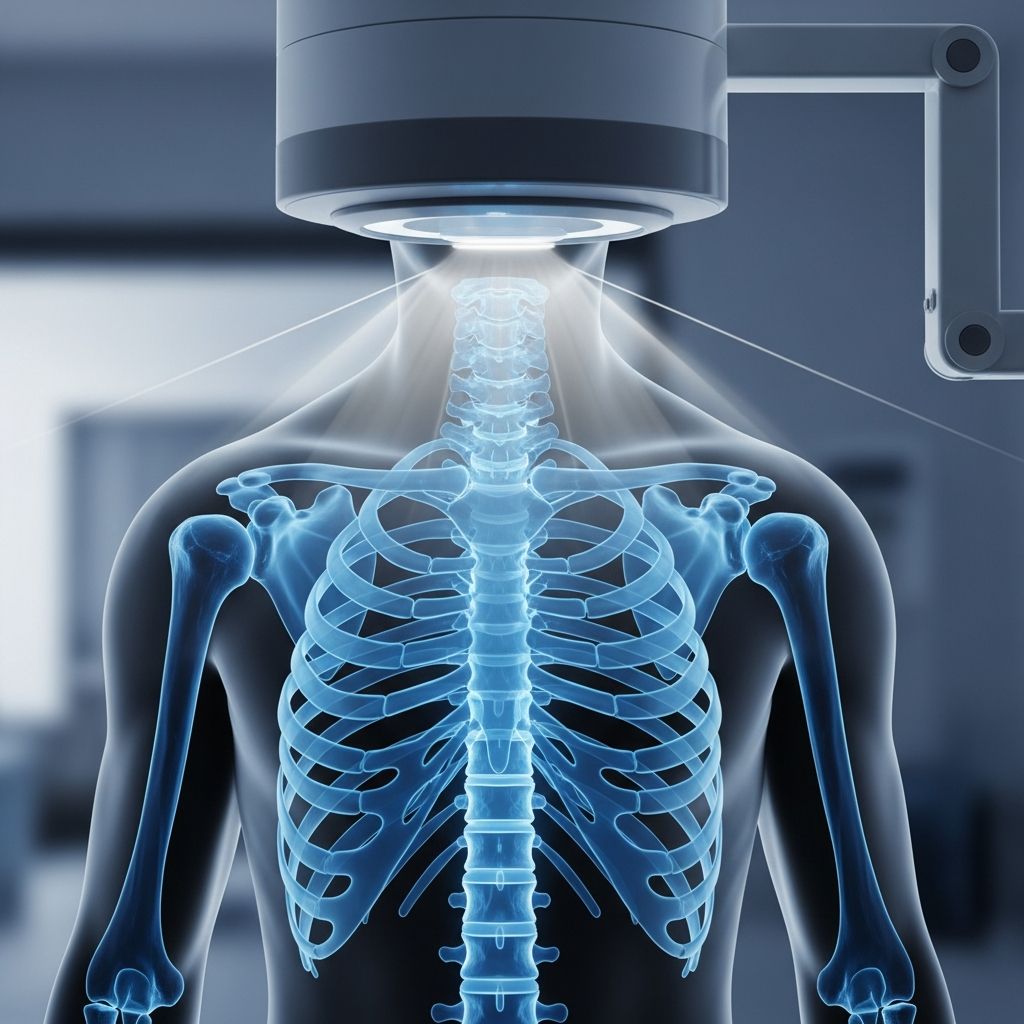
A bone scan, also known as skeletal scintigraphy, is a specialized nuclear medicine imaging test used to diagnose and evaluate various bone diseases and conditions. This diagnostic procedure uses small amounts of radioactive material, called radiotracers or radioisotopes, to create detailed images of your skeletal system. Unlike conventional X-rays that show bone structure, bone scans detect molecular activity and metabolic changes within bones, making them particularly valuable for identifying disease in its earliest stages.
The procedure is painless, safe for most people, and provides physicians with critical information about bone health that may not be visible on standard imaging. Healthcare providers frequently order bone scans when they need to assess unexplained bone pain, suspect bone infections, evaluate cancer spread, or monitor treatment effectiveness.
How Bone Scans Work
The bone scan process relies on the body’s natural bone metabolism to identify abnormal areas. When a radiotracer is injected into your bloodstream, it travels throughout your body and accumulates in bones with increased metabolic activity. Areas of active bone turnover—whether from disease, infection, fracture, or cancer—attract more radiotracer than normal bone tissue, creating “hot spots” that appear brightly on imaging.
The most commonly used radiotracer is Technetium-99m (Tc99m), which is complexed to a diphosphonate compound such as methylene diphosphonate (MDP) or hydroxydiphosphonate (HDP). This radioactive material emits gamma rays that are detected by a specialized camera called a gamma camera. The camera and computer work together to convert the radiation signals into detailed images showing the distribution of the radiotracer throughout your skeleton.
Why Your Doctor Might Order a Bone Scan
Physicians recommend bone scans for numerous clinical scenarios. Your doctor may order this test to:
- Find bone cancer or determine whether cancer from another area of your body has spread to the bones
- Diagnose the cause or location of unexplained bone pain, particularly persistent lower back pain
- Detect bone infections (osteomyelitis) with high sensitivity
- Identify fractures that don’t appear clearly on X-rays, such as hip fractures or stress fractures
- Evaluate metabolic bone disorders including osteoporosis, osteomalacia, and Paget disease
- Assess bone graft viability after surgical procedures
- Diagnose complex regional pain syndrome
- Evaluate arthritides and joint problems
- Screen for child abuse by detecting occult fractures
- Monitor treatment effectiveness for known bone conditions
What to Expect During Your Bone Scan
Before the Procedure
Before your bone scan appointment, you’ll receive specific preparation instructions from your healthcare facility. Generally, you should wear comfortable, loose-fitting clothing without metal fasteners or jewelry, as these can interfere with imaging. If metal is present, you’ll be asked to remove it or change into a hospital gown. There are typically no dietary restrictions, and you can continue taking your regular medications unless instructed otherwise.
Injection Phase
Upon arrival, a technologist will start an intravenous (IV) line in your hand or arm. A very small amount of radioactive tracer—roughly equivalent to the radiation exposure of a standard X-ray—will be injected into your vein. You will not be hazardous to other people following the injection, as the tracer delivers minimal radiation. After injection, the tracer begins its journey through your bloodstream to your bones.
Related Stories



Waiting Period
Following the injection, you’ll typically wait one to three hours while the radiotracer accumulates in your bone tissue. This waiting period is called the “uptake phase.” During this time, you may be encouraged to drink four to six glasses of water to help flush excess tracer from your body that doesn’t accumulate in bones. You’ll also be asked to empty your bladder before the actual scan begins. Depending on your facility, you may be able to walk around, read, or even leave the facility during this waiting period.
Imaging Phase
When the uptake period is complete, you’ll be positioned on a scanning table, typically lying flat on your back. The gamma camera will slowly move over and around your body, detecting gamma rays emitted by the radiotracer in your bones. The entire full-body scan typically takes about one hour to complete. You may need to change positions during the scan to obtain different views of your skeleton. While the scan itself causes no pain, lying still for an extended period might feel uncomfortable, particularly if you have a recent injury or surgery. The technologist will use comfort measures and work efficiently to minimize any discomfort.
After the Procedure
Once scanning is complete, your IV line will be removed, and you can resume normal activities immediately. The radiotracer will naturally leave your body through urine and bowel movements over the next 24 to 48 hours. You should drink plenty of fluids to help eliminate the remaining radioactive material. The procedure causes no lasting side effects, and you’ll experience no residual effects from the radioactive material.
Three-Phase Bone Scans
For certain clinical situations, physicians may order a three-phase bone scan, which provides more detailed information than a standard scan. This variation includes three distinct imaging phases:
- Flow Phase (Early Phase): Images are captured immediately after radiotracer injection to assess blood flow to the skeletal structures
- Blood Pool Phase (Soft Tissue Phase): Images obtained shortly after injection assess soft tissue activity and hyperemia (increased blood flow), showing extravasation of radiotracer
- Delayed Phase: Images performed two to six hours after injection reflect bone turnover rates and are used to evaluate for osteomyelitis, prosthesis infection, loosening, and complex regional pain syndrome
Understanding Your Bone Scan Results
Normal Results
A normal bone scan shows radiotracer distributed evenly throughout all bones in your skeleton. The uptake appears uniform, with no focal areas of increased or decreased activity. Normal kidneys should be visible on every bone scan; if kidneys are not seen, a “superscan” pattern should be suspected, indicating diffuse increased bone uptake.
Abnormal Findings
Abnormal bone scans reveal areas of increased or decreased radiotracer uptake. “Hot spots” indicate areas of increased bone metabolism where disease, infection, or injury is present. Common abnormal findings include:
- Metastatic Disease: Most frequently occurs in the axial skeleton and proximal appendicular structures corresponding with red marrow sites
- Stress Fractures: Commonly seen in lower body locations such as the tibia, metatarsals, and femoral necks
- Avascular Necrosis: Particularly concerning in patients with sickle cell disease or those on chronic steroid therapy
- Osteomyelitis: Bone infections typically show increased uptake, with sensitivity up to 94%
- Incidental Soft Tissue Uptake: May represent occult malignancy such as breast cancer, malignant pleural effusion, or soft tissue sarcoma
Bone Scan Sensitivity and Specificity
The diagnostic accuracy of bone scans varies depending on clinical context. For osteomyelitis detection, bone scans demonstrate excellent sensitivity of up to 94%, providing an outstanding negative predictive value—meaning a normal scan reliably excludes infection. However, in patients with underlying bone lesions, hardware, recent fractures, or post-surgical changes, specificity can decrease significantly to as low as 34%, necessitating supplementary imaging when results are positive.
Advantages and Limitations
Advantages
- Early detection of primary bone cancers and metastatic disease spread
- Excellent negative predictive value for bone infections
- Painless procedure with no sedation required for most patients
- Free from acute or long-term side effects
- Detects molecular changes before structural changes appear on X-rays
- Whole-body assessment in single imaging study
Limitations
While bone scans provide valuable diagnostic information, they have certain limitations. The test shows areas of abnormal activity but does not definitively identify the cause of that activity. A positive finding requires follow-up evaluation with other imaging modalities such as X-ray, computed tomography (CT), or magnetic resonance imaging (MRI) to determine the specific diagnosis. Additionally, specificity can be compromised in patients with pre-existing bone conditions, recent surgery, or hardware implants.
Safety and Radiation Exposure
Bone scans are considered safe procedures with minimal radiation exposure. The amount of radioactive tracer used is very small and delivers less radiation than a standard X-ray. The radioactive material is specifically designed to concentrate in bone tissue, minimizing exposure to other organs. The procedure is appropriate for most patients, including those who cannot undergo MRI due to metallic implants.
Pregnant patients should inform their healthcare provider before the procedure, as the test is typically deferred during pregnancy. Breastfeeding mothers may need temporary feeding interruptions following the scan, though this depends on the specific facility’s protocols and the radiotracer used.
Complementary Imaging Studies
Bone scans are frequently used alongside other imaging modalities to provide comprehensive evaluation. X-rays may precede bone scans to evaluate gross structural abnormalities. When a bone scan identifies an area of concern, follow-up CT or MRI imaging helps determine the specific diagnosis and guides treatment planning. This multimodal approach ensures accurate diagnosis and appropriate clinical management.
Frequently Asked Questions
Q: How long does a bone scan take?
A: The entire procedure, including injection and scanning, typically takes about one hour for a full-body scan. However, you should plan for additional time for check-in and preparation, making your total appointment time two to three hours.
Q: Is a bone scan painful?
A: No, the bone scan itself is painless. You may experience mild discomfort from the IV injection or from lying still for extended periods, particularly if you have a recent injury or surgery.
Q: When will I receive my results?
A: A radiologist will review your bone scan images and prepare a report, typically within 24 hours. Your healthcare provider will discuss the results with you and explain what they mean for your diagnosis and treatment plan.
Q: Can I drive after my bone scan?
A: Yes, you can drive immediately after your bone scan. The procedure has no lingering effects, and sedation is rarely necessary.
Q: What should I do after my bone scan?
A: After your scan, drink plenty of fluids to help flush the remaining radioactive material from your body. Resume normal activities as tolerated. The radiotracer will naturally leave your system within 24 to 48 hours through urine and bowel movements.
References
- Bone Scan — National Center for Biotechnology Information (NCBI) Bookshelf, StatPearls. 2024. https://www.ncbi.nlm.nih.gov/books/NBK531486/
- Bone Scan — MedlinePlus Medical Encyclopedia, National Library of Medicine. 2024. https://medlineplus.gov/ency/article/003833.htm
- Bone Scan — Radiology Info, Radiological Society of North America. 2024. https://www.radiologyinfo.org/en/info/bone-scan
- Bone Scan — UMass Memorial Health. 2024. https://www.ummhealth.org/health-library/bone-scan
- Bone Scan — Canadian Cancer Society. 2024. https://cancer.ca/en/treatments-tests-and-procedures/bone-scan
Similar Articles








Read full bio of Sneha Tete