Bone Spurs (Osteophytes): Causes, Symptoms & Treatment
Understanding bone spurs: What causes them, symptoms to watch for, and effective treatment options available.
What Are Bone Spurs (Osteophytes)?
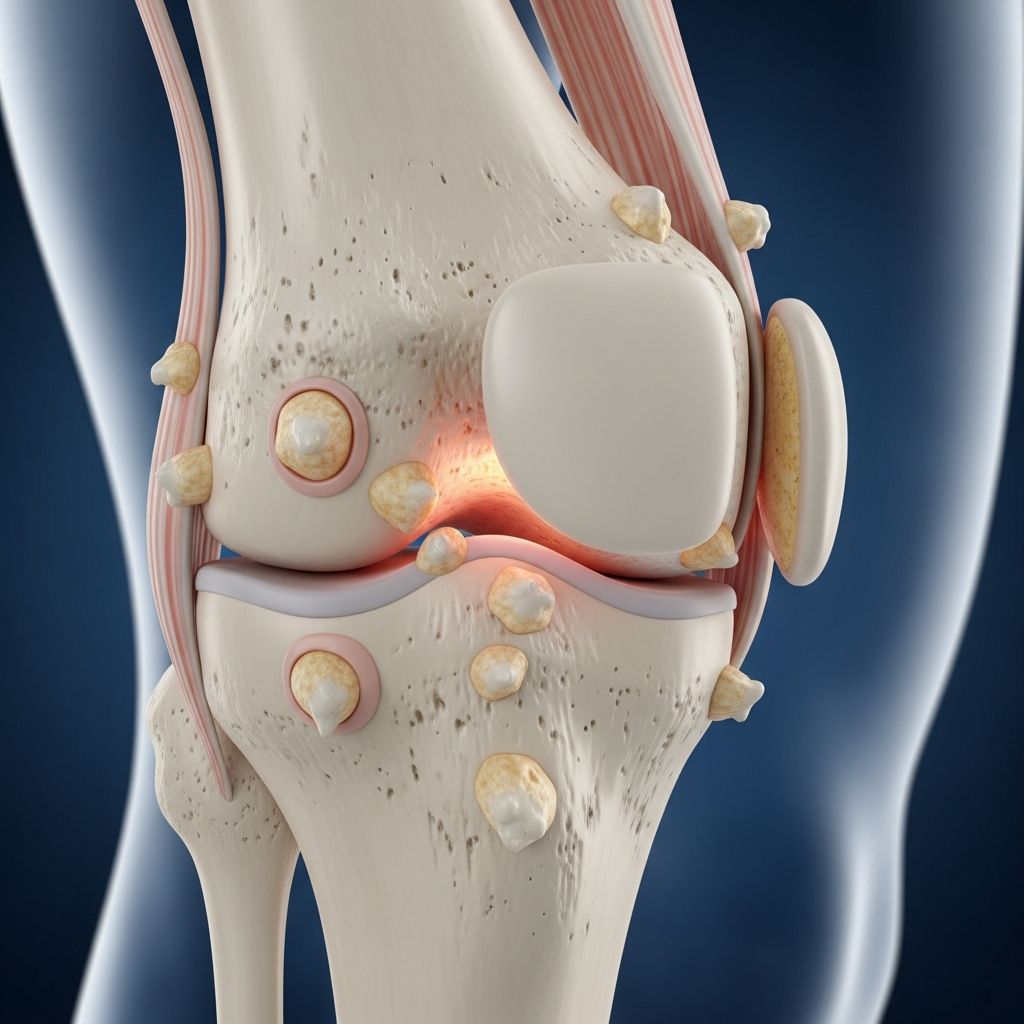
Bone spurs, medically known as osteophytes, are extra growths of bone tissue that appear as smooth lumps on the outsides of your bones. Despite their name, bone spurs are not sharp or spiky projections. Instead, they form smooth, hard outgrowths that develop over time along the edges of bones, most commonly at joints where two or more bones meet.
These bony growths are remarkably common and often don’t cause any problems at all. Many people discover they have bone spurs accidentally when getting X-rays for unrelated reasons. However, when bone spurs do cause symptoms, they may irritate soft tissues, interfere with joint movement, or put pressure on nearby nerves, requiring medical attention and treatment.
Bone spurs tend to occur on bones that experience significant stress, such as your spine or heels, as well as at joints and sites where tendons or ligaments attach to the bone. The formation of bone spurs is typically your body’s attempt to repair tissue damage near the bone or respond to ongoing stress on the joint.
Understanding Osteophyte Formation
The process by which bone spurs develop is called osteophytosis. This process begins when your bones or the tissues surrounding them become damaged and require repair. In response to this damage or stress, your body sometimes creates new bone tissue to replace or reinforce damaged areas, essentially forming a bony scar that serves a protective function.
When your body detects damage to bone, ligaments, or tendons from an injury, it interprets this as bone damage and attempts to fix the perceived problem by adding extra bone to the injured area. Over time, repeated stress on a joint or gradual wear and tear can trigger similar responses, leading to osteophyte development. This is why bone spurs are commonly associated with chronic conditions and aging.
What Causes Bone Spurs?
Bone spurs develop due to various factors, often related to how your body responds to stress, injury, or degenerative changes. Understanding these causes can help you take preventive measures and manage your risk factors effectively.
Primary Causes of Osteophyte Development
In general, bone spurs happen when your bones or the tissues around them are damaged and in need of repair. The following factors commonly contribute to bone spur formation:
– Aging and age-related wear and tear on joints- Disc and/or joint degeneration- Hereditary predisposition to bone spur development- Poor nutrition affecting bone health- Injuries, including sports-related injuries and traffic accidents- Overuse of joints and repetitive stress- Poor posture over extended periods- Obesity and excess weight on joints- Birth defects affecting bone structure- Previous injuries to joints, ligaments, or tendons
Associated Conditions
Bone spur growth is significantly more likely to occur when certain underlying conditions are present:
Related Stories



– Spinal stenosis (narrowing of the spine)- Osteoarthritis (Degenerative Joint Disease)- Various forms of arthritis- Diffuse Idiopathic Skeletal Hyperostosis (DISH)
As you age, cartilage naturally breaks down, which can result in pain, swelling, and difficulty with joint movement. Over time, the underlying bone can also break down. Your body’s response to this degradation is to develop osteophytes near the damaged area as an attempt to stabilize the joint and reduce movement-related pain.
Symptoms of Bone Spurs
Many people with bone spurs experience no symptoms whatsoever and never realize they have them. However, when symptoms do develop, they typically relate to how the bone spur affects surrounding tissues and structures.
Common Symptoms
If a bone spur causes problems, the symptoms you experience depend largely on the location of the spur and what structures it affects:
– Local pain and tenderness at the site of the bone spur- Reduced range of motion in the affected joint- Swelling and inflammation around the affected area- Difficulty with certain movements or activities- Discomfort when wearing certain shoes (especially with heel spurs)- Difficulty standing or walking for extended periods
Nerve-Related Complications
Bone spurs on your spine are more likely than others to cause serious complications, although such occurrences are relatively uncommon. Spinal bone spurs can compress nerves at the openings where they exit your spinal column, called foramina. Sometimes, they grow inward and compress your spinal cord directly.
A compressed or pinched nerve can cause serious pain and other complications, collectively called radiculopathy. These effects can include:
– Sharp, radiating pain along the path of the affected nerve- Numbness or tingling sensations in your arms, legs, hands, or feet- Weakness in muscles supplied by the compressed nerve- Difficulty with coordination and balance- Loss of bladder or bowel control in severe cases
Rare Complications
In rare cases, bone spurs in your neck can grow large enough or cause sufficient swelling to compress or narrow your esophagus (swallowing tube). They can also interfere with the muscle reflexes that help you swallow. This can be an unexpected cause of chronic coughing, choking, or persistent swallowing difficulties, a condition known as dysphagia.
Diagnosis of Bone Spurs
Diagnosing bone spurs typically involves a combination of physical examination and imaging tests. Your healthcare provider will use these methods to confirm the presence of bone spurs and determine whether they’re causing your symptoms.
Imaging Tests
Bone spurs will show up clearly on X-rays, and often they’re discovered incidentally when you have an X-ray performed for another reason entirely. If you have symptoms related to bone spurs, your healthcare provider will first perform a physical examination and then follow up with imaging tests such as:
– X-rays (initial imaging to visualize bone spurs)- CT scan (computed tomography) for detailed three-dimensional imaging- MRI (magnetic resonance imaging) to assess soft tissue involvement- Cervical CT for spinal bone spurs, considered the gold standard for identifying and characterizing calcifications in the spine
Nerve Assessment Tests
If you have nerve-related symptoms, your healthcare provider will order additional tests to assess for nerve damage and determine whether bone spurs are the cause. Tests such as EMG (electromyography) or NCS (nerve conduction study) can pinpoint which nerves are affected by sending electrical impulses through your nerves and measuring their response.
Treatment Options for Bone Spurs
Most bone spurs don’t require any treatment at all. However, if a bone spur causes pain, difficulties with movement, or other complications, various treatment options are available to help manage your symptoms. Treatment approaches range from conservative home remedies to more invasive surgical interventions.
Conservative Home Treatment
For bone spurs that cause mild to moderate discomfort, several home treatments can help relieve inflammation and pain:
– Ice application to reduce inflammation and numb pain- Anti-inflammatory medications such as ibuprofen or naproxen- Rest and activity modification to reduce stress on the affected area- Stretching exercises to maintain flexibility- Wearing supportive or cushioned footwear- Weight management to reduce stress on weight-bearing joints- Proper posture to minimize joint strain
Medical Treatments
If home treatments aren’t providing adequate relief, your healthcare provider might suggest:
– Corticosteroid injections to reduce inflammation around the bone spur- Physical therapy to strengthen muscles and improve flexibility- Custom orthotics or shoe inserts to reduce pressure on the affected area- Prescription-strength anti-inflammatory medications- Topical pain relief creams
Surgical Treatment
If a bone spur causes serious complications or severe symptoms that significantly affect your daily life, your provider might suggest surgery to remove it. Surgical removal is typically considered a last resort after conservative treatments have failed.
Surgical procedures for bone spur removal are often minimally invasive and may include:
– Arthroscopic surgery for joint-related bone spurs- Osteophytectomy (surgical removal of the bone spur)- Anterior cervical approach surgery for neck bone spurs- High-speed drill removal of large osteophytes
Surgical intervention generally results in high patient satisfaction and significant improvement in quality of life with relatively low complication rates when performed by experienced surgeons. Recovery time varies depending on the location and extent of the surgery.
Important Facts About Bone Spur Removal
Can Bone Spurs Be Dissolved?
A common misconception is that bone spurs can be dissolved through natural treatments, supplements, or home remedies. The truth is that you cannot dissolve a bone spur. Bone spurs are extra bone growth on your existing bone, and there’s no natural treatment or supplement that dissolves bony tissue—which is actually a good thing, because there’s no real difference between bone spur tissue and the rest of your bone.
The only way to permanently remove a bone spur is through surgical intervention. Internet claims about dissolving bone spurs often refer to reducing the inflammation around them rather than eliminating the spur itself. You can reduce swelling and soreness in the tissues around your bone spur by reducing inflammation through ice application and anti-inflammatory medications, but this doesn’t remove the bone spur itself.
Permanent Nature of Bone Spurs
Bone spurs don’t go away on their own unless a surgeon removes them. However, most people won’t need surgery for their bone spurs. A healthcare provider can discuss nonsurgical ways to relieve the discomfort your bone spur causes. If these conservative approaches don’t work adequately, talk to your provider about minimally invasive surgery options for your bone spur.
Prevention Strategies
While you cannot prevent all bone spurs, particularly those related to aging or hereditary factors, certain lifestyle modifications can help reduce your risk:
– Maintain a healthy weight to reduce stress on weight-bearing joints- Practice good posture throughout the day- Engage in regular, moderate exercise to strengthen muscles supporting joints- Avoid repetitive stress injuries through proper ergonomics- Warm up properly before exercise and cool down afterward- Wear appropriate footwear for your activities- Manage inflammatory conditions like arthritis- Stay hydrated and maintain adequate nutrition- Avoid smoking, which can contribute to bone and vascular problems
Frequently Asked Questions About Bone Spurs
Q: Are bone spurs dangerous?
A: Most bone spurs are harmless and don’t require treatment. However, spinal bone spurs that compress nerves or, rarely, interfere with swallowing can be serious and may require medical intervention. Always consult with a healthcare provider if you experience symptoms.
Q: Can bone spurs grow back after surgery?
A: Bone spurs typically do not regrow after surgical removal if the underlying cause has been addressed. However, new bone spurs may develop in other locations if the conditions that led to their formation persist.
Q: How long does it take to recover from bone spur surgery?
A: Recovery time varies depending on the location and extent of the surgery. Most patients experience significant improvement within several weeks to a few months, though complete healing may take longer.
Q: Are there any complications from bone spurs?
A: While most bone spurs cause no complications, those on the spine can potentially compress nerves or the spinal cord, and cervical spurs may rarely interfere with swallowing. These complications are uncommon but may require surgical intervention.
Q: Can physical therapy help with bone spur pain?
A: Yes, physical therapy can help strengthen muscles around affected joints, improve flexibility, and reduce pain associated with bone spurs. Your healthcare provider can recommend appropriate exercises and stretches.
Q: What’s the difference between bone spurs and arthritis?
A: Bone spurs are extra bone growth that can develop as a result of arthritis or other conditions. Arthritis is the inflammation of joints, while bone spurs are a structural change in bone. They often occur together but are distinct conditions.
References
- Bone Spur (Osteophyte): Causes, Symptoms & Treatment — Cleveland Clinic. Updated 2024. https://my.clevelandclinic.org/health/diseases/10395-bone-spurs-osteophytes
- Cervical Spine Osteophyte: A Case Report of an Unusual Presentation — National Center for Biotechnology Information (NCBI). 2023. https://pmc.ncbi.nlm.nih.gov/articles/PMC10556974/
- Heel Spurs: Symptoms, Causes, and Treatment — Cleveland Clinic. Updated 2024. https://my.clevelandclinic.org/health/diseases/21965-heel-spurs
- Spine: Anatomy, Function, Parts, Segments & Disorders — Cleveland Clinic. Updated 2024. https://my.clevelandclinic.org/health/body/10040-spine-structure-and-function
- Cervical Spine (Neck): What It Is, Anatomy & Disorders — Cleveland Clinic. Updated 2024. https://my.clevelandclinic.org/health/articles/22278-cervical-spine
- Osteophyte (Bone Spur) Causes, Symptoms, and Treatment — Your Foot Palace. Updated 2024. https://yourfootpalace.com/osteophyte-causes-symptoms-treatment/
Similar Articles








Read full bio of Sneha Tete