Boost Energy Without Caffeine: 4 Ways To Sustain Vitality
Discover proven strategies to increase energy naturally, avoiding caffeine's downsides like dehydration and sleep disruption.
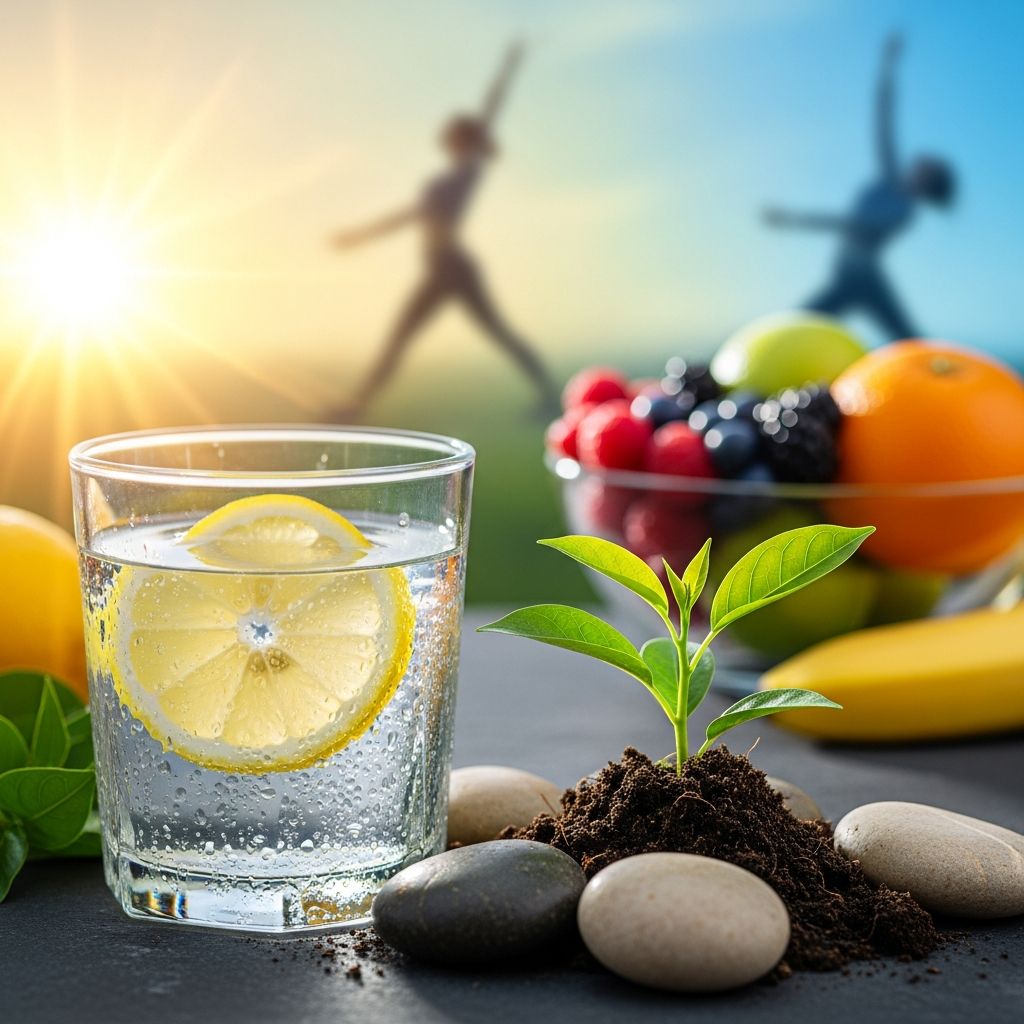
Caffeine provides a quick energy lift for many, but it comes with drawbacks like dehydration and disrupted sleep. Natural alternatives through diet, movement, hydration, rest, and stress control offer sustainable vitality.
Why Skip Caffeine for Energy?
Approximately 87% of Americans consume caffeinated products weekly, per Nutrition Journal data. While it aids wakefulness, caffeine acts as a diuretic, accelerating fluid loss and increasing urination frequency. Starting the day with caffeine after overnight fasting dehydrates the body, as noted by family medicine provider Lauren Richards, PA-C.
Dehydration from caffeine elevates heart rate and blood pressure, potentially stressing kidneys and heart over time. Energy drinks mislead with high caffeine—around 210 mg per can, equivalent to two coffee cups—posing risks even in one serving.
Opting for non-caffeine methods prevents blood sugar crashes, sustains focus, and supports long-term health without jitters or crashes.
Optimize Your Diet and Hydration
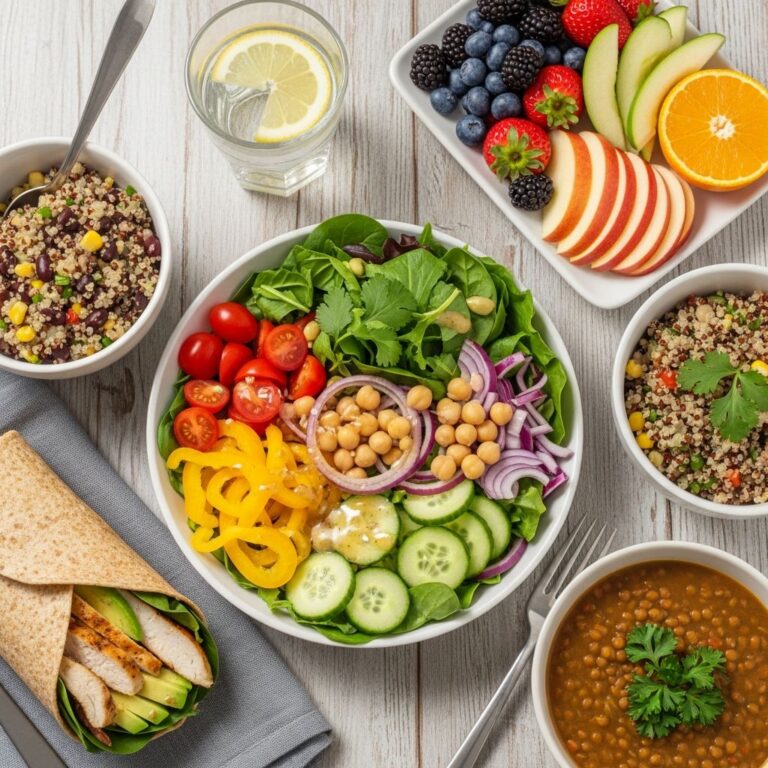
Stable blood sugar prevents energy dips. Incorporate lean proteins like chicken, fish, eggs, or legumes into meals to maintain steady glucose levels.
Balance with fiber-rich fruits or vegetables and complex carbs such as brown rice, quinoa, or whole-grain bread. These slow digestion, promoting fullness and prolonged energy.
- Breakfast ideas: Greek yogurt with berries and oats; eggs with spinach and whole-wheat toast.
- Lunch options: Grilled turkey salad with quinoa and avocado; lentil soup with whole-grain crackers.
- Snacks: Apple slices with almond butter; carrot sticks with hummus.
Hydration is crucial. Calculate daily water needs: divide body weight in pounds by 2, then use that number in ounces. For a 150-pound person, aim for 75 ounces.
Salty foods increase water demands; counter with extra intake. Electrolytes from foods like bananas, spinach, or coconut water aid retention. Avoid sugary sodas or juices, which spike then crash energy due to excess sugar or hidden caffeine.
Incorporate Regular Physical Activity
Exercise boosts and sustains energy effectively. Target 150 minutes weekly, or 20-30 minutes daily, at brisk walking intensity.
Aerobic activities improve blood flow, oxygen delivery, and heart health. Resistance training builds muscle, enhancing metabolism for enduring energy.
| Activity Type | Examples | Duration/Frequency | Energy Benefits |
|---|---|---|---|
| Aerobic | Brisk walking, cycling, swimming | 20-30 min/day | Increases circulation, reduces fatigue |
| Resistance | Weights, bodyweight squats, push-ups | 2-3x/week | Builds muscle, boosts metabolism |
| Desk Breaks | Stair climbs, office laps | 5 min hourly | Quick alertness without caffeine |
For desk workers, short breaks combat sedentary slumps. Walk stairs or pace during calls for instant boosts.
Prioritize Sleep and Stress Management
Consistent sleep is foundational. Aim for 7-10 hours nightly on a fixed schedule to fall asleep faster and wake refreshed.
Caffeine’s half-life up to 5 hours disrupts sleep if consumed past 2 p.m., mimicking alertness when rest is needed.
Stress drains energy unnoticed. Track it through journaling or apps. Counter with:
Related Stories



- Meditation: 10 minutes daily via apps like Headspace.
- Mindfulness breathing: Inhale 4 counts, hold 4, exhale 4.
- Sunlight exposure: 15-20 minutes outdoors, vital for indoor workers to combat afternoon grogginess.
- Yoga or tai chi: Gentle flows reduce cortisol.
Combine for compounded effects: morning walks for light and exercise, evening wind-downs sans screens.
Additional Natural Energy Boosters
Beyond basics, consider these evidence-based tactics:
- Cold showers: Stimulate circulation and alertness via norepinephrine release.
- Power naps: 10-20 minutes pre-3 p.m. to recharge without grogginess.
- Herbal teas: Peppermint or ginger for mild invigoration minus caffeine.
- Breathing exercises: 4-7-8 technique (inhale 4, hold 7, exhale 8) oxygenates blood.
Track progress with a journal: note energy on a 1-10 scale pre/post habits to refine routines.
Common Pitfalls and How to Avoid Them
Over-relying on sugar: Mimics caffeine crashes; stick to balanced meals.
Inconsistent hydration: Set phone reminders; infuse water with lemon for appeal.
Sedentary traps: Stand hourly; use treadmill desks if possible.
Poor sleep hygiene: No caffeine post-2 p.m., dim lights evenings.
Frequently Asked Questions (FAQs)
What if I can’t quit caffeine cold turkey?
Gradually reduce by 25-50 mg daily; replace with herbal tea or water to ease withdrawal.
How soon do these methods work?
Hydration and movement offer immediate lifts; diet/sleep changes yield results in days to weeks.
Is exercise safe if I’m exhausted?
Start light—like walking—to build energy; consult a doctor for underlying fatigue causes.
Can dehydration mimic hunger?
Yes; drink water first when peckish to differentiate true needs.
Best time for exercise?
Morning or afternoon; avoid late evenings to protect sleep.
Building a Sustainable Energy Routine
Integrate habits holistically: Start days with protein breakfast and water, move hourly, eat balanced lunches, manage stress midday, unwind early. Consistency trumps perfection—small changes compound.
Monitor via weekly check-ins: improved mood, focus, fewer crashes signal success. Consult providers for persistent low energy, ruling out issues like thyroid or anemia.
These caffeine-free strategies empower lasting vitality, enhancing daily productivity and well-being without side effects.
References
- 3 ways to boost energy without caffeine — Nebraska Medicine / Lauren Richards, PA-C. 2023. https://www.nebraskamed.com/health/healthy-lifestyle/primary-care/3-ways-to-boost-energy-without-caffeine
- Nutrition Journal: Caffeine Consumption Patterns — Nutrition Journal. 2014-01-15. https://nutritionj.biomedcentral.com/articles/10.1186/1475-2891-13-12
- Physical Activity Guidelines for Americans — U.S. Department of Health and Human Services (.gov). 2018-11-12. https://health.gov/our-work/nutrition-physical-activity/physical-activity-guidelines/current-guidelines
- Hydration for Health — Centers for Disease Control and Prevention (.gov). 2024-06-07. https://www.cdc.gov/healthywater/drinking/nutrition/index.html
- Sleep Duration Recommendations — American Academy of Sleep Medicine. 2023-02-21. https://aasm.org/clinical-resources/practice-standards/practice-guidelines/
Similar Articles








Read full bio of Sneha Tete