Heart Health: 5 Exercise Benefits Backed By Science
Discover how regular physical activity strengthens your heart, lowers risks, and enhances overall well-being with science-backed strategies.
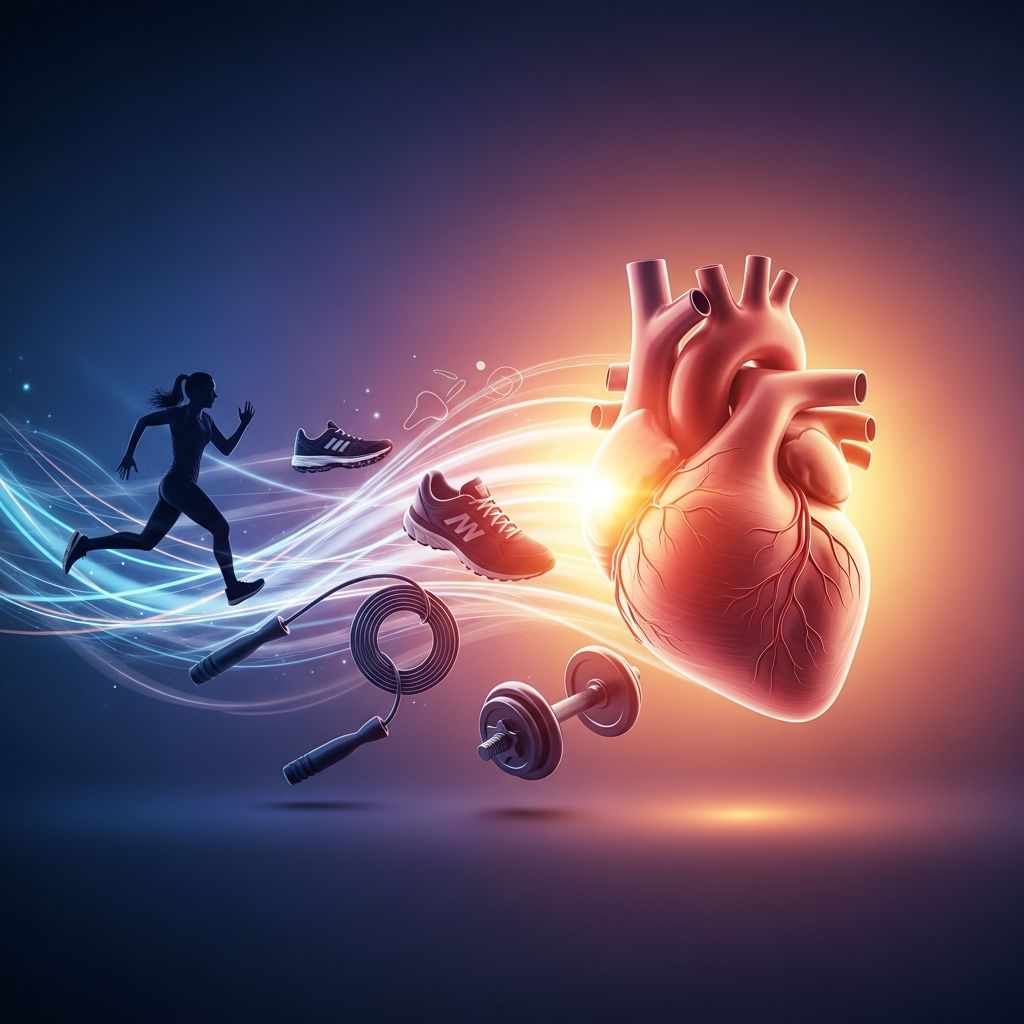
Regular physical activity stands as a cornerstone for maintaining robust cardiovascular health. It not only fortifies the heart muscle but also mitigates numerous risk factors associated with heart disease, offering protection even for those with pre-existing conditions.
The Science Linking Movement to a Stronger Heart
Scientific studies consistently demonstrate that engaging in routine exercise significantly diminishes the likelihood of developing cardiovascular diseases. For instance, research involving over 50,000 participants revealed that those meeting physical activity guidelines faced a 23% reduced risk of heart disease over a decade-long period. This protective effect stems partly from exercise’s ability to dial down stress signals in the brain, particularly benefiting individuals with conditions like depression where benefits can double.
Physical exertion triggers multiple physiological adaptations. It enhances endothelial function by boosting nitric oxide production, which promotes blood vessel dilation and reduces stiffness. Additionally, exercise balances the autonomic nervous system, curbing excessive sympathetic activity while bolstering parasympathetic tone, leading to lower resting heart rates and blood pressure.
Key Cardiovascular Benefits of Staying Active
Exercise delivers a broad spectrum of advantages for the heart and vascular system. Here’s a breakdown of primary gains supported by evidence:
- Lowered Blood Pressure: Both systolic and diastolic pressures drop noticeably with consistent activity, with meta-analyses showing average reductions of 3-4 mmHg, easing the heart’s workload.
- Improved Cholesterol Profiles: Beneficial increases in HDL cholesterol and decreases in LDL levels help prevent plaque buildup in arteries.
- Better Blood Sugar Control: Activity enhances insulin sensitivity, reducing diabetes risk—a major heart disease contributor.
- Reduced Inflammation: Markers like C-reactive protein decline, curbing chronic inflammation that damages blood vessels.
- Weight Management: Sustained activity aids in maintaining healthy body weight, alleviating strain on the cardiovascular system.
Beyond these, regular movement fosters better sleep, sharper cognitive function, and elevated mood, all indirectly supporting heart longevity.
Optimal Types of Exercise for Heart Protection
Different exercise modalities offer unique benefits, and combining them maximizes outcomes. Aerobic exercises form the foundation, conditioning the heart for efficient pumping during rhythmic, sustained efforts.
| Exercise Type | Examples | Primary Heart Benefits | Recommended Frequency |
|---|---|---|---|
| Aerobic (Moderate) | Brisk walking, cycling, swimming | Lowers BP, improves endurance, burns fat | 150 minutes/week |
| Aerobic (Vigorous) | Running, lap swimming, fast cycling | Enhances VO2 max, rapid calorie burn | 75 minutes/week |
| Resistance Training | Weightlifting, bodyweight exercises, resistance bands | Builds muscle, boosts metabolism, supports BP control | 2+ days/week |
| Combined | Mix of above | Comprehensive risk reduction, sustained adherence | Integrated weekly |
Aerobic activities excel at directly conditioning the cardiovascular system, while resistance training complements by improving metabolic health and vascular performance. Studies confirm that combined regimens yield superior results in reducing stroke and heart attack risks compared to single types.
How Much Activity Do You Really Need?
Health authorities recommend adults aim for at least 150 minutes of moderate-intensity aerobic activity or 75 minutes of vigorous activity weekly, spread across days for optimal recovery. Adding muscle-strengthening sessions twice weekly amplifies benefits, potentially cutting heart disease risk further with up to 300 minutes of moderate exercise.
Intensity matters: moderate allows comfortable conversation, while vigorous leaves you breathless after short sentences. Beginners should start gradually, building from 10-minute sessions to avoid injury. Even those with heart conditions or disabilities gain from tailored activity, outperforming sedentary peers in longevity and event-free survival.
Related Stories



Overcoming Barriers to Regular Exercise
Many face hurdles like time constraints, low motivation, or physical limitations. Practical strategies include:
- Integrate movement into daily routines, such as walking meetings or stair use.
- Set realistic goals with tracking apps for accountability.
- Partner with friends or join community groups for social support.
- Consult professionals for personalized plans, especially post-heart event.
For older adults or those with mobility issues, chair-based exercises or water therapy provide safe entry points. Consistency trumps perfection—short bursts throughout the day accumulate benefits.
Exercise and Stress: A Powerful Duo for Heart Health
Stress chronically elevates cortisol and adrenaline, straining the heart over time. Exercise counters this by enhancing prefrontal cortex activity, which regulates stress responses. Research shows this neural remodeling partly mediates exercise’s cardioprotective effects, with stressed individuals reaping disproportionately larger gains.
Incorporating mindfulness with activity, like yoga or tai chi, further amplifies stress reduction while delivering gentle cardio benefits.
Tailoring Activity for Specific Groups
Older Adults
Seniors benefit immensely from balance and strength-focused routines alongside aerobics, slashing fall risks and preserving independence. Aim for daily light activity to combat sarcopenia.
People with Heart Conditions
Cardiac rehabilitation programs guide safe progression, often yielding lower recurrence rates. Even modest increases in fitness post-event extend life expectancy.
Those with High Risk Factors
Individuals with hypertension, diabetes, or obesity see amplified improvements; exercise often rivals medication in risk factor control.
Monitoring Progress and Safety Tips
Track metrics like resting heart rate, blood pressure, and exercise tolerance. Wearables offer insights but prioritize perceived exertion. Warning signs—chest pain, dizziness, irregular heartbeat—warrant immediate medical attention. Always warm up, stay hydrated, and progress gradually.
Frequently Asked Questions (FAQs)
Can exercise reverse heart disease?
While not fully reversible, consistent activity can halt progression, improve function, and reduce symptoms dramatically.
What’s better: cardio or weights for heart health?
Both; cardio targets endurance, weights build supportive muscle—combine for best results.
How soon do benefits start?
BP and mood improvements emerge within weeks; long-term risk reduction builds over months.
Is walking enough?
Yes, brisk 30-minute daily walks meet guidelines and deliver substantial benefits.
What if I have joint issues?
Opt for low-impact options like swimming, cycling, or seated exercises.
Long-Term Strategies for Lifelong Heart Fitness
Sustainable habits form through variety, enjoyment, and habit stacking. Community programs, workplace wellness, and policy advocacy expand access. Public health campaigns emphasizing exercise’s dual brain-heart shield underscore its role in aging gracefully.
Ultimately, movement empowers individuals against the world’s leading killer. By prioritizing activity, you invest in a resilient heart and vibrant life.
References
- Exercise cuts heart disease risk in part by lowering stress, study finds — Harvard Gazette / Massachusetts General Hospital. 2024-04-17. https://news.harvard.edu/gazette/story/2024/04/exercise-cuts-heart-disease-risk-in-part-by-lowering-stress-study-finds/
- The Effectiveness of Exercise in Reducing Cardiovascular Risk — PMC / National Library of Medicine. 2024. https://pmc.ncbi.nlm.nih.gov/articles/PMC11460131/
- What’s the Link Between Physical Activity and Health? — American Heart Association. Accessed 2026. https://www.heart.org/en/health-topics/cardiac-rehab/getting-physically-active/whats-the-link-between-physical-activity-and-health
- Heart Benefits of Moving More — CardioSmart / American College of Cardiology. Accessed 2026. http://www.cardiosmart.org/topics/healthy-living/move-more/exercise-and-heart-health
- Physical Activity and Your Heart – Benefits — NHLBI, NIH. Accessed 2026. https://www.nhlbi.nih.gov/health/heart/physical-activity/benefits
Similar Articles








Read full bio of Sneha Tete