Boosting Psoriasis Treatment Adherence: 3 Proven Strategies
Discover proven strategies to overcome barriers and improve long-term adherence to psoriasis therapies for better skin health outcomes.
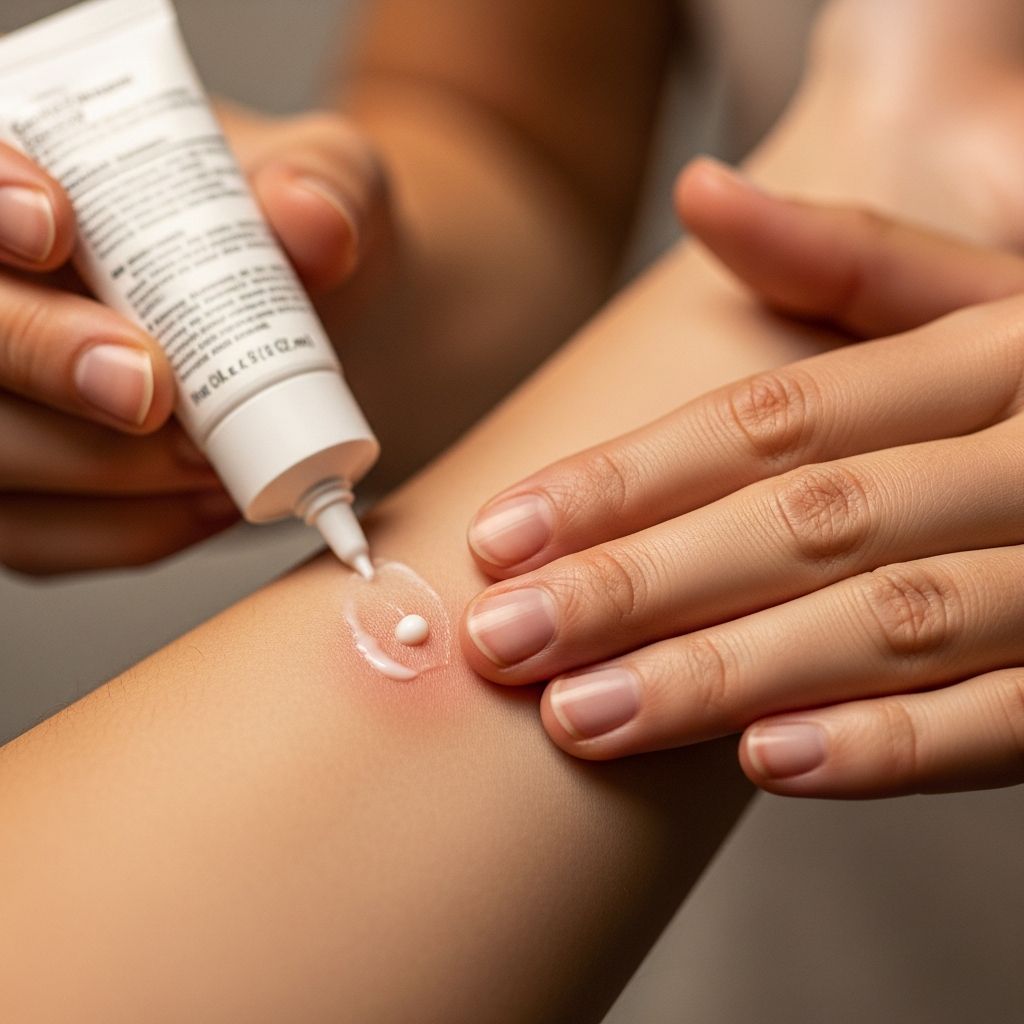
Psoriasis management hinges on consistent treatment adherence, yet studies reveal alarmingly low compliance rates among patients, particularly with topical therapies. Enhancing adherence requires addressing multifaceted barriers through targeted interventions.
Understanding the Scope of Non-Adherence in Psoriasis
Non-adherence remains a pervasive issue in psoriasis care, undermining therapeutic efficacy and prolonging disease burden. Research indicates that up to 74.7% of patients exhibit poor adherence to topical treatments, compared to 56.3% for systemic options. These figures highlight a critical gap where patients fail to follow prescribed regimens, leading to suboptimal outcomes.
In chronic conditions like psoriasis, adherence drops further, with 58.3% poor compliance to systemic therapies versus 38.1% in acute cases. Surveys of dermatologists show that nearly 40% believe over 60% of their patients adhere well to topicals, yet patient self-reports paint a grimmer picture, with forgetfulness cited by 81.8% as a primary culprit.
Key Barriers Disrupting Treatment Consistency
Several interconnected factors contribute to low adherence, spanning patient perceptions, treatment characteristics, and healthcare interactions. Identifying these is the first step toward effective solutions.
Patient-Related Challenges
- Forgetfulness and Daily Habits: The most frequent reason for skipping topical applications, affecting over 80% of non-adherent patients.
- Demographic Influences: Males, unemployed individuals, and those with severe disease or high alcohol/tobacco use show worse compliance.
- Psychological Factors: Severe psoriasis correlates with greater psychological distress, eroding trust in therapies.
Treatment-Specific Hurdles
Topical regimens pose unique difficulties due to their messiness, frequency, and cosmetic issues. Multiple daily applications (76.4% poor adherence) and multi-product use (78.9%) significantly worsen compliance compared to simpler routines. Patients often discontinue due to perceived ineffectiveness, even when symptoms improve, leading to premature stops.
Systemic treatments face issues like tolerability concerns (43% discontinuation rate) and loss of efficacy (30%). Clinical trials demonstrate adherence plummeting from 84.6% to 51% over eight weeks for topicals.
| Factor Type | % Patients with Poor Adherence (Topical) | Common Examples |
|---|---|---|
| Regimen Complexity | 76.4% (multiple daily) | Frequent applications, multiple products |
| Efficacy Perception | 75.6% | Premature discontinuation post-improvement |
| Forgetfulness | 81.8% | Daily routine oversight |
| Side Effect Fears | 64.5% (systemic) | Lack of context on risks |
Clinician-Patient Communication Gaps
Only 4% of patients recall receiving clear instructions, directly linking to poorer adherence (75% vs 69.2% for topicals). Dermatologists inquire about adherence in under 20% of visits, missing opportunities to intervene. Warnings about side effects without education can heighten fears, boosting non-adherence.
Proven Strategies to Enhance Adherence
Improving compliance demands a multifaceted approach, simplifying regimens, bolstering education, and fostering patient involvement. Evidence supports these tactics for sustained success.
Simplify and Optimize Treatment Plans
- Opt for once-daily or single-agent topicals to reduce burden—patients on simpler regimens show 13% better adherence.
- Prioritize patient-preferred vehicles (e.g., gels over ointments) to address cosmetic complaints.
- Escalate to higher-efficacy options like biologics or phototherapy, which yield higher satisfaction and involvement.
Related Stories



Strengthen Educational Efforts
Comprehensive counseling transforms outcomes. Patients understanding treatment mechanisms (68% do) adhere better. Provide demos, written guides, and follow-up calls. Address side effect fears with balanced risk-benefit discussions to mitigate unnecessary discontinuation.
Leverage Technology and Reminders
Digital tools like apps for application reminders combat forgetfulness. Patient forums rank high (44%) for support, enhancing motivation. Clinical trials testing adherence interventions, such as structured topical protocols, show promise in boosting compliance.
Comparative Adherence Across Therapies
| Treatment Type | Average Adherence Rate | Key Advantages | Challenges |
|---|---|---|---|
| Topical | 71.9% ± 34.0% | Low systemic risk | Messy, frequent use |
| Systemic (Oral) | 45.2% | Easier application | Tolerability issues |
| Biologics/Injectables | Higher satisfaction | Effective, less frequent | Cost, access |
| Phototherapy | High involvement | Clinic-supervised | Travel burden |
Topicals remain first-line but lag in adherence; shifting to supervised or less frequent options improves rates.
Role of Healthcare Providers in Fostering Compliance
Dermatologists must routinely assess adherence using tools like the Morisky-8 scale, as in recent Egyptian studies. Matching therapy to severity (76.9% physician priority) and emphasizing safety builds trust. Longer consultations and patient feedback loops correlate with better outcomes.
Patient Empowerment for Long-Term Success
Patients confident in treatments (90% willing to persist despite slow results) fare better. Set realistic expectations: improvements may take weeks. Track progress with photos or apps, and join support groups for shared experiences.
Frequently Asked Questions (FAQs)
What is the most common reason patients skip psoriasis topicals?
Forgetfulness tops the list at 81.8%, followed by unclear instructions.
Does treatment frequency impact adherence?
Yes, multiple daily applications lead to 76.4% poor adherence versus simpler regimens.
Are systemic treatments easier to stick with?
Somewhat, with 56.3% poor adherence versus 74.7% for topicals, but chronic cases struggle more.
How can doctors improve patient compliance?
Through clear instructions (only 4% currently receive them), routine adherence checks, and simplified plans.
What role do side effect warnings play?
They can increase non-adherence (64.5%) if not paired with education.
Future Directions in Adherence Research
Ongoing trials like NCT04220554 explore targeted interventions for topicals. Long-term studies emphasize abysmal adherence (73% non-adherent), urging innovative delivery systems. Integrating behavioral science could revolutionize psoriasis care.
References
- Treatment Adherence Is Low Among Patients With Dermatological Conditions — Dermatology Advisor. 2024-09. https://www.dermatologyadvisor.com/news/treatment-adherence-low-among-patients-dermatological-conditions/
- Adherence to Topical Therapies for the Treatment of Psoriasis — PMC (National Library of Medicine). 2017-09-12. https://pmc.ncbi.nlm.nih.gov/articles/PMC5597648/
- Medical Adherence for Orals Systemics, Biologics, and Phototherapy — Psoriasis Council. N/A. https://psoriasiscouncil.org/expert-insights/medical-adherence-orals-systemics-biologic-phototherap/
- Improving patient outcomes in psoriasis: strategies to ensure treatment adherence — PMC (National Library of Medicine). 2017-11-02. https://pmc.ncbi.nlm.nih.gov/articles/PMC5683106/
- Improvement of Psoriasis Patients’ Adherence to Topical Drugs — ClinicalTrials.gov (U.S. National Library of Medicine). 2020. https://clinicaltrials.gov/study/NCT04220554
Similar Articles








Read full bio of Sneha Tete