Borage Benefits: 5 Anti-Inflammatory Uses For Skin And Asthma
Discover the science-backed health benefits of borage, from reducing inflammation and easing asthma to supporting skin health and joint relief.
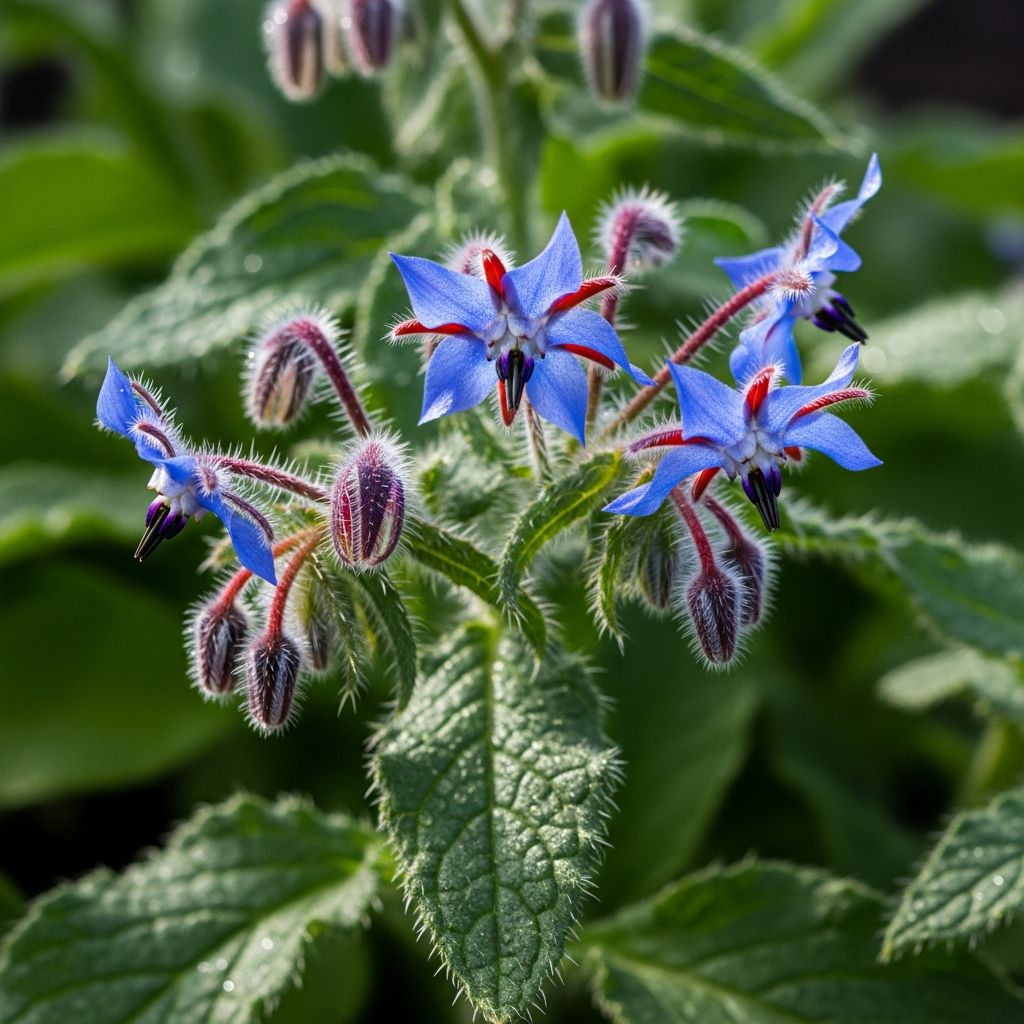
Borage (Borago officinalis), a vibrant blue-flowered herb, has been used in traditional medicine for centuries and is gaining modern attention for its rich content of gamma-linolenic acid (GLA), an omega-6 fatty acid with potent anti-inflammatory properties. Primarily consumed as borage seed oil, it may help alleviate symptoms of asthma, rheumatoid arthritis, skin disorders, and more, though human studies are often limited and results mixed.
What Is Borage?
Borage is an annual herb native to the Mediterranean region, known for its star-shaped blue flowers and fuzzy leaves. The plant’s leaves, flowers, and seeds are all utilized medicinally, but borage seed oil is the most common form due to its high GLA concentration—typically 20-25%, higher than many other plant sources. GLA is an essential fatty acid that the body converts into anti-inflammatory compounds like prostaglandin E1, which modulate immune responses and reduce oxidative stress.
Historically, borage has been brewed into teas for respiratory issues and applied topically for skin ailments. Today, supplements are standardized for GLA content and used for inflammatory conditions. The plant also contains mucilage, a soothing gel-like substance, contributing to its expectorant effects.
5 Science-Backed Benefits of Borage
May Reduce Inflammation
Borage seed oil’s standout feature is its ability to combat inflammation, primarily through GLA, which inhibits pro-inflammatory cytokines and leukotrienes. Animal and test-tube studies show it protects against oxidative damage and age-related inflammation markers. A human trial in 74 rheumatoid arthritis patients found 18 months of borage oil supplementation reduced symptoms like joint tenderness, comparable to non-steroidal anti-inflammatories.
Additional evidence from a study in mice demonstrated decreased inflammatory fatty acids, suggesting broader applications for chronic conditions. These effects extend to vascular inflammation, potentially improving blood flow and reducing phlebitis.
May Ease Asthma Symptoms
Asthma involves airway inflammation and constriction, areas where borage shines. A study of 37 adults with mild asthma taking borage and echium oil capsules for three weeks showed reduced airway inflammation. Another trial in 43 children combining borage oil with fish oil and vitamins decreased asthma symptoms over 12 weeks.
However, a separate study in 38 participants found symptom improvement without inflammation reduction, indicating borage may act as a bronchodilator or calcium channel blocker, relaxing airways. Borage’s mucilage also acts as an expectorant for coughs from bronchitis or colds.
May Improve Skin Health
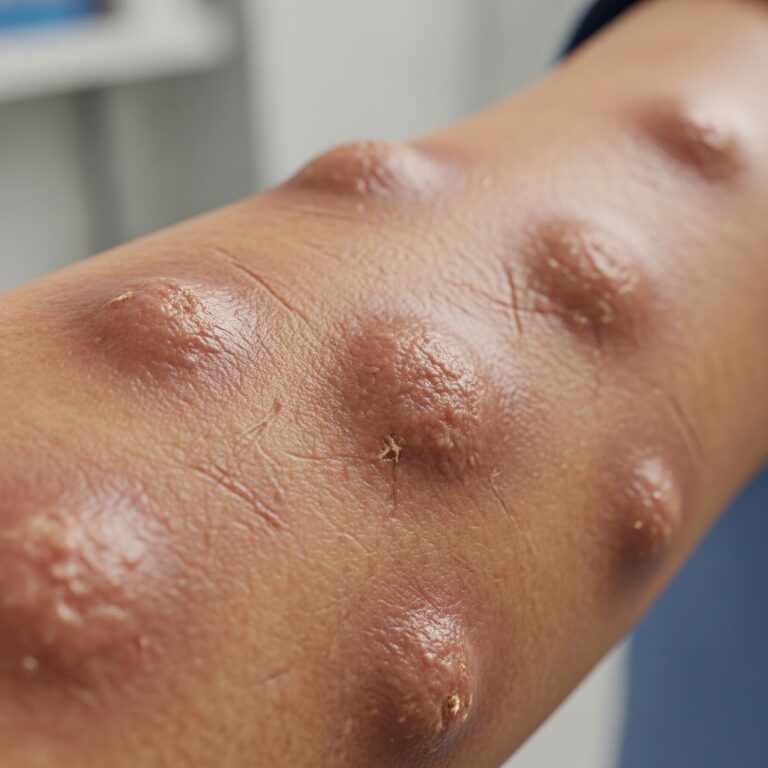
Topical and oral borage oil benefits skin barrier function due to GLA’s role in ceramide production, essential for moisture retention. In children with atopic eczema, two weeks of borage cream reduced redness, itching, and water loss. Oral supplements help eczema, dermatitis, acne, and seborrheic dermatitis by lowering inflammation.
Studies confirm borage accelerates wound healing via antioxidant properties and supports skin cell structure. It’s particularly useful for neurodermatitis and psoriasis flare-ups.
May Relieve Rheumatoid Arthritis Symptoms
Rheumatoid arthritis (RA) causes joint inflammation and pain, which borage mitigates through antirheumatic and antioxidant actions. Clinical evidence shows RA patients experience less pain, swelling, and stiffness with borage oil. An animal study linked it to reduced osteoporosis risk by curbing age-related bone inflammation.
Related Stories



GLA corrects faulty fatty acid metabolism in RA, boosting anti-inflammatory prostaglandins. Doses of 1.8-2.4 grams daily over six months yielded significant relief in trials.
May Help Lower Cholesterol and Support Heart Health
Borage’s unsaturated fats, including omega-3 and omega-6, act as antioxidants to prevent LDL oxidation, a precursor to atherosclerosis. By improving circulation and reducing vessel inflammation, it may prevent heart attacks and strokes.
Emerging research highlights bioactive compounds activating PPAR-γ proteins for better lipid and blood sugar regulation, aiding metabolic and cardiovascular health.
Other Potential Benefits
- Cough and Respiratory Relief: Expectorant mucilage loosens phlegm in bronchitis, flu, or colds.
- Menopause and PMS: Eases hot flashes, night sweats, breast tenderness, and mood swings via hormonal balance.
- Wound Healing: Accelerates skin repair with GLA and antioxidants.
- Bone Health: Anti-inflammatory effects may prevent osteoporosis.
- Metabolic Support: Potential anti-obesity, diuretic, and blood sugar benefits from phenolics.
How to Take Borage
Borage is available as seed oil capsules (standardized to 20-24% GLA), teas from leaves/flowers, or topical creams. Oral doses for inflammation or skin issues: 500-1,500 mg GLA daily (about 2.5-6 grams oil), split into 2-3 doses with meals to enhance absorption. For asthma or RA, trials used 1.8-3 grams oil daily for 12-24 weeks.
Tea: Steep 1-2 teaspoons dried leaves/flowers in hot water for 10 minutes, 2-3 times daily for coughs. Topical: Apply cream 2-3 times daily to affected skin. Always choose PA-free products, as raw borage contains toxic pyrrolizidine alkaloids (PAs).
| Condition | Recommended Dose | Duration |
|---|---|---|
| Asthma/Skin | 1-2 g oil (240-480 mg GLA) | 3-12 weeks |
| RA | 2.4 g oil (480 mg GLA) | 6-18 months |
| Cough Tea | 1-2 tsp leaves | Acute use |
Is Borage Safe?
Borage seed oil is generally safe short-term (up to 1 year) at recommended doses, but raw plant parts contain PAs that cause liver damage and cancer risk—avoid teas/oils from leaves/flowers unless processed PA-free. Side effects include mild GI upset, belching, or loose stools.
Precautions:
- Pregnant/Breastfeeding: Avoid due to uterine contraction risk and PA concerns.
- Children: Safe topically; oral use under medical supervision.
- Interactions: May enhance blood thinners, antihypertensives, or seizure meds. GLA lowers seizure threshold—avoid with epilepsy.
- Liver Disease: Contraindicated due to PA toxicity risk.
Consult a healthcare provider before use, especially with medications. Select third-party tested supplements.
Frequently Asked Questions (FAQs)
What is borage oil high in?
Borage seed oil is exceptionally high in gamma-linolenic acid (GLA), an omega-6 fatty acid with anti-inflammatory benefits, at 20-25% concentration.
Can borage oil help with eczema?
Yes, studies show oral and topical borage improves eczema symptoms by strengthening the skin barrier and reducing inflammation.
Is borage safe for daily use?
PA-free seed oil is safe for up to a year at 1-3 grams daily, but long-term safety data is limited; monitor liver function.
Does borage interact with medications?
It may potentiate blood thinners, blood pressure drugs, and anticonvulsants; consult a doctor.
Can you drink borage tea?
Only if PA-free; otherwise, avoid due to liver toxicity risk. Seed oil capsules are safer.
References
- Borage: 12 Health Benefits, How to Use & Side Effects — Tua Saúde. 2023. https://www.tuasaude.com/en/borage/
- Borage: Benefits, Uses, and Precautions — Healthline. 2023-10-15. https://www.healthline.com/nutrition/borage
- 7 Borage Oil Benefits for Skin, Arthritis, Inflammation & More — Dr. Axe. 2024. https://draxe.com/nutrition/borage-oil/
- Spotlight On: Borage — Nature Cure Family Health. 2022. https://www.naturecurefamilyhealth.com/spotlight-on-borage/
- Cancer Prevention and Health Benefits of Traditionally Consumed Borage — PMC (NCBI). 2016-01-14. https://pmc.ncbi.nlm.nih.gov/articles/PMC4728661/
- Borage Oil — Vanderbilt Health Library. 2025. https://healthlibrary.vanderbilthealth.com/Search/19,BorageOil
Similar Articles








Read full bio of medha deb