Botox Effects On Eyebrows And Eyelids: Prevention & Fixes
Discover how Botox can impact eyebrow and eyelid position, potential side effects like drooping, prevention strategies, and safe correction methods for optimal results.
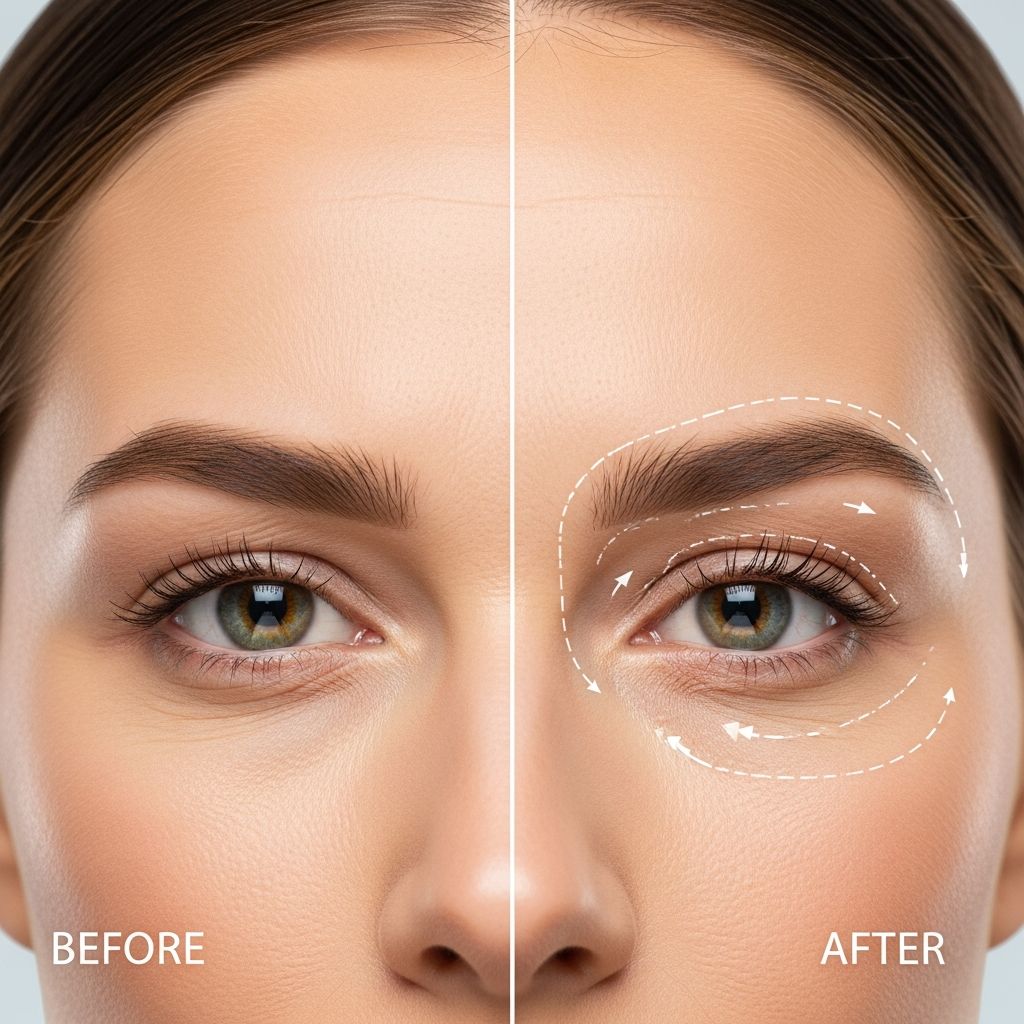
Botox injections, a popular cosmetic treatment for reducing facial wrinkles, can sometimes lead to unintended changes in eyebrow and eyelid positioning, such as drooping known as ptosis. These effects arise from the neurotoxin’s relaxation of specific facial muscles, but they are typically temporary and manageable with proper techniques and interventions.
The Science Behind Botox and Facial Muscles
Botox, or botulinum toxin, functions by blocking acetylcholine release, a neurotransmitter that triggers muscle contractions. This relaxation smooths skin over targeted areas like the forehead and between the eyes, minimizing lines from repetitive expressions.
In the upper face, key muscles include the frontalis, which elevates the eyebrows, and the levator palpebrae superioris, responsible for lifting the upper eyelid. Nearby muscles like the corrugator and procerus control frowning. When Botox diffuses beyond intended sites, it can weaken these elevators, causing descent.
- Frontalis muscle: Raises brows; over-relaxation leads to brow ptosis.
- Levator palpebrae superioris: Lifts eyelid; diffusion here causes eyelid droop.
- Corrugator/procerus: Frown muscles; upward spread affects brow lift.
Common Issues: Brow and Eyelid Ptosis Explained
Brow ptosis manifests as heavy, lowered eyebrows, often after forehead injections for horizontal lines. Patients describe a tired or hooded look, sometimes obstructing vision if severe.
Eyelid ptosis results in one or both lids appearing lower, impairing full eye opening and creating asymmetry. This heavy sensation can affect daily activities.
| Issue | Symptoms | Duration |
|---|---|---|
| Brow Ptosis | Heavy brows, tired appearance, possible vision block | 3-4 months |
| Eyelid Ptosis | Droopy lid, asymmetry, difficulty opening eye | 4-6 weeks |
Other effects include peaked brows from uneven frontalis relaxation, where outer portions lift while inner ones descend.
Why Do These Effects Occur After Botox?
Primary causes stem from injection technique. Excessive units, placements too low near the orbital rim, or shallow depths allow diffusion to unintended muscles.
For brow droop, over-treating the frontalis without preserving lift capacity is common. Eyelid issues arise from glabellar (between brows) injections migrating upward to the levator.
- High dosage overwhelming muscle balance.
- Low injection sites permitting spread.
- Muscle anatomy variations among patients.
Risks increase with inexperienced providers unfamiliar with periorbital anatomy.
Prevention Strategies for Safe Botox Results
Experienced injectors minimize risks through precise dosing, strategic placement, and anatomy knowledge. Avoid over-injection in the central forehead and maintain frontalis activity for brow support.
Pre-treatment assessments evaluate muscle strength and patient history. Conservative units start low, with follow-ups for adjustments. Post-injection, patients should remain upright and avoid rubbing areas to prevent migration.
Provider Selection Tips
- Choose board-certified dermatologists or ophthalmologists.
- Review before-and-after photos of similar treatments.
- Discuss anatomy-specific concerns.
Managing and Correcting Drooping Post-Botox
If ptosis occurs, reassurance is key—effects are reversible as Botox metabolizes. For eyelid droop, apraclonidine eye drops (e.g., Iopidine) stimulate Müller’s muscle, providing a lift within days.
Related Stories



Brow correction may involve additional Botox in depressor muscles like the orbicularis oculi to counterbalance elevators. Wait 2 weeks post-initial treatment for assessment.
Severe cases might use alpha-agonists or observation, with full resolution in weeks to months.
Who Is at Higher Risk and When to Seek Help
Individuals with preexisting mild ptosis, thin skin, or strong depressor muscles face elevated risks. Those on blood thinners may experience more bruising, indirectly affecting outcomes.
Monitor for symptoms like vision changes or persistent asymmetry beyond 2 weeks. Immediate consultation with the provider or an ophthalmologist is advised.
Alternatives to Botox for Upper Face Concerns
For those wary of ptosis, fillers restore volume without muscle paralysis. Dysport or Xeomin offer similar effects with potentially less diffusion. Thread lifts or surgery address severe sagging.
| Treatment | Pros | Cons | Ptosis Risk |
|---|---|---|---|
| Botox | Quick, non-surgical, wrinkle reduction | Temporary droop possible | Low-moderate |
| Fillers | Volume restoration, no paralysis | May need touch-ups | None |
| Surgery | Permanent lift | Invasive, recovery time | N/A |
Realistic Expectations and Long-Term Care
Botox provides subtle enhancements, not dramatic lifts. Mild brow elevation (1-2mm) is typical; severe cases need surgical evaluation.
Schedule treatments every 3-4 months, rotating sites to prevent atrophy. Combine with skincare for sustained youthfulness.
Frequently Asked Questions (FAQs)
Can Botox ever lift droopy eyelids?
Yes, strategically placed Botox relaxes depressors, subtly elevating mild cases. Results are temporary and best for minor issues.
How long does ptosis last?
Eyelid ptosis often resolves in 4-6 weeks; brow ptosis aligns with Botox duration of 3-4 months.
Is ptosis permanent?
No, it’s always temporary as the toxin wears off.
What if I get double vision?
Rare, but report immediately; it stems from extraocular muscle involvement and resolves with time.
Can massage fix drooping?
Avoid massaging; it may worsen diffusion. Use prescribed drops instead.
Choosing Confidence in Cosmetic Treatments
Understanding Botox’s nuances empowers informed decisions. Prioritize expertise to enjoy smoother skin without unwelcome surprises. Regular maintenance and prompt issue reporting ensure positive experiences.
References
- Understanding Eyelid and Brow Ptosis – How to Prevent and Correct Botox Complications — APT Injection Training. 2023. https://aptinjectiontraining.com/blog/understanding-eyelid-and-brow-ptosis-how-to-prevent-and-correct-botox-complications/
- What Causes an Eyebrow Droop After Botox — Dr. Michele Green MD. 2023. https://www.michelegreenmd.com/what-causes-an-eyebrow-droop-after-botox
- Drooping Eyebrow After Botox Treatment — Denver Facial Plastics. 2023. https://www.denverfacialplastics.com/blog/drooping-eyebrow-after-botox/
- Possible Side Effects Of Botox For Eye Twitching — Elghor Dental Studio. 2024. https://www.elghordentalstudio.com/post/botox-for-eye-twitching/
- Can BOTOX Fix Droopy Eyelids — Dulles Eye Associates. 2023. https://dceyedr.com/article/botox-eyelids/
- How to Correct Peaked Eyebrows Resulting from Botox — AE Skin. 2023. https://www.aeskin.com/blog/169604-how-to-correct-peaked-eyebrows-resulting-from-botox/
- Droopy Eyelid After Botox — Daniel Ezra. 2023. https://www.danielezra.co.uk/media/blog/droopy-eyelid-after-botox
Similar Articles








Read full bio of Sneha Tete