Botox For Eye Disorders: 5 Key Uses And Benefits
Discover how Botox injections treat eye muscle issues like spasms, misalignment, and more for better vision and comfort.
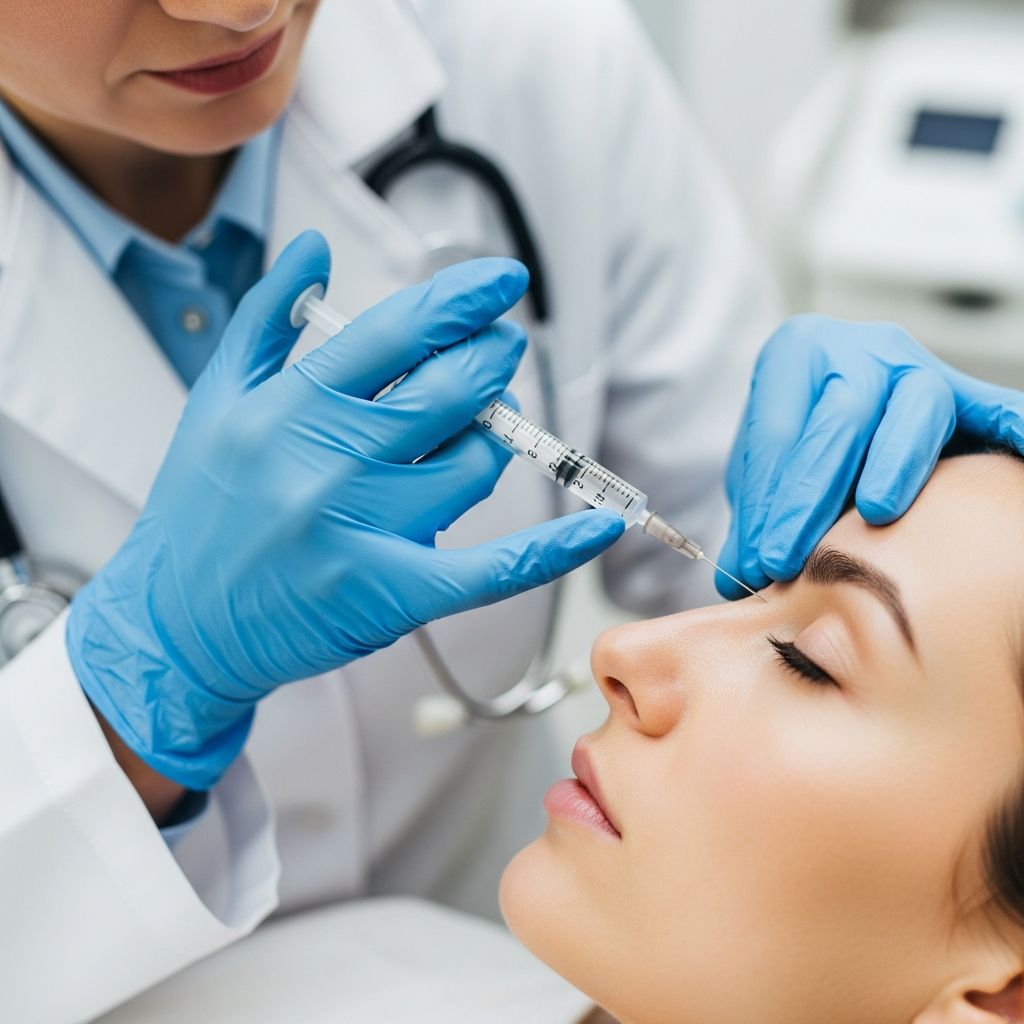
Botulinum toxin injections, commonly known as Botox, offer a precise method to address various eye-related muscle dysfunctions. Originally developed for medical use in ophthalmology, these injections temporarily weaken overactive muscles to alleviate symptoms that impair vision and daily comfort.
Understanding the Science Behind Botox
Botox contains botulinum toxin type A, which blocks nerve signals to muscles, causing temporary relaxation. This mechanism proves effective for conditions where muscle imbalance or hyperactivity disrupts normal eye function. Administered by trained ophthalmologists, the treatment targets specific areas around the eyes with minimal invasiveness.
The effects typically begin within days and peak after one to two weeks, lasting several months before requiring repeat injections to maintain benefits.
Key Eye Conditions Treated with Botox
Botox addresses multiple disorders stemming from muscle irregularities. Below are primary applications supported by clinical practice.
Strabismus: Correcting Eye Misalignment
Strabismus involves eyes that do not align properly due to muscle strength imbalances, leading to crossed or wandering eyes. Botox injections into affected muscles help balance tension, allowing eyes to straighten and improve binocular vision. Ophthalmologists often use electromyography (EMG) guidance for accurate placement during the procedure.
Blepharospasm: Relieving Eyelid Spasms
Benign essential blepharospasm causes involuntary eyelid closures from overactive muscles, often linked to fatigue or dry eyes but persisting without clear triggers. Botox relaxes these muscles, reducing spasm frequency and severity, with noticeable relief in as little as two days.
Excessive Tearing and Related Issues
Overproduction of tears, or epiphora, can result from spasms or nerve issues around the eyes. By calming hyperactive muscles, Botox decreases reflex tearing, enhancing comfort during daily activities.
Entropion: Preventing Inward Eyelid Turns
Entropion occurs when the eyelid rolls inward, irritating the cornea with lashes. Botox weakens the offending muscle temporarily, averting surgical needs and protecting the eye surface.
Facial and Eyelid Spasms
Conditions like hemifacial spasm extend beyond eyelids to facial muscles. Botox provides relief by interrupting aberrant nerve signals, improving quality of life.
The Botox Injection Procedure for Eyes
Treatment sessions last 10-20 minutes in an outpatient setting. No anesthesia is typically needed, though numbing cream may be applied. Providers use fine needles, sometimes with EMG, to inject precise doses into targeted muscles. Patients can resume normal activities immediately, with full effects emerging over one to two weeks.
| Step | Description |
|---|---|
| Consultation | Eye exam and history review to confirm suitability. |
| Preparation | Cleaning the area; optional numbing. |
| Injection | Targeted shots guided by EMG if needed. |
| Post-care | Avoid rubbing eyes; monitor for effects. |
Benefits of Using Botox for Ocular Health
- Non-Surgical Option: Avoids incisions, reducing recovery time compared to surgery.
- Quick Relief: Symptoms often improve rapidly, enhancing vision and reducing discomfort.
- Customizable Dosing: Tailored to individual needs for optimal results.
- Proven Track Record: Used safely in ophthalmology since the 1980s.
Potential Risks and Side Effects
While generally safe, Botox carries risks including temporary drooping eyelids, double vision, dry eyes, or irritation. Rare serious effects involve toxin spread causing muscle weakness elsewhere. Discuss medical history with your provider to minimize complications.
Related Stories



Contraindications include allergies to ingredients, neuromuscular disorders, or pregnancy. Post-injection, avoid lying down for four hours and strenuous activity for 24 hours.
Recovery and Maintenance
Most experience mild redness or swelling that resolves quickly. Follow-up injections every three to six months sustain benefits, with many patients achieving long-term symptom control.
Who Should Consider Botox Therapy?
Candidates include adults with persistent muscle-related eye issues unresponsive to conservative treatments. Consultation with a board-certified ophthalmologist ensures appropriateness.
Comparing Botox to Other Treatments
| Treatment | Pros | Cons |
|---|---|---|
| Botox | Minimally invasive, quick recovery | Temporary, repeat needed |
| Surgery | Potentially permanent | Invasive, longer recovery |
| Medications | Non-invasive | Less targeted efficacy |
Real-World Outcomes and Patient Experiences
Clinical data shows high success rates: over 80% of blepharospasm patients report significant improvement. Strabismus alignment improves in many cases, sometimes obviating surgery.
Future Directions in Botox Applications
Ongoing research explores Botox for dry eye, migraines, and ocular surface diseases, expanding its utility in eye care.
Frequently Asked Questions (FAQs)
Is Botox painful for eye treatments?
Injections cause brief discomfort like a pinprick; numbing options help.
How long do results last?
Typically 3-6 months, varying by condition and dose.
Can Botox cause permanent vision changes?
No, effects are reversible; serious issues are rare when administered properly.
Who performs these injections?
Ophthalmologists or trained specialists experienced in eye muscles.
Does insurance cover Botox for eye conditions?
Often yes for medical uses like spasms; cosmetic differs.
Choosing a Provider
Seek ophthalmologists with Botox certification and eye disorder expertise. Verify credentials and review patient outcomes for confidence in care.
References
- Botox for Eye Conditions & Wrinkle Reduction — Greenwich Eye. Accessed 2026. https://www.greenwicheye.com/cosmetic-treatments/botox-for-eye-conditions/
- How BOTOX® works to treat blepharospasm — Botox Blepharospasm. Accessed 2026. https://www.botoxblepharospasm.com/treatment
- Botox injections – Mayo Clinic — Mayo Clinic. 2023-11-15. https://www.mayoclinic.org/tests-procedures/botox/about/pac-20384658
- Botox Injections | Casey Eye Institute — OHSU. Accessed 2026. https://www.ohsu.edu/casey-eye-institute/botox-injections
- Botulinum Toxin Injections — Cleveland Clinic. 2023-08-22. https://my.clevelandclinic.org/health/treatments/8312-botulinum-toxin-injections
- Botox for Ocular Surface Disease — Optometry Advisor. Accessed 2026. https://www.optometryadvisor.com/features/botox-for-ocular-surface-disease/
Similar Articles








Read full bio of medha deb