Botox For Facial Wrinkles: 4-Step Treatment Guide
Discover how Botox smooths dynamic wrinkles by relaxing facial muscles, its procedure, safety, and long-term benefits for youthful skin.
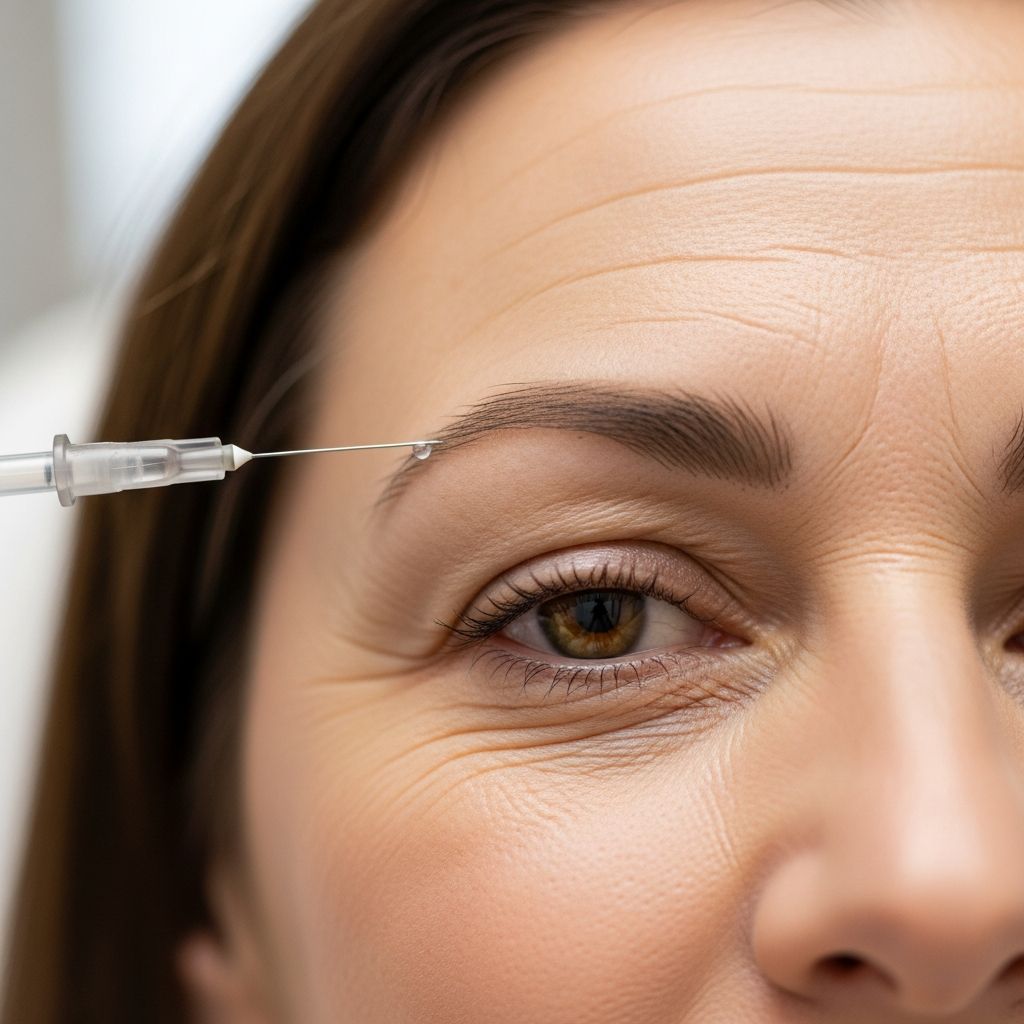
Botox, derived from botulinum toxin type A, reduces facial wrinkles by temporarily relaxing targeted muscles, smoothing dynamic lines such as forehead creases, frown lines, and crow’s feet.
Understanding the Science of Facial Aging and Wrinkles
Facial wrinkles develop over time due to repeated muscle movements and environmental factors. Dynamic wrinkles form from expressions like frowning or squinting, while static wrinkles persist at rest from skin laxity and sun exposure.
Botulinum toxin addresses the root cause by interrupting nerve signals to muscles. When injected, it blocks acetylcholine release, preventing contractions and allowing skin to smooth out.
How Botulinum Toxin Precisely Targets Wrinkles
The process begins with nerve impulses triggering acetylcholine at neuromuscular junctions. Botox binds to nerve endings, inhibiting this neurotransmitter and halting muscle activity.
- Nerve Signal Blockade: Prevents acetylcholine release, relaxing specific muscles without affecting others.
- Skin Smoothing: Reduced pulling on skin diminishes line visibility within days.
- Preventive Effect: Limits new wrinkle formation by curbing repetitive motions.
This targeted action ensures natural expressions remain while treating problem areas.
Common Treatment Areas for Optimal Results
Botox excels in upper facial zones where dynamic wrinkles predominate.
| Area | Wrinkle Type | Muscles Targeted |
|---|---|---|
| Forehead | Horizontal lines | Frontalis |
| Glabella (between brows) | Frown lines | Corrugator supercilii, procerus |
| Around eyes | Crow’s feet | Orbicularis oculi |
| Nose and mouth | Bunny lines, lip lines | Related perioral muscles |
Providers identify sites by observing patient contractions during consultation.
Who Benefits Most from Botox Treatments
Ideal candidates have mild to moderate dynamic wrinkles, often starting in their 30s or 40s before lines deepen.
- Those with expressive lines from frowning or smiling.
- Individuals seeking preventive care to avoid etched-in wrinkles.
- Patients without severe static wrinkles, which may need fillers.
Consultation assesses asymmetries and prioritizes areas for natural enhancement.
Step-by-Step Guide to a Botox Session
Treatments are quick, lasting 10-20 minutes in a clinical setting.
- Consultation: Discuss goals, medical history, and demonstrate expressions.
- Preparation: Cleanse area; optional numbing for comfort.
- Injection: Use fine 30-gauge needle for precise, small-volume doses (e.g., 20 units for glabella).
- Post-Care: Avoid rubbing; resume activities immediately.
Minimal discomfort like brief stinging occurs.
Timeline of Results and Maintenance
Effects start in 3 days, peak at 2 weeks, lasting 3-6 months.
- Day 3: Initial softening.
- Week 2: Maximum smoothness.
- Month 4: Gradual return of motion; schedule touch-up.
Consistent use prevents deepening and may extend duration over time.
Potential Side Effects and Safety Measures
FDA-approved Botox is safe when administered by qualified professionals.
| Common (Temporary) | Rare |
|---|---|
| Bruising, redness, headache | Drooping eyelid, asymmetry |
| Localized swelling | Allergic reaction |
Avoid in pregnancy, neuromuscular disorders; disclose medications.
Botox Compared to Dysport and Other Options
Botox and Dysport share botulinum toxin origins but differ in diffusion and onset.
- Similarities: Muscle relaxation, 3-6 month duration, injection-based.
- Differences: Dysport may spread more, faster action; Botox more precise for small areas.
- Vs. Fillers: Botox relaxes muscles; fillers add volume for static lines.
Related Stories



Long-Term Advantages of Regular Botox Use
Ongoing treatments train muscles to relax, reducing wrinkle progression and enhancing skin quality.
Studies show repeated injections yield cumulative benefits, with many patients maintaining results for years.
Frequently Asked Questions
Does Botox hurt?
Most feel only mild pinpricks; tolerable without anesthesia.
Can Botox prevent wrinkles?
Yes, by limiting muscle overuse in early aging stages.
How soon can I see results?
Within 3 days, full effect by 14 days.
Is Botox permanent?
No, effects last 3-6 months; maintenance required.
Who should not get Botox?
Pregnant individuals, those with certain allergies or muscle diseases.
Choosing a Qualified Provider
Select board-certified dermatologists or ophthalmologists experienced in injectables for safety and precision.
Verify credentials, review before-after photos, and discuss realistic outcomes.
References
- Botulinum Toxin Injection for Facial Wrinkles — American Academy of Family Physicians (AAFP). 2014-08-01. https://www.aafp.org/pubs/afp/issues/2014/0801/p168.html
- How Does Botox Work to Minimize Wrinkles? — Krauss Dermatology. N/A. https://www.kraussdermatology.com/blog/how-does-botox-work-to-minimize-wrinkles/
- Botox Injections: Treatment, Recovery & Side Effects — Cleveland Clinic. N/A. https://my.clevelandclinic.org/health/treatments/8312-botulinum-toxin-injections
- Botox injections — Mayo Clinic. N/A. https://www.mayoclinic.org/tests-procedures/botox/about/pac-20384658
- The Science Behind Botox and Dysport: How They Work to Reduce Wrinkles — Skin Ritual AZ. N/A. https://www.skinritualaz.com/blog/the-science-behind-botox-and-dysport-how-they-work-to-reduce-wrinkles
Similar Articles








Read full bio of medha deb