Botox For Migraines: 31 Sites And 8 To 9 Fewer Headache Days
Discover how FDA-approved Botox injections prevent chronic migraines, reducing headache days by up to 50% with long-term efficacy and minimal side effects.
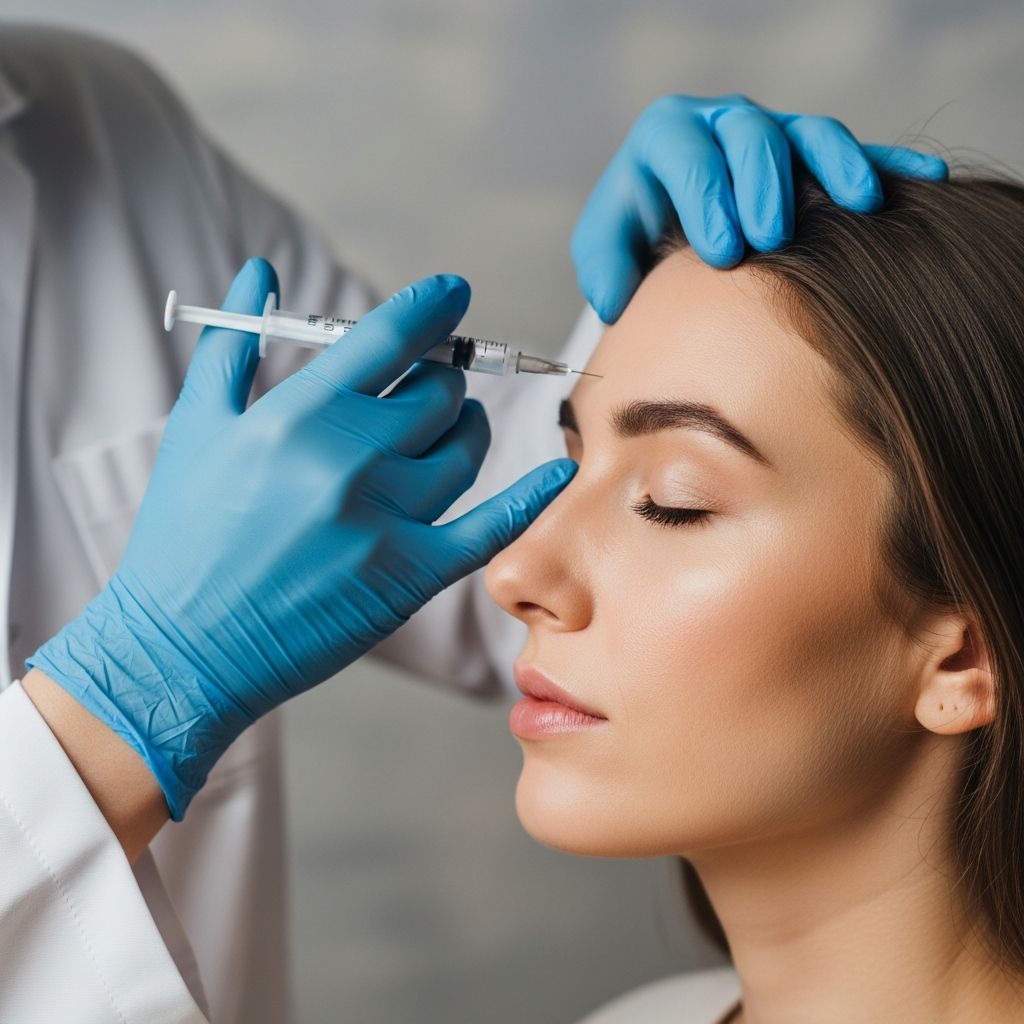
Botox, or onabotulinumtoxinA, is an FDA-approved treatment specifically for preventing chronic migraines in adults, reducing headache days by 8 to 9 per month on average through targeted injections that block pain signals from overactive nerves.
What Is Botox for Migraines?
Botox is a neurotoxin derived from botulinum toxin type A, initially popularized for cosmetic wrinkle reduction but approved by the FDA in 2010 for chronic migraine prevention after demonstrating significant efficacy in large-scale trials. Chronic migraine is defined as headaches occurring on 15 or more days per month for over three months, with at least eight featuring migraine characteristics like throbbing pain, sensitivity to light or sound. Unlike acute treatments that stop attacks in progress, Botox serves as a preventive therapy administered every 12 weeks via 31 injections across the head, neck, and shoulders.
The treatment targets peripheral sensory nerves involved in pain transmission, calming inflammation and hypersensitivity that perpetuate migraine cycles. Clinical evidence shows it reduces migraine frequency by 30-50% for many patients; for example, those with 20 headache days monthly may drop to 10-14. Long-term studies confirm sustained benefits over three years, with 65% response rates and further improvements in headache days (from 7.2 to 3.4 monthly) without resistance developing.
How Does Botox Work for Migraines?
Botox inhibits the release of acetylcholine at nerve-muscle junctions and modulates pain pathways by blocking calcitonin gene-related peptide (CGRP) and other inflammatory molecules from sensory nerves. This creates a “calming” effect on hypersensitive nerves in the face, neck, and head, reducing pain signal transmission to the brain. While muscle relaxation contributes, the primary mechanism is peripheral nerve modulation, as shown in animal studies altering pain network electrical activity.
In practice, it deactivates pain receptors in injected muscles, preventing signals from reaching the central nervous system. Phase III trials (PREEMPT) with over 1,300 participants proved statistically significant reductions in headache days versus placebo (weighted mean difference of 1.86 days). Benefits extend beyond frequency: attacks become less severe, more responsive to rescue medications, with reduced baseline pain, better trigger tolerance, and improved daily function—often noticeable before full frequency drops.
Who Is a Candidate for Botox for Migraines?
Ideal candidates are adults (18+) with chronic migraine failing at least two prior oral preventives, experiencing 15+ headache days monthly. It’s not for episodic migraine (<15 days/month) or other headaches like tension-types, as efficacy is unproven there. Adolescents aged 14-18 may benefit if standard treatments fail, per limited trials showing reduced frequency without major side effects.
Contraindications include allergies to botulinum toxin, neuromuscular disorders (e.g., myasthenia gravis), active skin infections at injection sites, or pregnancy/breastfeeding. A headache specialist evaluates via diary tracking 4+ weeks to confirm diagnosis and baseline frequency. About 50% achieve >50% reduction after two cycles (6 months); 23% become “super-responders” with 75%+ improvement.
What Happens During Botox Injections for Migraine?
The 15-20 minute outpatient procedure uses a fine needle for 31 fixed-site injections (5 units each, totaling 155-195 units) in five areas: frontalis, temporalis, occipitalis, procerus/c corrugator, and trapezius/cervical paraspinal. No anesthesia is needed, though ice or vibration minimizes discomfort; most report mild pinching.
Injections follow the PREEMPT protocol: 39 sites for some, focusing on pain referral zones. Post-procedure, avoid rubbing sites, heavy exercise, or lying down for 4 hours to prevent toxin spread. Effects peak at 10-12 weeks, aligning with repeat dosing.
How Effective Is Botox for Chronic Migraine?
Real-world and trial data confirm robust efficacy: PREEMPT studies showed 8-9 fewer headache days monthly from baseline of ~19-20. A Greek observational study of responders found sustained drops—from 7.2 to 3.4 monthly headache days over 3 years (T1 to T3), plus fewer high-intensity days (3.4 to 2.5) and medication uses (4.7 to 2.8). 86% continued treatment; dropouts often due to full remission.
Related Stories



Compared to CGRP monoclonal antibodies, Botox shows superior compliance (quarterly doctor-administered vs. monthly self-injections), fewer side effects, and cost-efficiency, though both are safe. Nearly 50% hit >50% reduction by month 6; long-term use prevents resistance.
| Metric | Baseline | After 3 Cycles (T1) | After 3 Years (T3) |
|---|---|---|---|
| Monthly Headache Days | ~19-20 | 7.2 | 3.4 |
| High-Intensity Days (>4/10) | N/A | 3.4 | 2.5 |
| Acute Med Days | N/A | 4.7 | 2.8 |
Data from long-term study
What Are the Side Effects and Risks of Botox for Migraine?
Side effects are mild/transient: injection-site pain/wheals (most common), neck/shoulder pain, eyelid ptosis, or muscle weakness (<5%). No severe events or resistance in 3-year data; 86% tolerability. Rare risks include toxin spread causing dysphagia or breathing issues—seek immediate care for these. Long-term safety mirrors short-term profiles.
- Common (>10%): Neck pain, injection discomfort
- Uncommon (1-10%): Eyelid droop, fatigue
- Rare (<1%): Allergic reactions, flu-like symptoms
How Much Does Botox for Migraine Cost?
Costs range $300-$1,000 per session (155 units), varying by location/provider; insurance often covers for qualified chronic migraine (pre-authorization needed with diary proof). Medicare/Medicaid may reimburse; without coverage, annual ~$3,000-$6,000 for four sessions. More cost-effective than monthly CGRP therapies long-term.
Botox vs. Other Migraine Treatments
Botox outperforms placebo and rivals CGRP mAbs in efficacy but excels in administration ease and side-effect profile. Oral preventives (topiramate, propranolol) have more systemic effects; Botox suits non-responders. Gepants/triptans handle acute attacks alongside.
| Treatment | Dosing | Efficacy | Side Effects |
|---|---|---|---|
| Botox | Every 12 weeks, injected | 8-9 fewer days/mo | Mild, local |
| CGRP mAb | Monthly self-inject | Similar reduction | GI upset, injection site |
| Oral Preventives | Daily pills | Variable | Cognitive, fatigue |
Frequently Asked Questions (FAQs)
Does insurance cover Botox for migraines?
Yes, most plans cover for chronic migraine with documentation; check pre-authorization requirements.
How soon do you feel Botox effects for migraines?
Some notice within 2-4 weeks; full peak at 10-12 weeks.
How long does Botox last for migraines?
10-12 weeks; repeat every 12 weeks for sustained prevention.
Can Botox cure migraines?
No, it’s preventive—not a cure—but provides long-term control.
Who should not get Botox for migraines?
Those with allergies, neuromuscular diseases, or infections at sites.
Is Botox safe long-term for migraines?
Yes, 3-year data shows safety, tolerability, no resistance.
References
- Study Finds Sustained Efficacy of Botox for Migraine Over 3 Years — Jaime Rosenberg, AJMC. 2023. https://www.ajmc.com/view/study-finds-sustained-efficacy-of-botox-for-migraine-over-3-years
- Botox injections for migraine — The Migraine Trust. Accessed 2026. https://migrainetrust.org/live-with-migraine/healthcare/treatments/botox/
- Botox for Migraine: How Does It Work and How Effective Is It? — Migraine Canada. Accessed 2026. https://migrainecanada.org/botox-for-migraine-how-does-it-work-and-how-effective-is-it/
- Long-Term Management of Migraine With OnabotulinumtoxinA — PMC/NCBI. 2023-10-29. https://pmc.ncbi.nlm.nih.gov/articles/PMC10630153/
- Botox for Migraines: How It Works, Side Effects & Injection Sites — Cleveland Clinic. Accessed 2026. https://my.clevelandclinic.org/health/treatments/botox-for-migraines
- Mayo Clinic Q and A: Botox for migraines — Mayo Clinic News Network. Accessed 2026. https://newsnetwork.mayoclinic.org/discussion/mayo-clinic-q-and-a-botox-for-migraines/
- Chronic Migraine – Efficacy | BOTOX® — BOTOXONE. Accessed 2026. https://www.botoxone.com/chronic-migraine/efficacy
Similar Articles








Read full bio of medha deb