Bottom Of Foot Pain: Causes, Symptoms, And Treatment Tips
Explore the common causes, symptoms, diagnosis, and effective treatments for pain on the bottom of your foot.
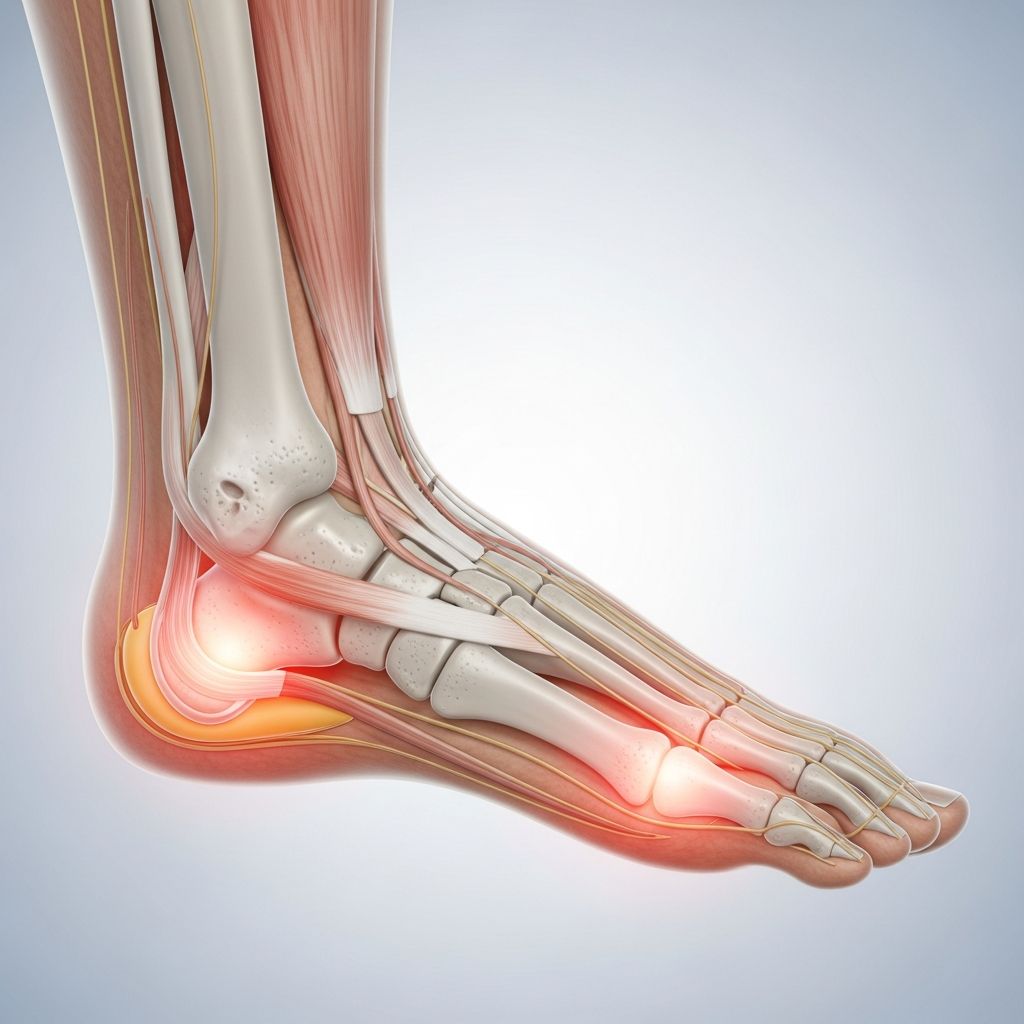
Pain on the bottom of the foot is a common complaint that affects people of all ages and activity levels, often disrupting daily activities like walking, standing, or exercising. This discomfort can arise from the heel, arch, or ball of the foot and may feel sharp, burning, aching, or stabbing. Common culprits include inflammation of the plantar fascia, overuse injuries, structural issues like flat feet, nerve compression, and arthritis. Understanding the specific location and nature of the pain is key to pinpointing the cause and finding effective relief.
While many cases resolve with conservative measures such as rest, ice, supportive footwear, and stretching, persistent pain warrants professional evaluation to rule out fractures, nerve damage, or degenerative conditions. Early intervention can prevent chronic issues and restore mobility.
What Causes Bottom of Foot Pain?
Several conditions can trigger pain on the underside of the foot. These range from acute injuries to chronic inflammatory or degenerative processes. Factors like improper footwear, repetitive stress from running or standing, obesity, and biomechanical abnormalities increase susceptibility.
Sprains and Strains
Sprains or strains occur when ligaments, tendons, or muscles in the foot are stretched or torn, often due to twists, falls, sports injuries, or dropping heavy objects. A Lisfranc injury, affecting the midfoot joints, is particularly debilitating and may cause swelling, bruising, and inability to bear weight. Symptoms appear suddenly post-trauma or gradually with overuse. Ill-fitting shoes, high heels, or repetitive activities like running exacerbate these injuries.
Treatment involves RICE (Rest, Ice, Compression, Elevation), anti-inflammatory medications, and immobilization. Severe cases may require casting, physical therapy, or surgery. Consult a podiatrist for imaging like X-rays to assess bone or ligament damage.
Plantar Fasciitis
**Plantar fasciitis** is the most frequent cause of bottom-of-foot pain, characterized by inflammation of the plantar fascia—a thick band of tissue running from the heel to the toes that supports the arch. Pain is typically sharp or stabbing, worst with first steps in the morning, after prolonged sitting, or at the end of the day. Risk factors include tight calf muscles, high or low arches, sudden activity increases, and unsupportive shoes.
Diagnosis relies on clinical exam and history; ultrasound or MRI confirms inflammation. Conservative treatments succeed in 90% of cases: stretching exercises (e.g., calf stretches, toe towel scrunches), night splints, orthotics, and NSAIDs. Advanced options include corticosteroid injections, shockwave therapy, or surgery for refractory cases.
Morton’s Neuroma
Morton’s neuroma involves thickening of tissue around a nerve between the third and fourth toes, causing burning pain, numbness, tingling, or a ‘walking on a pebble’ sensation in the ball of the foot. Tight shoes, high heels, bunions, hammertoes, or high-impact sports compress the nerve. Women are more prone due to footwear choices.
Management includes wider shoes, metatarsal pads, corticosteroid injections, or surgical neuroma excision if conservative measures fail.
Flat Feet (Fallen Arches)
Flat feet, or pes planus, occur when the arch collapses, causing the entire sole to contact the ground. This leads to arch pain, fatigue, swelling, and overuse strain on tendons like the posterior tibial. Acquired flatfoot from tendon dysfunction is common in adults. While often asymptomatic, symptomatic cases cause stiffness, weakness, and pain worsened by standing.
Related Stories



Treatment features custom orthotics, arch-supportive shoes, physical therapy for strengthening, and bracing. Surgery corrects severe deformities.
Metatarsalgia and Sesamoiditis
Metatarsalgia is general ball-of-foot pain from high heels, excessive pronation, or thin-soled shoes. Sesamoiditis inflames the sesamoid bones under the big toe joint, common in dancers or runners. Symptoms include aching during push-off and tenderness.
Relief comes from cushioned insoles, low-heel shoes, and taping.
Stress Fractures
Tiny metatarsal cracks from repetitive impact or osteoporosis cause gradual pain worsening with activity, swelling, and tenderness. Rest, protective footwear, and gradual return to activity are essential; bone scans diagnose.
Arthritis
Osteoarthritis erodes cartilage in foot joints, causing stiffness, swelling, reduced motion, and bone spurs. Rheumatoid arthritis adds inflammation. Pain affects weight-bearing areas like the arch or forefoot.
Treatment: NSAIDs, PT, injections, or joint fusion surgery.
Skin Conditions
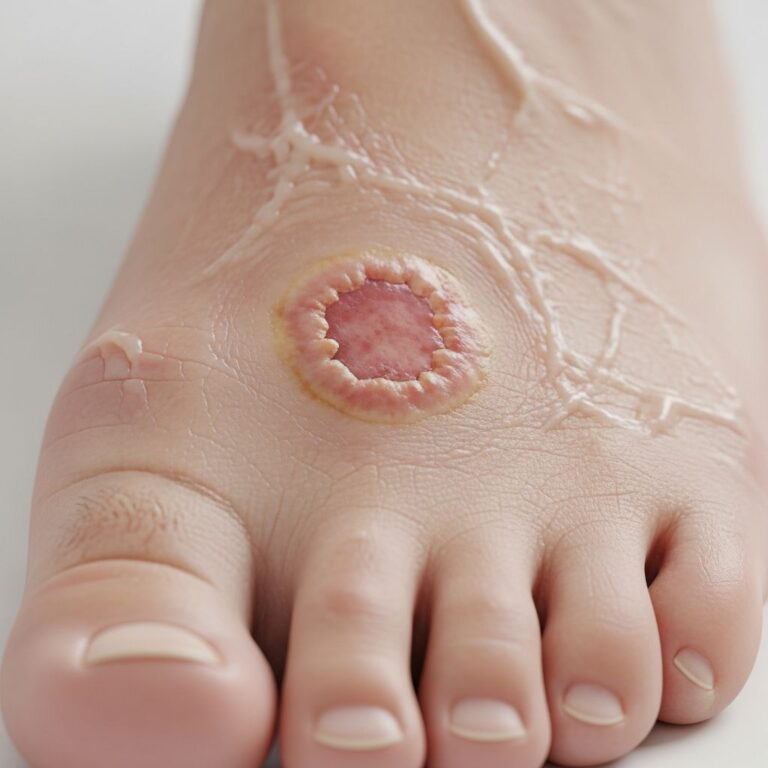
Calluses, blisters, or warts from friction create painful pressure points.
Symptoms of Bottom of Foot Pain
Symptoms vary by cause but often include:
- Sharp, stabbing, or burning pain, especially in heel/arch (plantar fasciitis) or ball (neuroma)
- Worsening with initial steps, prolonged standing, or activity
- Swelling, bruising, redness
- Numbness, tingling (nerve issues)
- Stiffness, reduced flexibility
- Inability to bear weight (fractures)
Pain location guides diagnosis: heel (fasciitis, Achilles issues), arch (flat feet), forefoot (metatarsalgia, neuroma).
Bottom of Foot Pain Diagnosis
Podiatrists diagnose via history, physical exam (palpation, gait analysis, arch assessment), and imaging:
- X-rays: fractures, arthritis, bone spurs
- Ultrasound: soft tissue inflammation
- MRI: ligament tears, stress fractures
- EMG: nerve function
Rule out systemic issues like diabetes or gout.
Treatments for Bottom of Foot Pain
| Condition | Conservative Treatments | Advanced Options |
|---|---|---|
| Plantar Fasciitis | Stretching, orthotics, night splints, ice massage, NSAIDs | Injections, ESWT, surgery |
| Morton’s Neuroma | Wide shoes, pads, PT | Injections, neurectomy |
| Flat Feet | Orthotics, strengthening exercises | Bracing, tendon repair |
| Sprains/Fractures | RICE, immobilization | Surgery |
| Arthritis | PT, meds, canes | Injections, fusion |
Exercises: Calf stretches (hold 30s x3), toe curls, marble pickups, frozen bottle rolls.
Prevention Tips
- Wear supportive shoes with cushioning and arch support; replace every 300-500 miles
- Maintain healthy weight
- Gradually increase activity
- Stretch calves/Achilles daily
- Use orthotics for flat feet/high arches
- Avoid walking barefoot on hard surfaces
Incorporate foot strengthening: short foot exercise, heel raises.
When to See a Doctor
Seek care if pain persists >2 weeks despite rest, worsens, accompanies numbness/redness/fever, or prevents weight-bearing. Urgent evaluation for trauma or sudden severe pain.
Frequently Asked Questions (FAQs)
What is the most common cause of bottom foot pain?
Plantar fasciitis, affecting the plantar fascia and causing heel/arch pain, especially mornings.
How do I treat plantar fasciitis at home?
Rest, ice (frozen bottle roll 10min), calf stretches, supportive shoes/orthotics, NSAIDs.
Does flat feet cause bottom of foot pain?
Yes, fallen arches strain tendons, leading to arch pain; orthotics help.
Can stress fractures cause bottom foot pain?
Yes, metatarsal stress fractures cause forefoot pain worsening with activity.
When is surgery needed for foot pain?
For refractory plantar fasciitis, severe flatfoot deformity, or neuroma after 6-12 months conservative care.
References
- Bottom of Foot Pain: Causes, Symptoms, and Treatment — Healthline. 2025-03-05. https://www.healthline.com/health/bottom-of-foot-pain
- Foot Pain Conditions, Causes, Symptoms, Treatments — Hospital for Special Surgery (HSS). https://www.hss.edu/health-library/conditions-and-treatments/list/foot-pain-causes
- 7 Plantar Fasciitis Exercises and Stretches for Pain Relief — Hinge Health. https://www.hingehealth.com/resources/articles/bottom-of-foot-pain/
Similar Articles








Read full bio of Sneha Tete