Botulinum Toxin: Comprehensive Guide To Dermatology Uses
Comprehensive guide to botulinum toxin uses, administration, and effects in dermatology and beyond.
Botulinum toxin is a purified substance derived from the bacterium Clostridium botulinum, widely used in dermatology for cosmetic wrinkle reduction and treating excessive sweating (hyperhidrosis). It temporarily relaxes muscles by blocking nerve signals, offering safe, effective results when administered by qualified professionals.
What is botulinum toxin?
Botulinum toxin is produced by the anaerobic, spore-forming bacterium Clostridium botulinum, which thrives in low-oxygen environments like improperly canned foods. This neurotoxin causes botulism, a severe paralytic illness, but in controlled medical doses, it revolutionizes treatments for muscle spasms, wrinkles, and sweating.
There are eight toxin types (A–G), with types A and B approved for clinical use. Type A formulations include onabotulinumtoxinA (Botox), abobotulinumtoxinA (Dysport), and incobotulinumtoxinA (Xeomin), each varying in onset, diffusion, and duration. Botox was the first licensed in 1989 for blepharospasm and strabismus, expanding to cosmetics by 2002.
Mechanism of action
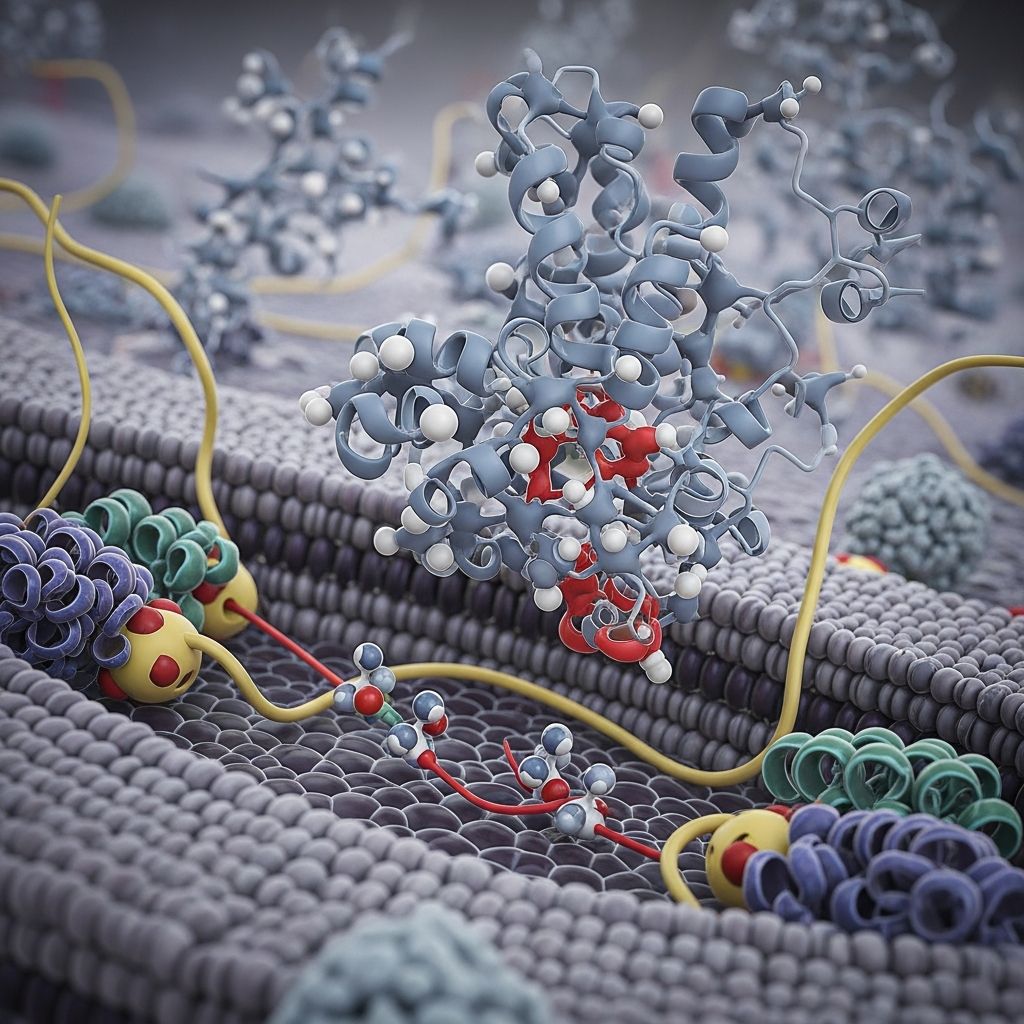
Botulinum toxin cleaves SNAP-25 proteins in type A or VAMP in type B, preventing acetylcholine release at neuromuscular junctions. This inhibits nerve impulses, causing temporary muscle paralysis lasting 3–6 months.
In dermatology, it targets facial muscles for wrinkles or eccrine glands for hyperhidrosis. Topical forms use nanoparticles or peptides for needle-free delivery, preserving activity without systemic spread.
Approved indications
Regulatory bodies approve botulinum toxin for:
- Glabellar lines (frown lines)
- Lateral canthal lines (crow’s feet)
- Upper facial lines (forehead)
- Axillary hyperhidrosis
- Cervical dystonia and blepharospasm
Off-label uses dominate dermatology, including palmar/plantar hyperhidrosis and other rhytides.
Dermatological uses
Dynamic rhytides
Dynamic wrinkles from repeated muscle contractions respond best. Primary targets: glabellar, frontalis, and crow’s feet lines. Small doses (0.1 mL per site) relax muscles, smoothing skin for 3–4 months.
Off-label: Bunny lines, perioral rhytides, mentalis, masseter hypertrophy, platysmal bands, and gummy smile. Studies show 85% wrinkle improvement in 4 weeks with topical forms.
Hyperhidrosis
Injected into axillae, palms, or soles, it blocks sweat gland signals, reducing sweating by 80–90% for 6–12 months. Axillary treatment uses 50–100 units per side; palms require more due to discomfort.
Off-label for auriculotemporal syndrome (Frey syndrome), gustatory sweating. Topical creams reduce axillary sweat by 65% in studies.
Other dermatological uses
Emerging applications:
- Keloids/hypertrophic scars: Injections reduce tension, pain, redness, itch; improves healing.
- Raynaud phenomenon: Hand neurovascular injections alleviate cold-induced vasospasm pain.
- Intertrigo: Relaxes muscles in skin folds, reducing moisture, maceration, infection in hidradenitis suppurativa, Hailey-Hailey disease, flexural psoriasis.
Topical botulinum also fades dark circles, hyperpigmentation.
Preparations of botulinum toxin
Key formulations:
| Brand | Active Ingredient | Units per Vial | Onset | Duration |
|---|---|---|---|---|
| Botox | onabotulinumtoxinA | 50, 100, 200 | 7 days | 3–6 months |
| Dysport | abobotulinumtoxinA | 300, 500 | 2–3 days | 4–6 months |
| Xeomin | incobotulinumtoxinA | 50, 100, 200 | 5–7 days | 3–4 months |
Dysport diffuses more, suiting larger areas; Xeomin lacks complexing proteins, reducing immunogenicity. Reconstitute with saline (preserved for comfort).
Administration
Using a 30–32 gauge needle, inject 0.1 mL intradermally or intramuscularly. Facial rhytides: 5 sites upper face. Hyperhidrosis: Intradermal papules, 2–3 cm apart.
Related Stories



No anesthesia usually needed; ice or vibration for palms/feet. Procedure: 10–20 minutes, no downtime. Effects peak 2 weeks.
Side effects and complications
Injection-related: Pain, bruising, swelling, redness (resolve quickly).
Toxin-related (rare):
- Local: Ptosis (eyelid droop), asymmetry, flu-like symptoms.
- Systemic: Spread causing dysphagia, respiratory issues (contraindicated in neuromuscular disorders).
Topical: Tingling, dryness, erythema; no systemic toxicity. Antibody resistance rare (<1%).
Precautions and contraindications
Avoid in pregnancy, breastfeeding, neuromuscular diseases (myasthenia gravis), aminoglycoside use. Disclose allergies, medications.
Before and after treatment
Before: Consultation assesses goals, anatomy. Avoid anticoagulants 7 days prior.
After: Upright 4 hours, no massage/rubbing 24 hours, avoid heat/exercise 48 hours. Repeat every 3–6 months.
New uses
Ongoing research: Wound healing acceleration, acne via sebaceous gland modulation, rosacea, androgenetic alopecia. Topical advances promise needle-free cosmetics, hyperhidrosis.
Frequently asked questions
Who can administer botulinum toxin?
Only registered medical professionals trained in anatomy and dosing.
How long do results last?
3–6 months; maintenance needed.
Does it hurt?
Mild pinch; tolerable for most.
Can it be reversed?
No antidote; effects fade naturally.
Is it safe for hyperhidrosis?
Yes, highly effective with minimal risks.
References
- Topical Botulinum Toxin — JCAD. 2023. https://jcadonline.com/topical-botulinum-toxin/
- Botulinum toxin, BOTOX®, Dysport® — DermNet NZ. 2024-01-15. https://dermnetnz.org/topics/botulinum-toxin
- Botulinum Toxin Therapy: A Comprehensive Review — PMC (NCBI). 2024. https://pmc.ncbi.nlm.nih.gov/articles/PMC11943293/
- Stop and think before using botulinum toxin — Medsafe (NZ Government). 2019-09-01. https://www.medsafe.govt.nz/profs/PUArticles/September2019/Stop-and-think-botulinum-toxin.htm
- The Definitive Guide to Botulinum Toxin — Anue (official). 2024. https://anue.co.nz/learn/definitive-guide-botulinum-toxin/
Similar Articles








Read full bio of medha deb