Bowel Cleansing Medications: Types, Uses & Efficacy
Complete guide to bowel preparation medications for colonoscopy and digestive health
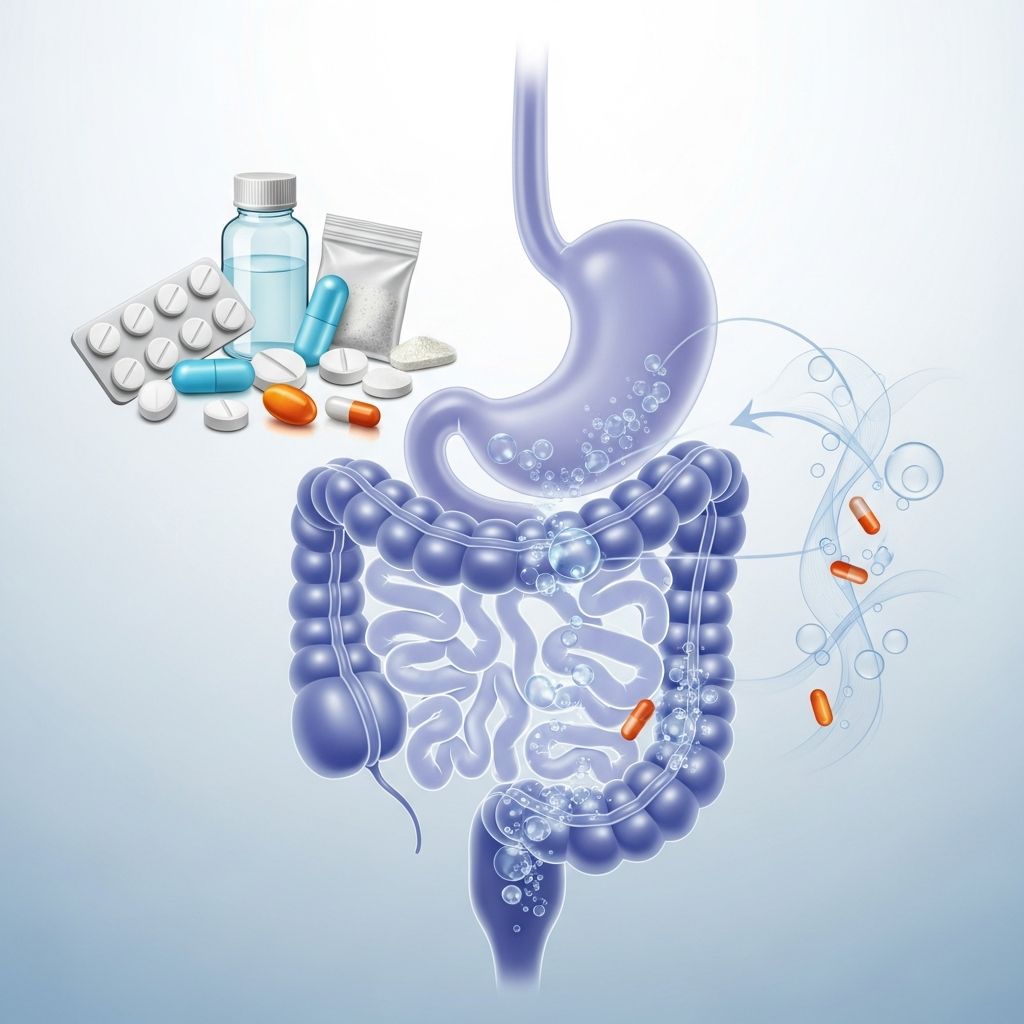
Bowel cleansing medications play a crucial role in preparing the gastrointestinal tract for medical procedures and managing digestive health concerns. These medications work through various mechanisms to clear the colon and ensure effective visualization during colonoscopy or other diagnostic procedures. Understanding the different types, their efficacy, and patient experiences can help individuals make informed decisions about their digestive health management.
What Are Bowel Cleansing Medications?
Bowel cleansing medications are pharmaceutical agents designed to promote bowel movements and clear waste from the digestive tract. Unlike general laxatives that may only affect the colon, comprehensive bowel cleansing medications work throughout the entire digestive system to ensure thorough preparation for medical procedures or to address digestive concerns. These medications operate through different mechanisms—some soften stool consistency, while others stimulate intestinal muscle contractions or draw water into the bowel to facilitate easier passage of waste material.
The primary applications for bowel cleansing medications include preparation for colonoscopy procedures, management of constipation, and pre-surgical bowel preparation. Healthcare providers select specific medications based on patient factors, medical history, and the clinical objective of the procedure.
Primary Categories of Bowel Cleansing Agents
Polyethylene Glycol-Based Preparations
Polyethylene glycol electrolyte solution (PEG-ELS) represents one of the most widely utilized bowel cleansing agents in clinical practice. This osmotic laxative functions by drawing water from the body into the stool, creating softer and more frequent bowel movements. Traditional PEG preparations require patients to consume 4 liters of solution, which presents significant tolerability challenges for many individuals.
Research demonstrates that lower-volume PEG formulations—typically 2 liters—combined with stimulant laxatives such as bisacodyl or magnesium citrate, achieve comparable cleansing efficacy while substantially improving patient experience. Studies indicate that patients who previously underwent 4-liter PEG preparation showed strong preference for the reduced-volume approach, with 88% of participants preferring 2-liter PEG combined with magnesium citrate and 56% preferring the bisacodyl combination.
Sodium Phosphate Solutions
Sodium phosphate (NaP) preparations offer superior tolerability compared to traditional PEG solutions while maintaining equivalent or superior bowel cleansing outcomes. Patients consistently report that sodium phosphate preparations are easier to complete and less uncomfortable than PEG alternatives. In comparative studies, subjects who had previously undergone PEG preparation rated sodium phosphate significantly easier to tolerate, citing reduced discomfort during the preparation process.
Polyethylene Glycol-Free Alternatives
MiraLAX, despite lacking FDA approval specifically for bowel preparation, has gained widespread adoption among gastroenterologists due to its accessibility as an over-the-counter product and superior palatability. Typically combined with sports beverages like Gatorade in a 238 mg formulation mixed with 64 ounces of liquid, MiraLAX-based preparations generally prove more tolerable than traditional PEG solutions.
Magnesium citrate (PMC) represents another effective alternative, particularly valued for patient preference in both single and split-dose regimens. Research comparing PMC with 2-liter PEG and bisacodyl demonstrated successful cleansing in 83.0% of PMC patients versus 79.7% with PEG, with comparable cleansing observed throughout all colon segments.
Understanding Laxative Types and Their Mechanisms
Related Stories



Bowel cleansing medications function through several distinct mechanisms, each offering particular advantages and considerations:
- Bulk-forming laxatives increase stool volume by absorbing water, creating bulkier, more liquidy stools that ease passage through the digestive tract. These are generally considered the gentlest option with the lowest risk of side effects.
- Osmotic laxatives pull water from body tissues into the colon, softening stool and facilitating easier elimination. PEG and saline laxatives operate through this mechanism.
- Stimulant laxatives encourage intestinal muscles to contract and propel bowel contents forward. Bisacodyl and magnesium citrate exemplify this category and often precede or complement other preparations.
- Stool softeners help hydrate stool by allowing water retention, reducing strain during bowel movements.
- Lubricant laxatives coat the stool surface to facilitate easier passage through the intestinal tract.
Efficacy Comparison: Clinical Evidence
Clinical research provides substantial evidence regarding the effectiveness of different bowel cleansing regimens. Split-dose administration—dividing the preparation dose between evening and morning—demonstrates superior efficacy compared to single-dose approaches. Studies show that split-dose regimens achieve 97.2% and 95.6% success rates for osmotic laxatives and PEG-ELS respectively, compared to single-dose effectiveness of 82.4% and 80.3%.
Low-volume PEG preparations combined with stimulant laxatives achieve cleansing quality ratings of 8.1 compared to 7.8 with magnesium citrate and 7.3 with full-volume PEG preparations. These improvements correlate with shorter procedure times and significantly higher patient satisfaction scores.
| Preparation Type | Efficacy Rate | Tolerability | Patient Preference |
|---|---|---|---|
| 4L PEG-ELS (traditional) | 79.7-90% | Lower | Baseline |
| 2L PEG + Magnesium Citrate | Comparable | Higher | 88% preferred |
| Sodium Phosphate | Equivalent to superior | Superior | Highly preferred |
| Magnesium Citrate (PMC) | 83% | High | 89% preferred (PMC alone vs. PMC+PEG) |
| MiraLAX-based regimen | Generally effective | High | Preferred by many |
Patient Tolerability and Side Effects
Patient experience significantly influences preparation adherence and overall procedure success. Traditional 4-liter PEG preparations commonly result in adverse effects including bloating, gas, and stomach cramps. Extended use of laxatives can produce more serious side effects and may even worsen underlying constipation.
Split-dose magnesium citrate formulations demonstrate an interesting tolerability profile—single-dose PMC reports the least abdominal pain, while split-dose PMC shows the highest association with incontinence. Younger patients typically show preference for split-dose regimens, while older individuals favor single-dose preparations.
Importantly, low-volume PEG preparations combined with stimulant laxatives produce only small, clinically insignificant serum electrolyte changes, addressing safety concerns for patients with various comorbid conditions. Compared to traditional 4-liter PEG formulations, low-volume approaches with ascorbic acid produce fewer adverse events while maintaining equivalent preparation adequacy—80.2% adverse event rates versus 89.9%.
Distinguishing Bowel Cleanses from Standard Laxatives
While often used interchangeably, bowel cleansing preparations and general laxatives serve different purposes. Laxatives—available in tablet, capsule, or powder forms and including brands like Dulcolax and Colace—primarily address immediate constipation relief. These medications clean the colon but may produce uncomfortable and frequent bathroom visits characteristic of laxative use.
Comprehensive bowel cleansing regimens, by contrast, target the entire digestive tract rather than just the colon. These preparations promote consistent regularity and sustained bowel movement without the urgent, repeated bathroom visits associated with standard laxatives. A thorough bowel cleanse may involve multiple steps executed over extended periods to optimize digestive tract health.
Selecting the Optimal Preparation
The choice of bowel cleansing medication should be individualized based on patient-specific factors and clinical circumstances. Low-volume PEG preparations emerge as approaching the ideal preparatory agent—they demonstrate effectiveness, generally achieve good tolerability, maintain an excellent safety record across diverse patient populations with various comorbid conditions, and offer relative cost-effectiveness.
However, sodium phosphate and magnesium citrate formulations provide valuable alternatives for patients who struggle with PEG tolerability. Some studies demonstrate superior right-colon cleansing with 4-liter PEG preparations, suggesting that individual anatomy and colon regions may necessitate customized preparation selection.
Medical Applications Beyond Colonoscopy
While colonoscopy preparation represents the most common indication, bowel cleansing medications serve additional clinical purposes. Pre-surgical bowel preparation ensures optimal surgical conditions and reduces infection risk. Chronic constipation management benefits from carefully selected bowel cleansing agents that address underlying digestive dysfunction without producing dependency or serious side effects.
For individuals experiencing prolonged constipation, comprehensive bowel cleansing approaches offer advantages over occasional laxative use. Probiotic supplements containing Lactobacillus and Bifidobacterium strains represent complementary strategies that soften stool, enhance digestion, and promote more complete bowel movements.
Important Safety and Usage Considerations
Most bowel cleansing medications are available without prescription, but proper usage remains essential to prevent adverse effects. Taking laxatives as directed helps prevent complications including bloating, gas, and stomach cramps. Long-term laxative use can produce serious side effects and potentially worsen constipation, making short-term use and professional guidance preferable.
Patients should discuss their medical history, current medications, and any pre-existing conditions with healthcare providers before selecting bowel cleansing regimens. Individuals with specific health concerns may require modified preparations or alternative approaches to ensure safety and efficacy.
Frequently Asked Questions
Q: Are there any benefits to colon cleansing beyond medical procedures?
A: Claims about colon cleansing removing toxins, boosting energy, or enhancing immune function lack scientific evidence. The primary, evidence-based use of bowel cleansing medications remains preparation for medical procedures and management of constipation.
Q: How long should I use bowel cleansing medications?
A: Most laxatives and bowel cleansing medications are intended for short-term use to address acute constipation or prepare for medical procedures. Extended use can produce serious side effects and worsen digestive issues. Consult healthcare providers for chronic constipation management strategies.
Q: What is the difference between a 2-liter and 4-liter PEG preparation?
A: Two-liter PEG preparations combined with stimulant laxatives achieve comparable cleansing effectiveness to 4-liter preparations while substantially improving patient tolerability and satisfaction. Patients strongly prefer lower-volume approaches due to reduced discomfort and side effects.
Q: Why do some physicians recommend MiraLAX despite lacking FDA approval for bowel prep?
A: Approximately one-third of gastroenterologists recommend MiraLAX-based preparations due to the convenience of an over-the-counter product, superior palatability, and generally good tolerability despite equivocal evidence compared to FDA-approved alternatives.
Q: Is split-dose administration better than single-dose?
A: Yes, split-dose regimens—dividing preparation between evening and morning—demonstrate superior effectiveness, achieving success rates of 95.6-97.2% compared to 80.3-82.4% for single-dose approaches.
Conclusion: Making Informed Decisions
Bowel cleansing medications represent essential tools for both medical procedure preparation and digestive health management. The evolution from traditional 4-liter PEG preparations to lower-volume alternatives demonstrates ongoing refinement toward regimens that balance efficacy with patient tolerability. Understanding the mechanisms, advantages, and disadvantages of different preparations empowers individuals to collaborate effectively with healthcare providers in selecting optimal solutions for their specific circumstances.
Whether preparing for a colonoscopy or addressing chronic digestive concerns, appropriate medication selection considers individual patient factors, medical history, and clinical objectives. As research continues advancing our understanding of bowel cleansing agents, increasingly effective and tolerable options continue emerging to improve patient experiences while maintaining clinical efficacy.
References
- Bowel cleansing before colonoscopy: Balancing efficacy, safety, cost and patient experience — National Center for Biotechnology Information (NCBI). PubMed Central. https://pmc.ncbi.nlm.nih.gov/articles/PMC4707321/
- Laxatives: What They Do, Types & How To Use — Cleveland Clinic. https://my.clevelandclinic.org/health/treatments/25121-laxatives
- Colon cleansing: Is it helpful or harmful? — Mayo Clinic. https://www.mayoclinic.org/healthy-lifestyle/consumer-health/expert-answers/colon-cleansing/faq-20058435
- PEG is an osmotic laxative, which means it draws water from the body into the stool — Yale Medicine. https://www.yalemedicine.org/news/colonoscopy-prep-options
- Colon-cleansing medications are used to prepare for a colonoscopy, treat constipation, and clean the bowel out before surgery — GoodRx. https://www.goodrx.com/conditions/colon-cleansing/drugs
Similar Articles








Read full bio of Sneha Tete