Bowel Endometriosis: Symptoms, Diagnosis, Treatment
Understand bowel endometriosis: symptoms like pain and constipation, diagnosis via ultrasound, and treatments from meds to surgery.
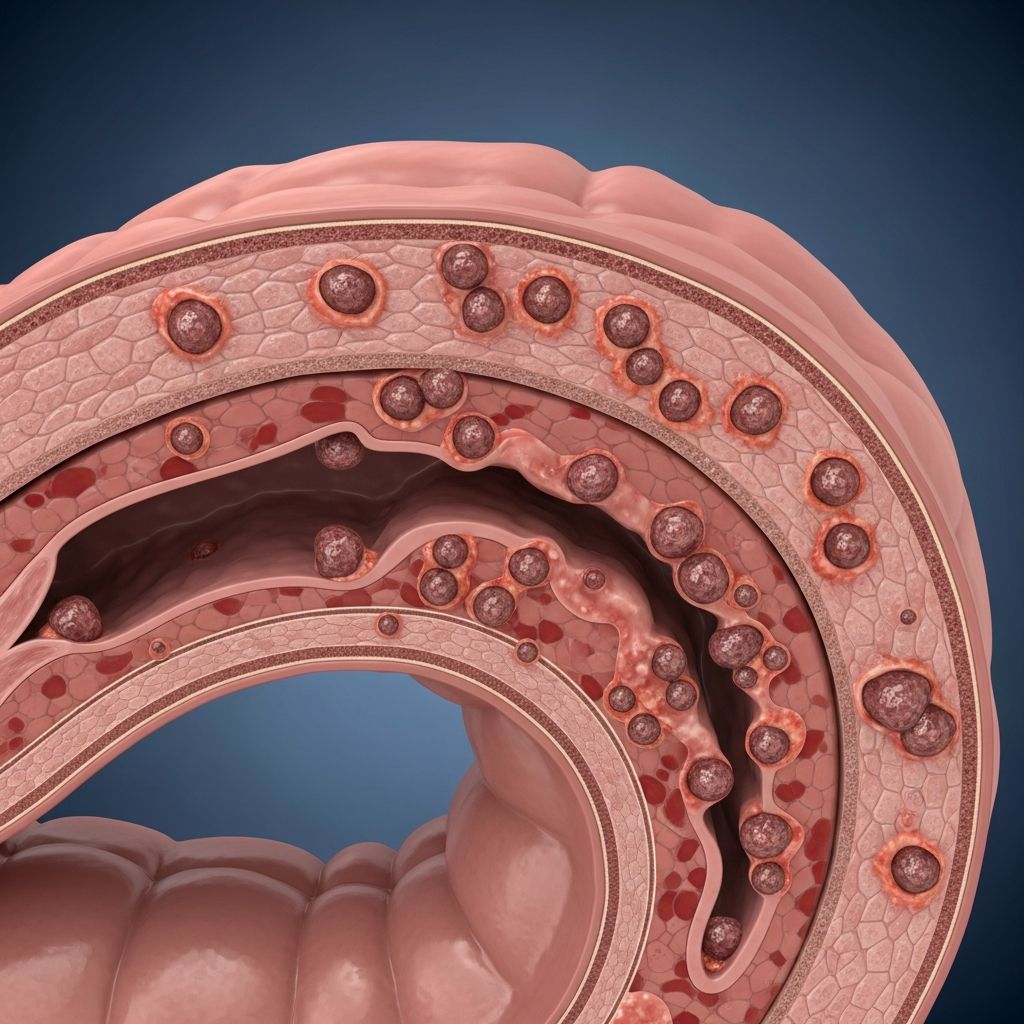
Endometriosis is a chronic estrogen-dependent condition affecting women of reproductive age, where tissue similar to the uterine lining grows outside the uterus. Bowel endometriosis, a form of deep endometriosis (DE), occurs when these lesions infiltrate the bowel wall, most commonly the rectum or sigmoid colon (up to 90% of intestinal cases). It impacts 5-12% of women with endometriosis, often causing cyclical pain, bowel dysfunction, and reduced quality of life.
What Is Bowel Endometriosis?
Deep endometriosis is defined as subperitoneal invasion exceeding 5 mm in depth. Bowel involvement typically presents as a single nodule larger than 1 cm, infiltrating the muscularis propria and surrounding structures from the serosa inward, rarely reaching the mucosa. Lesions are surrounded by smooth muscle hyperplasia and fibrosis, leading to adhesions and anatomical distortion. This can persist even after lesions become inactive, such as post-pregnancy or menopause, though postmenopausal cases exist.1
Symptoms arise from the lesion itself, fibrotic reactions, and nerve involvement. While 5% of larger lesions may be asymptomatic, most women experience severe, cyclical pelvic pain. Disease is often localized to the posterior pelvic compartment, involving uterosacral ligaments, torus uterinum, and vaginal wall alongside the bowel.
Symptoms of Bowel Endometriosis
Symptoms are often nonspecific and cyclical, mimicking irritable bowel syndrome but worsening during menstruation. Key symptoms include:
- Dysmenorrhea: Severe menstrual cramps due to pelvic inflammation.
- Dyspareunia: Deep pain during intercourse, especially in early stages.
- Dyschezia: Painful bowel movements, the hallmark symptom.
- Altered bowel habits: Constipation (most common), diarrhea, or alternating patterns.
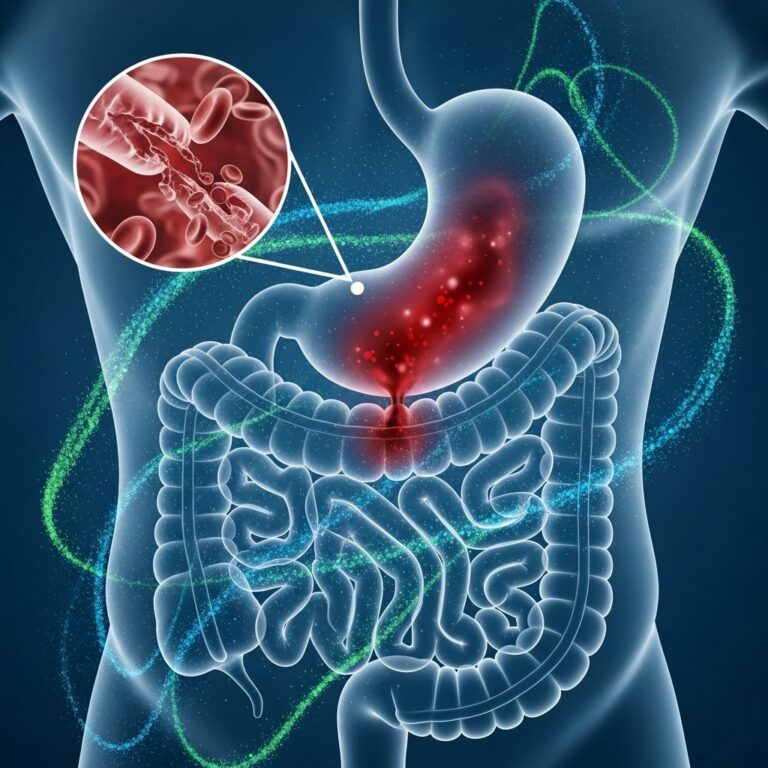
- Rare complications: Rectal bleeding, bowel obstruction in advanced cases.
- Infertility: Associated with pelvic adhesions distorting anatomy.
Constipation may stem from mechanical stenosis, fibrosis, or altered innervation, which surgery may not fully resolve. Any cyclical pelvic or bowel symptoms should prompt suspicion of endometriosis.1
Causes and Risk Factors
The exact cause of endometriosis remains unclear, but theories include retrograde menstruation, genetic predisposition, immune dysfunction, and environmental factors. Bowel endometriosis shares these risks but is more common in deep infiltrating disease. It predominantly affects women aged 30-40 with a history of endometriosis. Pregnancy or menopause may induce regression due to hormonal changes, but fibrotic changes persist.
Diagnosis of Bowel Endometriosis
Diagnosis begins with a detailed history emphasizing cyclical symptoms. No single test is definitive; a multimodal approach is essential.
Clinical Assessment
An experienced clinician elicits symptoms like cyclical dyschezia, constipation, deep dyspareunia, and dysmenorrhea. Rectal exam may reveal nodules, but sensitivity is low.
Transvaginal Ultrasound (TVUS)
TVUS by skilled operators is first-line imaging for rectal/sigmoid involvement (70-88% of cases). It visualizes nodules with typical features: hypoechoic lesions >1 cm, irregular borders, and sliding sign absence indicating adhesions. Sensitivity reaches 90% in expert hands, outperforming MRI for bowel.1
Other Imaging and Tests
- MRI: Useful for multifocal disease or upper bowel involvement.
- Rectal Endoscopy: Rarely needed; confirms mucosal involvement (uncommon).
- Laparoscopy: Gold standard for confirmation, allowing biopsy and staging.
Differential diagnosis includes IBS, inflammatory bowel disease, and colorectal cancer.
Related Stories



Treatment Options for Bowel Endometriosis
Treatment is individualized based on symptoms, fertility desires, and lesion characteristics. Goals: pain relief, preserve organ function, maintain fertility.
Medical Management
Hormonal therapies suppress estrogen-driven growth:
- Progestogens: Reduce nodule size, alleviate cyclical pain and constipation.
- GnRH agonists/antagonists: Induce pseudo-menopause for severe cases.
- Combined oral contraceptives: Continuous use for symptom control.
Medical therapy improves pain by resolving inflammation but has limited effect on fibrosis-related constipation. NSAIDs manage acute pain.1
Surgical Treatment
Indicated for severe, refractory symptoms or obstruction. Laparoscopic excision or segmental resection by specialists yields best outcomes. Trends favor conservative “shaving” of serosal/muscularis lesions over radical bowel resection to minimize complications like anastomotic leak (5-10%). Complete excision improves pain and quality of life, but constipation may persist due to nerve damage. Fertility-preserving approaches are prioritized.1
| Approach | Indications | Pros | Cons |
|---|---|---|---|
| Conservative Shaving | Superficial lesions | Low morbidity, preserves bowel length | Higher recurrence risk |
| Disc Excision | Moderate infiltration | Balances radicality and function | Technical complexity |
| Segmental Resection | Deep, multifocal | Complete removal | High complication rate (10-20%) |
Lifestyle and Supportive Care
Dietary fiber, stool softeners aid constipation. Pelvic floor therapy addresses dyschezia. Multidisciplinary care involving gynecologists, colorectal surgeons, and pain specialists is ideal.
Complications and Prognosis
Untreated, bowel endometriosis can lead to obstruction, hydroureter, or infertility. Surgery risks include fistula, infection, and temporary stoma. Post-surgical pain relief occurs in 70-80% of cases, with quality of life improvements. Recurrence rates are 20-30% within 5 years, necessitating follow-up. Fertility outcomes improve with complete excision.1
When to See a Doctor
Seek care for cyclical pelvic pain, painful defecation, or bowel changes unresponsive to standard treatments. Early diagnosis prevents progression.
Frequently Asked Questions (FAQs)
What is the most common symptom of bowel endometriosis?
Dyschezia (painful bowel movements) is hallmark, often cyclical with menstruation.
Can bowel endometriosis be cured?
No cure exists, but surgery and hormones manage symptoms effectively in most cases.
Does bowel endometriosis affect fertility?
Yes, via adhesions; excision surgery can improve outcomes.
Is surgery always necessary for bowel endometriosis?
No, asymptomatic cases or mild symptoms may respond to medical therapy.
How is bowel endometriosis diagnosed?
Via history, transvaginal ultrasound, and laparoscopy for confirmation.1
Living with Bowel Endometriosis
Support groups, mindfulness, and exercise enhance coping. Track symptoms in a journal for treatment optimization. Consult endometriosis specialists for tailored care.
References
- Bowel Endometriosis: Current Perspectives on Diagnosis and Management — Nezhat C, Agarwal S. 2020-01-15. https://pmc.ncbi.nlm.nih.gov/articles/PMC6996110/
- Deep Endometriosis: More Than Just Pain — Becker CM, et al. Human Reproduction Update. 2022-06-01. https://academic.oup.com/humupd/article/28/5/590/6602990
- Guidelines on Endometriosis Management — European Society of Human Reproduction and Embryology (ESHRE). 2022-11-01. https://www.eshre.eu/Guidelines-and-Legal/Guidelines/Endometriosis-guideline
- Surgical Outcomes in Bowel Endometriosis — Ceccaroni M, et al. Journal of Minimally Invasive Gynecology. 2023-03-15. https://www.jmig.org/article/S1553-4650(23)00045-6/fulltext
Similar Articles








Read full bio of medha deb