Bowel Obstruction: Signs, Symptoms, Causes & Treatment
Understanding bowel obstruction: Learn about causes, symptoms, diagnosis, and emergency treatment options.
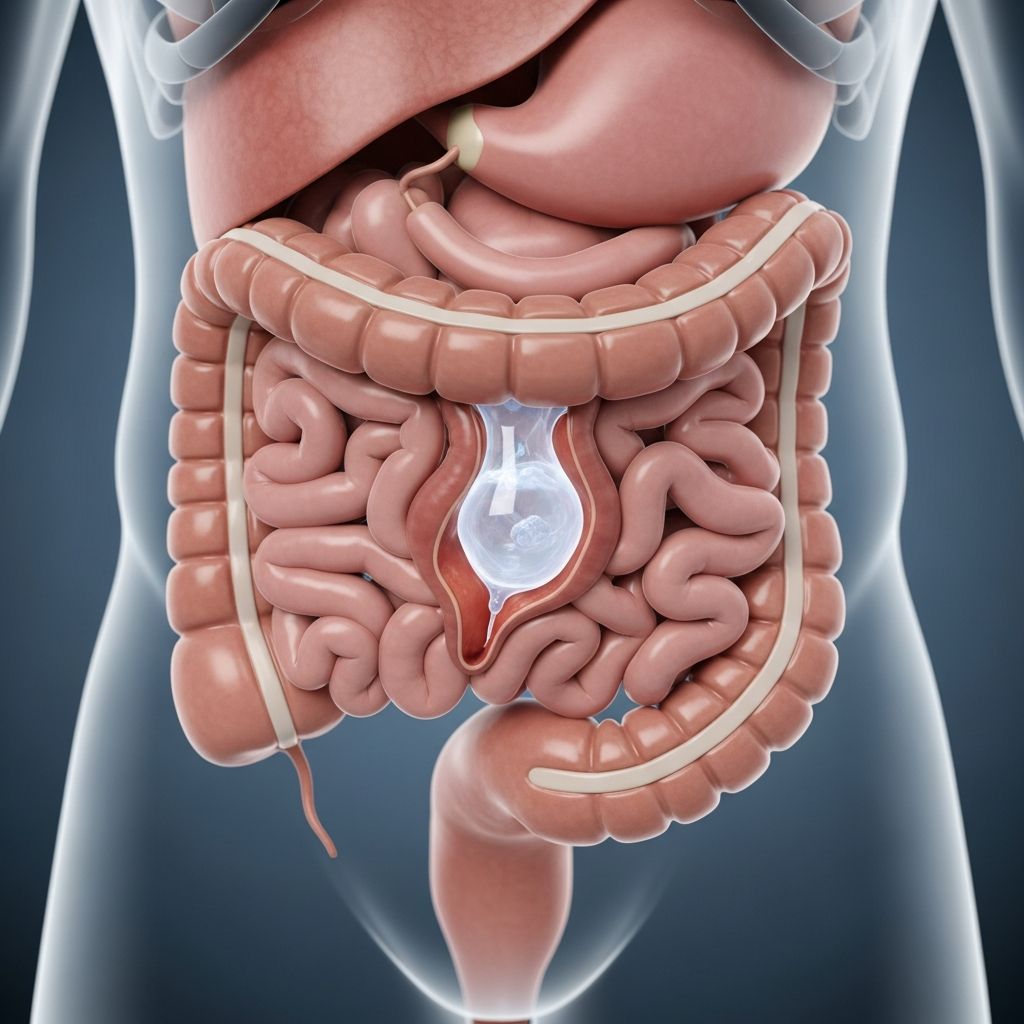
What Is a Bowel Obstruction?
A bowel obstruction is a partial or complete blockage of your small intestine or large intestine (bowels). This serious medical condition occurs when something physically blocks the normal passage of food, digestive juices, and waste through your intestinal tract. When a blockage develops, waste, gas, and digestive juices become trapped behind the obstruction, which can damage the surrounding tissue and lead to severe complications if not treated promptly.
The blockage prevents your bowel from functioning properly, which can quickly become a medical emergency requiring immediate hospital care. Understanding the causes, recognizing symptoms, and knowing when to seek emergency treatment are critical for protecting your health.
Common Causes of Bowel Obstruction
Several conditions and factors can lead to bowel obstructions. The most common causes include:
- Scar tissue (adhesions): Scar tissue forming after abdominal surgery is the most frequent cause of bowel obstruction. These adhesions can tighten over time and restrict intestinal movement.
- Hernias: A hernia occurs when part of the intestine pushes through a weakened area in the abdominal wall, potentially blocking the intestinal passage.
- Colon cancer: Cancerous growths in the colon can narrow the intestinal passage and create blockages.
Additional causes of bowel obstructions may include inflammatory bowel disease, radiation enteritis, enterocutaneous fistulas, small bowel volvulus, and intussusception. Each of these conditions requires specific diagnostic and treatment approaches depending on the underlying cause and severity of the obstruction.
Recognizing Symptoms of Bowel Obstruction
Bowel obstruction symptoms can develop suddenly or gradually depending on whether the blockage is partial or complete. If you experience severe cramping alongside symptoms like bloating and vomiting, seek immediate care.
Common warning signs include:
- Severe abdominal cramping and pain
- Bloating and abdominal distension
- Nausea and vomiting
- Inability to pass stool or gas
- Loss of appetite
- Constipation
- Abdominal swelling
The severity of symptoms often correlates with the location and completeness of the blockage. With a partial bowel obstruction, you may still be able to pass stool, though bowel movements may be more difficult. However, with a complete bowel obstruction, passing gas and stool will likely be impossible.
Can You Still Have Bowel Movements?
Whether you can have bowel movements with a bowel obstruction depends on the severity and location of the blockage. With a partial obstruction, you may still experience bowel movements, though they may be difficult and infrequent. The degree of difficulty depends on how much the blockage restricts intestinal passage.
In contrast, a complete bowel obstruction prevents any passage of stool or gas. This is one of the most telling signs that you have a full blockage rather than a partial one, and it typically indicates a medical emergency requiring immediate surgical intervention.
Diagnosis of Bowel Obstruction
Related Stories



As a bowel obstruction is a medical emergency, diagnosis usually happens quickly, often simultaneously with treatment initiation to prevent loss of critical time. Healthcare providers use several diagnostic approaches:
- Physical examination: Doctors assess your abdomen for tenderness, distension, and bowel sounds.
- Imaging studies: CT scans and abdominal X-rays help visualize the blockage location and severity.
- Blood tests: Laboratory work checks for signs of infection or electrolyte imbalances.
- Patient history: Information about previous abdominal surgeries and medical conditions helps identify potential causes.
Rapid diagnosis is essential because the longer a bowel obstruction goes untreated, the greater the risk of serious complications including tissue death, infection, and sepsis.
Treatment Options for Bowel Obstruction
Most people with bowel obstruction need prompt treatment in the hospital. The specific treatment approach depends on the severity and type of obstruction.
Conservative Treatment
Partial bowel obstructions may respond to nonsurgical treatments designed to stabilize your condition. These approaches include bowel rest, which allows the intestines to heal without the stress of digesting food. During this period, healthcare providers may:
- Restrict oral intake or provide clear liquids only
- Administer intravenous fluids to maintain hydration and electrolyte balance
- Place a nasogastric tube to decompress the stomach and reduce pressure
- Provide pain management and antibiotics if infection is present
Surgical Treatment
Complete obstructions usually require immediate surgery. Surgical options vary based on the cause and may include adhesion lysis to remove scar tissue, hernia repair, tumor removal, or bowel resection if tissue has been severely damaged. For short bowel syndrome cases, specialized surgical techniques such as strictureplasty, bowel tapering, intestinal lengthening procedures like the Bianchi procedure or serial transverse enteroplasty technique, and in severe cases, small bowel transplantation may be considered.
Recovery and Improvement Signs
Most people with bowel obstructions improve after appropriate treatment. Positive indicators that your obstruction is clearing include:
- Ability to pass gas again
- Reduction in bloating and abdominal distension
- Resumption of normal bowel movements
- Decreased abdominal pain and cramping
- Improved appetite
- Return to normal energy levels
Recovery timelines vary depending on the severity of the obstruction, the type of treatment received, and individual healing factors. Following your healthcare provider’s post-treatment instructions is crucial for preventing recurrence.
Complications of Bowel Obstruction
Without emergency care, bowel obstruction complications are life-threatening. Potential serious complications include:
- Tissue death (necrosis): Prolonged obstruction cuts off blood supply to bowel tissue, causing it to die.
- Bowel perforation: Dead tissue can rupture, allowing intestinal contents to spill into the abdominal cavity.
- Infection and sepsis: Perforation leads to life-threatening bacterial infection throughout the abdominal cavity.
- Severe dehydration: Vomiting and inability to absorb fluids causes dangerous electrolyte imbalances.
- Shock: Severe infection or fluid loss can cause circulatory collapse.
These complications underscore the critical importance of seeking immediate medical attention when bowel obstruction symptoms develop.
Prevention and Risk Factors
While not all bowel obstructions can be prevented, understanding risk factors helps with awareness and management. Post-surgical patients face the highest risk, as scar tissue formation is the most common cause. Those with inflammatory bowel disease, previous abdominal surgery, hernias, or family history of bowel obstruction should discuss prevention strategies with their healthcare providers.
Working with specialists experienced in managing these conditions can help optimize outcomes. Cleveland Clinic’s comprehensive approach to bowel obstruction management includes expertise in surgical treatment, intestinal rehabilitation, and management of complications including short bowel syndrome and intestinal failure.
Frequently Asked Questions
Q: Is bowel obstruction always a medical emergency?
A: Yes, bowel obstruction is always a medical emergency requiring immediate care. Even partial obstructions can worsen rapidly and lead to life-threatening complications if left untreated.
Q: Can bowel obstruction resolve on its own?
A: Some partial bowel obstructions may resolve with conservative treatment like bowel rest and hydration. However, complete obstructions typically require surgical intervention and cannot resolve without treatment.
Q: How long does recovery take after bowel obstruction treatment?
A: Recovery time varies depending on whether treatment was surgical or nonsurgical and the severity of the obstruction. Most patients improve after appropriate treatment, with gradual return to normal bowel function over days to weeks.
Q: What should I do if I suspect a bowel obstruction?
A: Seek emergency medical care immediately. Go to the nearest emergency room or call 911 if experiencing severe abdominal pain, persistent vomiting, inability to pass stool or gas, and significant bloating.
Q: Are certain people more likely to develop bowel obstruction?
A: Yes, people with histories of abdominal surgery, hernias, inflammatory bowel disease, or colon cancer have increased risk. Prior obstruction also increases recurrence risk.
Q: Can laparoscopic surgery reduce bowel obstruction risk?
A: Laparoscopic surgery is associated with lower rates of postoperative adhesions compared to open surgery, which may reduce the risk of subsequent bowel obstruction.
References
- Intestinal Failure Management at the Cleveland Clinic — JAMA Surgery, American Medical Association. 2008. https://jamanetwork.com/journals/jamasurgery/fullarticle/406046
- Bowel Obstruction: Signs & Symptoms, Causes, Treatment — Cleveland Clinic. 2023-09-25. https://my.clevelandclinic.org/health/diseases/bowel-obstruction
- Small Bowel Obstruction After Colon Cancer Surgery — American Journal of Emergency Medicine & Allied Research Groups. 2020. https://ales.amegroups.org/article/view/4328/html
Similar Articles








Read full bio of Sneha Tete