Bowel Obstruction Symptoms: 6 Critical Signs To Spot Early
Recognize the critical signs of bowel obstruction, from cramping pain to vomiting, and understand when to seek urgent medical help.
A
bowel obstruction
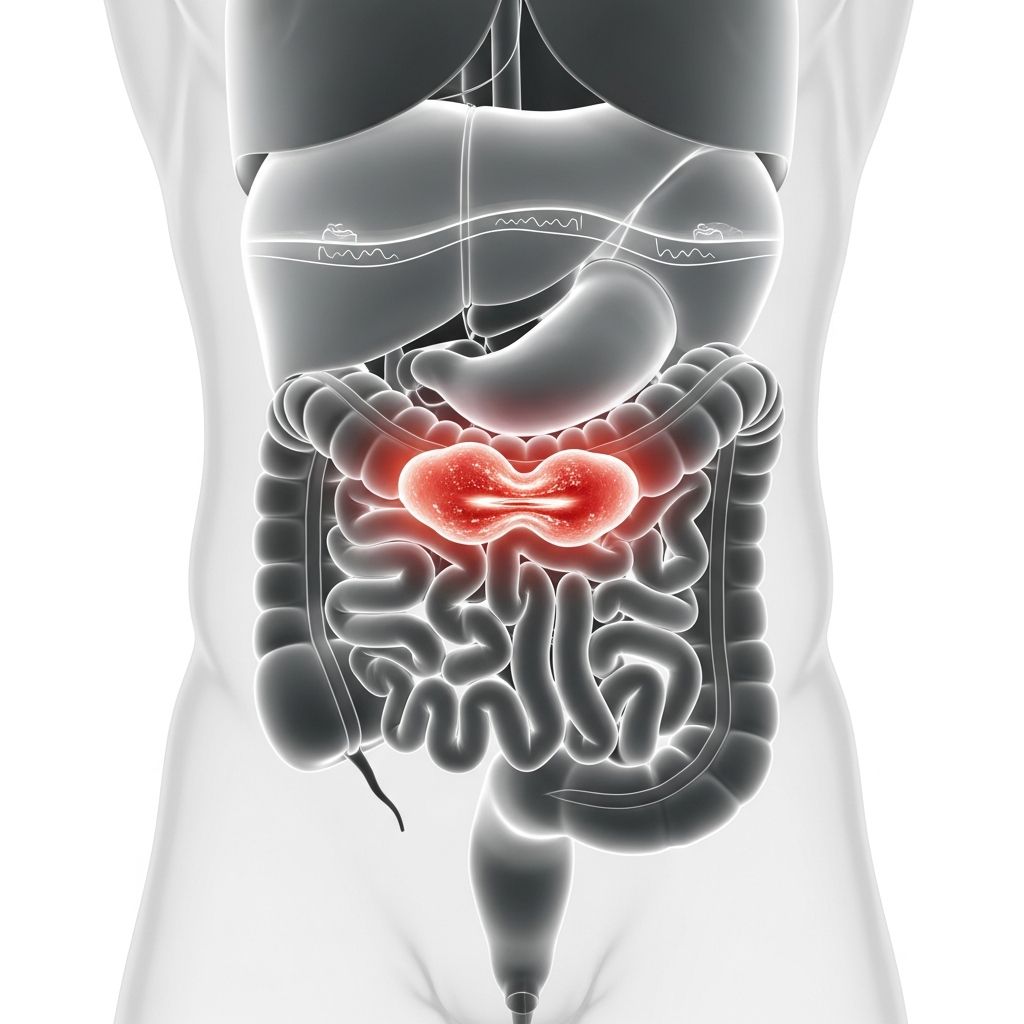
, also known as intestinal obstruction, occurs when the small or large intestine is partially or completely blocked, preventing the normal passage of food, fluids, and gas. This medical emergency can lead to severe complications if not addressed promptly. Symptoms typically include crampy abdominal pain, vomiting, bloating, constipation, and inability to pass gas. Early recognition is crucial, as delays can result in bowel ischemia, perforation, or sepsis.Understanding bowel obstruction symptoms empowers individuals to seek timely care. This article covers symptoms in detail, types of obstructions, causes, diagnosis, treatment, prevention, and FAQs, drawing from authoritative medical sources like Mayo Clinic and Cleveland Clinic.
What Is a Bowel Obstruction?
A bowel obstruction is a blockage in the intestines that impedes the flow of digestive contents. It can affect the
small intestine
(small bowel obstruction, SBO) orlarge intestine
(large bowel obstruction). Small bowel obstructions are more common and often caused by adhesions from prior surgery, while large bowel obstructions frequently relate to tumors like colon cancer.The blockage creates a buildup of fluids and gas proximal to the obstruction, leading to distension. Mechanical obstructions involve a physical barrier, while functional (pseudo-obstruction) results from impaired intestinal motility without a physical block. Complete obstructions halt all passage, while partial ones allow some flow, often presenting with milder initial symptoms.
In the U.S., small bowel obstructions account for a significant portion of surgical emergencies, with postoperative adhesions being the leading cause. Infants and children may exhibit similar symptoms but communicate differently, such as pulling legs to the belly or excessive crying.
Symptoms of Bowel Obstruction
Symptoms of bowel obstruction develop rapidly and intensify over hours to days. The classic triad includes
abdominal pain
,vomiting
, andabdominal distension
, often accompanied by obstipation (severe constipation). Pain is typically crampy and colicky, coming in waves as the intestines attempt peristalsis to overcome the block.- Abdominal pain and cramping: Sharp, intermittent waves every few minutes in small bowel obstructions; more continuous in large bowel cases. Pain localizes around the umbilicus or becomes diffuse.
- Vomiting: Early and frequent in proximal obstructions, starting as gastric contents then becoming bilious or feculent. Persistent vomiting leads to dehydration.
- Abdominal bloating/distension: Visible swelling due to gas and fluid accumulation. The abdomen feels full, tympanitic on percussion.
- Constipation or inability to pass stool/gas: Hallmark of complete obstruction; partial ones may allow diarrhea initially.
- Loss of appetite and nausea: Common early signs, with malaise or overall illness.
- Other symptoms: Breath odor, diarrhea (in partial blocks), fever (if infection develops), tachycardia, or hypotension in severe cases.
Symptom severity varies by obstruction location and type. Proximal small bowel blocks cause more vomiting with less distension, while distal ones lead to pronounced bloating. In strangulated obstructions (with compromised blood flow), pain becomes constant and severe, signaling ischemia.
Types of Bowel Obstruction
Bowel obstructions are classified by anatomy, completeness, and mechanism.
| Type | Description | Key Features |
|---|---|---|
| Small Bowel Obstruction (SBO) | Blockage in the small intestine | Most common; crampy pain in waves, early vomiting, distension |
| Large Bowel Obstruction | Blockage in the colon | Less common; continuous pain, significant distension, linked to cancer (40% of cases) |
| Complete | Total block | No stool/gas passage; high risk of complications |
| Partial | Some flow allowed | Intermittent symptoms, possible diarrhea |
| Mechanical | Physical barrier | Adhesions, hernias, tumors |
| Pseudo-obstruction (Ogilvie’s) | No physical block; motility issue | Similar symptoms from nerve/muscle dysfunction |
| Strangulated | With ischemia | Severe constant pain, fever, peritonitis risk |
Related Stories



Causes and Risk Factors
Causes divide into mechanical and nonmechanical.
Adhesions
from prior abdominal surgery cause 60-80% of SBOs. Other mechanical causes include hernias, tumors, volvulus, gallstone ileus, and inflammatory conditions like Crohn’s disease. Large bowel obstructions often stem from colorectal cancer.Risk factors: Previous surgeries, hernias, inflammatory bowel disease, abdominal tumors, and recent procedures. In children, causes include intussusception or congenital malformations.
Complications of Untreated Bowel Obstruction
Untreated obstructions lead to bowel distension, fluid shifts, dehydration, electrolyte imbalances, and third-spacing. Severe risks include:
- Bowel ischemia/necrosis: Compromised blood flow causes tissue death.
- Perforation: Bowel rupture leading to peritonitis.
- Sepsis: Systemic infection, potentially fatal.
- Metabolic disturbances: Alkalosis from vomiting, hypovolemia.
Strangulated obstructions have high mortality if not surgically addressed promptly.
When to See a Doctor
Seek
immediate emergency care
for severe abdominal pain, persistent vomiting, distension, or inability to pass stool/gas. Accompanying fever, bloody stools, or signs of shock (tachycardia, hypotension) indicate strangulation—call 911. Even mild symptoms warrant prompt evaluation, especially with surgical history.Diagnosis of Bowel Obstruction
Diagnosis starts with history and physical exam: distended tympanitic abdomen, hyperactive (early) or absent (late) bowel sounds, tenderness. Confirmatory tests include:
- Abdominal X-ray: Air-fluid levels, dilated loops, step-ladder pattern.
- CT scan: Gold standard; identifies site, cause, ischemia.
- Ultrasound: Useful in children/pregnancy.
- Barium studies: Contrast enema or upper GI series for detailed views.
- Labs: Electrolytes, CBC for infection/dehydration.
Treatment for Bowel Obstruction
Treatment depends on cause and severity. Conservative management for partial/simple obstructions: NPO, IV fluids, nasogastric tube decompression, electrolytes correction. Monitor 24-48 hours; 70-90% of adhesive SBOs resolve non-operatively.
Surgical intervention for complete, strangulated, or failing conservative cases: Laparotomy/laparoscopy to lyse adhesions, resect bowel, or relieve volvulus. Endoscopic stenting for large bowel obstructions in cancer patients.
Prevention and Outlook
Prevent by managing risk factors: Hernia repair, Crohn’s treatment, careful post-op care to minimize adhesions. Outlook is excellent with prompt treatment; mortality <5% for non-strangulated, higher for delayed cases. Recurrence risk high post-adhesions (up to 30%).
Frequently Asked Questions (FAQs)
What are the first signs of a bowel obstruction?
Crampy abdominal pain, nausea, vomiting, and bloating are early signs.
Can you still poop with a bowel obstruction?
Partial obstructions may allow some stool; complete ones prevent it.
How long can you live with a bowel obstruction?
Hours to days without treatment; seek emergency care immediately.
Does a bowel obstruction go away on its own?
Partial adhesive ones may resolve with conservative care; others require intervention.
Can bowel obstruction cause diarrhea?
Yes, in partial obstructions due to liquid overflow.
References
- Intestinal obstruction – Symptoms & causes — Mayo Clinic. 2023-10-13. https://www.mayoclinic.org/diseases-conditions/intestinal-obstruction/symptoms-causes/syc-20351460
- Bowel obstruction: Symptoms, causes, treatment, and diet — Medical News Today. 2023-11-20. https://www.medicalnewstoday.com/articles/324037
- Intestinal obstruction and Ileus — MedlinePlus. 2024-05-01. https://medlineplus.gov/ency/article/000260.htm
- Bowel Obstruction: Signs & Symptoms, Causes, Treatment — Cleveland Clinic. 2023-08-15. https://my.clevelandclinic.org/health/diseases/bowel-obstruction
- Small Bowel Obstruction — StatPearls, NCBI Bookshelf. 2023-07-17. https://www.ncbi.nlm.nih.gov/books/NBK448079/
- Intestinal Obstruction: Evaluation and Management — American Academy of Family Physicians (AAFP). 2018-09-15. https://www.aafp.org/pubs/afp/issues/2018/0915/p362.html
Similar Articles








Read full bio of medha deb