Bowel Obstruction: Causes, Symptoms, And Treatment Guide
Understand bowel obstruction: symptoms, causes, diagnosis, treatment, and prevention strategies for this serious condition.
A
bowel obstruction
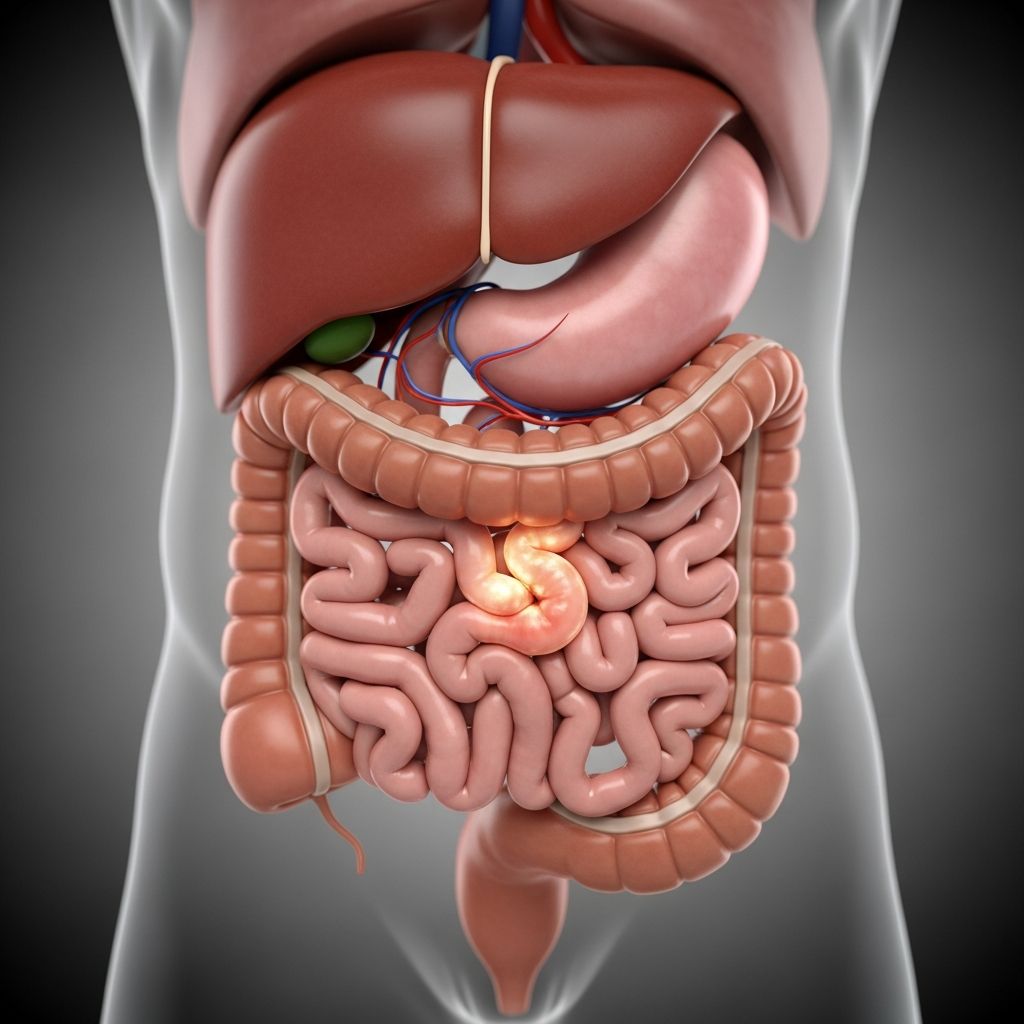
, also known as intestinal obstruction, occurs when the small or large intestine is partially or completely blocked, preventing food, fluids, and gas from passing through. This serious condition affects intestinal transit, leading to a buildup of contents that can cause severe pain, vomiting, and potentially life-threatening complications like bowel ischemia or perforation.Common in emergency settings, bowel obstructions account for significant hospital admissions, with mechanical causes like adhesions being most frequent in developed countries. Prompt recognition is crucial, as untreated cases can lead to tissue death, infection, or rupture.
What Is a Bowel Obstruction?
A bowel obstruction disrupts normal peristalsis—the wave-like muscle contractions that move contents through the intestines. It can affect the
small intestine
(small bowel obstruction, SBO) orlarge intestine
(large bowel obstruction, LBO), with SBO being more common.Obstructions are classified as:
- Mechanical: Physical blockage from adhesions, hernias, tumors, or foreign bodies.
- Functional (pseudo-obstruction): Impaired motility without a physical barrier, often due to ileus from surgery, medications, or electrolytes.
Partial obstructions allow some passage, causing intermittent symptoms, while complete ones halt flow entirely, demanding urgent intervention. In mechanical cases, proximal distension increases pressure, compromising venous flow, causing edema, fluid shifts, and dehydration.
Symptoms of Bowel Obstruction
Symptoms arise from accumulated gas, fluids, and food proximal to the blockage. Classic triad:
abdominal pain
,vomiting
, anddistension
.- Pain: Crampy, colicky, per peristaltic waves; becomes constant if ischemia develops.
- Vomiting: Early with proximal blocks (gastric/bilious); feculent in distal.
- Distension: Progressive bloating, especially in complete obstructions.
- Bowel changes: Constipation, obstipation (no stool/gas), or diarrhea in partial cases.
- Other: Nausea, loud/high-pitched bowel sounds (early), absent sounds (late), dehydration signs (tachycardia, dry mucosa).
Strangulated obstructions add fever, severe tenderness, peritonitis signs—medical emergencies.
Causes of Bowel Obstruction
Causes vary by intestine segment and patient history. Adhesions from prior surgery cause 60-80% of SBOs.
| Type | Common Causes | Details |
|---|---|---|
| Small Bowel | Adhesions (post-op) | Most common; fibrous bands kink bowel. |
| Hernias | Incarcerated inguinal/femoral; external cause. | |
| Tumors/Cancer | Primary or metastatic; intraluminal growth. | |
| Volvulus/Twisting | Midgut malrotation; common in elderly. | |
| Large Bowel | Cancer | Colorectal tumors; 60% of LBOs. |
| Volvulus | Sigmoid/cecal; redundancy. | |
| Diverticulitis | Inflammation/scarring. | |
| Functional | Ileus | Post-op, opioids, electrolytes, sepsis. |
Risk factors: prior abdominal surgery, inflammatory bowel disease (Crohn’s), radiation, medications (opioids, anticholinergics).
Diagnosis of Bowel Obstruction
Diagnosis combines history, exam, labs, and imaging.
- History/Physical: Surgical history key; exam shows distension, tinkling sounds, tenderness.
- Labs: Electrolytes (hypokalemia), CBC (leukocytosis), lactate (ischemia), amylase.
- Imaging:
- Abdominal X-ray: Air-fluid levels, dilated loops (>3cm small bowel).
- CT scan: Gold standard; identifies transition point, ischemia, cause (90% sensitivity).
- Ultrasound: Useful in children/pregnancy; free fluid.
- Contrast studies: Gastrografin for adhesional SBO; therapeutic/prognostic.
Differentiate from similar conditions: appendicitis, pancreatitis.
Treatment for Bowel Obstruction
Treatment: Stabilize, decompress, address cause. Tailored to type/severity.
Nonoperative (Conservative) Management
For partial/simple SBO without peritonitis/ischemia (70-80% success adhesional cases):
Related Stories



- NPO (nil per os), IV fluids/electrolytes.
- Nasogastric (NG) tube: Decompress stomach (low intermittent suction).
- Monitor: Serial exams, vitals, labs; trial 48-72 hours.
- Gastrografin challenge: Resolves 60% obstructions.
Contraindicated in complete/closed-loop/ischemic.
Surgical Management
Indicated: Complete obstruction, no improvement 3-5 days, ischemia, perforation, closed-loop.
- Open/Laparoscopic: Adhesiolysis primary; resection if necrotic/involved.
- LBO: Stent/diverting colostomy for palliation (cancer).
Post-op: Antibiotics if peritonitis; TPN if prolonged.
Complications of Bowel Obstruction
Untreated risks:
- Ischemia/Strangulation: Arterial/venous compromise → necrosis (10-15% SBO).
- Perforation: Peritonitis, sepsis.
- Dehydration/Electrolytes: Hypovolemia, alkalosis.
- Bacterial Translocation: Sepsis.
Mortality: 3-10% strangulated; higher elderly/comorbid.
Prevention and Management After Treatment
Prevention: Minimize adhesions (laparoscopic surgery, anti-adhesion barriers); treat Crohn’s; high-fiber diet; avoid opioids.
Post-treatment: Gradual diet advance (clear liquids → solids); monitor recurrence (20-40% adhesional SBO). Prognosis excellent if treated early (>90% survival simple).
When to See a Doctor
Seek
immediate care
for:- Severe abdominal pain/cramping.
- Vomiting not resolving.
- Distension, no stool/gas >24h.
- Fever, rapid heart rate.
Complete obstruction = emergency; partial may resolve but needs evaluation.
Frequently Asked Questions (FAQs)
What is the most common cause of bowel obstruction?
Adhesions from prior abdominal surgery cause most small bowel obstructions.
Can bowel obstruction go away on its own?
Partial obstructions often resolve with conservative management (NPO, NG tube); complete usually requires surgery.
How long can you live with a bowel obstruction?
Hours to days untreated if strangulated; seek emergency care immediately.
Is bowel obstruction fatal?
Potentially if complications like perforation occur, but most treatable with prompt intervention.
What foods to avoid with bowel obstruction?
During recovery: Low-fiber initially; avoid nuts, popcorn, fibrous veggies to prevent recurrence.
Does drinking water help bowel obstruction?
Hydration aids prevention; during acute: IV fluids essential, oral restricted.
References
- Small Bowel Obstruction – StatPearls — NCBI Bookshelf / National Center for Biotechnology Information. 2023-10-05. https://www.ncbi.nlm.nih.gov/books/NBK448079/
- Bowel Obstruction | Intestinal Obstruction — MedlinePlus / National Library of Medicine. 2024-01-15. https://medlineplus.gov/intestinalobstruction.html
- Bowel obstruction: Symptoms, causes, treatment, and diet — Medical News Today. 2023-11-20. https://www.medicalnewstoday.com/articles/324037
- Bowel Obstruction: Symptoms, Causes, and Treatment — Healthline. 2024-02-10. https://www.healthline.com/health/intestinal-obstruction
- Bowel Obstruction: Signs & Symptoms, Causes, Treatment — Cleveland Clinic. 2023-12-01. https://my.clevelandclinic.org/health/diseases/bowel-obstruction
- Intestinal obstruction – Symptoms & causes — Mayo Clinic. 2024-03-15. https://www.mayoclinic.org/diseases-conditions/intestinal-obstruction/symptoms-causes/syc-20351460
Similar Articles








Read full bio of medha deb