Brachial Neuritis: Causes, Symptoms, and Treatment
Understanding brachial neuritis: A comprehensive guide to symptoms, diagnosis, and treatment options.
Brachial Neuritis: Understanding a Rare Nerve Condition
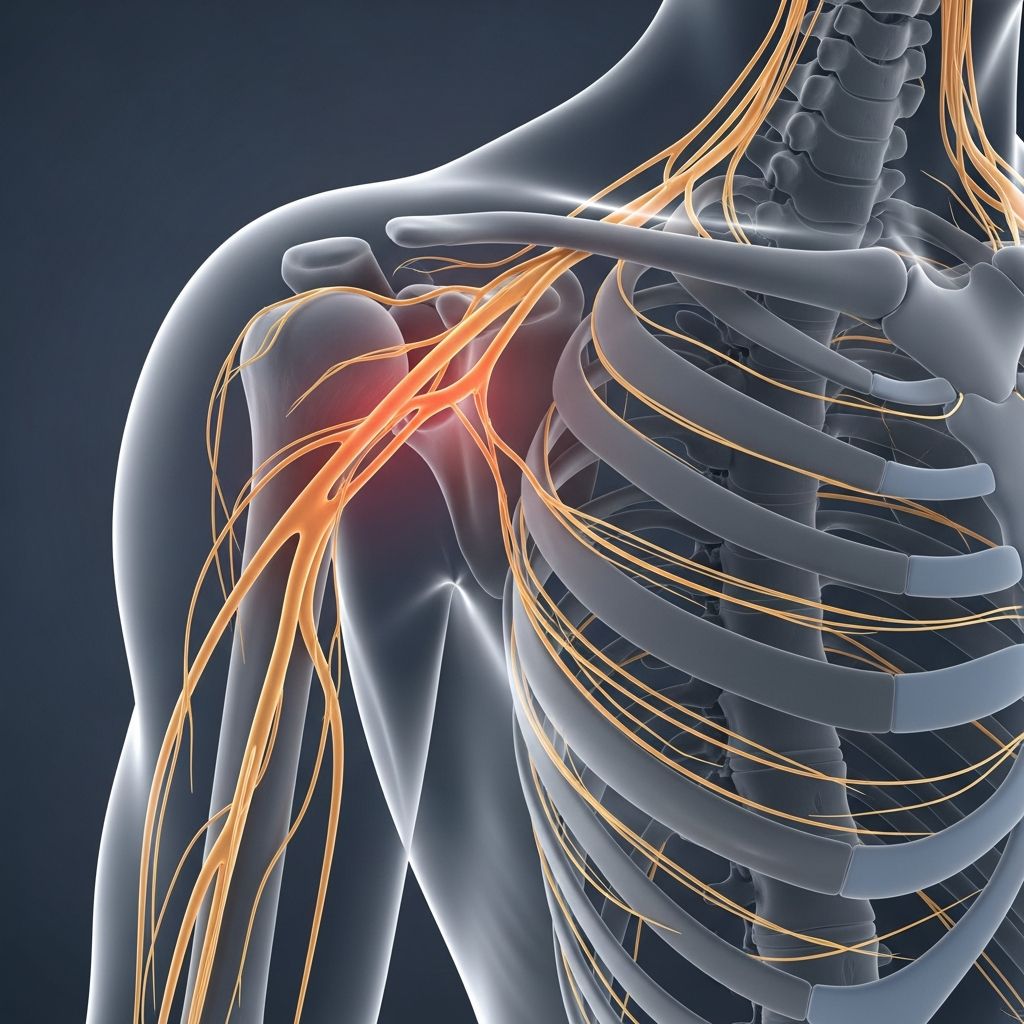
Brachial neuritis is a rare neurological condition that affects the brachial plexus, the network of nerves responsible for transmitting signals from the spinal cord to the chest, shoulder, arms, and hands. Also known as Parsonage-Turner syndrome or brachial plexus neuritis, this condition causes sudden and severe pain followed by weakness and loss of muscle control in the upper extremity. While the exact causes remain incompletely understood, research suggests that immune-mediated mechanisms play a significant role in the development of this condition.
What is Brachial Neuritis?
Brachial neuritis is a form of peripheral neuropathy that involves inflammation and damage to the brachial plexus nerves. The brachial plexus is a complex network of nerves originating from nerve roots C5 through T1 in the cervical and thoracic spine. These nerves travel through the shoulder region and branch out to supply the upper arm, forearm, and hand with motor and sensory function. When inflammation or injury affects these nerves, it disrupts normal signal transmission, resulting in characteristic symptoms of pain, weakness, and sensory changes.
This condition typically presents with a distinctive clinical pattern: intense, burning pain in the shoulder and upper arm region, followed by progressive weakness and muscle wasting over weeks to months. The condition is generally self-limiting, meaning it often resolves on its own over time, though recovery can be prolonged and variable among patients.
Causes and Risk Factors
The exact etiology of brachial neuritis remains unclear, but multiple factors have been identified as potential triggers for the condition. Understanding these causes and risk factors is essential for prevention and early recognition.
Immune-Mediated Mechanisms
Recent research suggests that an abnormal immune response is the primary mechanism underlying brachial neuritis. An autoimmune process may directly attack the brachial plexus nerves or trigger an indirect inflammatory response. In some cases, the immune system may be activated secondary to impairment of the blood-nerve barrier, allowing inflammatory mediators to damage the nerve fibers. This immune-mediated inflammation can cause ischemia, or reduced blood supply to the nerves, which may explain the sudden onset of severe pain characteristic of this condition.
Mechanical and Traumatic Causes
Mechanical stress on the peripheral nerves represents another important category of brachial neuritis causes. Intense upper-body exercise has been identified in approximately 10% of patients with this condition. Heavy labor, trauma to the shoulder girdle, and repetitive strain injuries can all contribute to nerve damage. Even minor shoulder injuries may precipitate the onset of symptoms in susceptible individuals.
Genetic Predisposition
Recurrent brachial neuritis has been associated with a family history of the condition, suggesting a genetic component. Hereditary neuralgic amyotrophy (HNA), an autosomal dominant form of brachial neuritis, indicates that underlying genetic mutations may predispose certain individuals to developing this condition. Point mutations and duplications on specific chromosomes have been identified in familial cases, highlighting the importance of genetic screening in patients with a strong family history.
Other Potential Triggers
Various other factors have been implicated in the development of brachial neuritis, though the evidence remains limited. These include infections, vaccinations, and preceding systemic illnesses. However, in many cases, no identifiable trigger can be found, making this a truly idiopathic condition in a significant portion of patients.
Related Stories



Signs and Symptoms
Brachial neuritis presents with a characteristic clinical pattern that evolves through distinct phases. Recognizing these symptoms early is crucial for prompt diagnosis and treatment initiation.
Acute Phase Symptoms
The acute phase of brachial neuritis is marked by the sudden onset of severe pain. This pain is typically described as intense and burning, localized to the shoulder and upper arm region. A distinctive feature of this pain is that it occurs spontaneously and is not altered by neck movements or arm positioning, which helps differentiate it from cervical radiculopathy. The pain onset is often abrupt, with many patients unable to identify a specific trigger or preceding event.
As the intense pain gradually subsides over days to weeks, muscle weakness becomes increasingly apparent. This weakness affects multiple muscles in the upper arm and shoulder region, leading to difficulty with arm movement and lifting. In severe cases, profound weakness in the shoulder muscles may necessitate the use of a sling for support and protection.
Sensory and Neurological Changes
Sensory deficits are commonly observed in brachial neuritis, though they are rarely the sole presenting symptom. Decreased sensation may be present in areas supplied by affected nerves, with the lateral antebrachial cutaneous nerve being commonly involved. Motor deficits are generally more prominent than sensory changes, affecting muscle strength and coordination more severely than sensation.
When the phrenic nerve is involved, patients may experience diaphragmatic dysfunction, orthopnea (shortness of breath when lying flat), and severe fatigue. These symptoms can significantly impact quality of life and exercise tolerance.
Chronic Phase Presentation
In the chronic phase, clinical features include continued pain, persistent sensory deficits, and musculoskeletal impairment. Some patients develop muscle atrophy, characterized by visible wasting of affected muscles. Recovery of muscle function is typically slow and steady, with functional improvement occurring gradually over 6 to 18 months.
Diagnosis and Diagnostic Tests
While brachial neuritis is primarily a clinical diagnosis based on characteristic symptoms and examination findings, several diagnostic studies help confirm the diagnosis and assess the extent of nerve damage.
Clinical Evaluation
The diagnosis of brachial neuritis begins with a thorough history and physical examination. Clinicians assess the patient’s pain characteristics, onset, progression, and associated symptoms. Neurological examination reveals characteristic patterns of weakness and sensory changes corresponding to the brachial plexus distribution. The sudden onset of severe pain followed by progressive weakness, combined with the absence of neck movement-related pain exacerbation, strongly suggests brachial neuritis.
Electrodiagnostic Studies
Nerve conduction studies and needle electromyography (EMG) are essential diagnostic tools that provide objective evidence of nerve dysfunction. EMG typically reveals evidence of denervation, including fibrillations and positive waves in affected muscles. These studies help identify which specific nerves and muscles are involved and assess the severity of nerve damage. The electrodiagnostic findings support the clinical diagnosis and provide prognostic information regarding the extent of neurological involvement.
Laboratory and Imaging Studies
Laboratory tests may be performed to exclude other conditions and assess for systemic involvement. Imaging studies, including MRI, can identify inflammation of nerve branches and help rule out structural abnormalities such as masses or nerve compression. Multiple nerve branches may show characteristic patterns on MRI imaging that are consistent with brachial neuritis.
Treatment and Management Approaches
Brachial neuritis is a self-limiting condition that often spontaneously resolves; however, various therapeutic interventions can help alleviate symptoms and optimize long-term outcomes. Treatment strategies are typically divided into acute and chronic phases, with management approaches tailored to symptom progression and severity.
Acute Phase Management
Pain Management: Initially, severe pain requires treatment with potent analgesics. Opioid medications and nonsteroidal anti-inflammatory drugs (NSAIDs) are commonly used for acute pain control. Adjuvant neuropathic pain medications, such as tricyclic antidepressants or antiepileptic drugs, are typically less effective in the acute phase due to their slow onset of action. A relatively fast-acting analgesic is needed since the acute pain phase is typically short-lived. After approximately 8 weeks, pain symptoms usually begin to resolve, and pain medication requirements typically decrease significantly.
Corticosteroids and Immunoglobulin: Corticosteroids and intravenous immunoglobulin (IVIG) have been shown to accelerate resolution of acute pain when administered early in the disease course. However, these medications are most effective when initiated within the first two weeks of symptom onset, and their benefit for long-term outcomes or chronic phase symptoms remains debated. Most pharmacologic therapies must be combined with other treatment modalities to effectively manage symptoms.
Physical Therapy and Rehabilitation
Physical therapy is a cornerstone of brachial neuritis management throughout all phases of the disease. Physical therapy helps preserve and restore range of motion, maintains muscle strength during the recovery period, and prevents complications such as shoulder contracture and stiffness. Therapists work with patients to develop adaptive strategies for managing residual pain, fatigue, and weakness. The importance of consistent physical therapy participation cannot be overstated, as it significantly influences long-term functional outcomes.
Surgical Intervention
Surgical therapy is generally reserved for patients with persistent symptoms despite conservative management. Conservative therapies should typically be continued for at least three months, as many patients experience spontaneous resolution of symptoms during this period. For patients with persistent neurological deficits, surgical procedures such as neurolysis (surgical decompression of compressed nerves) or nerve transfer may be considered. In approximately 90% of patients who undergo neurolysis, symptoms improve significantly. Some experts recommend using the degree of nerve constriction evident on imaging to determine whether neurolysis or nerve grafting should be performed.
Supportive Care and Symptom Management
Supportive therapies form an important component of comprehensive brachial neuritis management. Patients may benefit from the judicious use of slings during the acute phase for comfort and protection; however, prolonged sling use should be avoided as it may lead to shoulder contracture and elbow stiffness. Anti-seizure medications and antidepressant medications may be used for chronic neuropathic pain that persists beyond the acute phase. Relaxation techniques and stress management are important, as brachial neuritis frequently results in patient anxiety and emotional stress.
Prognosis and Recovery
Brachial neuritis is generally considered a benign, self-limiting condition with a favorable long-term prognosis. Approximately 90% of patients recover near-normal function within three years of symptom onset. However, recovery timelines vary significantly among individuals. Only about one-third of patients experience complete recovery within one year, while others may require two to three years for full functional restoration. Some patients may experience persistent residual symptoms, including mild pain, fatigue, or weakness, even after apparent clinical recovery.
Many patients’ symptoms begin to resolve within a few months; however, in some cases, symptoms persist for much longer. The recovery process is typically characterized by gradual improvement in muscle strength and function over months to years. Patient education regarding realistic recovery expectations is essential for managing patient anxiety and promoting compliance with rehabilitation programs.
Prevention and Lifestyle Modifications
While brachial neuritis cannot always be prevented, certain lifestyle modifications may reduce symptoms and support recovery. Avoiding cigarettes and alcohol is recommended, as these substances may impair nerve healing. Eating a healthy, balanced diet rich in nutrients supports nerve function and recovery. Regular, appropriate exercise maintains overall fitness and muscle strength without causing excessive mechanical stress on the nerves. Patients should be instructed to avoid heavy lifting and intense upper-body exercise during the acute and early recovery phases.
For patients with a family history of brachial neuritis or hereditary neuralgic amyotrophy, genetic counseling may be beneficial. These individuals should be educated regarding warning signs and should seek prompt medical attention if characteristic symptoms develop.
Patient Education and Adaptive Strategies
Comprehensive patient education is essential for optimizing outcomes and supporting long-term recovery. Clinicians should educate patients that recovery is often prolonged and that symptoms typically resolve gradually rather than acutely. Teaching patients adaptive strategies to manage residual pain, fatigue, and weakness is important for maintaining function and quality of life. Patients should understand the importance of physical therapy participation and be encouraged to maintain compliance with prescribed rehabilitation programs even when progress seems slow.
Counseling patients to use relaxation techniques and decrease environmental stress when possible can help manage the anxiety and emotional stress frequently associated with brachial neuritis. Patients should be encouraged to set realistic functional goals and celebrate incremental improvements in strength and mobility throughout the recovery process.
Frequently Asked Questions
Q: How long does brachial neuritis typically last?
A: Recovery timelines vary significantly, but most patients begin to experience symptom improvement within a few months. However, complete recovery may take one to three years, with approximately one-third of patients recovering within the first year and 90% achieving near-normal function within three years.
Q: Is brachial neuritis permanent?
A: Brachial neuritis is generally self-limiting and not permanent. The vast majority of patients experience significant improvement or complete recovery over time. However, some individuals may experience persistent residual symptoms such as mild pain or weakness even after apparent clinical recovery.
Q: Can brachial neuritis recur?
A: Yes, recurrent brachial neuritis has been documented, particularly in patients with a family history of the condition or hereditary neuralgic amyotrophy. Patients with recurrent episodes should undergo evaluation for underlying genetic predisposition.
Q: What is the role of physical therapy in brachial neuritis treatment?
A: Physical therapy is crucial for preserving range of motion, maintaining muscle strength during recovery, and preventing complications such as shoulder contracture. Regular physical therapy participation significantly influences long-term functional outcomes and should be continued throughout the recovery period.
Q: When should surgery be considered for brachial neuritis?
A: Surgery is typically reserved for patients with persistent symptoms despite at least three months of conservative management. Procedures such as neurolysis may be beneficial in approximately 90% of cases and should be discussed with a specialist if symptoms persist.
Q: Are corticosteroids effective for treating brachial neuritis?
A: Corticosteroids may help reduce acute pain when initiated early in the disease course, particularly within the first two weeks of symptom onset. However, evidence for their long-term benefit or impact on final outcomes remains limited and debated among experts.
Q: What lifestyle changes can help with brachial neuritis recovery?
A: Avoiding cigarettes and alcohol, maintaining a healthy diet, engaging in appropriate regular exercise, and using stress-reduction techniques can all support nerve healing and overall recovery. Patients should avoid excessive mechanical stress during the acute phase.
References
- Brachial Neuritis — NCBI Bookshelf (StatPearls). 2024. https://www.ncbi.nlm.nih.gov/books/NBK499842/
- Acute Brachial Plexus Neuritis: An Uncommon Cause of Shoulder Pain — American Academy of Family Physicians (AAFP). 2000-11-01. https://www.aafp.org/pubs/afp/issues/2000/1101/p2067.html
- Brachial Neuritis — University of Rochester Medical Center. 2024. https://www.urmc.rochester.edu/encyclopedia/content?ContentTypeID=134&ContentID=33
- Parsonage-Turner Syndrome: What It Is, Symptoms & Treatment — Cleveland Clinic. 2024. https://my.clevelandclinic.org/health/diseases/15390-parsonage-turner-syndrome
- Brachial Neuritis — Northwestern Medicine. 2024. https://www.nm.org/conditions-and-care-areas/pulmonary/diaphragm-pacing-program/Parsonage-Turner%20syndrome%20also%20called%20brachial%20neuritis
Similar Articles








Read full bio of medha deb