Bradycardia: Causes, Symptoms & Treatment
Complete guide to understanding bradycardia, its causes, symptoms, diagnosis, and treatment options.
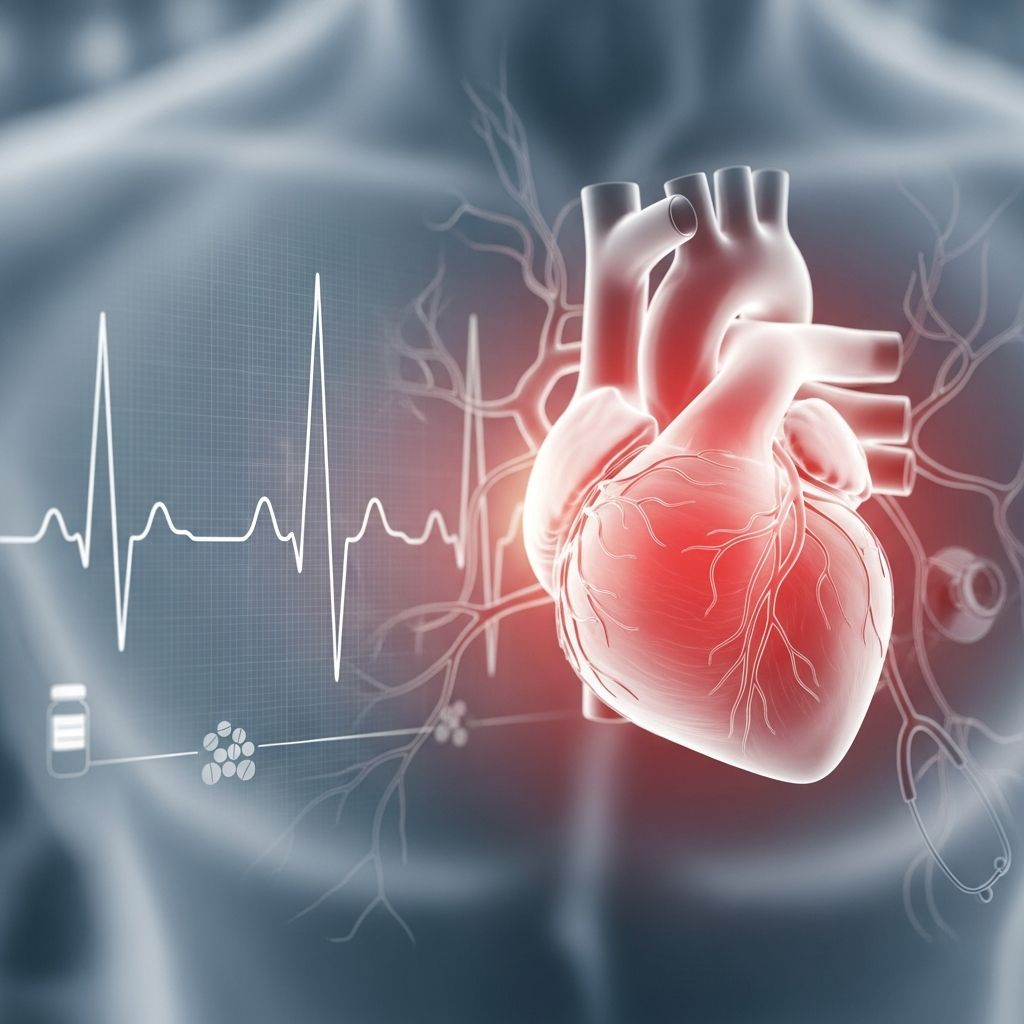
Understanding Bradycardia: What You Need to Know
Bradycardia is a medical condition characterized by a slower-than-normal heart rate. For adults, a normal resting heart rate typically ranges from 60 to 100 beats per minute. When your heart rate falls below 60 beats per minute, it is considered bradycardia. However, this condition doesn’t always mean there’s something wrong with your heart, especially for certain groups of people such as athletes and physically active individuals who may naturally have lower resting heart rates as a sign of cardiovascular fitness.
Understanding bradycardia is important because while some people experience no symptoms at all, others may face serious complications if their heart cannot pump enough oxygen-rich blood throughout their body. The key to managing this condition effectively lies in understanding what causes it, recognizing the symptoms, and seeking appropriate medical evaluation and treatment when necessary.
What is Bradycardia?
Bradycardia refers to an abnormally slow heart rate where the heart beats fewer than 60 times per minute during rest. The term comes from the Greek words “brady” meaning slow and “cardia” meaning heart. While this might sound concerning, it’s important to recognize that bradycardia exists on a spectrum. Some people with bradycardia experience no adverse effects, while others may develop significant symptoms that impact their daily life and require medical intervention.
There are different types of bradycardia, including sinus bradycardia, where the heart’s rhythm remains regular but beats slowly, and heart block, where electrical signals between the upper and lower chambers of the heart are delayed or blocked. Each type has different causes and may require different approaches to treatment.
Causes of Bradycardia
Bradycardia can develop due to various underlying conditions and factors. Understanding these causes is crucial for proper diagnosis and treatment planning. The causes of bradycardia can be categorized into several groups:
Heart-Related Causes
Several heart conditions can lead to bradycardia. Heart damage from previous heart attacks can affect the heart’s electrical system, resulting in slower heart rate. Inflammation of the heart muscle, known as myocarditis, can also cause bradycardia. Heart surgery, particularly procedures involving valve repair or replacement, may damage the electrical pathways that control heart rate. Coronary artery disease, where arteries supplying blood to the heart become narrowed or blocked, can contribute to bradycardia development.
Additionally, hypothermia—a dangerous drop in body temperature—can produce significant changes in heart rhythm, including bradycardia and varying degrees of heart block. When body temperature drops below 32°C, sinus bradycardia ensues with various degrees of atrioventricular block. In hypothermia cases, a stress reaction initially causes sinus tachycardia, but as the temperature continues to drop, bradycardia becomes the predominant rhythm disturbance.
Infections and Inflammatory Conditions
Certain infections can damage the heart and its electrical system. Strep throat can lead to rheumatic fever or rheumatic heart disease, which are serious complications that affect heart function. Lyme disease, transmitted through tick bites, can cause heart conduction problems including bradycardia. Chagas disease, acquired through kissing bug bites, may also result in cardiac complications including slow heart rate.
Related Stories



Metabolic and Hormonal Disorders
Hypothyroidism, a condition where the thyroid gland produces insufficient thyroid hormone, is a common reversible cause of bradycardia. The thyroid hormone plays a crucial role in regulating metabolism and heart function. Other metabolic conditions such as severe hypoglycemia or electrolyte imbalances can also trigger bradycardia. Adrenal insufficiency, where the adrenal glands don’t produce enough cortisol, may contribute to slow heart rate.
Medications and Substances
Several medications commonly prescribed for various conditions can cause bradycardia as a side effect. Beta-blockers, often used to treat high blood pressure and heart disease, work by slowing heart rate and reducing heart workload. Calcium channel blockers also slow heart rate and are used for similar conditions. Anti-arrhythmia medications, prescribed to treat irregular heart rhythms, may paradoxically cause bradycardia in some cases. Other medications that can cause slow heart rate include narcotics, lithium used in psychiatric treatment, depressants, and cannabis.
Other Contributing Factors
Severe stress or prolonged intense athletic training can sometimes result in bradycardia. Radiation therapy to the chest area may damage the heart’s electrical system. Aging naturally leads to changes in heart function, and elderly patients with multiple comorbidities are at higher risk for developing bradycardia. Sleep apnea, a condition where breathing repeatedly stops and starts during sleep, can contribute to heart rate abnormalities including bradycardia.
Symptoms of Bradycardia
The symptoms of bradycardia vary widely depending on how slow your heart rate is and how well your heart can pump blood to your brain and body. Many people with bradycardia experience no symptoms at all and may only discover they have the condition during routine medical checkups.
Common Symptoms
When bradycardia does cause symptoms, the most frequently reported ones include fatigue and weakness, which result from inadequate oxygen delivery to muscles and tissues. Dizziness or lightheadedness occurs when the brain doesn’t receive enough blood and oxygen. Shortness of breath may develop as the heart struggles to meet the body’s oxygen demands during physical activity or even at rest in severe cases.
Chest discomfort or pressure, often described as chest pain, can occur with bradycardia. Some patients report heart palpitations—an uncomfortable sensation of the heart beating irregularly or too forcefully. Fainting or syncope represents a more serious symptom indicating that the brain is severely oxygen-deprived, and requires immediate medical attention.
Symptom Severity and Impact
The presence and severity of symptoms depend on how low the heart rate has dropped and how suddenly the condition developed. People who have developed bradycardia gradually may tolerate lower heart rates better than those who experience sudden onset. Additionally, individuals in excellent cardiovascular condition, particularly endurance athletes, may have naturally lower heart rates without experiencing any symptoms. In contrast, people with existing heart disease or multiple health conditions may develop symptoms even with relatively modest drops in heart rate.
Diagnosis of Bradycardia
Accurate diagnosis of bradycardia requires a combination of clinical evaluation and diagnostic testing. Your healthcare provider will begin with a thorough medical history and physical examination, asking about your symptoms, medications, and any family history of heart disease.
Electrocardiogram (ECG or EKG)
The electrocardiogram is the most important test for diagnosing bradycardia. This non-invasive test measures your heart’s electrical activity using sensors called electrodes that stick to the skin of your chest. The electrodes detect the electrical signals generated by your heart and display them as a wave on a paper printout or digital screen. Healthcare providers analyze this wave pattern to determine if your heart’s rhythm is normal but slow (sinus bradycardia) or if there are abnormalities in electrical conduction (such as heart block with a prolonged PR interval).
Additional Diagnostic Tests
If initial ECG findings are unclear or if your symptoms occur intermittently, your doctor may recommend a Holter monitor or event monitor. These portable devices record your heart rhythm over extended periods—typically 24 to 48 hours for a Holter monitor—allowing doctors to capture bradycardia episodes that may not occur during an office visit. An event monitor can be worn for longer periods and is activated when you experience symptoms.
An echocardiogram may be ordered to visualize your heart’s structure and function using ultrasound waves. This test helps identify any structural abnormalities or damage to the heart muscle that might contribute to bradycardia. Blood tests can help identify metabolic causes such as hypothyroidism, electrolyte imbalances, or other hormonal conditions. An exercise stress test may be performed if your doctor suspects exercise-related bradycardia or if they need to evaluate how your heart responds to increased demand.
Treatment Options for Bradycardia
Treatment for bradycardia depends on the underlying cause, the severity of symptoms, and your overall health status. If you have bradycardia but experience no symptoms, treatment typically is not necessary, especially if the slow heart rate is due to good cardiovascular fitness from regular exercise.
Treating Underlying Causes
In many cases, treating the underlying cause of bradycardia can resolve the condition. If hypothyroidism is responsible for your slow heart rate, thyroid hormone replacement therapy may restore normal heart rate. If certain medications are causing bradycardia, your doctor may adjust the dose or switch you to a different medication. For example, if beta-blockers are causing problematic bradycardia, your healthcare provider might reduce the dose or prescribe an alternative drug. Identifying and treating infections, managing electrolyte imbalances, and optimizing control of other medical conditions can all help normalize heart rate.
Medication Therapy
When bradycardia causes symptoms and an underlying treatable cause cannot be identified or corrected, medications may be prescribed. Atropine, administered intravenously or by injection, is commonly used in hospital settings to speed up heart rate during acute bradycardia episodes. This medication works by blocking the effects of the vagus nerve, which normally slows heart rate. Other medications that may be used include isoproterenol or epinephrine, which stimulate the heart to beat faster.
Pacemaker Therapy
For patients with persistent symptomatic bradycardia unresponsive to medical therapy, a pacemaker may be recommended. A pacemaker is a small electronic device surgically implanted under the skin, usually near the collarbone. The device contains a battery and electrical circuitry that monitors your heart rhythm continuously. When the heart rate drops below a preset threshold, the pacemaker delivers electrical pulses to the heart muscle, stimulating it to contract and maintain adequate heart rate and blood flow.
Temporary pacemakers, which attach electrical contacts to the skin of the chest and send mild electrical currents into the body, may be used in acute situations or during hospitalization. Permanent pacemakers are surgically implanted and can remain in place for many years, providing long-term rate support. Modern pacemakers are sophisticated devices that can adapt heart rate to your activity level and provide various functions depending on your specific needs.
Living with Bradycardia
For most people with bradycardia, the condition doesn’t significantly impact daily life, especially when properly managed. If you have been diagnosed with bradycardia, maintaining overall heart health is essential. This includes eating a heart-healthy diet rich in fruits, vegetables, and whole grains while limiting sodium and saturated fat intake. Regular physical activity, as tolerated and approved by your healthcare provider, supports cardiovascular health. Managing stress through relaxation techniques, meditation, or other stress-reduction methods helps support heart function. Avoiding excessive alcohol consumption and not smoking are particularly important for heart health.
It’s crucial to take all prescribed medications as directed and attend regular follow-up appointments with your healthcare provider to monitor your condition. If you have a pacemaker, follow all guidelines for device care and attend scheduled device checks. Report any new or worsening symptoms to your doctor promptly, including increased fatigue, new onset dizziness, fainting episodes, or increased shortness of breath.
When to Seek Medical Attention
You should call your healthcare provider if you experience symptoms such as persistent fatigue, dizziness, shortness of breath, or chest discomfort. Go to the emergency room immediately if you experience severe chest pain, severe shortness of breath, fainting episodes, or if your symptoms are rapidly worsening. These symptoms could indicate a serious complication requiring urgent evaluation and treatment.
Frequently Asked Questions About Bradycardia
Q: Is a heart rate of 60 beats per minute considered bradycardia?
A: A heart rate of exactly 60 beats per minute is at the threshold and is generally considered normal. Bradycardia is defined as a heart rate consistently below 60 beats per minute. However, the clinical significance depends on individual factors such as fitness level and whether symptoms are present.
Q: Can athletes have bradycardia without it being a problem?
A: Yes, athletes and physically active individuals often have resting heart rates below 60 beats per minute due to improved cardiovascular efficiency. This is a normal adaptation to training and not considered pathological bradycardia, provided the heart otherwise functions normally.
Q: Is bradycardia dangerous?
A: Bradycardia itself is not always dangerous, especially if asymptomatic. However, symptomatic bradycardia where the heart cannot pump sufficient blood and oxygen to the body can be serious and requires medical evaluation and treatment to prevent complications.
Q: How long do pacemaker batteries last?
A: Modern pacemaker batteries typically last 5 to 15 years, depending on how frequently the device needs to pace the heart. Your cardiologist will monitor battery status during regular check-ups and schedule replacement surgery when the battery is depleted.
Q: Can bradycardia go away on its own?
A: Bradycardia can resolve if the underlying cause is identified and treated successfully. For example, treating hypothyroidism or adjusting medications that cause bradycardia may restore normal heart rate. However, some forms of bradycardia, particularly those due to structural heart damage, may be permanent and require ongoing management.
Q: Can I exercise if I have bradycardia?
A: Exercise recommendations depend on your specific situation. Discuss with your healthcare provider what type and intensity of exercise is safe for you. Many people with well-controlled bradycardia can engage in regular physical activity, which actually supports cardiovascular health.
References
- Hypothermia and Severe First-Degree Heart Block — Cleveland Clinic Journal of Medicine. 2018. https://www.ccjm.org/content/85/1/10
- Sinus Bradycardia: Causes, Symptoms & Treatment — Cleveland Clinic. Last updated March 7, 2022. https://my.clevelandclinic.org/health/diseases/22473-sinus-bradycardia
- Bradycardia (Low Heart Rate): Symptoms, Causes, and Treatment — WebMD. https://www.webmd.com/heart-disease/atrial-fibrillation/bradycardia
- Bradyarrhythmia: Symptoms, Causes and Treatment — Cleveland Clinic. https://my.clevelandclinic.org/health/diseases/23349-bradyarrhythmia
- Hypothermia and the Electrocardiogram — Cleveland Clinic Journal of Medicine, Volume 85, Issue 1. 2018. https://www.ccjm.org/content/85/1/10
Similar Articles








Read full bio of Sneha Tete