Bradycardia: Understanding Slow Heart Rate
Learn about bradycardia, a condition characterized by an abnormally slow heart rate.
Understanding Bradycardia
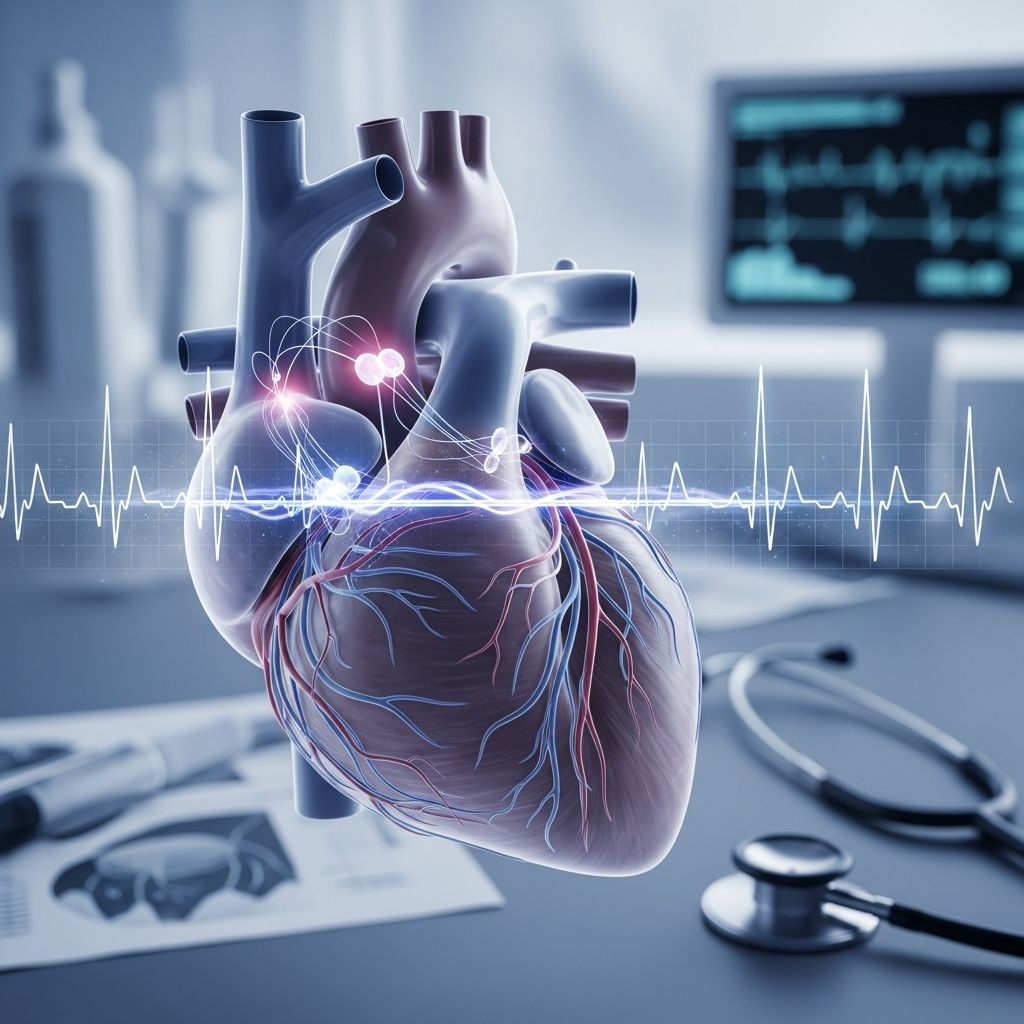
Bradycardia is a medical condition characterized by an abnormally slow heart rate, typically defined as a resting heart rate of less than 60 beats per minute (bpm) in adults, though some medical professionals use a threshold of less than 50 bpm. While a slower heart rate is often associated with better cardiovascular fitness in athletes and physically active individuals, an excessively slow heart rate can reduce the amount of blood flowing to the brain, heart, and other vital organs, potentially causing significant health complications.
The heart’s primary function is to pump oxygenated blood throughout the body to sustain life and maintain proper organ function. When the heart beats too slowly, this vital delivery system becomes compromised, leading to insufficient oxygen and nutrient distribution. Understanding bradycardia is essential for recognizing when a slow heart rate represents normal physiology versus a pathological condition requiring medical intervention.
Symptoms of Bradycardia
Many individuals with bradycardia experience no symptoms at all, particularly in cases of mild bradycardia or when the condition develops gradually, allowing the body time to adapt. However, when symptoms do occur, they typically result from inadequate blood flow to the brain and other organs. Common symptoms include:
- Dizziness or lightheadedness
- Fatigue and weakness
- Shortness of breath (dyspnea)
- Chest pain or discomfort
- Fainting episodes (syncope)
- Difficulty concentrating or memory problems
- Confusion or irritability
- Heart palpitations or irregular heartbeats
The severity and presence of symptoms depend on various factors, including the degree of heart rate reduction, the individual’s overall cardiovascular health, and their ability to compensate for the reduced cardiac output. Some patients with significantly low heart rates may remain completely asymptomatic, while others with less severe bradycardia may experience pronounced symptoms.
Causes of Bradycardia
Bradycardia can result from diverse physiological and pathological causes. Understanding the underlying etiology is crucial for determining appropriate treatment strategies and predicting potential health outcomes.
Normal Physiological Causes
In certain populations, bradycardia represents a normal and desirable condition. Well-trained athletes often develop sinus bradycardia as an adaptation to cardiovascular conditioning, with resting heart rates sometimes falling below 40 bpm. This athletic bradycardia reflects improved cardiac efficiency and is not associated with adverse health outcomes. Additionally, bradycardia naturally occurs during sleep as part of normal circadian rhythm variations in heart rate.
Sinus Node Dysfunction
Sinus node dysfunction (SND), also called sick sinus syndrome, represents one of the primary pathological causes of bradycardia. The sinus node, located in the right atrium, generates the electrical impulses that initiate each heartbeat. When this specialized tissue malfunctions, it can fail to generate adequate electrical signals or allow excessive delays between impulses, resulting in bradycardia. Sinus node dysfunction is particularly common in elderly individuals, with prevalence increasing significantly in those in their 70s and 80s.
Atrioventricular Block
Heart block occurs when electrical impulses traveling from the atria to the ventricles are delayed or completely blocked at the atrioventricular (AV) node. This conduction disorder can range from first-degree block, where impulses are merely delayed, to third-degree block, where no impulses reach the ventricles. Severe forms of AV block result in profound bradycardia and may require pacemaker implantation.
Related Stories



Medications and Medical Conditions
Certain medications that slow heart rate, including beta-blockers, calcium channel blockers, and digoxin, can induce or worsen bradycardia. Some individuals taking these medications may experience bradycardia as a beneficial side effect of their disease management, while others may develop symptomatic bradycardia requiring dose adjustment. Underlying medical conditions such as hypothyroidism, increased intracranial pressure, and myocardial infarction can also precipitate bradycardia.
Other Contributing Factors
Additional causes include obstructive sleep apnea, Lyme disease (which can cause temporary conduction abnormalities), rheumatic heart disease, and electrolyte imbalances. Aging itself contributes to structural and electrical changes in the heart that predispose to bradycardia.
Diagnosis of Bradycardia
Accurate diagnosis of bradycardia involves multiple diagnostic approaches to characterize the rhythm disturbance, identify underlying causes, and assess clinical significance.
Clinical Evaluation
The diagnostic process begins with a comprehensive medical history and physical examination. Healthcare providers assess symptom characteristics, timing, and associations with activity or position changes. Direct attribution of symptoms to bradycardia can be challenging, particularly in asymptomatic patients or those with nonspecific complaints like fatigue, which may have multiple contributing factors.
Electrocardiogram (ECG)
The 12-lead electrocardiogram remains the standard initial diagnostic test for bradycardia. This simple, noninvasive procedure records the heart’s electrical activity and can identify the specific type of bradyarrhythmia, including sinus bradycardia, various degrees of heart block, and other conduction abnormalities. A single ECG provides a snapshot of heart rhythm at the moment of recording but may miss intermittent or paroxysmal arrhythmias.
Ambulatory Monitoring
For patients with intermittent symptoms or suspected paroxysmal bradycardia, extended cardiac monitoring using Holter monitors, event monitors, or continuous wireless monitoring systems helps capture transient rhythm disturbances. These devices record heart rhythm over 24 hours to several weeks, providing valuable diagnostic information about bradycardia frequency, severity, and relationship to symptoms.
Echocardiography
Echocardiography is recommended for patients with symptoms suspected to be cardiac in origin, including syncope, lightheadedness, or presyncope, particularly in individuals with known or suspected structural heart disease. This imaging study assesses cardiac structure and function, identifying conditions like heart failure, valvular disease, or left ventricular dysfunction that may contribute to bradycardia or require specific management considerations.
Exercise Stress Testing
Exercise stress tests evaluate how heart rate responds to physical activity. In healthy individuals, heart rate should increase appropriately with exercise; failure to do so suggests sinus node dysfunction or other significant conduction abnormalities.
Management and Treatment Options
Treatment approaches for bradycardia range from conservative observation in asymptomatic patients to device-based therapy in those with severe symptomatic disease. The 2018 ACC/AHA/HRS guidelines emphasize careful evaluation of disease states rather than automatic device implantation based solely on arbitrary heart rate thresholds or pause duration.
Observation and Monitoring
Asymptomatic bradycardia in patients without underlying structural heart disease typically requires no specific treatment beyond periodic monitoring. Reassuringly, research demonstrates that asymptomatic bradycardia in most adults without cardiovascular disease is not associated with increased cardiovascular events. Regular follow-up ensures stability and allows early detection of symptom development.
Medication Adjustment
When medications cause symptomatic bradycardia, dose reduction or discontinuation of the offending agent may resolve symptoms. However, patients requiring these medications for other conditions require careful risk-benefit analysis before modification.
Treatment of Underlying Conditions
Addressing the root cause of bradycardia often represents the most effective therapeutic approach. For example, treating hypothyroidism with thyroid replacement typically restores normal heart rate, while treating sleep apnea improves nocturnal bradycardia.
Pacemaker Implantation
Permanent pacemakers represent the definitive treatment for symptomatic bradycardia that cannot be managed medically or by treating underlying causes. Modern pacemakers are sophisticated devices that sense intrinsic heart rhythm and deliver electrical impulses only when needed, maintaining adequate heart rate and cardiac output. Pacemaker implantation is recommended for patients with syncope, bundle branch block, and those at high risk for atrioventricular block. Additionally, cardiac resynchronization therapy with pacemaker/defibrillator devices is indicated for patients with reduced ejection fraction and conduction abnormalities who meet specific criteria.
Prognosis and Cardiovascular Outcomes
The prognosis for bradycardia varies considerably depending on the underlying etiology, presence of symptoms, and associated cardiovascular disease. Asymptomatic bradycardia in healthy individuals generally carries an excellent prognosis with normal cardiovascular outcomes. However, the relationship between resting heart rate and cardiovascular outcomes is complex. While higher resting heart rates independently predict poor cardiovascular outcomes, the relationship at the lower end of the spectrum varies based on medication use and underlying health status.
Research indicates that cardiovascular disease incidence is lowest in individuals with heart rates between 50-59 bpm and increases significantly in those with heart rates above 80 bpm. Notably, individuals taking heart rate-modifying medications who develop profound bradycardia may have different risk profiles than those with naturally slow heart rates, suggesting that the clinical significance of bradycardia depends on its context within overall medical management.
Living with Bradycardia
For individuals diagnosed with bradycardia, lifestyle modifications and self-management strategies contribute to overall health and well-being. Maintaining regular physical activity within tolerated limits, managing stress, avoiding excessive alcohol consumption, and adhering to prescribed medications all support cardiovascular health. Patients should maintain regular follow-up appointments with their healthcare providers to monitor for symptom changes and assess treatment efficacy.
Those with pacemakers require periodic device checks to ensure proper function and battery status. Modern pacemakers can transmit data remotely, allowing healthcare providers to monitor device function without requiring frequent office visits. Patients should inform all healthcare providers about their pacemaker, as certain procedures or equipment may interact with the device.
Frequently Asked Questions
Q: Is bradycardia always a sign of heart disease?
A: No. Bradycardia can be normal in athletes and active individuals as a sign of cardiovascular fitness. However, symptomatic bradycardia may indicate an underlying heart condition requiring evaluation.
Q: Can bradycardia go away on its own?
A: In some cases, yes. If bradycardia results from a treatable condition like hypothyroidism or medication side effects, treating the underlying cause may restore normal heart rate. However, primary conduction disorders typically require ongoing management.
Q: Is a pacemaker permanent?
A: Pacemakers are long-term devices typically lasting 7-12 years before battery depletion. While considered permanent implants, they require periodic replacement and maintenance throughout life.
Q: Can I exercise with bradycardia?
A: Many individuals with bradycardia can exercise safely. However, specific recommendations depend on the underlying cause, severity, and whether symptoms occur with exertion. Consult your healthcare provider before beginning or intensifying exercise programs.
Q: What should I do if I develop bradycardia symptoms?
A: If you experience syncope, severe dyspnea, or chest pain, seek immediate emergency care. For milder symptoms like dizziness or fatigue, contact your healthcare provider for evaluation and guidance.
References
- Association of Asymptomatic Bradycardia With Incident Cardiovascular Disease and Mortality — JAMA Internal Medicine. 2016. https://jamanetwork.com/journals/jamainternalmedicine/fullarticle/2482350
- 2018 ACC/AHA/HRS Guideline on the Evaluation and Management of Patients with Bradycardia and Cardiac Conduction Delay — American College of Cardiology/American Heart Association/Heart Rhythm Society. 2018. https://www.ahajournals.org/doi/10.1161/CIR.0000000000000628
- Evaluating and Managing Bradycardia — PubMed Central. 2019. https://pubmed.ncbi.nlm.nih.gov/31311698/
- Bradycardia Diagnosis and Disease Information — The Cardiology Advisor. 2024. https://www.thecardiologyadvisor.com/ddi/bradycardia/
Similar Articles








Read full bio of medha deb