Bradykinesia In Parkinson’s Disease: Causes, Symptoms, Care
Explore the impact of slowed movements in Parkinson's disease, from daily challenges to advanced management strategies for better quality of life.
Bradykinesia, characterized by a noticeable reduction in the speed of voluntary and automatic movements, stands as a defining feature of Parkinson’s disease (PD). This symptom profoundly influences routine activities, from personal grooming to mobility, and requires a multifaceted approach for effective management.
The Neurological Roots of Bradykinesia
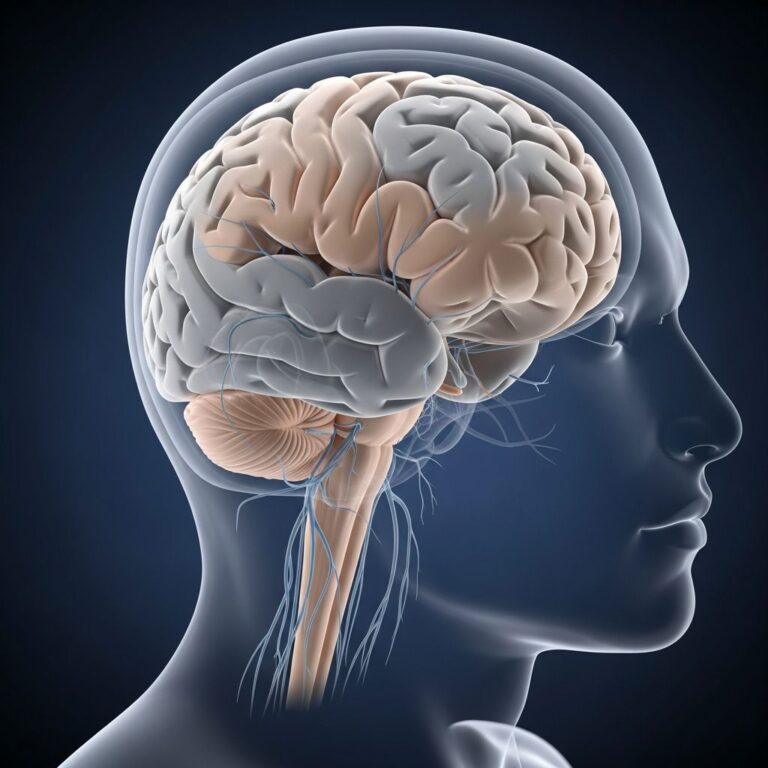
At its core, bradykinesia arises from the progressive loss of dopamine-producing neurons in the substantia nigra, a brain region critical for coordinating smooth motion. This dopamine deficit disrupts the basal ganglia’s role in initiating and scaling movements, leading to both hesitation in starting actions and a general deceleration.
Research highlights that while patients can often achieve normal movement amplitude or force, the time required is extended due to reduced peak velocities. For instance, studies on ballistic arm movements show PD individuals select lower speeds for equivalent distances compared to healthy controls, reflecting impaired movement vigor rather than sheer inability.
Recognizing Bradykinesia in Everyday Life
Bradykinesia manifests subtly at first but escalates, impacting multiple bodily systems. Key indicators include:
- Reduced facial expressivity: A masked or frozen face (hypomimia) with fewer blinks, conveying a flat emotional appearance.
- Micrographia: Progressively smaller handwriting that diminishes in size across a sentence.
- Initiation difficulties: Struggles to start movements, such as rising from a chair or turning in bed.
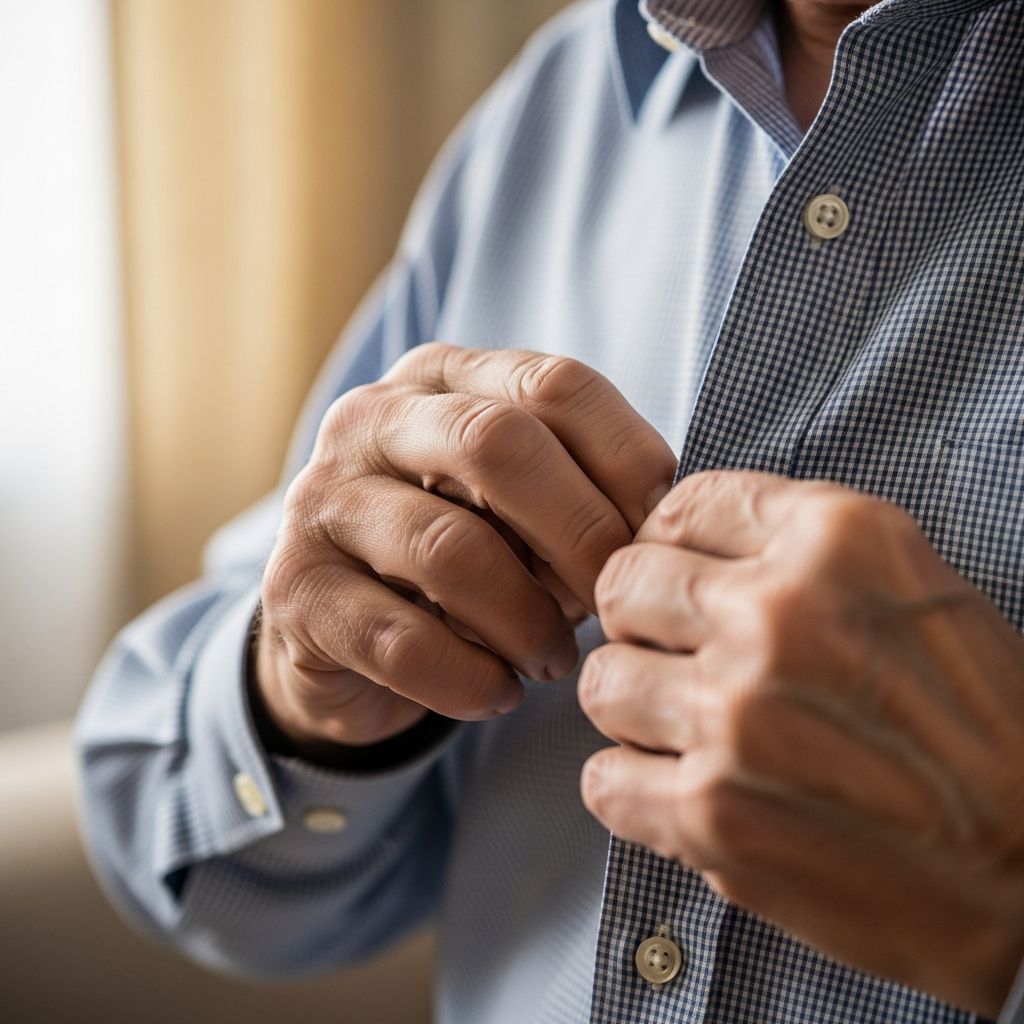
- Fine motor challenges: Tasks like buttoning clothes, brushing teeth, or cutting food become laborious and imprecise.
These changes often pair with other motor signs like tremor or rigidity, forming the diagnostic triad for PD when at least two are present alongside bradykinesia.
Effects on Gait and Posture
Mobility alterations are among the most debilitating aspects of bradykinesia. Early signs include diminished arm swing during walking, evolving into short, shuffling steps known as festination. This gait pattern increases fall risk as postural instability compounds the slowness.
Advanced stages may introduce freezing episodes, where individuals halt abruptly mid-stride, further complicating navigation in crowded or uneven environments.
Speech and Voice Alterations Linked to Bradykinesia
Oral motor control suffers too, yielding a softer, monotone voice with reduced inflection. Speech may trail off, become rapid and slurred, or exhibit stuttering in later PD phases. These vocal shifts stem partly from slowed articulatory muscles and diminished respiratory support.
| System | Manifestations | Daily Impact |
|---|---|---|
| Facial | Mask-like expression, low blink rate | Social misinterpretations, dry eyes |
| Limbs | Slowed reaching, micrographia | Dressing/hygiene difficulties |
| Gait | Shuffling steps, reduced arm swing | Increased falls, fatigue |
| Speech | Soft/monotone voice, hesitations | Communication barriers |
Diagnosing Bradykinesia Accurately
Clinicians assess bradykinesia through standardized exams, observing repetitive tasks like finger tapping, hand pronation-supination, or leg agility tests. Asymmetry often marks early PD, with one side lagging more prominently. Tools like the Unified Parkinson’s Disease Rating Scale (UPDRS) quantify severity, tracking progression.
Diagnosis mandates bradykinesia plus rigidity or rest tremor, excluding mimics like essential tremor or drug-induced parkinsonism via response to levodopa challenge.
Related Stories



Pharmacological Strategies to Combat Slowness
Dopaminergic therapies form the backbone of treatment. Levodopa, converted to dopamine in the brain, remains gold standard, often combined with carbidopa to enhance efficacy and curb nausea. Dopamine agonists (e.g., pramipexole) and MAO-B inhibitors (e.g., rasagiline) extend ‘on’ periods, mitigating fluctuations.
Amantadine aids in reducing dyskinesias during ‘on’ phases. Advanced options like deep brain stimulation (DBS) target subthalamic nucleus or globus pallidus, improving bradykinesia scores by modulating faulty circuits.
Exercise and Physical Interventions
Non-drug approaches yield substantial gains. Aerobic exercise, such as cycling or treadmill walking, boosts dopamine signaling and counters bradykinesia. Targeted programs like LSVT BIG emphasize exaggerated movements to recalibrate motor programming.
- Strength training: Builds muscle power against rigidity.
- Balance exercises: Tai chi or yoga mitigate gait instability.
- Rhythmic cues: Music therapy synchronizes steps, reducing freezing.
Studies confirm regular activity slows symptom progression, enhancing vigor and endurance.
Occupational and Speech Therapies
Occupational therapy (OT) customizes aids like button hooks or weighted utensils, fostering independence. Speech-language pathology via LSVT LOUD amplifies vocal volume and prosody, addressing bradykinesia-related dysphonia.
Lifestyle Modifications for Optimal Management
Daily habits amplify treatments:
- Nutrition: Protein timing avoids levodopa interference; antioxidants support neuronal health.
- Sleep hygiene: Consistent routines combat fatigue-exacerbated slowness.
- Stress reduction: Mindfulness lowers symptom amplification.
Caregivers play vital roles, offering cues without prompting dependency.
Navigating ‘Off’ Periods and Fluctuations
Bradykinesia waxes unpredictably, with ‘off’ times marked by pronounced slowness. Strategies include rescue doses of apomorphine or prompt levodopa intake. Long-term, device-aided therapies like continuous subcutaneous infusions stabilize levels.
Future Directions in Bradykinesia Research
Emerging insights probe computational models of effort sensitivity, suggesting PD alters state transitions between rest and action. Gene therapies and alpha-synuclein targeting promise disease modification. Wearables now track bradykinesia digitally, refining personalized care.
Frequently Asked Questions (FAQs)
What is the main cause of bradykinesia in PD?
Dopamine neuron degeneration in the substantia nigra impairs movement initiation and speed.
Can exercise reverse bradykinesia?
Not reverse, but significantly improve speed and function; consistency is key.
How does bradykinesia differ from fatigue?
It specifically slows motion execution, not just tiredness, testable via repetitive tasks.
Is bradykinesia always symmetric?
No, often unilateral early, progressing bilaterally.
What if medications wear off quickly?
Consult for adjustments; options include agonists or DBS.
References
- Symptoms of Parkinson’s | APDA — American Parkinson Disease Association. 2023. https://www.apdaparkinson.org/what-is-parkinsons/symptoms/
- Bradykinesia (Slowness of Movement) – Parkinson’s Foundation — Parkinson’s Foundation. 2023. https://www.parkinson.org/understanding-parkinsons/movement-symptoms/bradykinesia
- Behavioural insights into bradykinesia in Parkinson’s disease — PMC (National Library of Medicine). 2023-09-01. https://pmc.ncbi.nlm.nih.gov/articles/PMC10473574/
- Parkinson’s disease – Symptoms – NHS — National Health Service (UK). 2023. https://www.nhs.uk/conditions/parkinsons-disease/symptoms/
- Parkinson’s disease – Symptoms and causes – Mayo Clinic — Mayo Clinic. 2023-11-22. https://www.mayoclinic.org/diseases-conditions/parkinsons-disease/symptoms-causes/syc-20376055
- Parkinson’s Disease Physical Exam – Stanford Neurologist — Stanford Medicine (YouTube). 2018. https://www.youtube.com/watch?v=AK0r4_5WhUo
Similar Articles








Read full bio of medha deb