Bradypnea: Causes, Symptoms, and Treatment
Understanding slow breathing: Learn about bradypnea causes, symptoms, and effective treatment options.
What Is Bradypnea?
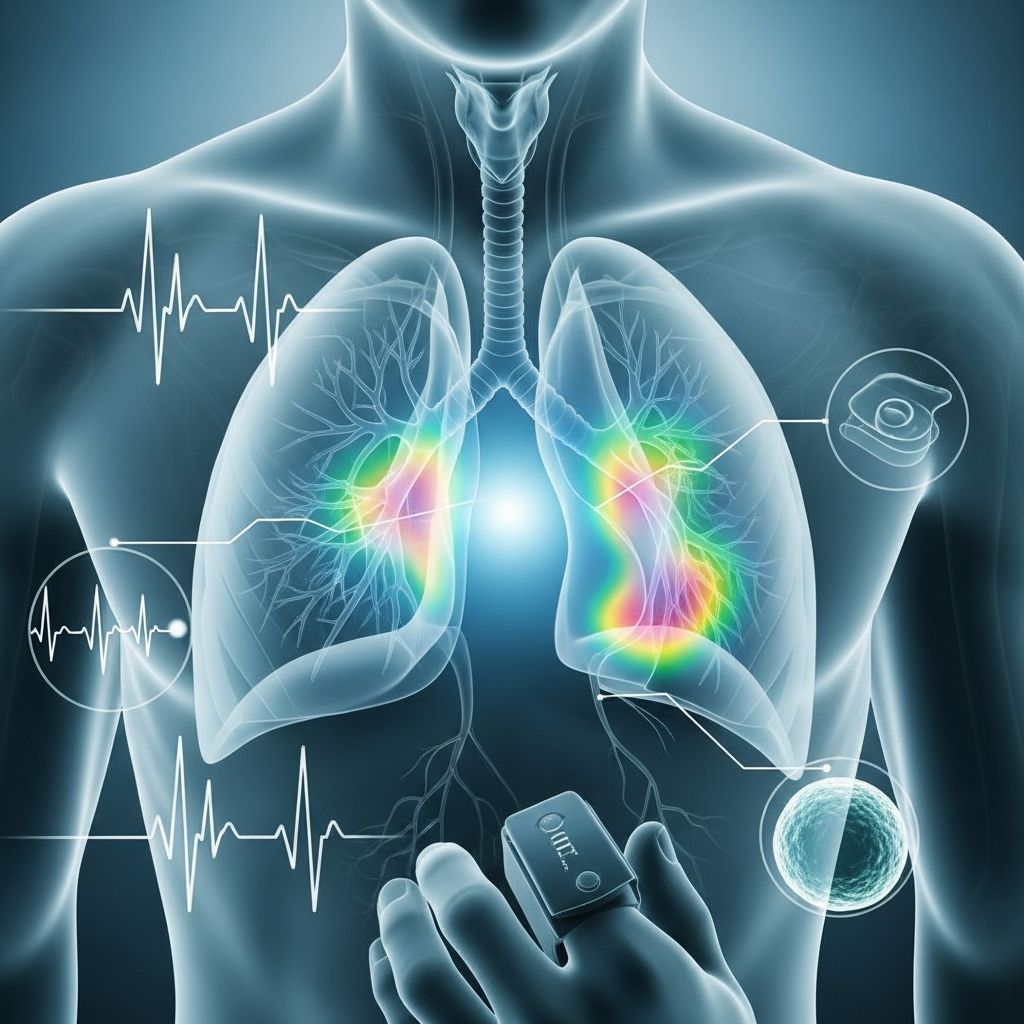
Bradypnea is a medical condition characterized by an abnormally slow respiratory rate. In adults, a breathing rate below 12 breaths per minute while resting may indicate an underlying health problem that requires medical attention. While the normal resting respiratory rate for adults typically ranges between 12 and 20 breaths per minute, individuals with bradypnea experience significantly slower breathing patterns. This condition can occur during both waking hours and sleep, and it differs from other breathing disorders such as apnea (temporary cessation of breathing) or dyspnea (labored or difficult breathing).
Understanding bradypnea is essential because slow breathing can lead to insufficient oxygen delivery to vital organs and tissues throughout the body. Unlike tachypnea, which refers to abnormally rapid breathing, bradypnea represents the opposite end of the respiratory spectrum and can signal various underlying medical conditions that require proper diagnosis and treatment.
How Does Normal Breathing Work?
To understand bradypnea better, it’s important to comprehend the complex mechanisms that control normal breathing. The brainstem, located at the base of your brain, serves as the primary control center for respiration. This critical region sends signals through the spinal cord to the muscles responsible for breathing, particularly the diaphragm and intercostal muscles.
Your brain contains specialized sensors that continuously monitor the oxygen and carbon dioxide levels in your blood. When these sensors detect changes in gas concentrations, they automatically adjust your breathing rate to maintain optimal levels. Additionally, sensors located in your airways respond to the stretching that occurs during the breathing cycle and send feedback signals back to your brain to help regulate respiratory patterns.
Remarkably, you can also voluntarily control your breathing by consciously managing your inhales and exhales, which is the basis for many relaxation and meditation practices. However, when the normal control mechanisms become compromised, conditions like bradypnea can develop.
Common Causes of Bradypnea
Bradypnea can result from numerous factors, ranging from medication side effects to serious medical conditions. Understanding these potential causes is crucial for proper diagnosis and treatment.
Opioid Use and Overdose
Opioids are among the most common causes of bradypnea, particularly in cases of misuse or overdose. These powerful medications attach to specific receptors in the central nervous system, which can dramatically slow your breathing rate. The opioid crisis in the United States has led to increased cases of bradypnea-related complications. Commonly abused opioids that can cause this condition include heroin, codeine, hydrocodone, morphine, and oxycodone.
The danger of opioid-induced bradypnea increases significantly when combined with other substances or conditions. These risk factors include smoking, concurrent use of benzodiazepines, barbiturates, gabapentinoids, or sleep aids, alcohol consumption, obstructive sleep apnea, and preexisting lung conditions such as COPD or lung cancer. Additionally, individuals who ingest drug packets for illegal transport (body packers) face severe risks of developing life-threatening bradypnea.
Hypothyroidism
An underactive thyroid gland, known as hypothyroidism, can lead to bradypnea by reducing the production of essential hormones. When thyroid hormone levels are insufficient, various body processes slow down, including respiration. This condition can also weaken the muscles necessary for breathing and decrease overall lung capacity, contributing to slower breathing patterns.
Related Stories



Exposure to Toxins
Certain environmental and chemical toxins can significantly impact your breathing rate. Sodium azide, a chemical used in automobile airbags, pesticides, and explosive devices, can slow both the central nervous system and cardiovascular system when inhaled in significant quantities. Carbon monoxide, produced by vehicles, oil and gas furnaces, and generators, presents another serious concern. This colorless, odorless gas can be absorbed through the lungs and accumulate in the bloodstream, leading to dangerously low oxygen levels and bradypnea.
Brain and Spinal Cord Injuries
Injuries affecting the brainstem or conditions that increase intracranial pressure can directly impact respiratory control. These injuries may not only cause bradypnea but can also lead to bradycardia (decreased heart rate), creating a compound medical emergency requiring immediate intervention.
Medications and Anesthesia
Various medications used during medical procedures can cause bradypnea. Sedatives, anesthetics, and other perioperative medications may slow breathing as a side effect. This is why medical professionals carefully monitor patients’ respiratory rates during and after surgical procedures.
Lung and Respiratory Disorders
Several chronic lung conditions can contribute to bradypnea, including emphysema, chronic bronchitis, severe asthma, pneumonia, and pulmonary edema. Sleep apnea, a condition characterized by breathing interruptions during sleep, can also lead to abnormally slow breathing patterns.
Neurological Conditions
Diseases affecting the nerves or muscles involved in breathing can cause bradypnea. Examples include Guillain-Barré syndrome, a rare autoimmune disorder, and amyotrophic lateral sclerosis (ALS), a progressive neurodegenerative disease that affects motor neurons controlling breathing muscles.
Psychological and Stress-Related Factors
Research has demonstrated that emotional stress and chronic anxiety can temporarily decrease breathing rate. A 2016 study using animal models found that these psychological factors could lead to short-term reductions in respiratory rate. A particular concern is that prolonged low breathing rates may signal the kidneys to increase blood pressure, potentially contributing to the development of hypertension over time.
Symptoms Associated with Bradypnea
The symptoms accompanying bradypnea vary depending on the underlying cause and severity of the condition. Common symptoms include:
- Lightheadedness and dizziness
- Chronic fatigue and tiredness
- Headaches
- Weakness and poor muscle coordination
- Confusion and cognitive difficulties
- Memory problems
- Chest pain
- Difficulty concentrating
Symptoms specific to the underlying cause may also occur. For instance, opioid use can cause sleep problems, constipation, and decreased alertness. Hypothyroidism may present with lethargy, dry skin, and hair loss. Sodium azide poisoning can trigger headache, dizziness, rashes, weakness, nausea, and vomiting. Carbon monoxide exposure may cause headache, dizziness, cardiovascular complications, breathing failure, and coma.
When Bradypnea Becomes a Medical Emergency
Certain symptoms indicate that bradypnea requires immediate emergency medical attention. Life-threatening warning signs include slowed breathing accompanied by confusion, skin turning blue (cyanosis), or loss of consciousness. If you experience any combination of these symptoms, seek emergency care immediately by calling emergency services or going to the nearest emergency room.
Diagnosis and Evaluation
Healthcare professionals diagnose bradypnea through careful observation and measurement of respiratory rate. A breathing rate below 12 breaths per minute maintained for more than two minutes typically indicates bradypnea. Your doctor will also assess your medical history, current medications, recent exposures to toxins, and any underlying health conditions. Additional diagnostic tests may include blood work to check oxygen and carbon dioxide levels, imaging studies to examine the lungs and brain, and specialized tests to identify specific causes.
Treatment Options for Bradypnea
Treatment approaches depend entirely on the underlying cause of bradypnea. Healthcare providers employ specific interventions tailored to address the root problem:
Opioid-Related Bradypnea
For opioid addiction: Comprehensive addiction recovery programs combined with alternative pain management strategies help address the underlying addiction. For opioid overdose: Naloxone, a medication that blocks opioid receptor sites, can reverse the toxic effects of an overdose when administered in time. This medication has proven lifesaving in numerous overdose situations.
Hypothyroidism Treatment
When hypothyroidism causes bradypnea, daily thyroid hormone replacement medications can restore normal metabolic functions and breathing rates. Regular monitoring ensures proper medication dosing.
Toxin Exposure Management
Treatment for toxin-induced bradypnea typically involves administration of supplemental oxygen, specific poisoning treatments depending on the toxin involved, and continuous monitoring of vital signs to ensure stability.
Head Injury and Brain-Related Causes
Bradypnea resulting from head injuries requires careful monitoring, supportive medical care, and potentially surgical intervention to address the underlying injury and reduce intracranial pressure.
Emergency and Supportive Care
In acute situations where bradypnea poses immediate danger, emergency medical teams may administer supplemental oxygen and implement other life support measures to ensure adequate oxygen delivery to vital organs. For complex cases such as heart disease-related bradypnea, doctors may use breathing masks and supplemental oxygen therapy to maintain sufficient oxygen saturation in body tissues.
Differentiating Bradypnea from Other Breathing Disorders
| Condition | Definition | Key Characteristics |
|---|---|---|
| Bradypnea | Abnormally slow breathing | Below 12 breaths per minute; occurs while awake or asleep |
| Tachypnea | Abnormally rapid breathing | Above 25 breaths per minute; opposite of bradypnea |
| Apnea | Temporary cessation of breathing | Complete pause in breathing; most common during sleep |
| Dyspnea | Labored or difficult breathing | Sensation of breathlessness; feeling unable to get enough air |
Frequently Asked Questions About Bradypnea
Q: What is the normal breathing rate for adults?
A: The normal resting breathing rate for adults is typically between 12 and 20 breaths per minute. Rates below 12 breaths per minute may indicate bradypnea.
Q: Can bradypnea be life-threatening?
A: Yes, bradypnea can be life-threatening, particularly when accompanied by confusion, bluish skin discoloration, or loss of consciousness. These symptoms require immediate emergency medical attention.
Q: How is bradypnea diagnosed?
A: Bradypnea is diagnosed through measurement of respiratory rate (typically below 12 breaths per minute for more than two minutes), medical history assessment, and various diagnostic tests to identify underlying causes.
Q: Can bradypnea be prevented?
A: Prevention strategies vary depending on the cause. Avoiding opioid misuse, maintaining thyroid health, preventing exposure to toxins, and seeking appropriate medical care for underlying conditions can help prevent bradypnea.
Q: What should I do if I suspect I have bradypnea?
A: If you experience persistent slow breathing, seek medical evaluation. If accompanied by confusion, bluish skin, or loss of consciousness, call emergency services immediately.
Q: How does opioid-induced bradypnea differ from other types?
A: Opioid-induced bradypnea occurs because opioids attach to central nervous system receptors and suppress respiratory drive. This type can be reversed with naloxone medication if administered promptly during an overdose.
Q: Can stress cause bradypnea?
A: Research suggests that emotional stress and chronic anxiety can temporarily decrease breathing rate. However, persistent bradypnea from stress should be evaluated by a healthcare professional to rule out other causes.
Conclusion
Bradypnea is a significant medical condition that requires proper recognition, diagnosis, and treatment. Whether caused by medications, toxin exposure, neurological conditions, or other factors, abnormally slow breathing can compromise oxygen delivery to vital organs and tissues. Early identification of symptoms and prompt medical evaluation are essential for determining the underlying cause and initiating appropriate treatment. If you experience signs of bradypnea, particularly when accompanied by warning symptoms, seek professional medical attention to ensure your respiratory health and overall well-being.
References
- Bradypnea: Causes, Symptoms, and Treatment — Healthline. 2024. https://www.healthline.com/health/bradypnea
- Bradypnea: Definition, Causes, and Treatment — Medical News Today. 2024. https://www.medicalnewstoday.com/articles/323647
- Respiratory Depression (Hypoventilation) — Cleveland Clinic. 2024. https://my.clevelandclinic.org/health/diseases/respiratory-depression
- Types of Breathing Problems Explained — WebMD. 2024. https://www.webmd.com/lung/breathing-problems
- Hypoxemia: Causes, Symptoms, Diagnosis & Treatment — Cleveland Clinic. 2024. https://my.clevelandclinic.org/health/diseases/17727-hypoxemia
- Bradypnea: Causes, Symptoms, Diagnosis And Treatment Options — Narayana Health. 2024. https://www.narayanahealth.org/blog/bradypnea-causes-symptoms-diagnosis-and-treatment-options
Similar Articles








Read full bio of medha deb