BRAF Mutation and Cancer: Understanding Genetic Drivers
Learn how BRAF mutations drive cancer development and discover targeted treatment options.
BRAF Mutation and Cancer: A Comprehensive Guide
BRAF mutations represent one of the most significant discoveries in cancer genetics over the past two decades, fundamentally changing how oncologists approach cancer treatment. The identification of these mutations has ushered in an era of precision medicine, where treatments are tailored to the specific molecular profile of individual tumors. Understanding BRAF mutations and their role in cancer development is essential for patients, caregivers, and healthcare providers seeking to optimize cancer care and improve treatment outcomes.
What is the BRAF Gene?
BRAF is a gene located on chromosome 7 that encodes a protein responsible for regulating cell growth and division. The BRAF protein functions as a signaling molecule within cells, transmitting instructions that control critical cellular processes including growth, differentiation, and apoptosis (programmed cell death). Under normal circumstances, this protein operates within a tightly regulated system that ensures cells divide only when appropriate and stop dividing when growth is complete.
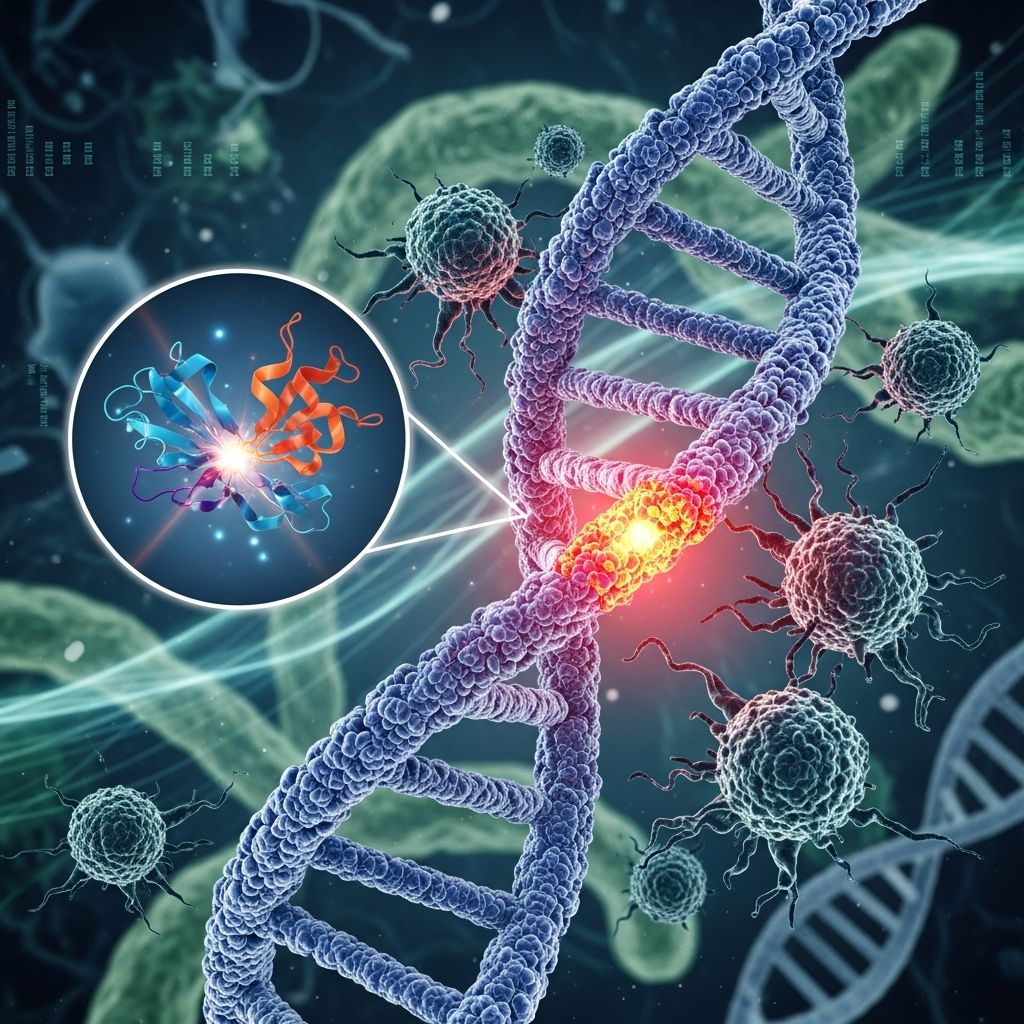
When the BRAF gene becomes mutated, the resulting protein loses its ability to respond to normal growth signals. Instead of functioning as a controlled regulator, the mutated BRAF protein sends continuous signals instructing cells to divide without any off switch. This perpetual growth signal causes cells to divide uncontrollably, a hallmark characteristic of cancer. Scientists have identified numerous different types of BRAF mutations, each with varying implications for cancer development and treatment response.
Types of BRAF Mutations
Among the many BRAF mutations identified, the BRAF V600E mutation stands out as the most common and well-characterized. This particular mutation accounts for approximately 90% of all BRAF mutations found in cancer. The “V600E” designation refers to a specific change in the BRAF protein where valine at position 600 is replaced with glutamic acid.
Beyond V600E, researchers have identified other BRAF mutation classes, including V600K, V600D, V600R, and various non-V600 mutations such as kinase domain fusions. Each mutation class exhibits distinct molecular characteristics and may respond differently to targeted therapies. In pediatric low-grade gliomas, BRAF V600E alterations and BRAF fusions appear with higher prevalence compared to adult tumors, suggesting age-related differences in mutation patterns and disease biology.
Cancers Associated with BRAF Mutations
BRAF mutations have been identified in a diverse array of human cancers. The prevalence of BRAF mutations varies significantly depending on cancer type, with some cancers showing very high mutation rates while others exhibit only rare BRAF alterations.
Melanoma: BRAF mutations occur in approximately 40-50% of cutaneous melanomas, making melanoma the cancer most strongly associated with BRAF alterations. Melanoma patients with BRAF V600E mutations have historically had poorer prognoses compared to those with wild-type BRAF, though targeted therapies have dramatically improved outcomes.
Colorectal Cancer: BRAF V600E mutations are found in 8-12% of metastatic colorectal cancers (mCRC). These BRAF-mutant colorectal cancers represent a distinct subtype characterized by particularly aggressive behavior, poor prognosis, and resistance to standard chemotherapy regimens. Interestingly, BRAF-driven colorectal cancers predominantly arise in the proximal (right-sided) colon, while KRAS mutations more commonly drive distal colon and rectal cancers.
Related Stories



Thyroid Cancer: BRAF mutations have been identified as critical drivers of papillary and anaplastic thyroid cancers, representing central alterations in thyroid cancer pathogenesis. These mutations occur in a substantial proportion of thyroid malignancies and correlate with more aggressive disease behavior.
Glioma: BRAF mutations represent significant drivers of disease in pediatric low-grade gliomas. In adult gliomas, BRAF alterations, particularly BRAF V600E, have been associated with improved survival outcomes in glioma overall, though this survival benefit does not extend to glioblastoma patients. Adult and pediatric BRAF-mutant gliomas demonstrate distinct clinical and molecular features.
Pancreatic Cancer: While BRAF mutations occur in only approximately 2% of pancreatic cancer cases, they represent an important and targetable alteration in this disease. This percentage is actually comparable to or slightly higher than the frequency of other actionable molecular alterations in pancreatic cancer, making BRAF mutation testing clinically relevant.
Other Cancers: BRAF mutations have been identified in non-small cell lung cancer, ovarian cancer, and various other malignancies, though at varying frequencies and with differing clinical implications.
Molecular Pathogenesis and Signaling Pathways
BRAF mutations exert their cancer-driving effects primarily through the MAPK (mitogen-activated protein kinase) signaling pathway, also known as the RAS pathway. This critical pathway regulates fundamental cellular processes including proliferation, survival, and differentiation. The MAPK pathway operates as a cascade of protein kinases that transmit growth signals from cell surface receptors to the nucleus.
When BRAF becomes mutated, it becomes constitutively active, meaning it remains in an “on” state regardless of upstream signaling input. This constant activation of BRAF leads to persistent activation of MEK (mitogen-activated protein kinase kinase), which in turn continuously activates ERK (extracellular signal-regulated kinase). This unrelenting signal cascade drives continuous cell division and survival, ultimately resulting in malignant transformation.
Interestingly, cells with BRAF V600E mutations exhibit a phenomenon called pathway feedback reactivation through the epidermal growth factor receptor (EGFR). When BRAF inhibitors block the mutant protein, cells compensate by upregulating EGFR signaling, creating resistance to single-agent BRAF inhibition. This biological insight has driven the development of combination therapies targeting both BRAF and EGFR simultaneously to overcome this resistance mechanism.
Clinical Implications and Prognosis
The presence of a BRAF mutation carries significant clinical implications that vary depending on cancer type and specific mutation subtype. In colorectal cancer, BRAF V600E mutations are strongly associated with poor prognosis compared with wild-type disease. These patients typically present with more advanced disease and experience shorter overall survival times with standard treatments.
In melanoma, the prognostic implications of BRAF mutations have been substantially altered by the development of effective targeted therapies. While historically representing a poor prognostic marker, BRAF-mutant melanomas now respond dramatically to BRAF-targeted treatments, often resulting in significantly improved outcomes compared to melanoma patients without BRAF mutations who receive standard therapies.
Additional molecular features often accompany BRAF mutations and influence clinical behavior. For instance, BRAF-driven proximal colon cancers demonstrate a very high frequency of DNA methylation in gene regulatory elements such as CpG islands. These epigenetic modifications regulate whether genes are turned on or off, contributing to the distinct molecular characteristics of BRAF-mutant colorectal cancers.
Targeted Treatment Options
The discovery of BRAF mutations has revolutionized cancer treatment through the development of targeted therapies specifically designed to inhibit the mutant protein. These precision medicines represent a paradigm shift from traditional chemotherapy toward personalized, mutation-directed treatment approaches.
BRAF Inhibitors: Encorafenib is a small molecule BRAF inhibitor that specifically targets the mutant BRAF protein and key enzymes in the MAPK signaling pathway. This targeted approach selectively inhibits cancer cells harboring BRAF mutations while minimizing effects on normal cells. Encorafenib has demonstrated remarkable efficacy in multiple cancer types.
MEK Inhibitors: Binimetinib belongs to a class of medications called kinase inhibitors, functioning as a mitogen-activated protein kinase (MEK) inhibitor. By blocking MEK function, binimetinib interrupts the downstream signaling cascade activated by mutant BRAF, effectively shutting down the proliferative signal sent to cancer cells.
Combination Therapies: Clinical experience has demonstrated that combining BRAF and MEK inhibitors produces superior results compared to single-agent therapy. This combination approach addresses the feedback reactivation phenomenon by blocking signals at multiple points in the pathway. Furthermore, adding EGFR inhibition to BRAF and MEK inhibitors may provide additional benefit by preventing bypass signaling.
Encorafenib Plus Cetuximab in Colorectal Cancer: The combination of encorafenib (a BRAF inhibitor) and cetuximab (an EGFR inhibitor) represents an important advancement for metastatic colorectal cancer patients with BRAF V600E mutations. When combined with chemotherapy (mFOLFOX6), this triple-drug approach significantly improves outcomes compared to chemotherapy alone, with demonstrated improvements in response rates and overall survival.
FDA-Approved Treatments
In the United States, several targeted therapies have received FDA approval for BRAF-mutant cancers:
The combination of encorafenib and binimetinib is approved for treating unresectable or metastatic melanoma with BRAF V600E or V600K mutations. This dual-targeted approach has become standard of care for these patients, offering dramatically improved survival compared to traditional chemotherapy.
Encorafenib in combination with cetuximab has received approval for previously treated patients with metastatic colorectal cancer harboring BRAF V600E mutations. This combination addresses the unique challenges of BRAF-mutant colorectal cancer, which typically shows resistance to standard chemotherapy approaches.
Additional BRAF inhibitors are approved for use in combination with MEK inhibitors in melanoma and non-small cell lung cancer, representing the emerging standard of care for BRAF-mutant malignancies in these disease categories.
Challenges in BRAF-Mutant Cancer Treatment
Despite significant progress in targeted therapy development, several challenges remain in effectively treating BRAF-mutant cancers. One major obstacle is the development of resistance to BRAF inhibitors. Colon cancers are particularly notorious for developing resistance to these inhibitors through various mechanisms, including activation of alternative signaling pathways and additional genetic alterations.
Drug performance differs dramatically across cancer types. While BRAF inhibitors and combinations demonstrate outstanding efficacy in melanoma, these same treatments have not performed as well in colorectal cancers, indicating that the biological context of BRAF mutations varies significantly depending on tissue of origin. Understanding these mechanistic differences is crucial for improving treatment strategies.
Research has identified that loss of the CDX2 transcription factor in proximal colon stem cells allows BRAF mutations to drive tumor initiation, whereas loss of CDX2 in distal colon does not significantly promote BRAF-driven transformation. These regional differences in molecular biology contribute to the distinct patterns of BRAF mutations (proximal colon) versus KRAS mutations (distal colon and rectum) observed clinically.
Testing for BRAF Mutations
Identifying BRAF mutations is essential for patients with appropriate cancer types, as the presence of these mutations directly impacts treatment selection. BRAF mutation status is detected through molecular testing of tumor tissue using FDA-approved tests. These tests analyze DNA from cancer cells to identify specific BRAF mutations.
For patients with metastatic colorectal cancer, BRAF mutation testing is now recommended as part of standard molecular profiling. Similarly, melanoma patients are routinely tested for BRAF mutations to guide targeted therapy selection. Patients with thyroid cancer, glioma, pancreatic cancer, and lung cancer should also be considered for BRAF testing depending on tumor characteristics and clinical context.
Future Directions in BRAF-Targeted Therapy
Ongoing research efforts focus on overcoming resistance mechanisms and improving the efficacy of BRAF-targeted approaches. Scientists are investigating novel combination strategies that target multiple pathways simultaneously, potentially preventing or delaying the emergence of drug-resistant cancer cells. Understanding the central mechanisms that create resistance in different cancer types remains a priority, with particular focus on identifying additional therapeutic targets that could be combined with BRAF inhibitors.
Research continues into the molecular pathogenesis of BRAF-mutant cancers in different tissue contexts, aiming to explain why these mutations drive cancer more aggressively in some locations than others. This fundamental knowledge will likely yield more effective treatment strategies tailored to specific cancer types and anatomic locations.
Frequently Asked Questions
What percentage of cancers have BRAF mutations?
The frequency of BRAF mutations varies significantly by cancer type. Melanoma shows the highest prevalence at 40-50%, colorectal cancer at 8-12%, thyroid cancer at substantial rates, and pancreatic cancer at approximately 2%. Most other cancer types show BRAF mutation rates below 5%.
Is BRAF mutation always a bad sign?
BRAF mutations indicate cancer is present and typically signal more aggressive disease when untreated. However, because BRAF mutations are highly targetable with specific drugs, their presence often leads to better treatment outcomes when appropriate targeted therapies are used compared to standard chemotherapy.
Can BRAF mutations be inherited?
BRAF mutations in cancer are typically somatic mutations that occur only in cancer cells. Inherited germline BRAF mutations are extremely rare. Most BRAF mutations in cancer develop spontaneously during the lifetime of an individual.
What should I do if my tumor has a BRAF mutation?
If your tumor harbors a BRAF mutation, discuss targeted therapy options with your oncologist. Depending on your cancer type, approved combinations of BRAF inhibitors, MEK inhibitors, and sometimes EGFR inhibitors may significantly improve outcomes compared to traditional chemotherapy alone.
How quickly do BRAF-targeted drugs work?
BRAF-targeted therapies often work relatively quickly, with some patients experiencing tumor shrinkage within weeks of starting treatment. However, individual responses vary, and your oncologist will monitor your progress with imaging and clinical assessments.
References
- Integrated molecular and clinical analysis of BRAF mutant glioma — Johns Hopkins University, Department of Neurosurgery. 2023. https://pubmed.ncbi.nlm.nih.gov/38098268/
- Encorafenib, cetuximab and chemotherapy in BRAF-mutant metastatic colorectal cancer — Nature Medicine. 2025. https://www.nature.com/articles/s41591-024-03443-3
- New Study Targets Specific BRAF Mutation — Let’s Win Pancreatic Cancer Research Initiative. 2024. https://letswinpc.org/research/target-braf-mutation/
- Transcription factor plays pivotal role in right-sided colon cancers — eLife Sciences. 2023. https://ecancer.org/en/news/24311-transcription-factor-plays-pivotal-role-in-right-sided-colon-cancers
- BRAF Mutations and the Utility of RAF and MEK Inhibitors in Primary Brain Tumors — National Center for Biotechnology Information. 2019. https://pubmed.ncbi.nlm.nih.gov/31466300/
- Selectively Targeting Mutant BRAF in Thyroid Cancer — Journal of Clinical Endocrinology & Metabolism. 2010. https://academic.oup.com/jcem/article-pdf/95/1/60/10417864/jcem0060.pdf
- Progress and Challenges in Targeting BRAFV600E-mutant Colorectal Cancer — Japanese Medical Journal. 2024. https://www.jstage.jst.go.jp/article/ejmj/advpub/0/advpub_JMJ25-0012-R/_article/-char/en
Similar Articles








Read full bio of medha deb