Brain Abscess: A-to-Z Guide to Diagnosis and Treatment
Comprehensive guide to understanding brain abscess causes, symptoms, diagnosis, and evidence-based treatment options.
Understanding Brain Abscess: A Comprehensive Guide
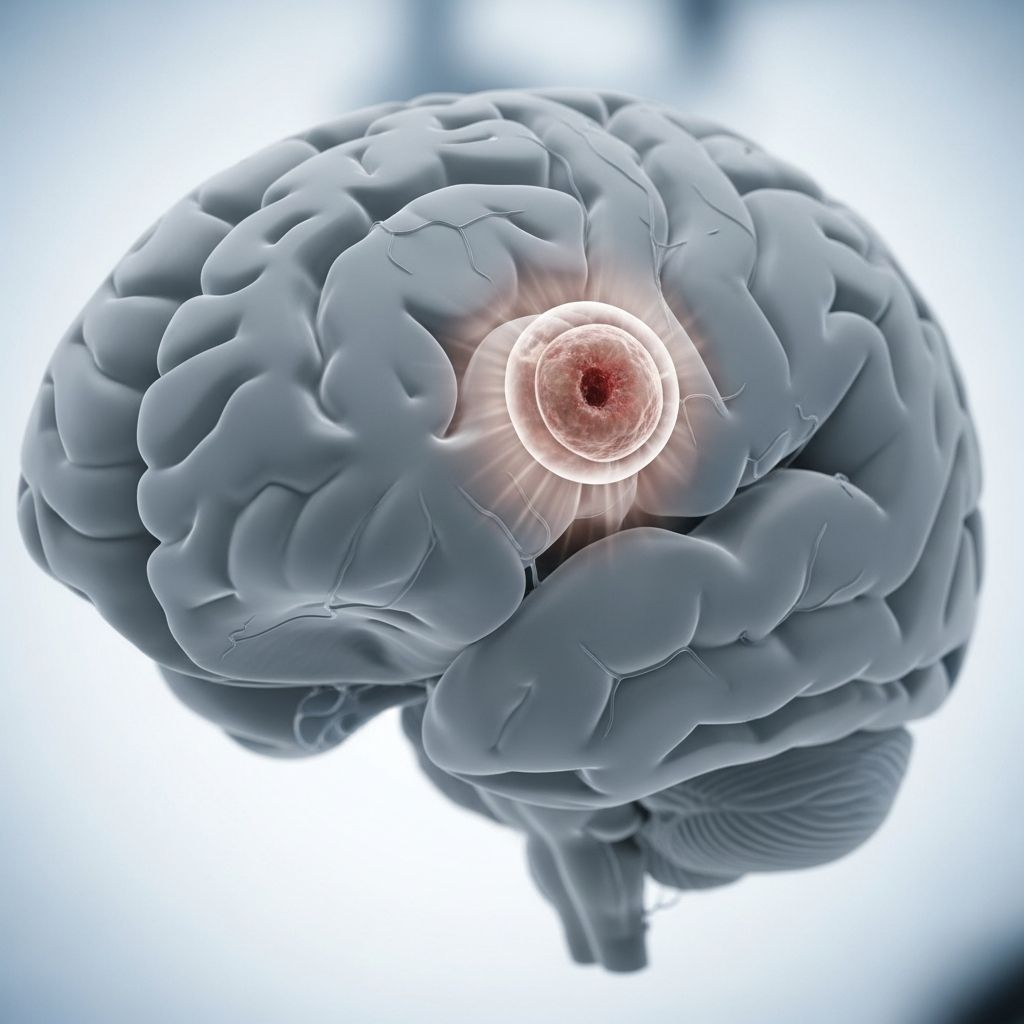
A brain abscess is a localized collection of pus and infected material that develops within the brain tissue, resulting from bacterial or fungal infections. This serious neurological condition represents a medical emergency that requires prompt diagnosis and treatment to prevent permanent brain damage or death. While the risk of developing a brain abscess is relatively low, the condition demands immediate medical attention when suspected, as delayed treatment can lead to severe complications including brain damage, meningitis, and fatal outcomes.
What Is a Brain Abscess?
A brain abscess is fundamentally a collection of pus, immune cells, and necrotic material that accumulates within the brain parenchyma following an infection. The condition typically develops through a process called focal cerebritis, which evolves into an encapsulated abscess over several weeks. In the early stages (within the first 1-2 weeks), the lesion appears poorly demarcated with acute inflammatory changes, vascular congestion, and localized cerebral edema. As the infection progresses over 2-3 weeks, necrosis and liquefaction occur, and the abscess becomes encapsulated by a distinct capsule composed of an inner layer of granulation tissue, a middle collagenous layer, and an outer astroglial layer.
How Does a Brain Abscess Develop?
Brain abscesses can develop through three primary mechanisms:
- Direct Spread: An infection in another part of the skull, such as an ear infection (otitis media), sinusitis, or dental abscess, can spread directly into the brain tissue.
- Hematogenous Spread: An infection in another part of the body—for example, pneumonia or other systemic infections—can spread into the brain via the bloodstream.
- Trauma: A severe head injury that cracks open the skull can allow bacteria or fungi to enter the brain directly.
The most common causative organisms are Staphylococcus and Streptococcus species, though fungal infections can also occur, particularly in immunocompromised patients.
Risk Factors for Brain Abscess
Certain conditions and circumstances increase the likelihood of developing a brain abscess. Immunocompromised states significantly elevate risk, including HIV/AIDS, organ transplantation, and prolonged corticosteroid use. Patients with congenital heart disease, particularly cyanotic heart disease, face increased susceptibility. Additionally, chronic infections in nearby structures—such as chronic ear infections, chronic sinusitis, or poor dental hygiene—increase vulnerability. Recent head trauma and cardiac procedures also represent important risk factors that healthcare providers must consider when evaluating patients with concerning neurological symptoms.
Recognizing the Symptoms
Brain abscess manifestations are often nonspecific, which may delay diagnosis and complicate early detection. Symptoms may develop quickly or slowly, depending on the size, location, and stage of the abscess. While the classic triad of fever, headache, and focal neurologic deficit is often discussed, fewer than half of patients actually present with all three symptoms.
Common symptoms include:
- Severe headache located in a single section of the head, often unresponsive to painkillers
- High fever or elevated body temperature
- Changes in mental state, such as confusion, irritability, or altered consciousness
- Seizures or convulsions, particularly in individuals with no previous seizure history
- Focal neurologic deficits including muscle weakness, slurred speech, or paralysis on one side of the body
- Stiff neck
- Nausea and vomiting
- Changes in vision, such as blurring, graying of vision, or double vision
- Feeling generally unwell or lethargic
Related Stories



The symptom timeline is significant: research indicates that symptoms are present in approximately two-thirds of patients for two weeks or less, with diagnosis typically established about eight days after symptom onset. The course can range from indolent and slowly progressive to fulminant and rapidly deteriorating.
When to Seek Emergency Medical Care
Any symptoms suggesting a problem with the brain and nervous system require immediate medical attention. Call emergency services immediately if you experience:
- Slurred speech or difficulty speaking
- Muscle weakness or paralysis
- Seizures, especially if you have no history of seizures
- Severe headache unrelieved by medication
- Loss of consciousness or severe confusion
Additionally, any symptoms suggesting a worsening infection, such as high fever or persistent vomiting, should be reported to your healthcare provider immediately.
Diagnostic Approaches
Accurate diagnosis of brain abscess requires a combination of clinical assessment and advanced imaging techniques. If a brain abscess is suspected, initial evaluation includes assessment of symptoms, medical history, and whether recent infection or immune system compromise exists.
Blood Tests: Laboratory analysis can help detect signs of infection and provide valuable diagnostic information about the patient’s immune status and inflammatory markers.
Imaging Studies: CT and MRI brain imaging are essential for managing brain abscesses, as they aid in localizing the abscess and provide critical details such as size, number, and location. CT scans use X-rays to produce detailed images, while MRI uses strong magnetic fields and radio waves for superior tissue differentiation.
Imaging Findings: CT findings of patchy enhancements in early cerebritis evolve into more distinct ring-like enhancements in late cerebritis, eventually forming a frank rim-enhancing brain abscess. The abscess wall is typically smooth and regular, measuring 1 to 3 millimeters thick, and surrounded by parenchymal cerebral edema. Serial CT scans obtained in patients with late-stage abscesses demonstrate progressively decreasing edema and mass effect.
Aspiration and Sampling: If an abscess is found, a procedure known as CT-guided aspiration may be used to remove a sample of pus for testing. This involves using a CT scan to guide a needle to the site of the abscess, allowing for microbiological analysis. Diagnosis is confirmed through imaging and microbiological analysis of the abscess material obtained via aspiration or biopsy. Cultures, Gram stain, serology, and PCR help identify causative agents, commonly Staphylococcus and Streptococcus species.
Treatment Options
A brain abscess requires urgent medical intervention combining medical and surgical approaches. Treatment with antibiotics often begins before a diagnosis is confirmed, to reduce the risk of complications.
Medical Management
Antibiotic therapy forms the cornerstone of brain abscess treatment, with selection based on the identified microorganism and its susceptibility profile. High-dose intravenous antibiotics are typically administered for 4-8 weeks, depending on the clinical response and size of the abscess. For multiple abscesses, management usually involves a prolonged course of high-dose antibiotics with or without aspirations, guided by weekly CT scans.
Specific fungal infections require targeted therapy:
- Candida and Cryptococcus: Treated with amphotericin B
- Aspergillus and Pseudallescheria boydii: Voriconazole is the treatment of choice
- Toxoplasma gondii: Treated with pyrimethamine and sulfadiazine, which can be combined with highly active antiretroviral therapy (HAART) in cases of HIV
Surgical Intervention
Surgery plays a pivotal role in managing many brain abscesses. Depending on available surgical expertise, abscesses larger than 2 centimeters are typically considered for aspiration or excision. The surgical approach depends on the operator’s skill and preference, with techniques including ultrasound or CT-guided needle aspiration via the stereotactic method, burr hole drainage, and craniotomy for loculated or multiple abscesses.
Surgical intervention is indicated for:
- Large abscesses greater than 2 centimeters
- Abscesses causing significant mass effects or increased intracranial pressure
- Cases where a definitive diagnosis is necessary
- Failed medical management or clinical deterioration
Intravenous (IV) or intrathecal agents targeting specific microorganisms are often used with surgical therapy.
Potential Complications
If left untreated, a brain abscess can cause serious and potentially fatal complications. Swelling caused by the abscess can disrupt the blood and oxygen supply to the brain, leading to tissue damage and neurological dysfunction.
Major complications include:
- Rupture into the Ventricular System: The abscess can rupture into the brain’s ventricular system, leading to meningitis and worsening of symptoms.
- Brain Damage: Mild to moderate brain damage often improves with time, but severe brain damage is likely to be permanent. Brain damage risk increases significantly if diagnosis and treatment are delayed.
- Epilepsy: The abscess can trigger repeated seizures or post-abscess epilepsy, requiring long-term anticonvulsant therapy.
- Meningitis: A life-threatening infection of the protective membranes around the brain, more common in children, which requires urgent treatment.
- Recurrence: Reoccurring abscess is more common in people with weakened immune systems or cyanotic heart disease.
The Role of Interprofessional Healthcare Teams
Effective management of brain abscess requires collaboration among multiple healthcare specialists, each bringing essential expertise to the care process.
Key team members include:
- Neurosurgeons: Perform neurosurgical drainage and operative interventions when necessary
- Radiologists: Help locate and evaluate the extent of the abscess through advanced imaging
- Laboratory Technologists: Identify the type of microorganisms growing in the abscess
- Neurologists: Monitor patients for neurological deficits and manage symptoms
- Infectious Disease Specialists: Determine the source of infection and recommend appropriate antibiotics or antifungals
- Primary Care Physicians: Coordinate overall care and manage comorbidities
This interprofessional approach ensures multidisciplinary management of brain abscesses, promoting informed decision-making and improving patient outcomes.
Frequently Asked Questions About Brain Abscess
Q: How quickly does a brain abscess develop?
A: The timeline varies considerably. Some patients develop symptoms over days, while others experience a more gradual progression. Approximately two-thirds of patients have symptoms for two weeks or less before diagnosis, though the abscess may have been forming longer.
Q: Can a brain abscess be treated with antibiotics alone?
A: Small abscesses may respond to antibiotics alone with careful monitoring via serial imaging. However, larger abscesses (greater than 2 centimeters) typically require surgical drainage or aspiration in addition to antibiotic therapy.
Q: What is the survival rate for brain abscess?
A: Survival rates have improved significantly with modern imaging and treatment approaches. However, outcomes depend on factors including the size and location of the abscess, causative organism, promptness of treatment, and patient’s immune status. Early diagnosis and treatment significantly improve survival and reduce the risk of permanent neurological damage.
Q: Can brain abscess recur?
A: Yes, recurrence is possible, particularly in patients with weakened immune systems or underlying conditions like cyanotic heart disease. Patients with recurrent abscess should seek immediate medical evaluation and may require enhanced preventive measures or investigation of underlying immune deficiencies.
Q: How long is antibiotic treatment required?
A: Typical antibiotic courses last 4-8 weeks, with duration adjusted based on clinical response, imaging findings, and specific organism identified. Some patients may require even longer treatment courses depending on their individual circumstances.
References
- Brain Abscess – StatPearls — National Center for Biotechnology Information (NCBI), U.S. National Library of Medicine. 2024. https://www.ncbi.nlm.nih.gov/books/NBK441841/
- Brain abscess — NHS (National Health Service). Last reviewed: October 18, 2022. https://www.nhs.uk/conditions/brain-abscess/
- Cerebral Abscess — Brigham and Women’s Hospital Health Library. https://healthlibrary.brighamandwomens.org/134,29
- Brain Abscess in Congenital Heart Disease — Pediatrics, American Academy of Pediatrics. Published 1961. https://publications.aap.org/pediatrics/article/27/5/772/77561/
Similar Articles








Read full bio of Sneha Tete