Brain Anatomy: Structure and Function Guide
Explore the brain's complex structure and learn how each region controls essential functions.
Understanding Brain Anatomy: The Command Center of the Human Body
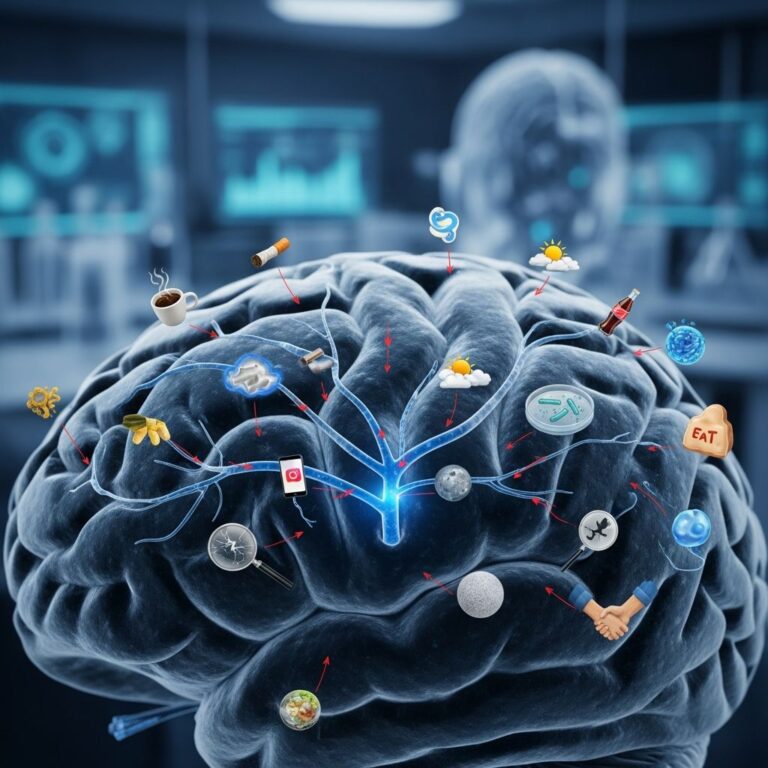
The human brain is often referred to as the body’s “command center” because it is active at all times and responsible for our thoughts, feelings, and actions. As the central organ of the human nervous system, the brain contains approximately 86 billion nerve cells, known as neurons, that work together to process information and control virtually every function in the body. Despite decades of scientific research, the brain remains one of the most complex and least understood organs in human physiology. Scientists continue to conduct large-scale national and international research projects dedicated to uncovering the mysteries of brain function, with studies expected to continue for decades to come.
Overview of Major Brain Structures
The brain is composed of several major structures, each with distinct functions and responsibilities. These structures work in coordinated harmony to enable cognition, motor control, sensory processing, and the regulation of vital life functions. Understanding the anatomy of the brain requires knowledge of three primary divisions: the cerebrum, the brainstem, and the cerebellum. Each of these major structures contains smaller components that perform specialized functions essential to human survival and well-being.
The Cerebrum: The Brain’s Largest Structure
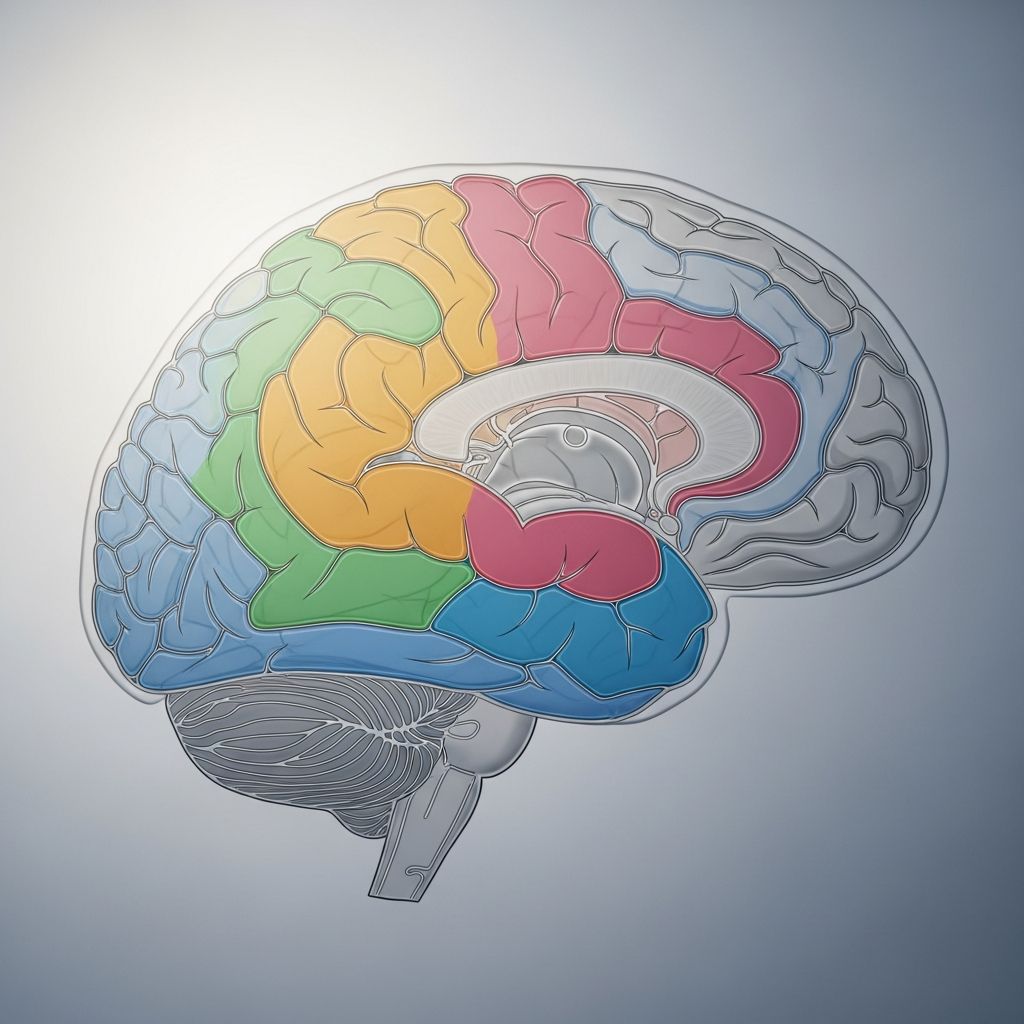
The cerebrum is the most prominent part of the brain, making up nearly 85 percent of the total brain mass. It is the region where most of the important brain functions occur, including thinking, memory, emotion, and voluntary movement. The cerebrum is divided into two hemispheres—the left and right hemispheres—which are connected by a bundle of nerve fibers called the corpus callosum. Each hemisphere contains four distinct lobes, each with specialized functions that contribute to overall brain function and human behavior.
The Four Lobes of the Cerebrum
The cerebral hemispheres are subdivided into four lobes, each responsible for different cognitive and motor functions. These lobes work together to process information from the environment and generate appropriate responses.
Frontal Lobe
The frontal lobe is the largest of the four lobes and represents the most complex part of the brain. Located at the front of each cerebral hemisphere, the frontal lobe is responsible for executive functions—a set of cognitive processes necessary to manage behavior and meet goals. These executive functions include time management, organizational skills, attention switching, and impulse control. Beyond executive functions, the frontal lobe plays a crucial role in reasoning, decision-making, planning, and emotion regulation. It is also responsible for controlling voluntary movements through the primary motor cortex and for speech production through Broca’s area in the dominant hemisphere. Damage to the frontal lobe can result in significant changes to personality, decision-making ability, and motor control.
Parietal Lobe
The parietal lobe, situated behind the frontal lobe, is primarily responsible for sensory processing and perception. This lobe receives and processes sensory information from throughout the body, including sensations of pressure, temperature, pain, and touch. The parietal lobe also integrates sensory information to create a unified perception of the body in space. Additionally, the parietal lobe contributes to spatial awareness, coordination, and navigation abilities, allowing individuals to understand their position and movement in their environment.
Temporal Lobe
Located on the sides of the brain near the temples, the temporal lobe is primarily involved in processing and interpreting auditory information, including sound and language comprehension. The temporal lobe contains the primary auditory cortex, which receives sound signals from the ears and processes them into meaningful auditory experiences. Beyond auditory processing, the temporal lobe plays a vital role in forming new memories and retrieving stored memories through structures like the hippocampus. This lobe is also involved in emotional processing and is associated with conditions like temporal lobe epilepsy.
Related Stories



Occipital Lobe
The occipital lobe, located at the back of the brain, is the primary visual processing center of the brain. This lobe receives visual information from the eyes and processes it into images that we perceive and interpret. The occipital lobe contains the primary visual cortex, where visual signals are initially processed. Damage to the occipital lobe can result in various visual disturbances, ranging from visual field loss to complete blindness, depending on the extent and location of the damage.
The Cerebral Cortex
The cerebrum is covered by a specialized layer of tissue called the cerebral cortex, which is the outermost layer of the brain and the site where most of the actual information processing in the brain takes place. This tissue is approximately 2.5 millimeters thick and consists primarily of gray matter—the cell bodies and fibers of neurons that are responsible for processing information. The surface of the brain appears wrinkled and folded due to the presence of ridges called gyri and grooves called sulci. These folds and grooves serve an important purpose: they maximize the surface area of the cerebral cortex relative to brain volume, allowing for increased processing capability within the confined space of the skull.
The Brainstem: Connecting the Brain to the Body
The brainstem is located at the base of the brain and serves as the connection between the cerebrum and the spinal cord. This critical structure is responsible for relaying information between the brain and the rest of the body and for controlling many vital life functions. The brainstem consists of three main parts: the midbrain, the pons, and the medulla oblongata. Together, these structures regulate functions such as heart rate, breathing, blood pressure, and consciousness.
The Midbrain
The midbrain is a highly complex structure containing numerous neuron clusters, pathways, and other neural structures. Despite its relatively small size, the midbrain is involved in several important functions. It is primarily involved in motor functions, particularly the control of eye movements and visual tracking. The midbrain also processes auditory and visual information, allowing the brain to respond appropriately to sounds and visual stimuli in the environment. Additionally, the midbrain plays a role in regulating arousal and consciousness levels.
The Pons
The pons, whose name means “bridge” in Latin, serves as a connector between the midbrain and the medulla oblongata. Beyond its structural role, the pons is functionally significant because it is the point of origin for four of the twelve cranial nerves. These cranial nerves enable a wide range of activities and sensations, including tear production, chewing and mastication, blinking, balance and equilibrium, and the control of facial expressions. The pons also plays a role in regulating sleep and wakefulness cycles.
The Medulla Oblongata
The medulla oblongata, commonly referred to simply as the medulla, is located at the bottom of the brainstem where the brain connects to the spinal cord. This structure is crucial for the most basic survival functions and is often called the “vital center” of the brain. The medulla controls essential autonomic functions including heart rate regulation, blood pressure maintenance, respiration rate, and oxygen levels in the blood. The medulla also controls reflexive actions such as swallowing, vomiting, and coughing. Due to its critical importance for survival, damage to the medulla can be fatal.
The Cerebellum: Center for Movement and Coordination
The cerebellum, whose name means “little brain” in Latin, is approximately the size of a closed fist and is located at the back of the head, positioned behind the brainstem and beneath the cerebral hemispheres. Despite representing only about 10 percent of the brain’s mass, the cerebellum contains more neurons than all other brain regions combined. The cerebellum has numerous functions related to movement, coordination, and motor control. It is responsible for maintaining balance and posture, timing muscle actions to produce smooth movements, and learning movements that require extensive practice, such as playing a musical instrument or executing athletic skills. Recent research suggests that the cerebellum also plays a significant role in cognitive functions, including thinking, language processing, and the regulation of emotions and social behavior.
How the Brain Processes Information
The brain processes information through the coordinated activity of billions of neurons that communicate with each other across tiny gaps called synapses. When a neuron is activated, it sends chemical messengers called neurotransmitters across the synapse to neighboring neurons, which then become activated or inhibited depending on the type and concentration of neurotransmitters released. This process of neural communication is the foundation of all brain function, from simple reflexes to complex thought processes. Recent research has revealed new insights into how neurons coordinate their communication at the synapse level, with proteins like intersectin playing crucial roles in ensuring that the brain can process information rapidly and accurately. The precision of neural communication is essential for proper brain function, learning, and memory formation.
Supporting Structures and Functions
The Ventricular System
Within the brain, there exists a series of chambers and canals collectively known as the ventricular system. These ventricles produce and circulate cerebrospinal fluid (CSF), which surrounds and protects the brain and spinal cord, provides nutrients, and removes waste products. The ventricular system consists of four ventricles—two lateral ventricles and the third and fourth ventricles—connected by narrow passages called foramina. Cerebrospinal fluid flows through this system continuously, providing mechanical protection and chemical support for the brain and spinal cord.
The Meninges and Protective Layers
The brain is protected by three layers of tissue called the meninges: the dura mater (outermost layer), the arachnoid mater (middle layer), and the pia mater (innermost layer). These protective layers shield the brain from physical trauma and help maintain the proper chemical environment for neural function. Between the arachnoid mater and pia mater lies the subarachnoid space, where cerebrospinal fluid circulates.
Common Brain Conditions and Disorders
Understanding brain anatomy is essential for recognizing and treating various neurological conditions and disorders. Damage to specific brain regions can result in predictable functional deficits. For example, stroke affecting the motor cortex in the frontal lobe can cause paralysis on the opposite side of the body. Alzheimer’s disease affects the hippocampus and temporal lobe, resulting in memory loss. Traumatic brain injury can affect multiple brain regions simultaneously, resulting in complex combinations of cognitive, motor, and emotional symptoms. Conditions like Down syndrome and Huntington’s disease involve widespread changes in brain structure and function that affect multiple regions of the brain.
The Ongoing Quest to Understand the Brain
Despite significant advances in neuroscience over the past several decades, the brain remains one of science’s greatest frontiers. Major research initiatives, including the Human Connectome Project and the BRAIN Initiative, are working to map brain connectivity and understand the relationship between neural circuits and behavior. Emerging technologies such as functional magnetic resonance imaging (fMRI), positron emission tomography (PET), and advanced electron microscopy are providing unprecedented insights into brain structure and function at multiple scales, from individual synapses to entire brain networks. As research continues, our understanding of brain anatomy and function will undoubtedly deepen, leading to new treatments for neurological and psychiatric disorders.
Key Takeaways About Brain Anatomy
- The brain contains approximately 86 billion neurons that work together to process information and control body functions.
- The cerebrum, which comprises 85 percent of brain mass, is divided into four lobes: frontal, parietal, temporal, and occipital, each with specialized functions.
- The brainstem connects the brain to the spinal cord and controls vital functions including heart rate, breathing, and blood pressure.
- The cerebellum, though small, contains more neurons than other brain regions and is essential for movement coordination and balance.
- The cerebral cortex is the outer layer where most information processing occurs and can be up to 2.5 millimeters thick.
- The brain is protected by the meninges and bathed in cerebrospinal fluid that provides nutrients and removes waste.
- Each brain region has specific functions, and damage to particular areas results in predictable functional deficits.
Frequently Asked Questions About Brain Anatomy
Q: How much of the brain do we actually use?
A: We use virtually all areas of the brain, and most of the brain is active almost all the time, even during sleep. The myth that we only use 10 percent of our brains has been thoroughly debunked by neuroscience research.
Q: Can the brain repair itself after injury?
A: The brain has some capacity for neuroplasticity—the ability to form new neural connections and reorganize itself—but this varies depending on the type and extent of injury. Some recovery is possible, especially in younger individuals, though significant brain damage often results in permanent deficits.
Q: What is the difference between gray matter and white matter?
A: Gray matter consists of neuron cell bodies and is responsible for information processing, while white matter consists of myelinated axons and is responsible for transmitting signals between different brain regions.
Q: Why do we have two brain hemispheres?
A: The two hemispheres are largely specialized for different functions, with the left hemisphere typically handling language and logic, while the right hemisphere handles spatial awareness and creativity. This specialization allows for more efficient processing of different types of information.
Q: What role does the limbic system play in brain function?
A: The limbic system, which includes structures like the amygdala and hippocampus, is responsible for processing emotions, memory formation, and motivation. It plays a crucial role in emotional responses and survival behaviors.
Q: How does the blood-brain barrier protect the brain?
A: The blood-brain barrier is a selective membrane that allows beneficial substances like oxygen and glucose to enter the brain while blocking harmful substances and pathogens, thereby protecting the brain from infection and toxins.
References
- Brain Anatomy and How the Brain Works — Johns Hopkins Medicine. 2021. https://www.hopkinsmedicine.org/health/conditions-and-diseases/anatomy-of-the-brain
- The Human Brain 101 — Mental Health America. https://mhanational.org/resources/the-human-brain-101/
- Brain Basics: Know Your Brain — National Institute of Neurological Disorders and Stroke (NINDS). 2021, June 9. https://www.ninds.nih.gov/Disorders/Patient-Caregiver-Education/Know-Your-Brain
- Johns Hopkins Uncovers Protein’s Unexpected Role in Brain Signaling — Johns Hopkins Medicine. 2025, August 4. https://www.news-medical.net/news/20250804/Johns-Hopkins-uncovers-proteins-unexpected-role-in-brain-signaling.aspx
- Lobes of the Brain — Chudler, E. (2017). University of Washington. https://faculty.washington.edu/chudler/lobe.html
- Neuroanatomy: The Basics — Sukel, K. (2019, August 25). Dana Foundation. https://www.dana.org
- Neuroscience: Neuroanatomy — Johns Hopkins University Libraries. https://guides.library.jhu.edu/neuroscience/neuroanatomy
Similar Articles








Read full bio of medha deb