Brain Aneurysm: Causes, Symptoms, Diagnosis & Treatment
Understanding brain aneurysms: Learn about causes, warning signs, diagnosis methods, and modern treatment options.
Brain Aneurysm: What It Is, Causes, Symptoms & Treatment
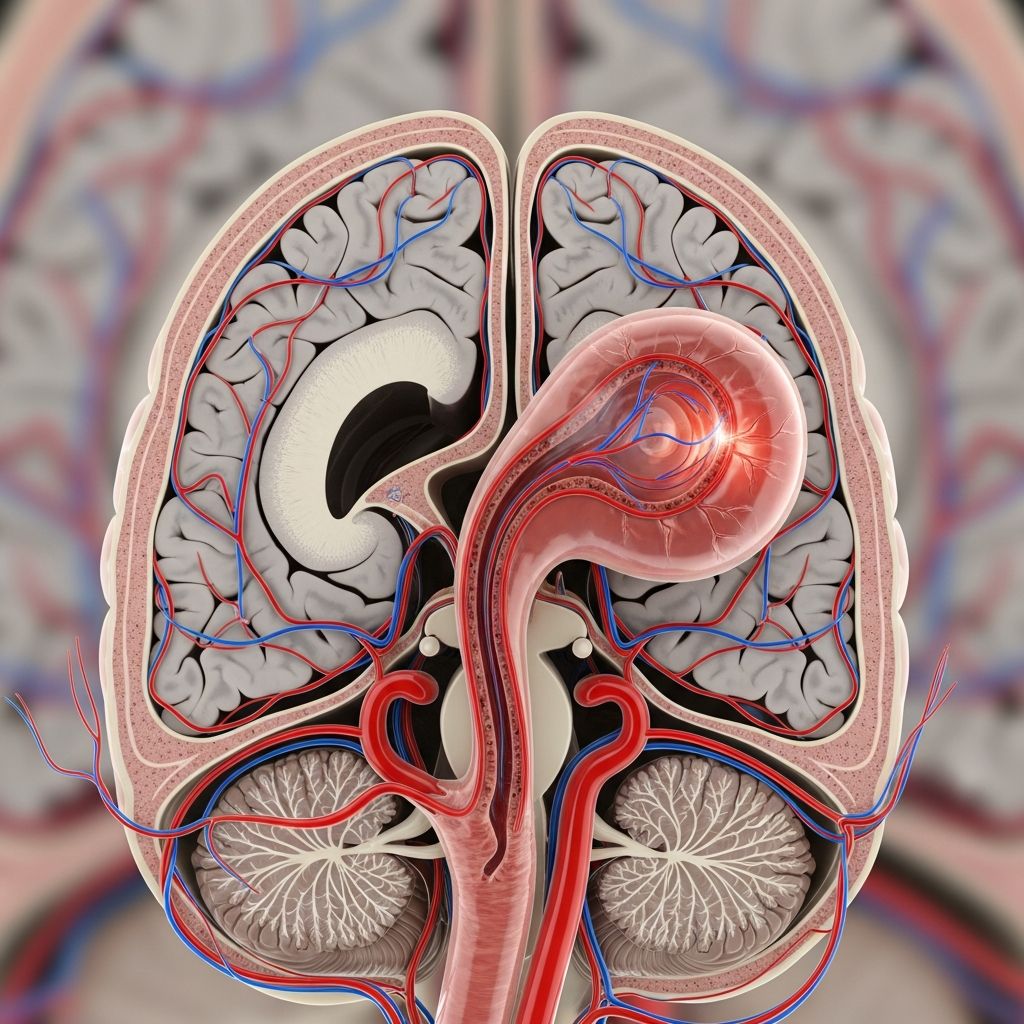
A brain aneurysm, also known as a cerebral aneurysm, is a bulge or ballooning in a weak area of a blood vessel in or around your brain. This occurs when there is a weakened section of an artery wall that gradually expands and fills with blood. The good news is that most aneurysms are small and do not cause any immediate problems or symptoms. However, a ruptured or leaking aneurysm represents a medical emergency that requires immediate attention and treatment.
Understanding Brain Aneurysms
What Causes Brain Aneurysms?
Brain aneurysms develop when there is a weakened area in the wall of a cerebral artery. Several factors can contribute to the development of an aneurysm:
- High blood pressure, which puts constant stress on artery walls
- Genetic factors and family history of aneurysms
- Smoking and tobacco use
- Age, with most aneurysms occurring in people over 40
- Certain connective tissue disorders
- Atherosclerosis and other vascular diseases
- Previous head injuries or trauma
- Recreational drug use, particularly cocaine
While scientists understand many risk factors associated with aneurysm formation, the exact mechanisms that cause the initial weakness in the arterial wall remain an area of ongoing research.
Types of Brain Aneurysms
Brain aneurysms are classified by their location and shape. The most common type is the saccular aneurysm, which appears as a berry-shaped bulge on the side of an artery. Fusiform aneurysms involve a more gradual, spindle-shaped enlargement of the artery. Giant aneurysms exceed 25 millimeters in diameter and present unique treatment challenges.
Recognizing Symptoms and Warning Signs
Unruptured Aneurysms
Most unruptured brain aneurysms do not produce any symptoms and are often discovered incidentally during imaging performed for other reasons. However, large aneurysms may press on nearby brain tissue or nerves, potentially causing:
- Vision problems or eye pain
- Hearing loss or ringing in the ears
- Facial pain or numbness
- Headaches localized to a specific area
- Weakness or numbness on one side of the body
Ruptured Aneurysms
A rupture or leak of a brain aneurysm is a medical emergency. Seek immediate emergency care by calling 911 if you experience any of the following:
- Sudden, severe headache described as the worst headache of your life
- Neck stiffness and pain
- Sensitivity to light
- Nausea and vomiting
- Loss of consciousness
- Vision disturbances or eye pain
- Weakness, numbness, or difficulty speaking
- Seizures
The sudden onset of these symptoms suggests a subarachnoid hemorrhage, which requires emergency intervention to prevent death or permanent disability.
Diagnostic Procedures and Testing
If you experience symptoms of a ruptured brain aneurysm or have a family history of aneurysms, your healthcare provider may recommend screening. Several advanced imaging techniques can detect and evaluate brain aneurysms:
Imaging Technologies
| Imaging Method | Description |
|---|---|
| CT Angiography | Uses X-rays and contrast dye to create detailed images of blood vessels in the brain |
| MRI and MR Angiography | Uses magnetic fields to produce detailed images without radiation exposure |
| Cerebral Angiography | A catheter is inserted and contrast dye is injected to visualize blood vessels |
| Lumbar Puncture (Spinal Tap) | Fluid is withdrawn from around the spinal cord to check for blood or infection |
Related Stories



Your healthcare provider will select the most appropriate diagnostic tool based on your symptoms, medical history, and clinical presentation.
Treatment Options for Brain Aneurysms
The primary goal of brain aneurysm treatment is to stop or reduce blood flow into the aneurysm, preventing rupture or re-rupture. The decision to treat an aneurysm depends on several factors, including its size, location, your age, overall health status, and personal preferences. Unruptured small aneurysms may be monitored with periodic imaging rather than treated immediately.
Surgical Clipping
During this open surgery procedure, a neurosurgeon makes a small opening in your skull to access the aneurysm. Using a tiny microscope and specialized instruments, the surgeon attaches a small metal clip at the base of the aneurysm to pinch it closed. This permanently blocks blood flow into the aneurysm, preventing enlargement or rupture. The surgery can halt an active brain bleed or prevent an intact aneurysm from rupturing in the future.
Aneurysms that are completely clipped rarely bleed again. Recovery time for unruptured aneurysm clipping typically ranges from two to four weeks, though ruptured aneurysms require longer recovery periods spanning several weeks to months.
Endovascular Coil Embolization
This minimally invasive procedure is performed by a neurosurgeon or interventional neuroradiologist. A flexible catheter is inserted into a blood vessel, typically in the groin or wrist, and carefully threaded to the brain. Through the catheter, a tiny coil of soft wire is placed inside the aneurysm. Once released, the coil changes blood flow patterns within the aneurysm, promoting clot formation. This clot acts as a seal, preventing blood from entering the aneurysm and reducing rupture risk.
Flow Diversion Stenting
A catheter is inserted into a blood vessel in the groin or wrist and advanced to the brain. Through the catheter, the interventional specialist places a mesh tube within the section of blood vessel containing the aneurysm. This mesh device redirects normal blood flow away from the aneurysm rather than into it, effectively treating the lesion while maintaining flow through the parent vessel.
Intrasaccular Flow Disruption
This innovative approach involves inserting a metal mesh-like cube or sphere directly into the aneurysm through a catheter. Similar to coil embolization, this device provides a seal-like effect that prevents blood from entering the aneurysm, stopping enlargement or rupture.
Medical Management
For patients who have experienced aneurysm rupture, medical management focuses on preventing complications such as vasospasm (vessel narrowing) and rebleeding. Medications may be prescribed to control blood pressure, prevent seizures, and manage pain. Regular monitoring in an intensive care unit is essential during the acute recovery phase.
Treatment Decision-Making Process
When you and your healthcare provider are deciding whether to pursue surgical or endovascular treatment, several key factors are considered:
- Aneurysm size, shape, and location
- Whether the aneurysm has ruptured or is intact
- Your age and overall medical health
- Risk factors for rupture
- Family history of aneurysms or subarachnoid hemorrhage
- Your personal preferences and lifestyle goals
- Comorbid medical conditions
- Previous treatments or surgeries affecting brain vasculature
Advanced technologies like three-dimensional printed models of the aneurysm can help your surgical team visualize the lesion more clearly and plan the most precise treatment approach.
Recovery and Prognosis
Recovery Timeline
Recovery depends significantly on whether the aneurysm was ruptured or unruptured. Patients undergoing treatment for unruptured aneurysms typically recover within two to four weeks and may return to normal activities relatively quickly. Those treated for ruptured aneurysms have longer recovery periods, often requiring several weeks to months of rehabilitation and close medical supervision.
Factors Affecting Prognosis
The outlook for a person with a ruptured brain aneurysm depends on multiple factors:
- Age at the time of rupture
- Overall health status before rupture
- Severity of the initial bleeding
- Time elapsed before receiving treatment
- Presence of other medical conditions
- Success of the initial treatment
- Development of complications during recovery
Prompt recognition of symptoms and rapid access to emergency care significantly improve outcomes for patients experiencing aneurysm rupture.
Prevention and Risk Reduction
While you cannot always prevent aneurysm formation, you can reduce your risk of rupture and other complications:
- Maintain healthy blood pressure through diet, exercise, and medication if needed
- Avoid smoking and secondhand smoke exposure
- Limit alcohol consumption
- Avoid recreational drug use, particularly cocaine
- Manage stress through healthy coping mechanisms
- Exercise regularly as approved by your healthcare provider
- Eat a balanced diet rich in fruits, vegetables, and lean proteins
- Attend regular medical checkups and screenings
If you have a family history of aneurysms, discuss screening options with your healthcare provider, even if you are asymptomatic.
Frequently Asked Questions
Q: Can a small unruptured brain aneurysm ever rupture?
A: Yes, even small aneurysms can rupture, though the risk is lower than for larger aneurysms. Your healthcare provider will assess your individual rupture risk based on aneurysm characteristics and personal risk factors.
Q: What is the recovery time after aneurysm clipping surgery?
A: For unruptured aneurysms, recovery typically takes two to four weeks. Ruptured aneurysms require longer recovery periods ranging from several weeks to months, depending on the severity of the initial bleed and any complications.
Q: How long do coil embolization results last?
A: Coil embolization can be effective long-term, though some aneurysms require follow-up procedures or additional coils over time. Your healthcare provider will schedule follow-up imaging to assess treatment durability.
Q: Can lifestyle changes help prevent aneurysm rupture?
A: Yes. Controlling blood pressure, avoiding smoking, limiting alcohol, managing stress, and maintaining regular medical care are important for reducing rupture risk in patients with known aneurysms.
Q: What should I do if I suddenly develop a severe headache?
A: Call 911 or go to the nearest emergency room immediately. A sudden, severe headache could indicate aneurysm rupture or other serious conditions requiring emergency evaluation and treatment.
Q: How often should I have imaging if I have an unruptured aneurysm?
A: Follow-up imaging intervals depend on aneurysm size, location, and other risk factors. Your healthcare provider will recommend appropriate monitoring schedules, which may range from months to years.
Q: Are there any activity restrictions after aneurysm treatment?
A: Activity restrictions depend on the type of treatment and your recovery progress. Your healthcare team will provide specific guidance about returning to work, exercise, and normal activities based on your individual situation.
References
- Brain Aneurysm: What It Is, Causes, Symptoms & Treatment — Cleveland Clinic. 2025. https://my.clevelandclinic.org/health/diseases/16800-brain-aneurysm
- Cerebrovascular Center: Aneurysm & Stroke — Cleveland Clinic. 2025. https://my.clevelandclinic.org/departments/neurological/depts/cerebrovascular
- Get Brain Aneurysm Care — Cleveland Clinic. 2025. https://my.clevelandclinic.org/services/brain-aneurysm-treatment
- Cerebrovascular Roundup: Breakthroughs in Treating Brain Aneurysms — Cleveland Clinic. 2025. https://consultqd.clevelandclinic.org/cerebrovascular-roundup-breakthroughs-in-treating-brain-aneurysms
- Aneurysm: What It Is, Types, Symptoms, Diagnosis & Treatment — Cleveland Clinic. 2025. https://my.clevelandclinic.org/health/diseases/22769-aneurysm
- Recovery Guide — Brain Aneurysm Foundation. 2017. https://bafound.org/
- Brain Aneurysm — Cleveland Clinic Magazine. 2021. https://magazine.clevelandclinic.org/2021-summer/brain-aneurysm
Similar Articles








Read full bio of Sneha Tete