Brain Atrophy: Understanding Causes, Symptoms & Treatment
Comprehensive guide to brain atrophy: Learn about causes, symptoms, diagnosis, and effective management strategies.
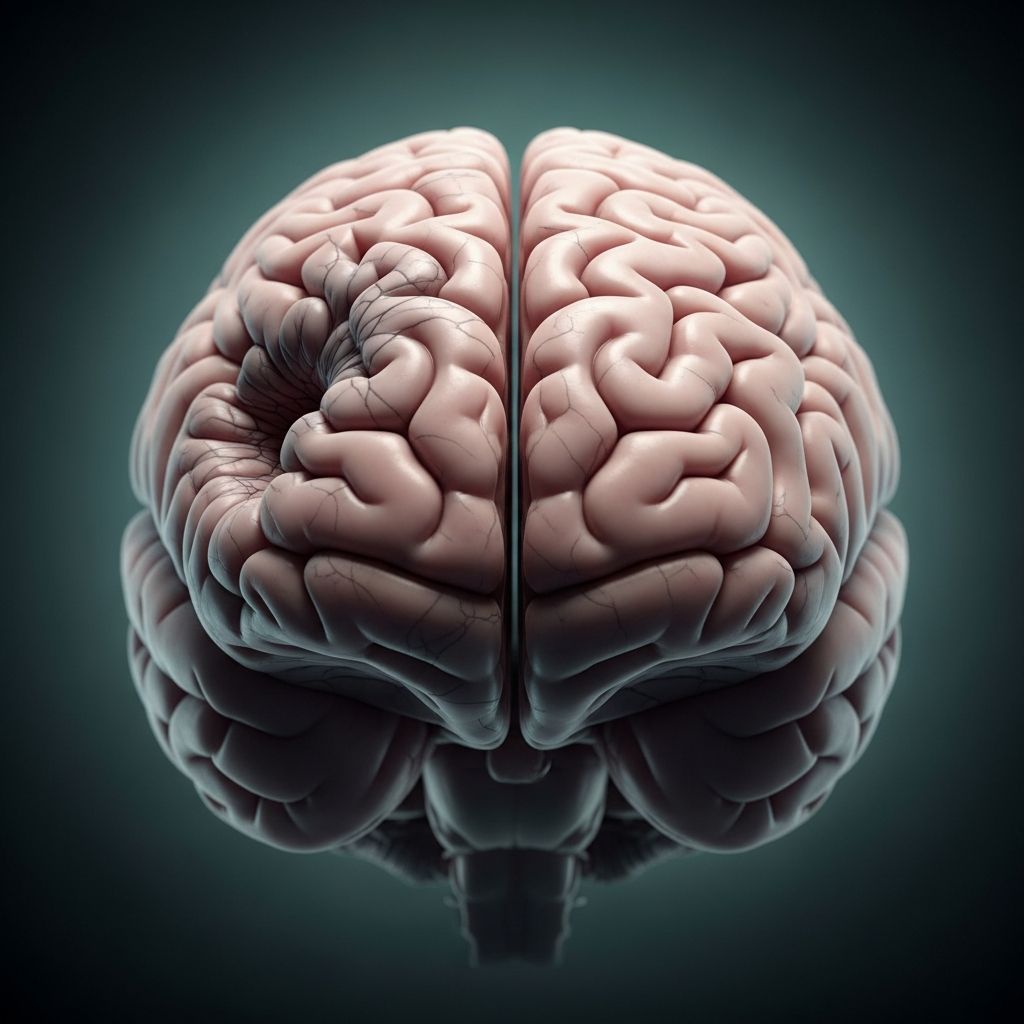
Understanding Brain Atrophy: Definition and Overview
Brain atrophy, medically known as cerebral atrophy, is a progressive neurological condition characterized by the loss of neurons and the connections between them. This condition represents a significant challenge in modern neurology, affecting cognitive function and overall quality of life in millions of individuals worldwide. The brain, like all biological systems, undergoes changes over time, and brain atrophy is one such change that can occur due to various underlying pathological processes.
The severity and manifestation of brain atrophy depend largely on which specific brain regions are affected and the underlying cause of the neuronal loss. Some individuals may experience mild symptoms that go largely unnoticed, while others may develop severe neurological impairments that significantly impact their daily functioning and independence.
Types of Brain Atrophy
Understanding the different types of brain atrophy is crucial for proper diagnosis and treatment planning. Medical professionals classify brain atrophy into two primary categories based on the distribution pattern of neuronal damage:
Focal Brain Atrophy
Focal brain atrophy refers to the loss of neurons and brain tissue in a specific, localized area of the brain. In this type, the damage is confined to particular brain regions responsible for specific functions. Consequently, symptoms and neurological deficits are typically limited to the functions controlled by the damaged area. For example, focal atrophy in the motor cortex might result in weakness or paralysis in specific limbs, while focal atrophy in the visual cortex could cause vision-related problems.
Generalized Brain Atrophy
Generalized brain atrophy, in contrast, involves widespread neuronal damage throughout multiple regions of the brain. In this condition, damaged neurons are distributed across the entire brain structure, leading to a gradual overall reduction in brain size and volume. Generalized atrophy typically produces more diffuse neurological symptoms affecting multiple cognitive and motor functions, as the damage is not localized to a single functional area.
Causes of Brain Atrophy
Brain atrophy can result from a diverse range of conditions and factors. Understanding these underlying causes is essential for developing appropriate treatment strategies and potentially slowing the progression of neuronal loss.
Neurodegenerative Diseases
Various progressive neurological disorders lead to brain atrophy through mechanisms of neurodegeneration. Alzheimer’s disease, the most common cause of dementia, causes extensive atrophy, particularly in the hippocampus and cortical regions. Parkinson’s disease, frontotemporal dementia, and Lewy body dementia also trigger progressive brain atrophy as hallmark features of their pathology.
Traumatic Brain Injury
Traumatic brain injuries (TBI), whether mild concussions or severe head trauma, can initiate secondary neuronal damage leading to brain atrophy. The initial mechanical damage from the injury may be followed by inflammatory cascades and progressive cell death over months or years, resulting in measurable brain volume loss.
Related Stories



Infectious Diseases
Certain infections can damage the brain tissue and cause atrophy. Conditions such as HIV/AIDS, chronic infections, and viral encephalitis may lead to neuronal loss and brain volume reduction as the infection damages neural tissue or triggers inflammatory responses.
Stroke and Cerebrovascular Disease
When blood flow to the brain is compromised, neurons in the affected region die due to oxygen deprivation. This localized neuronal death results in focal brain atrophy in the stroke territory. Multiple strokes over time can lead to more extensive brain atrophy.
Chronic Conditions
Chronic conditions such as chronic alcoholism, malnutrition, uncontrolled diabetes, and hypertension can contribute to brain atrophy over time through various mechanisms including metabolic dysfunction, oxidative stress, and vascular damage.
Multiple Sclerosis
Multiple sclerosis, an autoimmune disease affecting the nervous system, causes progressive demyelination and neuronal loss. Brain atrophy is a recognized feature of MS disease progression.
Cerebral Palsy
Cerebral palsy, resulting from brain damage during fetal development or early infancy, is associated with brain atrophy in affected regions. The extent of atrophy correlates with the severity of motor and cognitive impairments.
Symptoms of Brain Atrophy
The clinical presentation of brain atrophy is highly variable and depends on which brain regions are affected and the degree of neuronal loss. Symptoms can range from subtle and minimal to severe and debilitating.
Cognitive Symptoms
Cognitive decline is among the most common manifestations of brain atrophy, particularly when the condition affects cortical or hippocampal regions. Individuals may experience:
- Memory loss, starting with difficulty recalling recent events
- Impaired concentration and difficulty maintaining attention
- Reduced processing speed and slower thinking
- Difficulty with complex problem-solving and decision-making
- Confusion and disorientation, particularly in advanced cases
Motor Symptoms
When atrophy affects motor cortex regions or descending motor tracts, patients may develop:
- Weakness or paralysis in affected limbs
- Loss of fine motor coordination and dexterity
- Difficulty with balance and increased fall risk
- Tremors or involuntary movements
- Spasticity or muscle rigidity
Speech and Language Difficulties
Atrophy in language-related brain regions may cause:
- Difficulty finding words or expressing thoughts
- Slurred or unclear speech
- Problems understanding spoken or written language
- Reduced vocabulary and simplified speech patterns
Vision Problems
In posterior cortical atrophy, a rare form affecting the visual processing regions, patients experience visual symptoms including difficulty reading, trouble judging distances, and bumping into objects.
Behavioral and Personality Changes
Atrophy affecting frontal lobe regions may result in:
- Personality changes and behavioral alterations
- Emotional dysregulation and mood disorders
- Reduced impulse control and increased impulsivity
- Social withdrawal or inappropriate social behavior
- Apathy and lack of motivation
Diagnosis of Brain Atrophy
Accurate diagnosis of brain atrophy involves a comprehensive evaluation combining clinical assessment with advanced neuroimaging and cognitive testing. Healthcare providers employ multiple diagnostic approaches to confirm the diagnosis and determine severity.
Neuroimaging Studies
Brain imaging plays a central role in detecting and assessing brain atrophy. The primary imaging modalities include:
Magnetic Resonance Imaging (MRI): MRI provides detailed anatomical images of the brain, allowing visualization of brain volume, ventricle size, and regional atrophy patterns. MRI is sensitive to subtle changes in brain structure and can precisely measure brain volumes over time.
Computed Tomography (CT) Scan: CT imaging can detect brain atrophy and is particularly useful when MRI is contraindicated. CT scans show enlarged ventricles and widened sulci characteristic of brain atrophy.
Positron Emission Tomography (PET) Scan: PET imaging can assess brain metabolism and detect pathological processes underlying atrophy, such as amyloid or tau accumulation in Alzheimer’s disease.
Cognitive and Neuropsychological Testing
Comprehensive cognitive assessments evaluate memory, attention, executive function, and language capabilities. Neuropsychological testing helps establish a baseline and track cognitive changes over time, correlating with imaging findings of brain atrophy.
Neurological Examination
A thorough neurological examination assesses motor function, reflexes, sensation, balance, coordination, cranial nerves, and mental status. Findings help localize brain involvement and guide imaging studies to specific regions of concern.
Laboratory Testing
Depending on the suspected underlying cause, laboratory tests may include blood work, cerebrospinal fluid analysis, and genetic testing to identify infections, metabolic abnormalities, or genetic factors contributing to brain atrophy.
Treatment and Management Strategies
Brain atrophy itself does not have a singular cure, as it represents the end result of neuronal damage from underlying diseases. Instead, treatment focuses on managing the underlying condition and managing symptoms to maintain quality of life and slow further progression.
Disease-Specific Treatments
Treatment varies considerably depending on the underlying cause of brain atrophy. For Alzheimer’s disease, medications such as cholinesterase inhibitors and NMDA receptor antagonists may slow cognitive decline. Other neurodegenerative diseases have specific medications targeting their pathological mechanisms.
Neurorehabilitation
Individualized neurorehabilitation therapy is particularly beneficial for individuals experiencing cognitive or motor decline from brain atrophy. Specialized therapy programs may include:
- Physical therapy to maintain mobility, strength, and balance
- Occupational therapy to preserve functional independence in daily activities
- Speech-language pathology to address communication and swallowing difficulties
- Cognitive rehabilitation using cutting-edge technology and customized exercises
Medication Management
Medications may address specific symptoms such as:
- Cognitive enhancers to support memory and thinking
- Antidepressants or anti-anxiety medications for mood disorders
- Antispasticity medications for muscle rigidity
- Sleep aids for insomnia related to neurological conditions
Lifestyle Modifications
Evidence-based lifestyle interventions may help slow brain atrophy progression:
- Regular physical exercise to promote brain blood flow and neuroplasticity
- Cognitive stimulation through learning new skills and mental challenges
- Mediterranean or DASH diet emphasizing brain-protective nutrients
- Adequate sleep and stress management
- Social engagement and cognitive stimulation
Behavioral Health Support
Mental health services address depression, anxiety, and behavioral changes often accompanying brain atrophy. Counseling and support groups provide emotional support for patients and caregivers navigating this challenging condition.
Surgical Interventions
In rare cases, surgical interventions may be considered, particularly when brain atrophy results from treatable conditions such as normal pressure hydrocephalus or chronic subdural hematoma.
Can Brain Atrophy Be Reversed?
Unfortunately, once neuronal damage has occurred and brain atrophy has developed, the lost brain tissue cannot be restored or reversed. The death of neurons is generally permanent, and the brain’s limited capacity for regeneration cannot replace the lost tissue in most pathological contexts.
However, this does not mean the condition is entirely hopeless. While brain atrophy itself cannot be reversed, several strategies can help manage symptoms, maintain remaining brain function, and potentially slow further atrophy progression. Early intervention and aggressive management of underlying conditions may slow the rate of neuronal loss, preserving cognitive and motor function longer.
Prevention and Brain Health Optimization
While not all brain atrophy can be prevented, adopting strategies to maintain brain health may reduce the risk of atrophy or slow its progression. Cleveland Clinic’s brain health framework emphasizes six pillars of brain health that support cognitive preservation and neurological resilience throughout life.
Cardiovascular Health
Maintaining healthy blood pressure, cholesterol levels, and blood glucose prevents vascular damage to brain tissue and reduces stroke risk, a major cause of focal brain atrophy.
Cognitive Engagement
Continuous mental stimulation through learning, reading, puzzles, and mentally challenging activities promotes neuroplasticity and may help maintain cognitive reserve.
Physical Activity
Regular aerobic exercise increases brain blood flow, promotes neurogenesis in the hippocampus, and strengthens neural connections, contributing to brain volume preservation.
Sleep Quality
Adequate sleep is essential for memory consolidation, brain waste clearance, and neurological health. Sleep deprivation is associated with brain atrophy in several regions.
Nutrition
A diet rich in antioxidants, omega-3 fatty acids, and vitamins supports neural health and reduces neuroinflammation that may contribute to atrophy.
Social Connection
Social engagement and meaningful relationships reduce stress, improve mental health, and stimulate cognitive function, all supporting brain health.
Frequently Asked Questions (FAQs)
Q: What is the difference between normal brain aging and pathological brain atrophy?
A: Some degree of brain volume loss is a normal part of aging. However, pathological brain atrophy occurs at accelerated rates due to disease processes and causes noticeable cognitive or neurological symptoms beyond normal aging.
Q: How quickly does brain atrophy progress?
A: The rate of brain atrophy varies depending on the underlying cause. Genetic factors, disease type, and individual characteristics influence progression speed. Research shows that individuals with certain genetic markers may experience more rapid atrophy than others.
Q: Are there genetic factors involved in brain atrophy?
A: Yes, genetic factors can increase susceptibility to brain atrophy. For example, the APOE4 gene variant is associated with increased risk of Alzheimer’s disease and accelerated brain atrophy in some individuals.
Q: What role do specialized centers play in brain atrophy management?
A: Specialized brain health centers, such as Cleveland Clinic’s Lou Ruvo Center for Brain Health, provide comprehensive diagnostic evaluation, individualized treatment planning, neurorehabilitation, clinical research opportunities, and multidisciplinary care tailored to each patient’s specific needs and goals.
Q: Can brain atrophy be detected before symptoms appear?
A: Advanced neuroimaging can detect brain atrophy before significant symptoms manifest. However, not all detected atrophy will necessarily progress to symptomatic disease, making early detection interpretation complex and requiring careful clinical correlation.
Q: What support is available for caregivers of patients with brain atrophy?
A: Comprehensive care centers offer caregiver resources, support groups, counseling services, and educational programs to help families understand the condition and develop effective coping strategies for managing the challenges of progressive neurological disease.
References
- Brain Atrophy: What It Is, Causes, Symptoms & Treatment — Cleveland Clinic. 2024. https://my.clevelandclinic.org/health/diseases/22515-brain-atrophy
- What Is Brain Atrophy and How Do We Combat It? — Haven Health Arizona. 2024. https://www.havenhealthaz.com/blog/what-is-brain-atrophy-and-how-do-we-combat-it/
- Differential 5-Year Brain Atrophy Rates in Cognitively Declining and Stable Elderly Adults — National Center for Biotechnology Information (NCBI). 2018. https://pmc.ncbi.nlm.nih.gov/articles/PMC6126943
- Posterior Cortical Atrophy: What It Is, Symptoms & Treatment — Cleveland Clinic. 2024. https://my.clevelandclinic.org/health/diseases/posterior-cortical-atrophy
- A Brain Health Guide: Multiple Sclerosis (MS) — Cleveland Clinic Lou Ruvo Center for Brain Health. 2020. https://my.clevelandclinic.org/-/scassets/files/org/locations/nevada/multiple-sclerosis/2020-cclr-brain-guide-ms.pdf
- Lou Ruvo Center for Brain Health — Departments of Neurology — Cleveland Clinic. 2024. https://my.clevelandclinic.org/departments/neurological/depts/brain-health
- Brain Health Index — Protect, Maintain and Boost Brain Health — Cleveland Clinic. 2024. https://pages.clevelandclinic.org/brain-health-index.html
Similar Articles








Read full bio of medha deb