Brain Bleed: Causes, Symptoms & Treatment
Understanding brain bleeds: Emergency care, treatment options, and recovery strategies explained.
Understanding Brain Bleeds: A Life-Threatening Medical Emergency
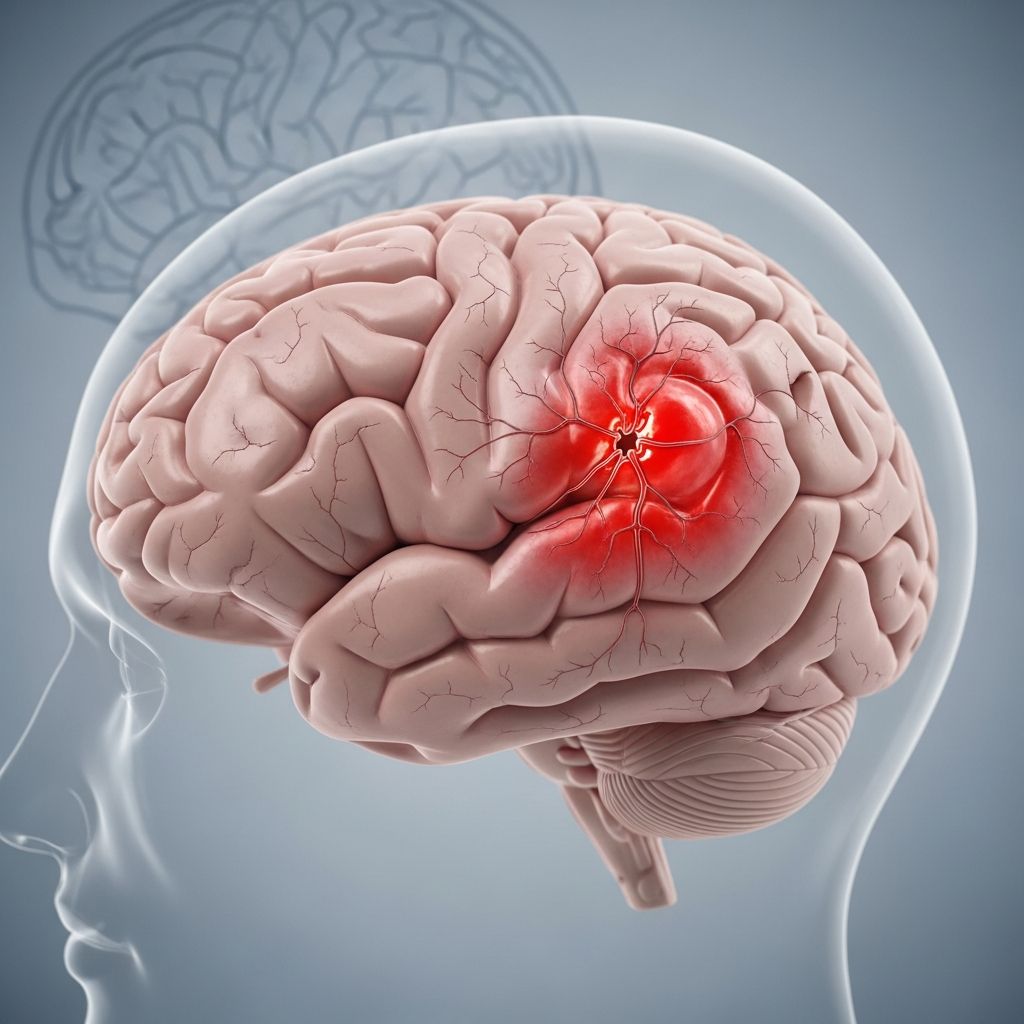
A brain bleed, medically known as intracranial hemorrhage, represents one of the most serious types of stroke and constitutes a genuine medical emergency requiring immediate intervention. When a brain bleed occurs, blood accumulates between your brain and skull, or within the brain tissue itself, creating dangerous pressure that prevents oxygen and vital nutrients from reaching your brain cells. Unlike ischemic strokes, which result from blocked blood vessels, a brain bleed happens when a blood vessel ruptures or leaks, allowing blood to pool in critical areas of your brain. This distinction is crucial because brain bleeds typically cause more severe symptoms and require different treatment approaches. Understanding the causes, recognizing the warning signs, and knowing when to seek emergency care can significantly improve survival rates and recovery outcomes.
How Your Brain Functions and Why Bleeding is Dangerous
Your brain, though only about two percent of your body weight, consumes roughly twenty percent of your body’s oxygen supply. The brain cannot store oxygen reserves, making it entirely dependent on a complex network of blood vessels that continuously deliver oxygenated blood and essential nutrients to brain tissues. When a brain bleed occurs, this delicate system becomes compromised. Blood leaks from damaged vessels and collects within the confined space of your skull, creating pressure against brain tissue. This increased pressure prevents oxygen-rich blood from reaching affected areas, causing brain cells to become starved of oxygen. As oxygen deprivation persists, brain cells begin to die—and unlike many other cell types in your body, dead brain cells cannot regenerate or be replaced. The longer the bleeding continues without treatment, the greater the damage becomes.
Types of Brain Bleeds
Brain bleeds are classified into several distinct categories based on their location and the structures they affect. Understanding these different types helps medical professionals determine appropriate treatment strategies and predict potential outcomes.
Brain Bleeds Outside Brain Tissue
These hemorrhages occur in the areas surrounding the brain but do not directly penetrate brain tissue itself. Epidural hemorrhages develop between the skull and the tough outer membrane covering the brain called the dura mater. Subdural hemorrhages occur between the dura mater and the arachnoid membrane, another protective layer. Subarachnoid hemorrhages involve bleeding in the space between the arachnoid membrane and the pia mater, the delicate innermost membrane that directly contacts brain tissue. These types typically result from head injuries, ruptured aneurysms, or arteriovenous malformations.
Brain Bleeds Inside Brain Tissue
Intracerebral hemorrhages occur when blood vessels rupture directly within brain tissue itself. Intraventricular hemorrhages involve bleeding into the brain’s ventricles, the fluid-filled spaces that produce and circulate cerebrospinal fluid. These bleeds are particularly dangerous because they can rapidly increase intracranial pressure and interfere with the production and circulation of cerebrospinal fluid, which protects and nourishes the brain.
Causes of Brain Bleeds
Brain bleeds can result from various underlying causes, with some being more common than others. Hypertension, or chronic high blood pressure, represents the most frequent cause of intracerebral hemorrhage. Elevated blood pressure weakens the walls of small blood vessels in the brain over time, making them prone to rupture. Head injuries, whether from falls, vehicle accidents, or traumatic incidents, can cause both immediate bleeding and delayed hemorrhages. Ruptured brain aneurysms—bulging, weakened sections of blood vessels—account for the majority of subarachnoid hemorrhages. Arteriovenous malformations, abnormal tangles of blood vessels present from birth, can also rupture and cause bleeding. Blood clotting disorders, anticoagulant medications taken at high doses, amyloid angiopathy (a condition affecting small blood vessels), and brain tumors represent additional risk factors. Cerebral venous sinus thrombosis, liver disease, and certain infections can also contribute to brain bleeds.
Recognizing the Symptoms of a Brain Bleed
Brain bleeds produce symptoms that typically appear suddenly and worsen rapidly. Recognizing these warning signs and seeking immediate medical attention is critical for improving outcomes. The most characteristic symptom is a sudden, severe headache often described as “the worst headache of my life.” This intense headache may be accompanied by a stiff neck, photophobia (sensitivity to light), and nausea or vomiting.
Neurological symptoms commonly include confusion or altered mental status, weakness or numbness on one side of the body, difficulty speaking or understanding speech, vision problems, and difficulty with balance or coordination. Some patients experience seizures, loss of consciousness, or coma. The specific symptoms depend on the location and size of the bleed, but any combination of these warning signs warrants immediate emergency care. Time is literally a matter of life and death with brain bleeds—delaying treatment by even minutes can result in permanent disability or death.
Related Stories



Diagnosis of Brain Bleeds
Healthcare providers use several diagnostic tools to identify and characterize brain bleeds. The process begins with a thorough physical examination and detailed neurological assessment to evaluate brain and nervous system function. A complete medical history helps identify risk factors and potential causes.
Imaging studies are essential for confirming the diagnosis. Computed tomography (CT) scans provide rapid, detailed images of the brain and can clearly show blood pooling and increased intracranial pressure. Magnetic resonance imaging (MRI) offers excellent detail about brain tissue and can detect bleeds that CT scans might miss, particularly older bleeds. Cerebral angiography involves injecting contrast dye into blood vessels and taking X-ray images to visualize vessel structure and identify aneurysms or malformations. Lumbar puncture may be performed if subarachnoid hemorrhage is suspected but not clearly visible on imaging—cerebrospinal fluid will contain blood in these cases.
Treatment Options for Brain Bleeds
Treatment approaches vary based on the type, location, size, and cause of the brain bleed, along with the patient’s overall health status. Some small, stable hemorrhages may be managed conservatively with careful monitoring in an intensive care unit setting. Medical management typically includes blood pressure control, seizure prevention, management of cerebral edema (brain swelling), and fever reduction. Doctors may administer medications to reverse blood thinners or correct clotting abnormalities.
Surgical intervention becomes necessary when the bleed is large, rapidly expanding, or causing severe neurological deterioration. Craniotomy, the traditional surgical approach, involves creating an opening in the skull to directly access and evacuate the blood clot. Newer minimally invasive techniques use specialized instruments to remove blood through small openings, reducing trauma to surrounding brain tissue and improving recovery outcomes. Endovascular procedures, performed through catheters inserted into blood vessels, can treat ruptured aneurysms or arteriovenous malformations by placing coils, stents, or other devices to prevent further bleeding. Ventricular drain placement helps relieve pressure from accumulated cerebrospinal fluid and blood in the brain’s ventricles.
Severity and Prognosis
The severity and outcome of a brain bleed depend on multiple factors including the underlying cause, the specific location within the skull, the volume of blood that has accumulated, the time elapsed between the bleed and treatment initiation, and the patient’s age and overall health status. Intracerebral hemorrhages are particularly serious, with approximately eighty percent of patients dying from this type of bleed traditionally. However, advances in minimally invasive surgical techniques and intensive care management have improved survival rates and functional outcomes.
Once brain cells die due to oxygen deprivation, they cannot regenerate or be replaced. This means brain damage from hemorrhage can be permanent, potentially resulting in physical disabilities such as paralysis, cognitive impairment affecting memory and reasoning, speech and language difficulties, vision problems, and emotional or behavioral changes. Some patients may experience seizures or chronic pain following brain bleeds. The extent of long-term disability varies considerably between individuals and depends largely on the size and location of the hemorrhage.
Complications Associated with Brain Bleeds
Without prompt treatment, brain bleeds can trigger a cascade of serious complications. Increased intracranial pressure can lead to herniation, where brain tissue shifts dangerously, potentially resulting in death. Cerebral edema, or brain swelling, develops around the hemorrhage and further increases pressure on brain tissue. Re-bleeding can occur, particularly with ruptured aneurysms that have not been secured. Vasospasm, a narrowing of blood vessels that can occur days after subarachnoid hemorrhage, may cause secondary stroke and additional brain damage. Seizures frequently complicate brain bleeds and require preventive medication. Aspiration pneumonia can develop if patients cannot protect their airway, particularly if they are unconscious or have difficulty swallowing.
Recovery and Rehabilitation
Recovery from a brain bleed is often a long and challenging process that varies significantly between individuals. The extent of recovery depends on the size and location of the hemorrhage, the promptness of treatment, the patient’s age and overall health, and their commitment to rehabilitation. Many patients require intensive rehabilitation services in specialized facilities, including physical therapy to regain mobility and strength, occupational therapy to relearn daily living skills, speech therapy to address communication and swallowing difficulties, and cognitive rehabilitation to address memory, attention, and reasoning problems.
Recovery timelines are unpredictable. Some improvement may occur rapidly in the days and weeks following the bleed, while additional progress often continues over months or even years. Neuroplasticity—the brain’s ability to form new neural connections—allows patients to sometimes regain lost functions through intensive practice and therapy. However, recovery is rarely complete, and many survivors experience lasting effects that impact their independence and quality of life.
Preventing Brain Bleeds
While not all brain bleeds can be prevented, controlling risk factors can significantly reduce your risk. Managing blood pressure through lifestyle modifications, dietary changes, and medications if necessary is the most effective prevention strategy. Regular exercise, maintaining a healthy weight, limiting sodium intake, and managing stress all help maintain healthy blood pressure. Avoiding head injuries by using seatbelts, wearing helmets during activities with injury risk, and preventing falls through home safety modifications are important preventive measures. Limiting alcohol consumption and avoiding illicit drugs helps protect blood vessel integrity. If you have been diagnosed with a brain aneurysm, arteriovenous malformation, or other vascular abnormality, follow your healthcare provider’s recommendations for monitoring and treatment.
When to Seek Emergency Care
Call 911 immediately if you or someone nearby experiences sudden onset of severe headache, sudden weakness or numbness on one side of the body, sudden difficulty speaking or understanding speech, sudden vision changes, sudden loss of balance or coordination, or sudden loss of consciousness. Do not wait to see if symptoms improve on their own. Brain bleeds are medical emergencies, and every minute counts. Rapid diagnosis and treatment at a hospital with neurological expertise significantly improve survival rates and functional outcomes.
Frequently Asked Questions
Q: What is the difference between a brain bleed and a stroke?
A: A brain bleed is actually a type of stroke called a hemorrhagic stroke. The key difference is in the cause: hemorrhagic strokes result from ruptured or leaking blood vessels, while ischemic strokes result from blocked blood vessels. Both prevent oxygen from reaching brain tissue, but they require different treatments.
Q: Can someone survive a brain bleed?
A: Yes, survival is possible, particularly with prompt medical intervention. Your chance of survival depends on the severity of the bleed, how quickly you receive treatment, your overall health, and your age. Modern medical advances have significantly improved survival rates and outcomes compared to previous decades.
Q: How long does recovery from a brain bleed take?
A: Recovery timelines vary widely depending on the individual and the severity of the bleed. Some patients may show improvement within weeks, while others require months or years of rehabilitation. Some recovery may continue for years after the initial event.
Q: Will I have permanent damage from a brain bleed?
A: The extent of permanent damage depends on the size and location of the bleed and how quickly treatment was received. Many survivors experience some lasting effects, though the severity varies considerably. Rehabilitation can help patients adapt and maximize their recovery potential.
Q: Can medication prevent brain bleeds?
A: Medications that control blood pressure can significantly reduce the risk of brain bleeds related to hypertension. However, medications taken at higher doses, particularly blood thinners, may increase bleeding risk. Always follow your healthcare provider’s recommendations regarding medications.
Q: What should I do if I suspect someone is having a brain bleed?
A: Call 911 immediately. Do not attempt to move the person unless they are in immediate danger. Keep them calm and comfortable while waiting for emergency services. Provide emergency personnel with information about when symptoms started and any relevant medical history.
References
- Brain Bleed (Intracranial Hemorrhage): Causes & Symptoms — Cleveland Clinic. 2024. https://my.clevelandclinic.org/health/diseases/14480-brain-bleed-hemorrhage-intracranial-hemorrhage
- Hemorrhagic Stroke: What It Is, Symptoms & Treatment — Cleveland Clinic. 2024. https://my.clevelandclinic.org/health/diseases/23969-hemorrhagic-stroke
- Subarachnoid Hemorrhage (SAH): Symptoms & Treatment — Cleveland Clinic. 2024. https://my.clevelandclinic.org/health/diseases/17871-subarachnoid-hemorrhage-sah
- Subdural Hematoma: What It Is, Causes, Symptoms & Treatment — Cleveland Clinic. 2024. https://my.clevelandclinic.org/health/diseases/21183-subdural-hematoma
- Advanced Stroke Procedure Saves Patient After Deep Brain Bleed — Cleveland Clinic Patient Stories. 2024. https://my.clevelandclinic.org/patient-stories/173-advanced-stroke-procedure-saves-patient-after-deep-brain-bleed
- Intracerebral Hemorrhage (ICH) — News Medical Life Sciences. 2024. https://www.news-medical.net/health/Intracerebral-Hemorrhage-(ICH).aspx
- Neuro-Imaging in Intracerebral Hemorrhage: Updates and Knowledge Gaps — Frontiers in Neurology. 2024. https://www.frontiersin.org/research-topics/59781/neuro-imaging-in-intracerebral-hemorrhage-updates-and-knowledge-gaps/magazine
Similar Articles








Read full bio of medha deb