Brain CT Scan: Purpose, Procedure, Risks
Complete guide to brain CT scans: What they are, why they're used, how they work, and safety considerations.
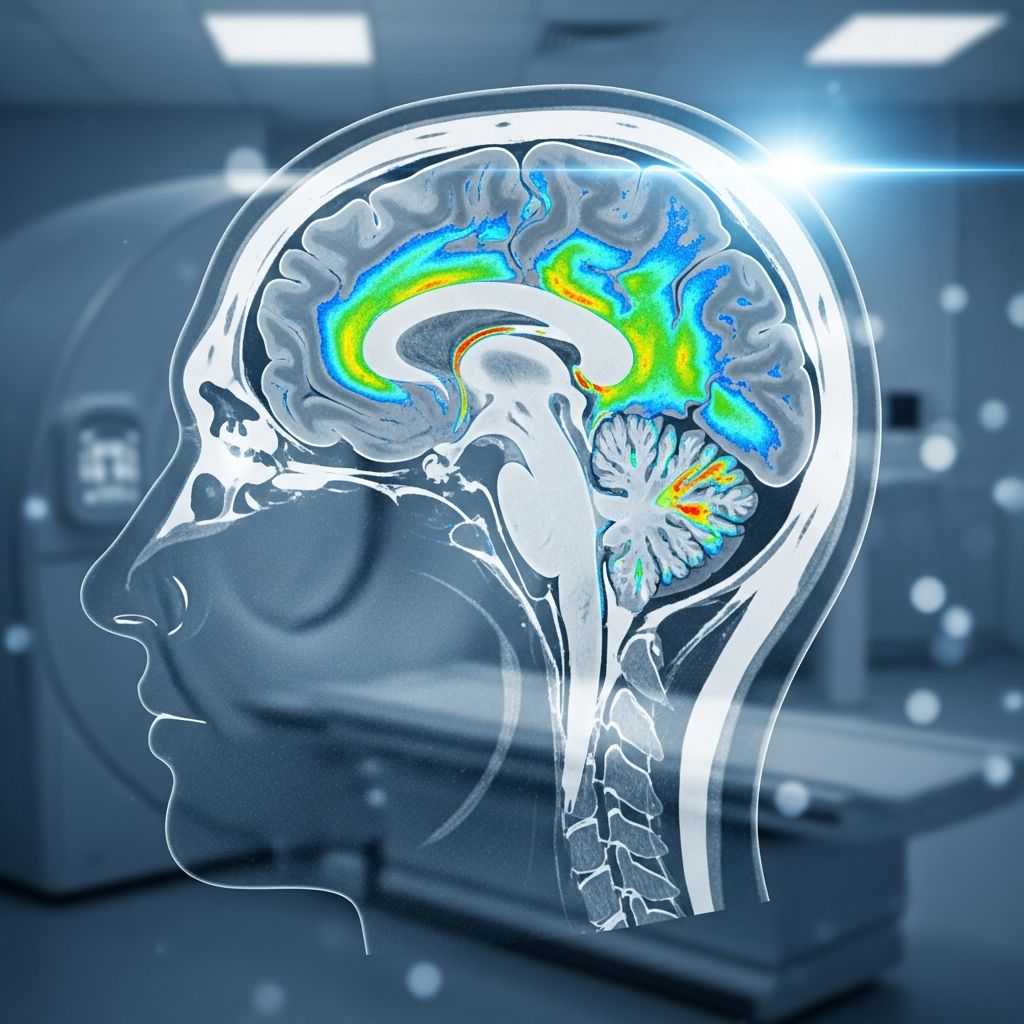
A computed tomography scan of the brain, commonly referred to as a CT scan or CAT scan (Computerized Axial Tomography), is a sophisticated medical imaging procedure that uses X-rays and computer technology to create detailed, cross-sectional images of the brain and skull. This non-invasive diagnostic tool has become an essential component of modern healthcare, allowing physicians to visualize brain structures and identify abnormalities with remarkable precision. Unlike traditional X-rays, which produce flat, two-dimensional images, CT scans generate multiple images from different angles that computers process and assemble into comprehensive three-dimensional representations of brain tissue, blood vessels, and bone structures.
What Is a CT Scan of the Brain?
A brain CT scan is a painless, non-invasive imaging procedure that employs specialized X-ray technology to obtain detailed pictures of the brain and surrounding structures. The procedure involves positioning the patient within a large, tunnel-shaped scanning machine that rotates around the head, capturing numerous X-ray images from multiple angles. These images are then processed by sophisticated computer algorithms to create precise cross-sectional and three-dimensional representations of brain anatomy. The scan typically takes only a few minutes to complete, making it an efficient diagnostic tool for urgent medical situations.
CT scans offer several advantages over conventional imaging methods. They can visualize bone, soft tissue, and blood vessels simultaneously, providing comprehensive anatomical information in a single examination. The high image resolution and diagnostic accuracy have established CT scanning as a gold standard for various medical observations, particularly in emergency settings where quick assessment is critical. The non-invasive nature of the procedure, combined with its efficiency and ability to detect subtle abnormalities, makes it invaluable for modern medical diagnosis and treatment planning.
Why Would My Doctor Order a Brain CT Scan?
Physicians recommend brain CT scans for numerous medical conditions and diagnostic purposes. The procedure is particularly valuable for evaluating traumatic head injuries, assessing acute neurological symptoms, and detecting structural abnormalities within the brain.
Common Medical Indications:
Brain CT scans are commonly ordered to evaluate head trauma and assess for injuries such as soft tissue damage, brain bleeding, and bone fractures. Following accidents or falls, CT imaging helps determine the extent of injury and guides treatment decisions. The procedure is also essential for patients presenting with stroke-like symptoms, as it can quickly distinguish between ischemic strokes caused by blood clots and hemorrhagic strokes caused by bleeding in the brain, enabling rapid intervention.
Neurological abnormalities constitute another major indication for brain CT scans. Physicians use this imaging to detect and evaluate brain tumors, identifying their location, size, and relationship to surrounding structures. The procedure is also valuable for identifying skull defects, abnormal fluid collections, and other structural variations. Additionally, CT scans play an important role in monitoring the effectiveness of cancer treatments, allowing clinicians to assess whether brain tumors are responding to therapy by tracking changes in tumor size over time. Other clinical applications include evaluating hydrocephalus (fluid buildup in the brain), detecting signs of stroke or transient ischemic attack, assessing infections such as abscesses or meningitis, and investigating symptoms such as headaches, dizziness, and neurological deficits.
Related Stories



How Should I Prepare for a Brain CT Scan?
Preparation for a brain CT scan is generally straightforward, as the procedure is non-invasive and requires minimal advance planning. Most patients can eat, drink, and take medications normally unless their physician provides specific instructions. However, certain circumstances may necessitate modified preparation protocols.
If a contrast agent (specialized dye) will be used to enhance image clarity, your healthcare provider will provide detailed instructions. Contrast agents help visualize blood vessels and certain tissues more clearly, improving diagnostic accuracy. Patients should inform their medical team about any allergies, particularly to iodine or contrast materials, as allergic reactions can occur. It is also essential to disclose all medications being taken, especially those affecting blood clotting or kidney function.
Women of childbearing age should inform their healthcare provider if there is any possibility of pregnancy, as radiation exposure carries potential risks to a developing fetus. Expectant mothers should discuss with their physician whether the diagnostic benefits justify the radiation exposure. Additionally, patients should remove all metal objects, including jewelry, hearing aids, and dental work, as metal can interfere with imaging quality. Comfortable, metal-free clothing is recommended for ease of scanning.
What Happens During a Brain CT Scan?
The brain CT scanning procedure is straightforward and typically takes only a few minutes to complete. Upon arrival at the imaging facility, a technologist will explain the procedure and answer any questions. The patient is positioned on a scanning table, with the head secured to prevent movement during image acquisition. Proper positioning is essential for obtaining clear, artifact-free images.
The scanning table then moves into the doughnut-shaped CT scanner, which contains rotating X-ray tubes and detectors. During scanning, the machine rotates around the head, capturing multiple X-ray images from different angles. Patients hear clicking and whirring sounds as the scanner operates—these are normal. Throughout the procedure, patients remain completely still, as even minor movement can blur images and reduce diagnostic quality.
If a contrast agent is being used, it may be administered intravenously before or during scanning. Some patients experience a warm sensation, metallic taste, or flushing when contrast is injected, but these sensations are temporary and harmless. The technologist communicates with the patient via intercom and can halt the procedure if the patient experiences discomfort.
After scanning is complete, the patient can resume normal activities immediately. The radiologist reviews the images, often with the assistance of computer-aided detection software, and generates a detailed report with findings and clinical interpretations. Results are typically available within 24 to 48 hours, though emergency scans may be read immediately.
What Are the Risks and Side Effects?
While brain CT scans are generally considered safe and well-tolerated procedures, they do involve exposure to ionizing radiation, which carries potential health risks that must be carefully weighed against diagnostic benefits.
Radiation Exposure:
The primary concern associated with CT scanning is radiation exposure. The average absorbed dose from a single CT scan ranges from 2 to 20 millisieverts (mSv), with a mean of approximately 2 mSv for head CT examinations. To put this in perspective, the absorbed dose from a single brain CT scan is equivalent to approximately 38 posterior-anterior chest radiographs or roughly three months of natural background radiation exposure in the United States.
Research indicates that CT scanning exposure can potentially increase the risk of cancer development, particularly with cumulative exposure over time. Studies estimate that almost 30,000 cancers may be induced annually due to CT scan usage in the United States. However, the risk from any single scan is small. Research suggests that the chances of developing a fatal cancer due to a CT scan are approximately 1 in 2,000. The benefit of accurate diagnosis typically far outweighs the small potential risk from radiation exposure.
Children warrant special consideration regarding radiation exposure, as they have greater radiation sensitivity and a longer remaining lifespan to develop potential side effects. Consequently, physicians reserve CT scans for children when they are medically necessary, and radiology technicians adjust scanner settings to deliver the lowest possible radiation dose while maintaining image quality.
Contrast-Related Risks:
When contrast agents are used to enhance imaging, allergic reactions may occasionally occur. Most reactions are mild, manifesting as itching or rash, but severe reactions are rare. Patients with iodine allergies or previous contrast reactions should inform their healthcare provider before the procedure. Additionally, in patients with severely compromised kidney function, contrast agents can rarely cause kidney damage. Patients with renal impairment should discuss this risk with their physician before undergoing contrast-enhanced CT scanning.
How Does a Brain CT Compare to Other Imaging Methods?
Several imaging modalities are available for brain evaluation, each with distinct advantages and limitations. Understanding these differences helps patients and physicians select the most appropriate imaging method for specific clinical situations.
| Imaging Method | Speed | Cost | Metal Compatibility | Best Use |
|---|---|---|---|---|
| CT Scan | Fast (minutes) | Moderate | Compatible | Emergency trauma, acute stroke, bone imaging |
| MRI | Slower (30-60 min) | Higher | Incompatible with ferromagnetic metals | Soft tissue detail, chronic conditions |
| X-ray | Very fast | Lower | Compatible | Bone fractures, preliminary screening |
| PET Scan | Slow | Highest | Generally compatible | Metabolic function, early disease detection |
CT scanning offers significant advantages over magnetic resonance imaging (MRI) in certain scenarios. CT scans are substantially faster than MRI examinations, making them ideal for emergency situations where rapid diagnosis is critical. A typical brain CT takes only minutes, whereas an MRI scan may require 30 to 60 minutes. This speed advantage is particularly important in trauma cases and acute neurological emergencies where treatment decisions cannot be delayed.
Another important advantage of CT scanning is compatibility with metal implants and devices. Patients with pacemakers, nerve stimulators, cochlear implants, or other ferromagnetic devices cannot safely undergo MRI due to the powerful magnetic field, which can disrupt device function or cause device migration. CT scanning, which uses X-rays rather than magnetic fields, poses no such risks and remains a viable imaging option for these patients.
Cost considerations also favor CT scanning in many situations. Brain CT examinations typically cost less than comparable MRI studies, making them more accessible in resource-limited settings. However, MRI provides superior soft tissue contrast resolution and is better suited for identifying subtle abnormalities in brain parenchyma and detecting certain types of pathology, particularly in non-emergency settings where image acquisition time is not a limiting factor.
Frequently Asked Questions
Is a brain CT scan painful?
No, a brain CT scan is completely painless and non-invasive. The only discomfort some patients might experience is lying still on the scanning table for a few minutes, or occasionally a warm sensation if contrast material is injected intravenously.
How long does a brain CT scan take?
The actual scanning portion typically takes only a few minutes. The entire appointment, including preparation and post-scan procedures, usually lasts 15 to 30 minutes depending on whether contrast agents are used.
Can I eat or drink before my brain CT scan?
In most cases, patients can eat and drink normally before a non-contrast brain CT scan. However, if contrast material will be used, fasting may be recommended. Your healthcare provider will provide specific pre-procedure instructions based on your individual circumstances.
Are there any restrictions after a brain CT scan?
Most patients can resume normal activities immediately after a non-contrast CT scan. If contrast material was used, doctors typically recommend drinking extra fluids to help eliminate the contrast from your body, but no other special precautions are usually necessary.
What should I do if I’m pregnant?
Women who are pregnant or think they might be pregnant should inform their healthcare provider and the CT technologist before the scan. While a single CT scan is unlikely to pose significant risk, your doctor can evaluate whether the diagnostic benefits outweigh potential risks and may recommend alternative imaging methods if appropriate.
How soon will I get my results?
Results from routine brain CT scans are typically available within 24 to 48 hours. However, in emergency situations such as trauma or acute stroke, results may be available within minutes as the radiologist reads the images immediately to guide urgent treatment decisions.
References
- Evaluating the Necessity and Radiation Risk of Brain CT Scans in Trauma Patients — National Center for Biotechnology Information (NCBI), PubMed Central. 2024. https://pmc.ncbi.nlm.nih.gov/articles/PMC10749414/
- CT Head Scan: Uses, Procedure, Risks, and Results — Medical News Today. 2024. https://www.medicalnewstoday.com/articles/326856
- CT Scan Side Effects and Radiation Information — Aaron Cohen-Gadol, MD. 2024. https://www.aaroncohen-gadol.com/en/patients/ct/side-effects
- Head CT Scan Information — Mount Sinai Health System. 2024. https://www.mountsinai.org/health-library/tests/head-ct-scan
- Head CT (Computed Tomography, CAT Scan) — Radiology Info. 2024. https://www.radiologyinfo.org/en/info/headct
- Brain CT Scan Benefits and Risks — ESMIL Medical Imaging. 2024. https://www.esmil.com/brain-scans/brain-ct-scan/benefits-risks.php
- CT Scan Safety: A Radiation Reality Check — Memorial Sloan Kettering Cancer Center. 2024. https://www.mskcc.org/news/scan-safety-radiation-reality-check
Similar Articles








Read full bio of medha deb