Brain-Eating Amoeba: Symptoms, Treatment & Prevention
Understanding Naegleria fowleri: infection causes, symptoms, treatment options, and prevention strategies.
Understanding Brain-Eating Amoeba (Naegleria Fowleri)
Naegleria fowleri is a microscopic, single-celled organism that can cause a rare but extremely serious infection of the central nervous system. Commonly referred to as the “brain-eating amoeba,” this pathogen leads to a condition called primary amoebic meningoencephalitis (PAM), which attacks brain tissue and causes severe inflammation. While the condition is rare, its consequences are devastating, with a mortality rate exceeding 97% even with aggressive treatment. Understanding how this organism spreads, recognizing symptoms early, and knowing prevention strategies are critical for public health awareness.
The amoeba was first discovered in 1965 and has since been recognized as a threat to people engaged in recreational freshwater activities worldwide. Unlike bacterial or viral meningitis, PAM progresses with alarming speed, often leading to coma and death within days of symptom onset. Despite advances in medical science, successful treatment remains exceptionally rare, making prevention the most important defense against infection.
What is Primary Amoebic Meningoencephalitis (PAM)?
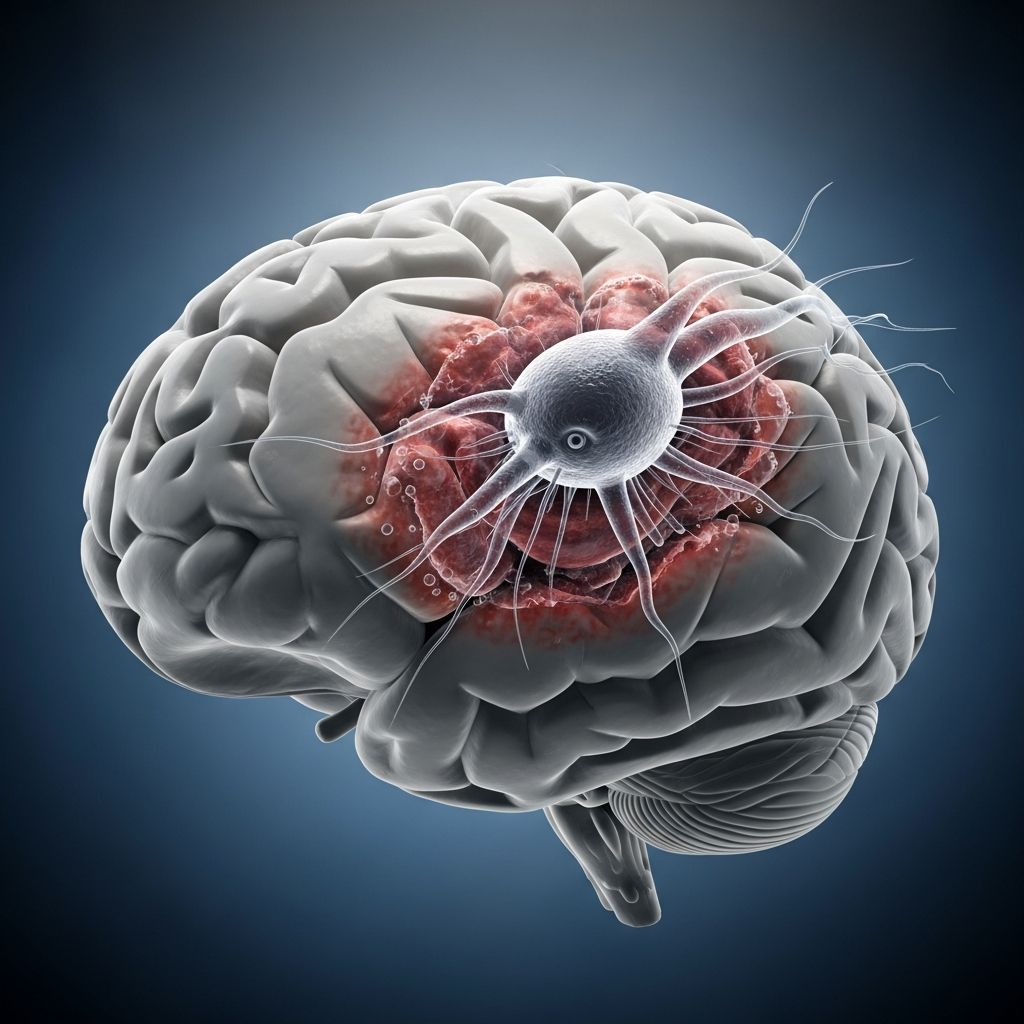
Primary amoebic meningoencephalitis is a severe infection of the central nervous system caused exclusively by Naegleria fowleri. The infection occurs when contaminated water containing the amoeba enters the nasal passages and travels to the brain. Once inside the brain, the organism causes severe inflammation, destroys brain tissue, and leads to cerebral edema (brain swelling), hemorrhagic necrosis, and often brain herniation.
PAM typically affects otherwise healthy children, teenagers, and young adults who have been exposed to contaminated freshwater environments. The infection is characterized by its rapid progression and nearly universal fatality rate. The most severely affected areas of the brain include the olfactory bulbs (responsible for smell), the basilar portion of the frontal cerebrum, and the cerebellum, leading to significant neurological damage.
How Does Infection Occur?
The primary transmission route for Naegleria fowleri infection is through the nasal passages when contaminated water enters the nose. The amoeba does not cause infection if ingested through the digestive system; it must enter through the nasal cavity to migrate to the brain.
Common Sources of Infection
The most typical scenarios where infection occurs include:
- Swimming or diving in warm freshwater bodies such as lakes, rivers, hot springs, and geothermal water sources
- Water skiing and other water sports activities in infected freshwater
- Using inadequately chlorinated swimming pools
- Nasal irrigation with unsterilized or tap water using devices such as neti pots
- In extremely rare cases, exposure to heated tap water that is not properly treated
- Inhalation of infected dust or contaminated water vapor
The amoeba thrives in warm freshwater environments, typically in water temperatures above 80°F (27°C). It is most commonly found in lakes, rivers, hot springs, and poorly maintained swimming pools. While extremely rare, infection has been documented from tap water sources when individuals used unsterilized water for nasal rinsing rather than distilled or sterilized alternatives.
Why Some People Aren’t Infected
An important question medical professionals and researchers examine is why some people exposed to contaminated water become infected while others in the same location engaging in identical activities do not develop PAM. The answer likely involves a combination of factors including the concentration of amoebae in the water, the force and depth of water entry into the nasal passages, individual immune responses, and genetic susceptibility variations.
Related Stories



Symptoms of Brain-Eating Amoeba Infection
Symptoms of PAM develop suddenly and are severe from the onset. The incubation period ranges from two to 15 days after exposure to the amoeba, with an average of approximately five to nine days before clinical manifestations appear.
Early Symptoms
The initial signs of infection often resemble viral meningitis, which can lead to diagnostic delays. Early symptoms include:
- Severe and sudden headache
- High fever
- Nausea and vomiting
- Stiff neck
- Loss of appetite
- Trembling or body aches
Progressing Symptoms
As the infection rapidly progresses, more severe neurological symptoms develop:
- Altered mental state and confusion
- Lack of attention to people and surroundings
- Hallucinations
- Seizures
- Loss of balance and coordination
- Difficulty speaking
- Blurred vision and drooping eyelids
- Loss of the sense of taste
- Progression to coma
The rapid deterioration from initial symptoms to severe neurological compromise typically occurs within three to seven days, with death usually following within a week to ten days of symptom onset. The average time from symptom appearance to death is approximately 5.3 days.
Diagnosis of Naegleria Fowleri Infection
Diagnosing PAM presents significant challenges because symptoms mimic other forms of meningitis and meningoencephalitis. Early and accurate diagnosis is crucial for improving survival chances, yet the rarity of the condition means many healthcare providers may not immediately consider it in their differential diagnosis.
Diagnostic Methods
Healthcare providers employ several diagnostic approaches:
- Cerebrospinal fluid (CSF) analysis obtained through lumbar puncture to examine cell counts, glucose levels, and protein content
- Direct microscopic examination of CSF to identify motile trophozoites (active forms of the amoeba)
- Differentiation from bacterial, viral, and other protozoal CNS infections based on CSF analysis patterns
- Neuroimaging studies including MRI or CT scans to assess brain tissue damage and swelling
- Brain biopsy in some cases, where a tissue sample is examined under a microscope to confirm the presence of amoebae
- Metagenomic next-generation sequencing as an emerging diagnostic tool showing promise for identifying free-living amoebae
A key distinguishing feature in CSF analysis is the presence of numerous white blood cells, particularly neutrophils, with elevated protein levels and typically normal to low glucose levels. The direct visualization of motile trophozoites in fresh, warm CSF specimens provides definitive evidence, though this finding is not always present.
Treatment Options for Brain-Eating Amoeba
Treatment of PAM remains challenging, with amphotericin B being the established first-line antifungal agent. However, the effectiveness of available treatments remains disappointingly low, with survival rates below 3% even with aggressive medical intervention.
Primary Treatment Approach
Amphotericin B is the treatment of choice for PAM infection. This antifungal medication is typically administered intravenously and crosses the blood-brain barrier to reach the central nervous system, making it suitable for brain infections. Early administration is critical, as delayed treatment significantly reduces survival chances.
Combination Therapy
The most successful survivors in North America have been treated with combination drug regimens that include:
- Amphotericin B (primary antifungal agent)
- Rifampin (an antibiotic with good CNS penetration)
- Fluconazole (another antifungal medication)
- Miltefosine (originally developed for treating leishmaniasis, a parasitic disease)
Miltefosine represents a significant advancement in PAM treatment. Originally approved for treating leishmaniasis spread by sandflies, this medication has shown promise in case reports of PAM survivors and is increasingly incorporated into treatment protocols.
Supportive Care and Adjunctive Measures
The best outcomes documented involved early diagnosis and treatment combined with therapeutic hypothermia (cooling the body to below-normal temperatures) to manage brain swelling and reduce secondary brain injury. Two children who recovered completely received this comprehensive approach combining specific antimicrobial agents with temperature management.
Supportive care includes management of seizures, control of intracranial pressure, maintenance of respiratory and cardiovascular function, and management of metabolic complications. However, despite intensive care support, the overwhelming majority of patients progress to coma and death.
Prognosis and Outcomes
The outlook for individuals infected with Naegleria fowleri remains grimly poor. More than 97% of people with PAM die from the infection, even with treatment. Only a handful of patients worldwide have been reported to have survived PAM, making it one of the most lethal infections known to medicine.
Coma typically develops within days of symptom onset, and death usually follows within seven to ten days after symptoms begin. The average survival time from symptom onset to death is approximately 5.3 days. The rapid progression and high fatality rate make this condition one of the most serious medical emergencies, and prevention becomes the paramount concern.
Prevention Strategies for Brain-Eating Amoeba
Given the severe consequences and high mortality rate of PAM, prevention is essential even though the condition remains rare. Public health authorities and medical professionals emphasize several key preventive measures:
Freshwater Activity Precautions
- Avoid diving, jumping, or submerging your head in warm freshwater bodies, particularly in lakes, rivers, and hot springs
- Be cautious when swimming in poorly chlorinated or untreated swimming pools
- Use nose clips or hold your nose closed when engaging in water activities to prevent water from entering the nasal passages
- Exercise extra caution during water sports such as water skiing and jet skiing where forceful water entry is more likely
Nasal Irrigation Safety
- Always use distilled or sterilized water when performing nasal rinses with neti pots or similar irrigation devices
- Never use tap water for nasal irrigation, as municipal water treatment does not guarantee amoeba elimination
- Consider boiling tap water before use, allowing it to cool, or purchasing sterile saline solutions specifically designed for nasal irrigation
General Water Safety
- Maintain awareness of local water quality advisories and contamination reports
- Shower thoroughly after swimming in freshwater environments
- Keep warm freshwater away from the nasal passages whenever possible
- Educate children about water safety and the importance of keeping water out of the nose during water activities
When to Seek Medical Attention
Immediate medical attention is absolutely critical if you develop symptoms after exposure to warm freshwater or after using tap water for nasal irrigation. Seek emergency care immediately if you experience:
- Sudden onset fever following freshwater water activities
- Severe headache in the days following swimming or diving
- High fever combined with neck stiffness
- Nausea and vomiting following water exposure
- Any neurological symptoms including confusion, altered mental state, or hallucinations after freshwater contact
Early diagnosis and treatment with recommended drugs offer the best chance for survival, though this chance remains extremely limited. Time is absolutely critical, and any suspicious symptoms warrant immediate emergency evaluation.
Frequently Asked Questions About Brain-Eating Amoeba
Q: Is brain-eating amoeba infection common?
A: No, PAM is extremely rare. Only a handful of cases are reported annually in the United States, though the condition has been documented worldwide. The rarity of infection contrasts sharply with its severity.
Q: Can I get infected by drinking contaminated water?
A: No, Naegleria fowleri infection occurs only when contaminated water enters through the nasal passages. Ingestion through the digestive system does not cause infection, making drinking contaminated water safe from this particular pathogen.
Q: What is the survival rate for PAM?
A: The survival rate is less than 3%, with more than 97% of infected individuals dying from the infection even with aggressive medical treatment. Only a handful of survivors have been documented worldwide.
Q: How quickly do symptoms develop?
A: Symptoms typically appear two to 15 days after exposure to the amoeba. Once symptoms begin, the condition progresses rapidly, with death usually occurring within three to seven days.
Q: Is there a vaccine for brain-eating amoeba infection?
A: No vaccine currently exists for PAM. Prevention through avoiding contaminated freshwater and practicing safe nasal irrigation remains the primary defense.
Q: Can antibiotics treat brain-eating amoeba infection?
A: Traditional antibiotics are not effective against amoebae. Treatment requires specific antifungal and antiparasitic medications, with amphotericin B being the primary agent, often combined with other drugs like miltefosine.
Q: What areas of the brain are most affected?
A: The olfactory bulbs, the basilar portion of the frontal cerebrum, and the cerebellum are most severely affected. Damage to these regions explains the neurological symptoms and rapid progression of the disease.
Q: Is tap water safe for nasal irrigation?
A: No, tap water should never be used for nasal irrigation. Cases of PAM have been documented from tap water neti pot use. Always use distilled, sterilized, or commercially prepared saline solutions.
References
- Brain-Eating Amoeba (Naegleria Fowleri): Symptoms & Treatments — Cleveland Clinic. 2024. https://my.clevelandclinic.org/health/diseases/24485-brain-eating-amoeba
- Naegleria Infection and Primary Amebic Meningoencephalitis — National Center for Biotechnology Information (NCBI), U.S. National Library of Medicine. 2024. https://www.ncbi.nlm.nih.gov/books/NBK535447/
- Naegleria fowleri Infections — Centers for Disease Control and Prevention (CDC). 2024. https://www.cdc.gov/naegleria/about/index.html
- Primary Amebic Meningoencephalitis (PAM) — Children’s Hospital of Philadelphia (CHOP). 2024. https://www.chop.edu/conditions-diseases/primary-amebic-meningoencephalitis-pam
- Naegleria Fowleri — Illinois Department of Public Health. 2024. https://dph.illinois.gov/topics-services/diseases-and-conditions/diseases-a-z-list/diseases/naegleria-fowleri.html
- Naegleria fowleri and Primary Amebic Meningoencephalitis — Minnesota Department of Health. 2024. https://www.health.state.mn.us/diseases/naegleria/index.html
Similar Articles








Read full bio of medha deb