Brain Fog Causes: 11 Common Triggers And How To Treat Them
Uncover the hidden medical conditions and lifestyle factors triggering brain fog and learn how to reclaim mental clarity.
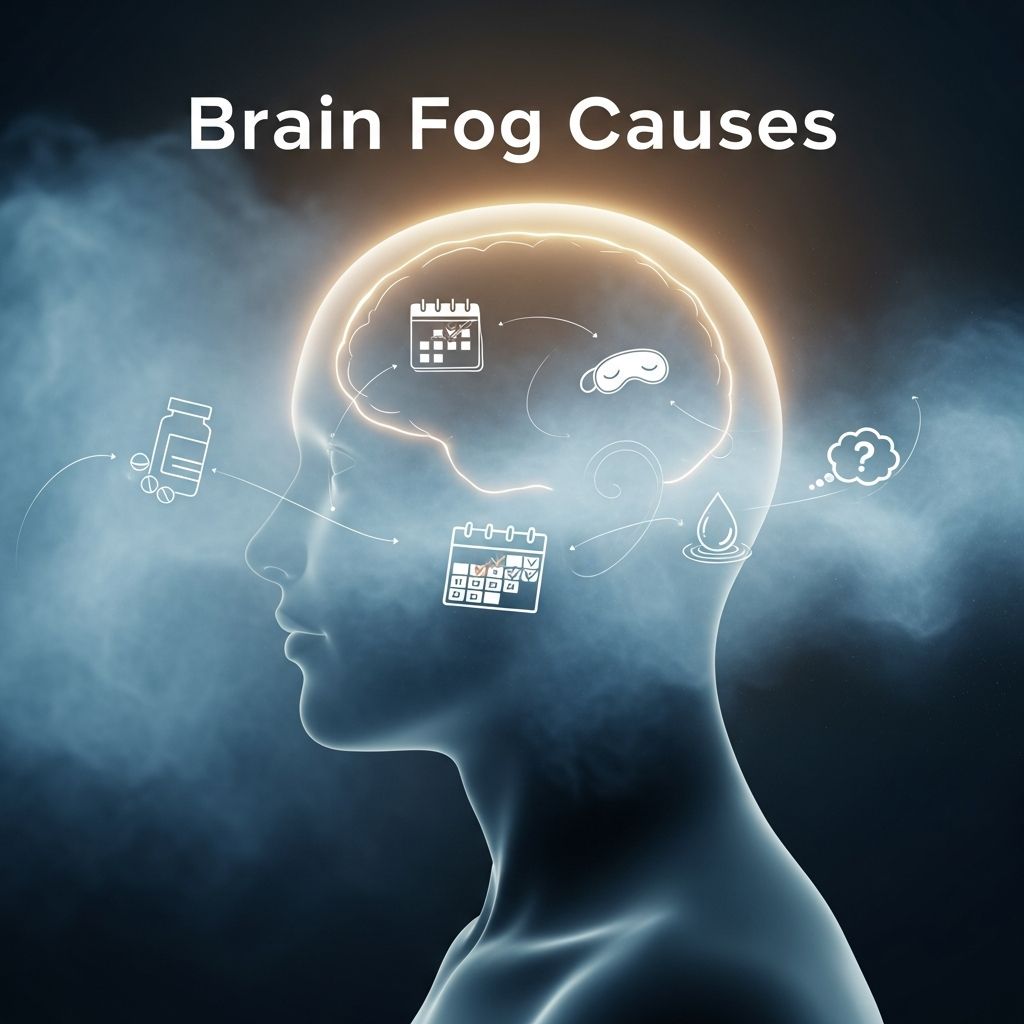
Brain fog describes a collection of symptoms that impair cognitive function, such as difficulty concentrating, forgetfulness, mental fatigue, and slowed thinking. Unlike dementia, it does not severely disrupt daily life but makes routine tasks feel laborious, often likened to “thinking through mud.” Identifying underlying causes is crucial, as brain fog links to over a dozen chronic conditions, with symptoms varying by trigger. Recent research highlights inflammation, hormonal shifts, and lifestyle factors as key contributors.
What Is Brain Fog?
Brain fog is not a formal medical diagnosis but a colloquial term for cognitive dysfunction. Individuals report unclear thinking, poor concentration, memory lapses, and mental exhaustion. Experts like Lynne Shinto, a naturopathic doctor and neurology professor at Oregon Health & Science University, note that affected people maintain daily functionality but experience sluggish thought processes. Cognitive psychologist Julie Dumas from the University of Vermont compares it to processing information through molasses, emphasizing the need to pinpoint root causes rather than treating symptoms alone. A review in Trends in Neurosciences confirms its association with diverse conditions, suggesting multiple pathways without a single mechanism.
Common Causes of Brain Fog
Several health issues and lifestyle factors provoke brain fog. Addressing them often resolves symptoms. Below are the most prevalent culprits, supported by clinical evidence.
1. Sleep Problems
Inadequate sleep tops the list of brain fog triggers. Chronic insomnia—trouble falling or staying asleep—impairs cognitive clarity. Improving sleep hygiene can dissipate the fog, according to Leslie Swanson, a clinical associate professor of psychiatry at Michigan Medicine. Obstructive sleep apnea (OSA), where breathing repeatedly stops during sleep, causes daytime sleepiness and foggy thinking. Snoring signals potential OSA; undiagnosed cases are common. OSA affects over 25 million U.S. adults, per CDC data, leading to oxygen deprivation that hampers brain function. Treatments like CPAP machines restore alertness.
- Symptoms: Excessive daytime drowsiness, irritability, poor focus.
- Risk Factors: Obesity, age over 40, family history.
- Solutions: Sleep studies, weight management, positional therapy.
2. Perimenopause and Hormonal Changes
Women in perimenopause—the transition to menopause—frequently experience brain fog due to fluctuating estrogen levels. Complaints include forgetting names, work focus issues, and verbal memory dips. Studies document small declines in learning during this phase. Sleep disruptions, including night awakenings and hot flashes, exacerbate it, though hormonal effects persist independently. Swanson notes fog typically clears post-menopause. Estrogen influences neurotransmitter activity and neuroplasticity, per NIH research on menopause cognition.
| Stage | Cognitive Impact | Duration |
|---|---|---|
| Perimenopause | Memory lapses, focus loss | 4-10 years |
| Menopause | Improvement post-transition | Lifelong stability |
Hormone therapy may help some, but lifestyle adjustments like exercise aid most.
3. COVID-19 and Other Infections
Acute infections like flu or COVID-19 induce temporary brain fog via inflammation and fever. Long COVID elevates its profile, with persistent symptoms post-infection. Shinto reports intense concentration issues and exhaustion in patients, sometimes disabling daily activities. Dumas links it to systemic inflammation affecting the brain. CDC data shows 10-30% of COVID survivors experience cognitive deficits lasting months. Other viruses, such as Epstein-Barr, mimic this via chronic inflammation.
- Mechanisms: Cytokine storms, blood-brain barrier disruption.
- Management: Anti-inflammatories, cognitive rehab, vaccination.
4. Vitamin B12 Deficiency
Low vitamin B12 levels, common in older adults, vegans, and those with absorption issues, cause brain fog. B12 supports myelin production and red blood cell formation; deficiency leads to fatigue and cognitive haze. Found in meat, fish, dairy, and fortified cereals, deficiency affects 15% of people over 60, per NIH statistics. Symptoms overlap with dementia, including memory loss and confusion.
Related Stories



Causes: Pernicious anemia, gastrointestinal disorders like Crohn’s, metformin use.
Treatment involves supplements or injections, reversing fog within weeks.
5. Chronic Fatigue Syndrome (CFS)
CFS, or myalgic encephalomyelitis, features profound fatigue worsened by exertion. Brain fog is a hallmark, termed “fibro fog” in related fibromyalgia. CDC recognizes it as a serious disorder impacting up to 2.5 million Americans. Neuroinflammation and mitochondrial dysfunction are implicated.
6. Depression and Anxiety
Mental health disorders disrupt cognition. Depression slows processing speed; anxiety overwhelms working memory. NIMH reports 21 million U.S. adults affected annually, with cognitive symptoms in 80% of cases.
7. Thyroid Disorders
Hypothyroidism slows metabolism, causing mental sluggishness. TSH levels above 4.0 mIU/L correlate with fog, per Endocrine Society guidelines. Hyperthyroidism induces anxiety-like fog.
8. Autoimmune Diseases
Conditions like lupus or multiple sclerosis trigger fog via inflammation. In lupus, 80% report cognitive issues.
9. Medications and Side Effects
Antihistamines, opioids, and chemotherapy cause fog. Review meds with providers.
10. Dehydration and Poor Nutrition
Mild dehydration impairs focus by 10-20%, per studies. Diets low in omega-3s worsen it.
11. Stress and Burnout
Chronic stress elevates cortisol, shrinking the hippocampus. WHO links burnout to cognitive decline.
Brain Fog Symptoms
Core symptoms include:
- Difficulty concentrating
- Short-term memory issues
- Mental exhaustion
- Slowed thinking
- Word-finding problems
Symptoms fluctuate, worsening with triggers like poor sleep.
Diagnosis and When to See a Doctor
Consult a doctor if fog persists >2 weeks, worsens, or accompanies headaches, vision changes, or weakness. Tests include blood work (B12, thyroid), sleep studies, cognitive assessments. Rule out serious issues like tumors or strokes.
Treatment and Management Strategies
Tailor to cause:
- Sleep: CBT-I, CPAP
- Nutrition: B12 supplements
- Hormones: HRT if appropriate
- Lifestyle: Exercise, meditation, hydration
Cognitive behavioral therapy and mindfulness reduce fog by 30%, per meta-analyses.
Prevention Tips
- Prioritize 7-9 hours sleep nightly
- Eat balanced diet rich in B vitamins, omega-3s
- Manage stress via yoga, journaling
- Stay hydrated (8 glasses water/day)
- Exercise 150 min/week
Frequently Asked Questions (FAQs)
What causes brain fog the most?
Sleep deprivation is the leading cause, affecting cognitive speed and clarity.
Does brain fog mean dementia?
No, brain fog is reversible; dementia involves permanent decline.
How long does brain fog last?
Varies by cause—from days (dehydration) to years (long COVID)—but treatable causes resolve quickly.
Can diet fix brain fog?
Yes, addressing deficiencies like B12 often clears it.
Is brain fog from stress permanent?
No, stress reduction techniques provide rapid relief.
References
- 11 Health Problems That Might Be Causing Your Brain Fog — AARP. 2023-10-15. https://www.aarp.org/health/conditions-treatments/health-conditions-that-cause-brain-fog/
- Obstructive Sleep Apnea and Long COVID Data — Centers for Disease Control and Prevention (CDC). 2024-05-20. https://www.cdc.gov/sleep/about_sleep/sleep_apnea.html
- Vitamin B12 Deficiency Fact Sheet — National Institutes of Health (NIH), Office of Dietary Supplements. 2023-11-01. https://ods.od.nih.gov/factsheets/VitaminB12-HealthProfessional/
- Mental Health and Cognitive Function — National Institute of Mental Health (NIMH). 2024-02-12. https://www.nimh.nih.gov/health/topics/depression
- Thyroid Disease Guidelines — Endocrine Society. 2023-08-30. https://www.endocrine.org/clinical-practice-guidelines/hypothyroidism
- Burn-out as Occupational Phenomenon — World Health Organization (WHO). 2022-11-28. https://www.who.int/news/item/28-05-2019-burn-out-an-occupational-phenomenon-international-classification-of-diseases
Similar Articles








Read full bio of medha deb