Brain Fog: PMS or Something More Serious?
Distinguishing between premenstrual brain fog and signs of serious health conditions like menopause, thyroid issues, or long COVID.

Brain fog—a hazy mental state marked by forgetfulness, difficulty concentrating, and mental fatigue—affects millions, often striking women during hormonal fluctuations like PMS. While it may feel like a normal premenstrual symptom, persistent brain fog could signal underlying issues such as menopause, thyroid disorders, long COVID, or other conditions. This article breaks down symptoms, causes, treatments, and when to consult a doctor.
What Is Brain Fog?
Brain fog isn’t a formal medical diagnosis but describes cognitive symptoms including confusion, forgetfulness, lack of focus, and mental cloudiness. On a cellular level, it involves inflammation, hormonal imbalances affecting mood, energy, and cognition, potentially leading to issues like obesity or irregular menstruation if untreated. Women often report it worsening before periods due to estrogen and progesterone shifts.
Symptoms typically include:
- Difficulty concentrating or multitasking
- Short-term memory lapses, like forgetting names or appointments
- Mental fatigue after minimal effort
- Slowed thinking or word-finding issues
- Feeling mentally ‘exhausted’ despite adequate rest
These mimic PMS symptoms like irritability and fatigue but persist beyond the luteal phase in serious cases.
Brain Fog and PMS: A Common Link
Premenstrual syndrome (PMS) affects up to 75% of menstruating women, with brain fog as a frequent complaint due to hormonal dips. Estrogen peaks mid-cycle boost serotonin and dopamine for clarity; its post-ovulation drop triggers fog, compounded by progesterone. Prostaglandins causing cramps may also inflame brain pathways.
Track symptoms via apps: if fog aligns with your cycle (days 21-28), it’s likely PMS-related. Lifestyle tweaks like balanced diet, exercise, and 7-8 hours sleep help.
When Brain Fog Signals Something More Serious
Not all brain fog is benign. Persistent symptoms warrant investigation.
Hormonal Havoc Beyond PMS
Menopause/Perimenopause: Declining estrogen disrupts sleep, mood, and cognition, mimicking PMS but lasting years. Hot flashes and insomnia exacerbate fog.
Thyroid Disorders: Hypothyroidism slows metabolism, causing fatigue and fog; hyperthyroidism spikes anxiety and scatter.
Post-Viral and Chronic Conditions
Long COVID: Inflammation from SARS-CoV-2 affects 30-50% of patients, with fog from microclots or immune dysregulation.
Autoimmune Diseases: Lupus, MS damage myelin or inflame the brain.
Mental Health and Lifestyle Culprits
| Cause | Symptoms Overlap with PMS | Key Differences |
|---|---|---|
| Chronic Stress/Anxiety | Fatigue, irritability | Persistent, not cycle-tied; PTSD link |
| Sleep Deprivation/Apnea | Mental exhaustion | Snoring, daytime sleepiness |
| Nutrient Deficiencies (B12, Iron) | Fatigue, anemia fog | Blood tests confirm; diet fixes |
| Depression/ADHD | Focus issues | Mood lows, hyperactivity |
Medications (chemotherapy, antihistamines) or toxins also contribute.
Causes of Brain Fog: A Deeper Dive
Rooted in lifestyle and physiology:
- Hormonal Imbalances: Estrogen/progesterone flux, cortisol spikes reduce brain blood flow.
- Inflammation: From diet, infections, or chronic illness impairs neurons.
- Poor Sleep/Stress: Disrupts neurotransmitter balance (serotonin, dopamine, GABA).
- Diet/EMF: Deficiencies, processed foods, screen radiation.
Diagnosis: Ruling Out Serious Issues
Related Stories



See a doctor if fog lasts >2 weeks, worsens, or accompanies:
- Headaches, vision changes
- Severe fatigue, weight shifts
- Depression, suicidal thoughts
- Numbness, balance issues
Tests include bloodwork (thyroid, B12, hormones), sleep studies, cognitive assessments.
Treatments and Relief Strategies
No single cure; target causes.
Lifestyle Changes (First-Line)
- Sleep 7-8 hours; bedtime by 10 PM.
- Exercise 30 min/day: walks, yoga boost BDNF.
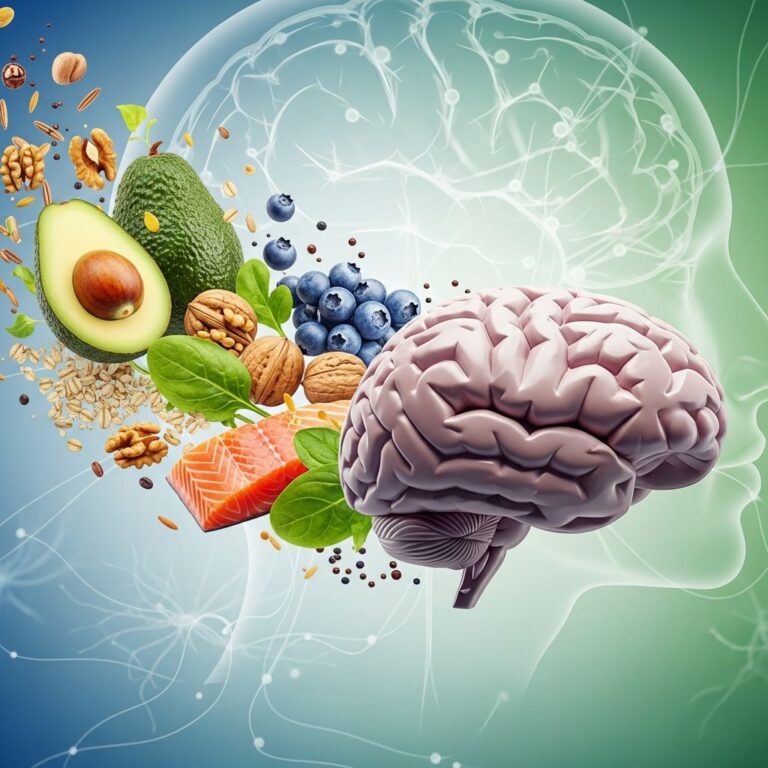
- Anti-inflammatory diet: omega-3s (salmon), antioxidants, limit sugar/caffeine.
- Stress management: meditation, breaks from screens.
Supplements (Consult Doctor)
- Fish Oil (Omega-3): DHA improves cognition.
- Ginkgo Biloba: Boosts circulation.
- L-Theanine: Raises GABA for calm focus.
- Vitamin B12/Iron: For deficiencies.
Medical Interventions
Hormone therapy for menopause; thyroid meds; CBT for anxiety; HBOT for post-viral fog (research-backed). NSAIDs or antidepressants for inflammation/mood.
FAQs
Is brain fog always a PMS symptom?
No. Cycle-tied fog is common in PMS, but persistent cases need evaluation for menopause, thyroid, or long COVID.
How long does PMS brain fog last?
Typically 3-10 days pre-period; longer suggests other causes.
Can diet fix brain fog?
Yes, nutrient-rich diets reduce inflammation; B12 deficiency links to fog.
When to worry about brain fog?
If sudden, severe, or with neurological symptoms—seek urgent care.
Does exercise help brain fog?
Yes, aerobic activity enhances blood flow and neuroplasticity.
References
- Brain Fog: Solutions to Help You Improve Concentration — Bangkok Hospital. 2023. https://www.bangkokhospital.com/en/bangkok-bone-brain/content/brain-fog-syndrome
- Brain Fog: Causes, Symptoms, and Treatments — Brain Dubai. 2024. https://braindubai.com/blog/brain-health/brain-fog-causes-symptoms-and-treatments/
- Anxiety and brain fog: Symptoms, causes, and treatment — Medical News Today. 2024-05-14. https://www.medicalnewstoday.com/articles/anxiety-and-brain-fog
- What is Brain Fog? Symptoms, Causes & Treatment — Tim Fletcher. 2023. https://www.timfletcher.ca/blog/what-is-brain-fog-symptoms-causes-amp-treatment
- Brain fog — healthdirect.gov.au (Australian Government). 2025. https://www.healthdirect.gov.au/brain-fog
- Brain Fog: What It Is, Causes, Symptoms & Treatment — Cleveland Clinic. 2024-02-08. https://my.clevelandclinic.org/health/symptoms/brain-fog
Similar Articles








Read full bio of Sneha Tete