The Brain-Gut Connection: How Your Gut Affects Your Mind
Discover how your gut microbiota influences mental health, mood, and cognitive function through the brain-gut axis.
The Brain-Gut Connection: Understanding the Gut-Brain Axis
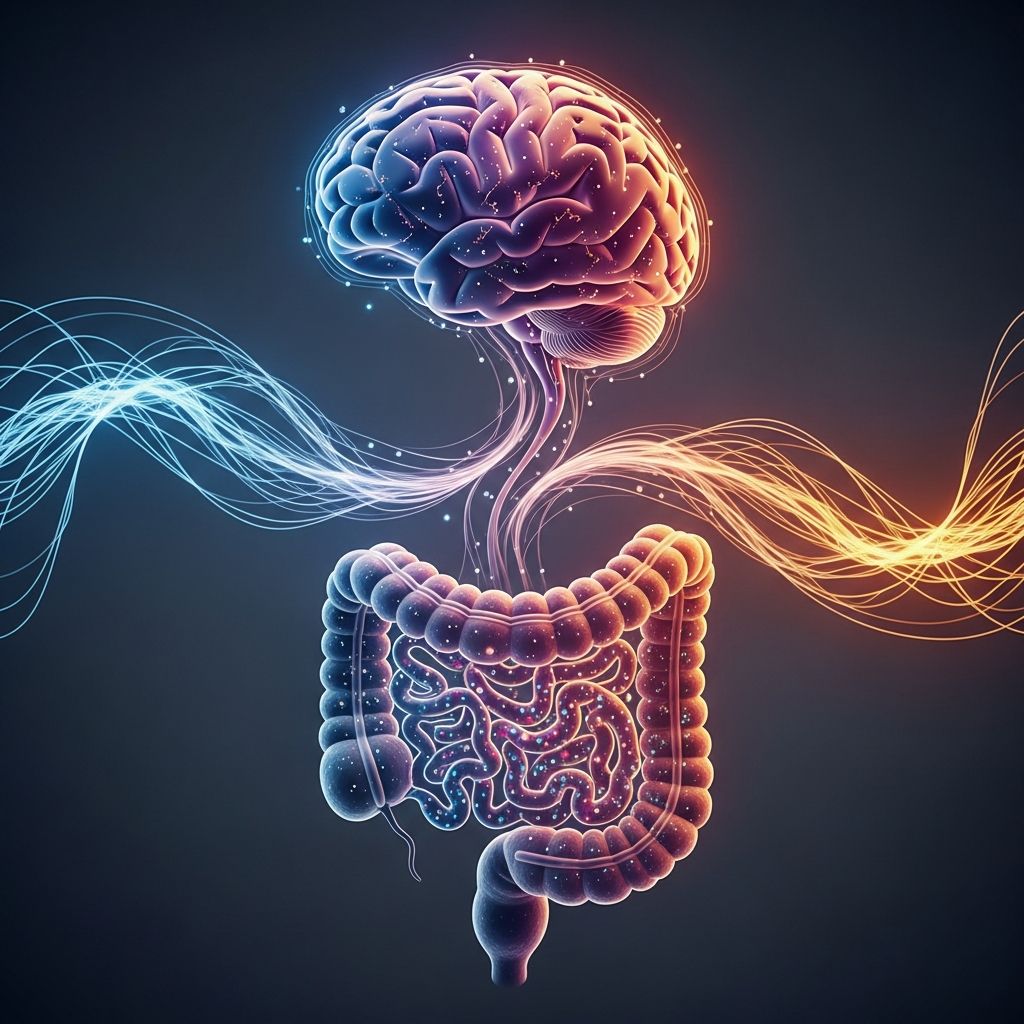
The relationship between your brain and your gut is far more complex and influential than most people realize. Recent scientific research has revealed a sophisticated communication network known as the brain-gut axis (GBA), which represents a bidirectional relationship between the central nervous system and the gastrointestinal tract. This connection profoundly influences not only digestive health but also mental well-being, mood regulation, cognitive function, and overall neurological health.
The gut-brain connection is not simply a matter of “it’s all in your head.” Instead, what happens in your gut can directly affect your brain, and conversely, your mental state can significantly impact your digestive function. Understanding this intricate relationship is essential for anyone seeking to optimize their overall health and well-being.
What Is the Brain-Gut Axis?
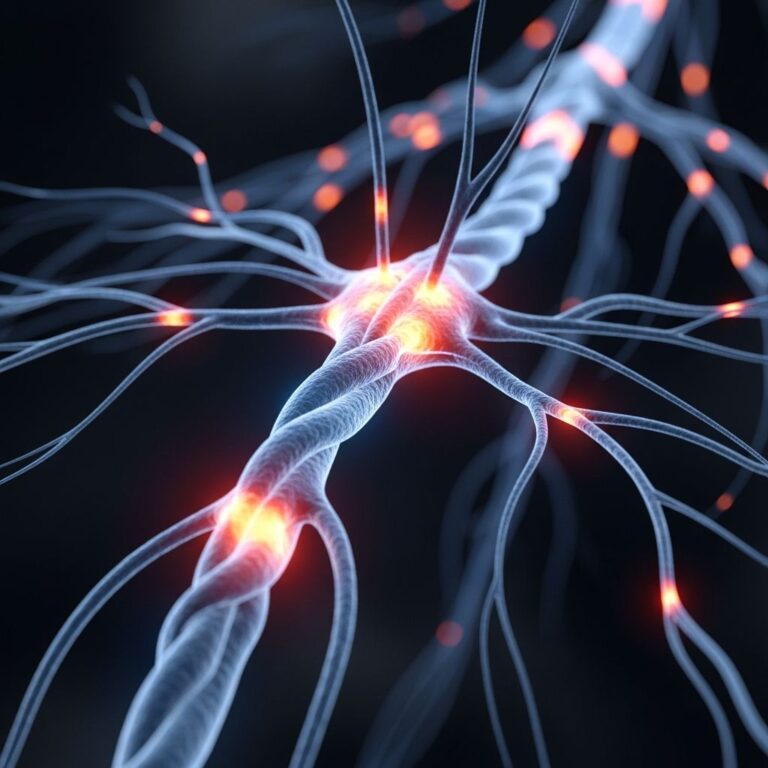
The brain-gut axis consists of bidirectional communication pathways between the central nervous system (CNS), which includes your brain and spinal cord, and the enteric nervous system (ENS), which is often referred to as the “second brain” because it contains more than 100 million nerve cells located throughout your gastrointestinal tract. These two systems are connected through multiple communication channels, including the vagus nerve, neural pathways, hormonal signals, immune factors, and microbial metabolites.
The primary communication pathway between your gut and brain is the vagus nerve, which serves as the major highway for transmitting information from the luminal environment of your gut directly to your central nervous system. This nerve transmits both sensory information from your digestive tract to your brain and motor commands from your brain back to your gut, creating a constant dialogue between these two crucial systems.
Additionally, the brain-gut axis involves the hypothalamic-pituitary-adrenal (HPA) axis, which plays a critical role in stress response regulation. The autonomic nervous system, with its sympathetic and parasympathetic branches, also contributes to this complex communication network, helping to regulate both the emotional and physical aspects of digestive function.
The Role of Gut Microbiota in Brain Function
One of the most significant discoveries in recent neurogastroenterology research is the pivotal role that gut microbiota—the community of trillions of microorganisms living in your digestive tract—plays in influencing brain function and mental health. The interaction between your microbiota and the brain-gut axis appears to be bidirectional, meaning gut bacteria can influence brain chemistry while the brain can simultaneously affect the composition and activity of your gut microbiota.
Your gut produces approximately 90 percent of the body’s serotonin and half of its dopamine. These neurotransmitters are powerful chemical messengers that regulate mood, promote calmness, and influence cognitive function. Certain strains of gut bacteria are capable of directly producing neurotransmitters such as serotonin, dopamine, GABA (gamma-aminobutyric acid), melatonin, histamine, and acetylcholine. This means that the microbial composition of your gut directly influences the availability of these essential mood-regulating molecules.
Related Stories



Research using germ-free animal models—animals raised without any microbiota—has demonstrated that bacterial colonization of the gut is central to the proper development and maturation of both the enteric nervous system and the central nervous system. Animals without microbiota show altered neurotransmitter expression, delayed gastric emptying, abnormal intestinal transit, and disrupted sensory-motor functions, highlighting the essential role microbiota plays in normal nervous system development.
How the Brain-Gut Connection Affects Your Health
The brain-gut connection influences multiple aspects of your health, from your emotional well-being to your cognitive performance. An imbalance in gut microbiota, known as dysbiosis, has been associated with various mental health conditions and neurological disorders.
Mental Health and Mood Regulation
Dysbiosis and alterations in the gut-brain axis have been linked to anxiety, depression, and other mood disorders. Studies have shown that people with gastrointestinal diseases, particularly irritable bowel syndrome (IBS), experience significantly higher rates of anxiety and depression compared to the general population. This connection exists because the same neurotransmitters that regulate mood in your brain are also present and active in your gut.
The bidirectional nature of this relationship means that poor mental health can lead to stress, which alters gut microbiota composition and function, which in turn can worsen mental health symptoms. This creates a potential cycle that requires intervention at multiple levels.
Cognitive Function and Neurological Health
The gut-brain axis also influences memory function and cognitive performance. Probiotic treatments have been shown to prevent changes in hippocampal neurogenesis—the formation of new neurons in the hippocampus, a brain region crucial for memory—and to modulate gene expression in the hypothalamus, a brain structure involved in various cognitive and emotional processes.
Research has also demonstrated that gut bacteria can affect the integrity of the blood-brain barrier (BBB), a protective barrier that prevents harmful substances from entering the brain. When dysbiosis occurs, the BBB can become compromised, leading to increased permeability (sometimes called “leaky brain”), which can result in neuroinflammation and increase the risk of various neurological disorders.
Stress Response and Immune Function
The gut microbiota plays an important role in regulating the HPA axis, which is your body’s central stress response system. Dysbiosis can lead to altered cortisol levels and autonomic nervous system dysregulation, impairing your ability to respond appropriately to stress. Additionally, since a significant portion of your immune system is located in your gut, the microbiota influences immune activation and regulation, which has downstream effects on brain inflammation and function.
Communication Pathways Between the Brain and Gut
The brain and gut communicate through multiple distinct pathways, creating a sophisticated network of information exchange:
Neural Pathways
The vagus nerve serves as the primary neural communication highway, transmitting sensory information from the gut to the brain and motor commands in the reverse direction. The enteric nervous system also communicates with the spinal cord and brain through various neural pathways, allowing for reflex actions and integrated responses to digestive challenges.
Hormonal Signaling
The gut produces numerous hormones that influence brain function, including cholecystokinin, gastrin, and peptide YY. These entero-endocrine signals modulate appetite, satiety, mood, and cognitive function. The hypothalamic-pituitary-adrenal axis represents another important hormonal communication pathway through which psychological stress influences gut function.
Immune System Signaling
Approximately 70 percent of your immune system resides in your gut-associated lymphoid tissue (GALT). The microbiota influences immune cell development and function, which in turn affects systemic immune responses and neuroinflammation in the brain.
Microbial Metabolites
Gut bacteria produce metabolites such as short-chain fatty acids (particularly butyrate), which cross the blood-brain barrier and directly influence brain function. These microbial metabolites can affect histone acetylation, gene expression, and the permeability of the blood-brain barrier.
Dysbiosis and Disease: Irritable Bowel Syndrome
Irritable bowel syndrome (IBS) represents a prime example of disrupted brain-gut-microbiota communication. IBS is characterized by altered gut-brain signaling, dysbiosis, intestinal barrier dysfunction, and visceral hypersensitivity. Patients with IBS frequently experience comorbid psychiatric symptoms, including anxiety and depression. Understanding the mechanisms underlying these alterations provides insight into potential therapeutic interventions that target the brain-gut axis rather than treating symptoms in isolation.
Supporting Your Brain-Gut Connection
Given the profound impact of the brain-gut axis on overall health, several strategies can help maintain and optimize this connection:
Dietary Approaches
Consuming a diet rich in fiber, fermented foods, and diverse plant-based compounds supports a healthy and diverse microbiota. Prebiotic foods (which feed beneficial bacteria) and probiotic foods (which contain live beneficial bacteria) can help maintain microbial balance.
Stress Management
Since stress directly impacts both the brain-gut axis and microbiota composition, implementing stress-reduction techniques such as meditation, yoga, deep breathing exercises, and regular physical activity can have profound effects on digestive and mental health.
Sleep Quality
Sleep disruption has been shown to alter microbiota composition and impair gut barrier function. Prioritizing consistent, quality sleep supports both brain and gut health.
Probiotic and Prebiotic Interventions
Specific probiotic strains, such as Lactobacillus helveticus R0052 and Bifidobacterium longum R0175, have demonstrated the ability to restore tight junction barrier integrity, attenuate HPA axis activity, and prevent stress-induced changes in brain structure and function. However, the effects of probiotics appear to be strain-specific, suggesting that targeted probiotic therapy may represent a novel adjuvant strategy for neurological and psychiatric disorders.
Exercise and Physical Activity
Regular physical activity promotes favorable changes in microbiota composition and supports both brain health and gut function through multiple mechanisms.
The Future of Brain-Gut Axis Research
As research into the brain-gut connection continues to advance, scientists are exploring increasingly specific mechanisms and potential therapeutic applications. Emerging evidence suggests that targeted interventions addressing the microbiota-brain-gut axis could offer novel treatment strategies for conditions ranging from anxiety and depression to autism spectrum disorders and neurodegenerative diseases. The recognition that many neurological and psychiatric conditions have a significant gut component may revolutionize how these disorders are understood and treated.
Frequently Asked Questions
Q: How quickly can changes in my diet affect my gut microbiota and brain function?
A: Gut microbiota can begin to change within days of dietary modifications, though more substantial changes typically occur over weeks to months. Brain function improvements may follow as the microbiota composition stabilizes and produces increased levels of beneficial neurotransmitters.
Q: Can probiotics treat anxiety and depression?
A: While research shows promising results with specific probiotic strains, probiotics should not replace conventional mental health treatment. Rather, they may serve as a complementary approach. Certain strains have shown anxiolytic effects in research settings, but individual responses vary significantly and are often strain-specific.
Q: What is the relationship between IBS and mental health?
A: IBS involves disrupted brain-gut communication and dysbiosis. People with IBS experience higher rates of anxiety and depression, and mental stress can worsen IBS symptoms, creating a bidirectional relationship that benefits from integrated treatment approaches.
Q: How does stress affect my gut health?
A: Stress activates the HPA axis and autonomic nervous system, which directly alter gut motility, barrier function, and microbiota composition. Chronic stress can lead to dysbiosis and increased intestinal permeability.
Q: Are there specific foods that support a healthy brain-gut connection?
A: Foods rich in fiber (vegetables, whole grains, legumes), fermented foods (yogurt, kimchi, sauerkraut), polyphenol-rich foods (berries, green tea), and omega-3 fatty acids (fatty fish, flaxseeds) all support favorable microbiota composition and brain-gut health.
Q: Can the vagus nerve be stimulated to improve brain-gut health?
A: Yes, vagal stimulation through techniques such as deep breathing, singing, gargling, and cold exposure may help activate parasympathetic nervous system function and improve brain-gut communication. Some clinical applications also use vagal nerve stimulation devices.
References
- Cryan, J. F., O’Riordan, K. J., Cowan, C. S., et al. The Gut-Brain Axis. — National Center for Biotechnology Information (NCBI). 2019-01-15. https://pmc.ncbi.nlm.nih.gov/articles/PMC4367209/
- Braniste, V., Al-Asmakh, M., Kowal, C., et al. The gut microbiota influences blood-brain barrier permeability in mice. — Science Translational Medicine. 2014-11-05. https://doi.org/10.1126/scitranslmed.3009967
- Pasricha, J. S. The Enteric Nervous System and the Brain-Gut Axis. — Johns Hopkins Center for Neurogastroenterology. 2024-01-10. https://www.hopkinsmedicine.org/health/wellness-and-prevention/the-brain-gut-connection
- Johns Hopkins Center for Innovative Medicine: Food, Body, Mind. — Johns Hopkins Medicine. 2024-01-15. https://www.hopkinscim.org/
- The Gut Microbiome and the Brain: Emerging science uncovering connections between the microbiome and mental health. — Johns Hopkins Bloomberg School of Public Health Magazine. 2021-01-20. https://magazine.publichealth.jhu.edu/2021/gut-microbiome-and-brain
Similar Articles








Read full bio of medha deb