Brain MRI: What It Is, Purpose, Procedure & Results
Complete guide to brain MRI: understanding imaging technology, uses, and what to expect.
Understanding Brain MRI: A Comprehensive Guide
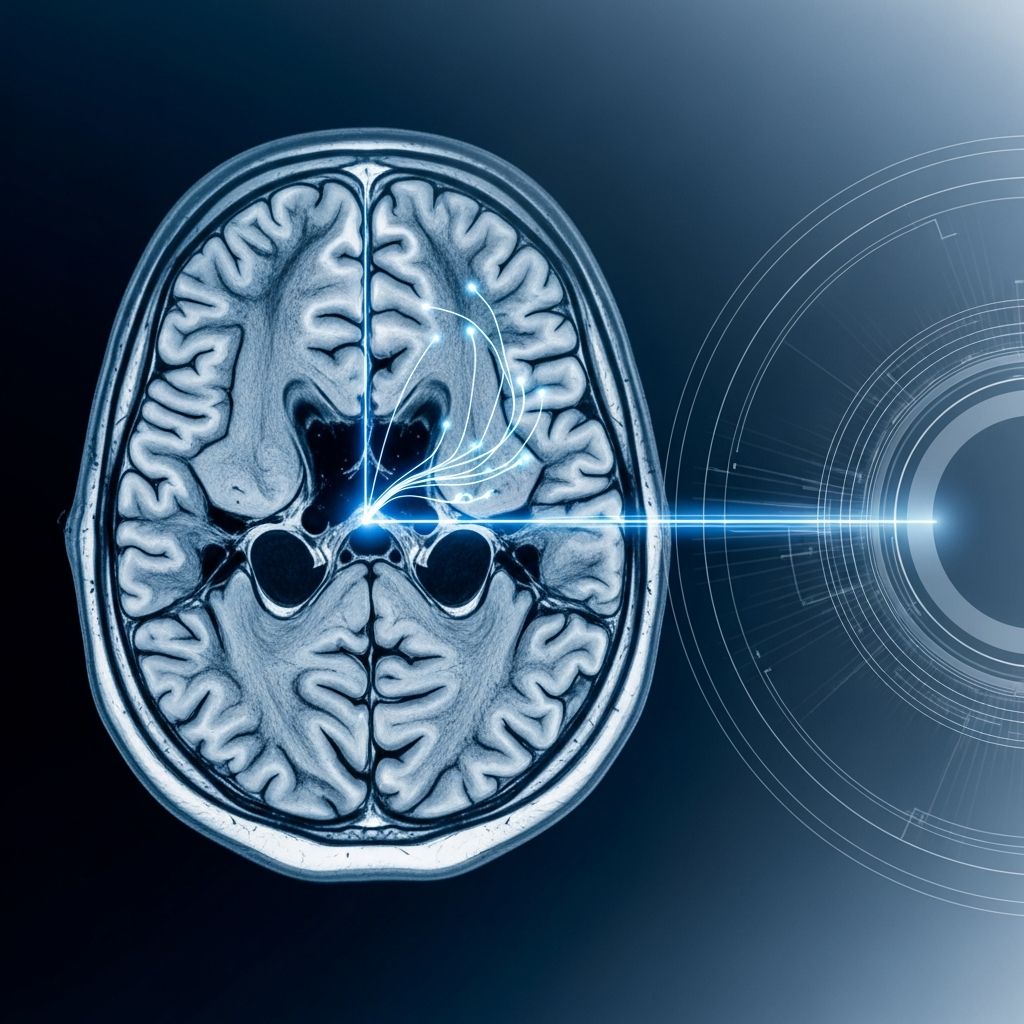
A brain MRI (magnetic resonance imaging) scan, also called a head MRI, is a painless diagnostic procedure that produces exceptionally clear images of the structures inside your head, particularly your brain. Unlike CT scans or X-rays, brain MRI utilizes a large magnet, radio waves, and a computer to generate these detailed images without using any radiation. Currently, MRI stands as the most sensitive imaging test available for examining your head and brain, making it an invaluable tool in modern medical diagnostics.
What Is Brain MRI?
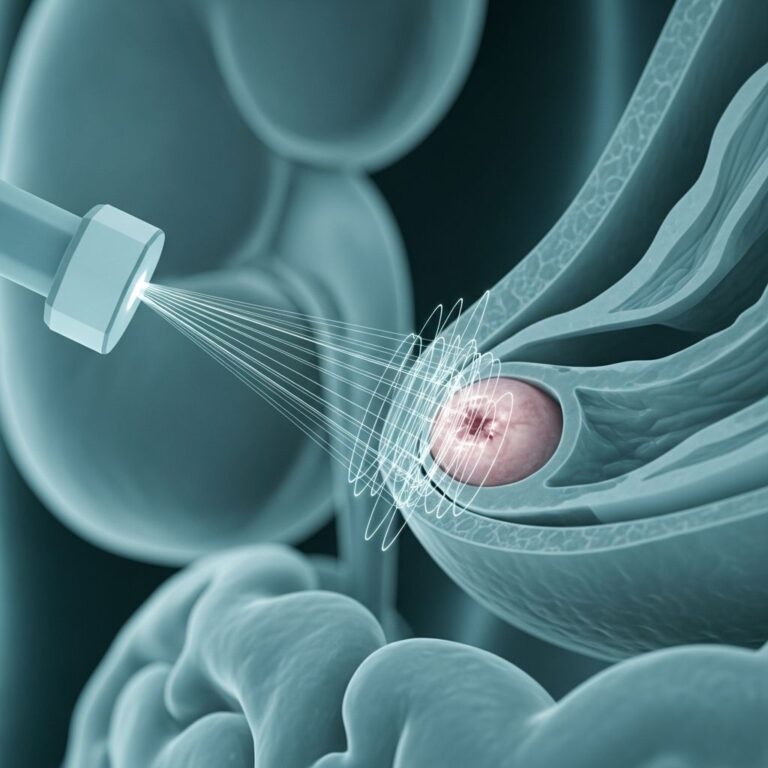
A brain MRI is a non-invasive imaging technique that uses powerful magnetic fields and radio waves to create detailed cross-sectional images of your brain and the structures within your head. The procedure works by aligning hydrogen atoms in your body with the magnetic field, then using radio waves to disturb this alignment. As the atoms return to their original position, they emit signals that a computer processes into detailed images. This technology allows healthcare providers to visualize brain tissue, blood vessels, nerves, and other structures with remarkable precision.
The imaging process is completely painless and does not expose you to ionizing radiation, making it a safe option for patients of all ages, including children and pregnant women (with certain considerations). Some brain MRI examinations may include an injection of contrast material, typically gadolinium—a rare earth metal. When present in your body, this contrast agent alters the magnetic properties of nearby water molecules, significantly enhancing image quality and improving the sensitivity and specificity of diagnostic images.
What Does a Brain MRI Show?
A brain MRI provides detailed visualization of numerous structures and tissues within your head, enabling healthcare providers to identify both normal anatomy and potential abnormalities. The imaging can clearly show:
– Brain tissue and gray matter- White matter and neural pathways- Blood vessels and cerebral circulation- The cerebellum and brainstem- The pituitary gland and hypothalamus- Cranial nerves- The ventricular system and cerebrospinal fluid- Bone structures of the skull and vertebrae
Beyond visualizing normal structures, a brain MRI can detect various abnormalities including tumors, inflammation, infection, bleeding, swelling, cysts, and areas of tissue damage. This comprehensive visualization capability makes it an essential tool for diagnosing and monitoring numerous neurological conditions.
Purpose and Medical Applications of Brain MRI
Neurologists and other healthcare providers order brain MRIs for multiple clinical reasons, both to diagnose new neurological conditions based on specific symptoms and to monitor existing conditions over time. The versatility of brain MRI makes it applicable to numerous medical scenarios.
Diagnostic Uses
Healthcare providers commonly use brain MRI to help diagnose and monitor various conditions affecting the nervous system and brain structures. Conditions that can be identified or monitored with brain MRI include:
– Multiple sclerosis and other demyelinating diseases- Alzheimer’s disease and other forms of dementia- Brain tumors and cancer- Stroke and cerebrovascular disease- Traumatic brain injuries- Epilepsy and seizure disorders- Aneurysms and vascular abnormalities- Brain infections such as meningitis or encephalitis- Psychiatric conditions including schizophrenia and bipolar disorder- Movement disorders such as Parkinson’s disease- Hydrocephalus and cerebrospinal fluid disorders
Related Stories



Symptom-Based Indications
Healthcare providers may order an MRI of your head if you experience any combination of the following signs and symptoms:
– Persistent or severe headaches- Dizziness or vertigo- Vision problems or visual disturbances- Hearing loss or tinnitus- Memory loss or cognitive changes- Seizures or convulsions- Weakness or numbness in limbs- Balance problems or coordination difficulties- Speech difficulties or language problems- Loss of consciousness or fainting episodes- Behavioral changes or personality alterations
Surgical Planning and Monitoring
Healthcare providers routinely use brain and head MRI scans before surgeries involving your head to better understand the anatomy and plan the surgical approach appropriately. Following surgery, MRI scans help ensure that healing is progressing well and complications have not developed. Additionally, any significant head injuries prompt healthcare providers to order brain MRI scans to check for injuries, bleeding, swelling, and other traumatic damage.
How Brain MRI Works
Understanding the technology behind brain MRI helps demystify the procedure and explains why it is so effective at producing detailed images. The MRI machine uses a powerful magnetic field, typically measured in Tesla units (1.5T or 3T are common clinical strengths), to align hydrogen atoms in your body. Radio waves are then transmitted through the machine, which disturb these aligned atoms. As the atoms return to their original alignment, they emit radiofrequency signals that are detected by sensitive receivers. A sophisticated computer processes these signals to construct detailed cross-sectional images of your brain.
One of the key advantages of MRI technology is its ability to produce images in multiple planes—axial, coronal, and sagittal—allowing for comprehensive three-dimensional visualization of brain structures. Different imaging sequences can be used to highlight different tissue types, making MRI particularly effective at identifying pathological changes in brain tissue.
The Brain MRI Procedure
Before Your Scan
Prior to your brain MRI, you will typically be asked to complete a detailed health questionnaire to ensure you have no contraindications to the procedure. Metal implants, metallic foreign bodies, and certain medical devices can interfere with MRI or pose safety risks. You should inform your healthcare provider if you have any pacemakers, cochlear implants, metallic joint replacements, or other metal-containing devices. You may also be asked to remove jewelry, watches, and other metallic accessories.
If contrast material will be used, your provider may ask about kidney function and any previous reactions to contrast agents. Pregnant women should inform the scheduling staff, as decisions about MRI timing and contrast use may be adjusted during pregnancy.
During the Scan
During the brain MRI procedure, you will be positioned on a movable table that slides into the MRI machine. The machine is a large cylindrical tube that can feel confining to some patients. Modern MRI machines may be more spacious (open MRI), which can be more comfortable for claustrophobic patients, though these may provide images of slightly lower quality.
Once the scan begins, you will hear various loud knocking and humming sounds as the magnetic field pulses and radio waves transmit. These sounds are completely normal and indicate that the machine is functioning properly. Most brain MRI scans last between 30 to 60 minutes, though this can vary depending on the specific protocol and whether contrast material is being used.
You must remain very still during the scan, as movement can blur the images and reduce their diagnostic quality. It is important to inform the technician if you experience any discomfort, claustrophobia, or other concerns, as they can provide support and may be able to adjust the procedure. Many MRI facilities allow patients to bring a support person or provide music or other distractions to help manage anxiety.
After Your Scan
After the scan is complete, you can immediately return to your normal activities. There are no lasting effects from the MRI procedure, and you do not need recovery time. The images are typically reviewed by a radiologist, and your healthcare provider will receive a formal report with findings and recommendations.
Safety Considerations and Contrast Material
Brain MRI is generally considered a safe procedure with minimal risks when proper screening protocols are followed. The absence of ionizing radiation makes it particularly safe for pediatric patients and pregnant women compared to CT scans or X-rays. However, the powerful magnetic field requires careful screening for metal implants and other contraindications.
Gadolinium-based contrast agents used in some brain MRI examinations are generally safe, though rare earth metals can cause issues in patients with severely compromised kidney function. Your healthcare provider will evaluate your kidney function before administering contrast material. The contrast enhances certain tissue characteristics and improves the ability to detect inflammation, active disease, and other pathological changes.
Advantages Over Other Imaging Techniques
Brain MRI offers several significant advantages compared to other neuroimaging modalities. Unlike CT scans, MRI does not use ionizing radiation, making it safer for repeated imaging and for use in vulnerable populations. Compared to X-rays, MRI provides far superior soft tissue contrast and three-dimensional visualization. While positron emission tomography (PET) scans can show metabolic activity, they require radioactive tracers and do not provide the anatomical detail that MRI offers. MRI’s superior sensitivity for detecting brain abnormalities makes it the preferred first-line imaging modality for most neurological conditions.
Understanding Your Results
After your brain MRI, a radiologist will analyze the images and prepare a detailed report. This report will describe the anatomy observed, note any abnormalities detected, and provide interpretation relevant to your clinical presentation. Your healthcare provider will discuss these results with you and explain what they mean for your diagnosis, treatment options, and follow-up care. In some cases, follow-up MRI scans may be recommended to monitor changes over time or to clarify findings that require additional imaging.
Frequently Asked Questions
Q: Is brain MRI painful?
A: No, brain MRI is completely painless. The procedure uses magnetic fields and radio waves to create images without any needles, radiation, or physical contact with your brain. You may experience slight discomfort from lying still on a hard table for an extended period, but this is minimal and expected.
Q: How long does a brain MRI take?
A: A typical brain MRI scan takes between 30 to 60 minutes, depending on the specific protocol, whether contrast material is used, and the complexity of the examination. The radiologist will provide an estimated time before your procedure.
Q: Is brain MRI safe for pregnant women?
A: Yes, brain MRI is generally considered safe during pregnancy, particularly after the first trimester. However, the use of gadolinium contrast should be carefully considered during pregnancy. Your healthcare provider will weigh the risks and benefits to determine whether MRI is appropriate for your specific situation.
Q: Can I have a brain MRI if I have metal implants?
A: Some metal implants may contraindicate MRI due to safety concerns or image quality issues. It is critical to inform your healthcare provider of any metal implants, pacemakers, cochlear implants, or metallic foreign bodies. Many newer implants are MRI-compatible, but this must be verified before your procedure.
Q: What should I wear for a brain MRI?
A: Wear comfortable, loose-fitting clothing without metal zippers, buttons, or fasteners. The MRI facility may provide a gown for the procedure. Remove all jewelry, watches, hearing aids, and other metallic accessories before entering the MRI room.
Q: Will I be able to breathe normally during the scan?
A: Yes, you will be able to breathe normally throughout the scan. The opening of the MRI tube allows adequate airflow. If you feel claustrophobic, inform the technician immediately, and they can provide support or discuss options such as open MRI.
Q: Can children have brain MRI scans?
A: Yes, children can have brain MRI scans, and the procedure is safe for pediatric patients. Some children may require sedation to remain still during the scan, depending on their age and ability to cooperate. Your healthcare provider will discuss options appropriate for your child.
Q: What do abnormal brain MRI results mean?
A: Abnormal results may indicate various conditions such as tumors, inflammation, infection, stroke, or other brain abnormalities. Your healthcare provider will interpret the results in context with your clinical presentation, medical history, and other test findings to determine appropriate next steps for diagnosis and treatment.
References
- The Role of MRI in the Diagnosis and Management of MS — Cleveland Clinic Mellen Center. 2023. https://my.clevelandclinic.org/departments/neurological/depts/multiple-sclerosis/ms-approaches/mri-imaging
- Brain MRI: What It Is, Purpose, Procedure & Results — Cleveland Clinic. 2024. https://my.clevelandclinic.org/health/diagnostics/22966-brain-mri
- MRI (Magnetic Resonance Imaging): What It Is & Results — Cleveland Clinic. 2024. https://my.clevelandclinic.org/health/diagnostics/4876-magnetic-resonance-imaging-mri
- fMRI (Functional MRI): What It Is, Purpose, Procedure & Results — Cleveland Clinic. 2024. https://my.clevelandclinic.org/health/diagnostics/25034-functional-mri-fmri
- Magnetic Resonance Imaging in Multiple Sclerosis — American Academy of Neurology. 2017. https://n.neurology.org/lookup/doi/10.1212/WNL.0000000000004049
Similar Articles








Read full bio of Sneha Tete