Brain Tumor Surgery: Procedures, Options & Recovery
Comprehensive guide to brain tumor surgery: Types, techniques, and what to expect.
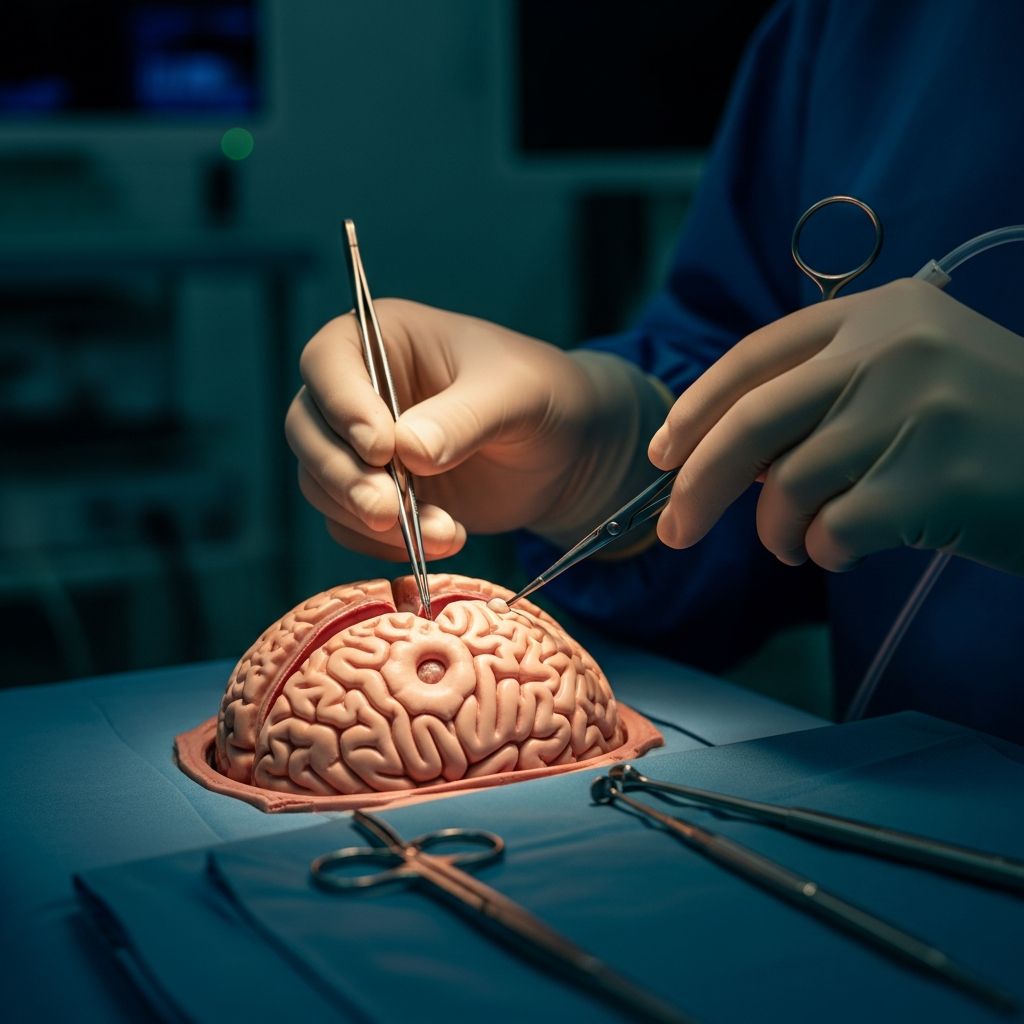
Brain tumor surgery is often the primary treatment option for patients diagnosed with brain tumors. The goal of surgical intervention is twofold: to obtain a definitive diagnosis of the tumor type and to remove as much of the tumor as safely possible while preserving neurological function. The extent of surgery recommended depends on several factors, including the tumor’s location, size, type, grade, and the patient’s overall health status. Understanding the surgical options available and what to expect throughout the process can help patients make informed decisions about their treatment.
Understanding Brain Tumor Surgery
Brain tumor surgery represents a critical component of comprehensive cancer treatment. Neurosurgeons work to balance two competing priorities: maximizing tumor removal to improve outcomes and minimizing damage to healthy brain tissue to preserve quality of life. Modern surgical techniques and intraoperative monitoring technologies have significantly improved the safety and effectiveness of brain tumor surgery, allowing surgeons to achieve more complete tumor removal while reducing postoperative complications.
The decision to proceed with surgery is based on careful evaluation of imaging studies, the patient’s neurological status, and the characteristics of the tumor itself. Patients presenting with elevated intracranial pressure or rapidly declining neurological function may require urgent surgical intervention, while others may undergo surgery as an elective procedure after comprehensive preoperative assessment.
Surgical Options for Brain Tumors
Several surgical approaches are available to treat brain tumors, each tailored to the specific clinical situation. The choice of procedure depends on tumor location, size, accessibility, and clinical urgency.
Needle Biopsy
A needle biopsy is the least invasive surgical option, involving the insertion of a thin needle into the brain to obtain a small tissue sample for diagnosis. This procedure is typically performed using stereotactic guidance, which uses imaging coordinates to precisely locate the tumor. Needle biopsy is often recommended for tumors in deep brain structures or eloquent areas where larger resections might cause significant neurological damage. The procedure can usually be completed in a short timeframe and allows for rapid pathological diagnosis to guide treatment planning.
Open Craniotomy
Craniotomy is the most common surgical approach for brain tumor removal. This procedure involves temporarily removing a section of the skull (called a bone flap) to access the tumor. The neurosurgeon then carefully removes the tumor while using specialized instruments and monitoring techniques to protect nearby brain tissue. After tumor removal, the bone flap is replaced and secured. Craniotomy allows for direct visualization of the tumor and surrounding brain structures, enabling more extensive tumor resection compared to needle biopsy.
Awake Craniotomy
Awake craniotomy is an advanced surgical technique in which the patient remains conscious during portions of the surgery. The procedure involves careful anesthesia management to keep the patient awake while the tumor is being removed, particularly when the tumor is located near eloquent brain areas controlling speech, movement, or sensation. Real-time monitoring of the patient’s neurological responses—such as asking them to speak, move their limbs, or perform cognitive tasks—allows the surgeon to identify functional brain areas and maximize tumor removal while preserving critical functions. This technique significantly reduces the risk of postoperative neurological deficits.
Intraoperative MRI-Guided Surgery
Intraoperative MRI represents one of the most significant advances in brain tumor surgery over the past decade. This technology allows surgeons to obtain real-time imaging during the procedure to visualize tumor boundaries, monitor the extent of resection, and identify residual tumor tissue. The ability to see the surgical field with updated imaging helps maximize the completeness of tumor removal while minimizing damage to healthy brain tissue. Intraoperative MRI significantly improves surgical outcomes and has become increasingly available at comprehensive neurosurgical centers.
Related Stories



Preoperative Evaluation and Planning
Before surgery, patients undergo comprehensive preoperative evaluation to optimize surgical planning and minimize operative risk. This evaluation includes detailed imaging studies such as MRI and CT scans to define tumor location, size, and relationship to critical structures. Advanced imaging techniques such as functional MRI (fMRI) and diffusion tensor imaging (DTI) help identify eloquent brain areas—regions responsible for motor function, speech, and sensation—allowing surgeons to plan surgical approaches that avoid or minimize disruption to these critical zones.
Neuropsychological testing may be performed to establish baseline cognitive and motor function. Angiography or other vascular imaging may be obtained if the tumor is located near major blood vessels. Preoperative laboratory studies and cardiac evaluation ensure the patient is medically optimized for surgery. The neurosurgeon reviews all imaging and clinical data to develop an individualized surgical plan that balances the goal of maximal tumor removal with preservation of neurological function.
The Surgical Experience
Brain tumor surgery typically takes two to four hours, depending on tumor size, location, and complexity. Patients are under general anesthesia throughout the procedure, though some patients undergoing awake craniotomy may be awake during portions of the surgery. Intraoperative neuromonitoring uses electrical stimulation and recording to continuously assess motor and sensory pathways, providing real-time feedback to guide surgical resection and protect neurological function.
The surgeon carefully removes the tumor while using multiple techniques to maximize resection while minimizing injury to surrounding brain tissue. These techniques may include careful dissection, ultrasonic aspiration, and laser-assisted resection. Throughout the procedure, the surgical team maintains meticulous hemostasis (control of bleeding) and uses hemostatic agents and irrigation to maintain a clear surgical field.
Recovery and Postoperative Care
After surgery, patients are transferred to an intensive care unit (ICU) or high-dependency unit for close monitoring during the immediate postoperative period. Most patients can be discharged to a regular hospital floor within 24 to 48 hours if their recovery is uncomplicated. Hospital stays typically range from 2 to 7 days depending on the extent of surgery and any complications that arise.
Close monitoring during the early postoperative period is essential to identify and manage complications. Nursing staff assess neurological status frequently, monitor vital signs, and manage pain. Most patients experience some degree of postoperative swelling (cerebral edema), which is managed with medications such as corticosteroids and osmotic agents. Seizure prophylaxis may be administered, particularly for supratentorial tumors.
Physical therapy and occupational therapy should begin early in the postoperative period to promote mobility and independence. Speech therapy may be recommended if the patient experiences any speech or swallowing difficulties. Most patients are able to resume normal activities gradually over several weeks to months following surgery.
Postoperative Complications
While modern surgical techniques have significantly reduced complication rates, patients should be aware of potential postoperative complications:
Cerebral Edema: Swelling of the brain tissue around the surgical site is common after brain tumor surgery. This is typically managed with corticosteroids and resolves over days to weeks.
Hemorrhage: Postoperative bleeding can occur at the surgical site and may require urgent intervention if significant.
Infection: Surgical site infection or meningitis can develop postoperatively and are managed with appropriate antibiotics.
Neurological Deficits: Temporary or permanent neurological deficits such as weakness, speech difficulties, or memory changes may occur depending on tumor location and extent of resection.
Seizures: Seizures may develop postoperatively, particularly with supratentorial tumors. Antiepileptic medications are often used preventively.
Hydrocephalus: Obstruction of cerebrospinal fluid (CSF) flow can lead to hydrocephalus, which may require temporary or permanent ventricular drainage or shunting.
Deep Vein Thrombosis: Blood clots in the legs can develop after surgery and are prevented through prophylactic measures.
Advanced Surgical Techniques
Comprehensive neurosurgical centers employ multiple advanced technologies to enhance surgical precision and outcomes. Preoperative imaging with high-resolution MRI provides detailed anatomical information. Functional imaging techniques such as fMRI identify eloquent cortex, while DTI defines white matter tracts. Tractography visualizes neural pathways that must be preserved during surgery.
Intraoperative neuromonitoring continuously assesses motor and sensory pathways throughout the procedure, allowing real-time feedback to guide surgical technique. Intraoperative ultrasound provides immediate feedback on tumor location and extent of resection. Some centers utilize fluorescence-guided surgery, where fluorescent dyes are used to highlight tumor tissue intraoperatively.
Navigation systems that integrate preoperative imaging with real-time surgical position help the surgeon maintain spatial orientation during the procedure. Electrocorticography can identify seizure foci in patients with seizure-associated tumors. These advanced technologies collectively enable safer and more effective tumor resection.
Choosing a Neurosurgical Center
Patients should consider several factors when selecting a facility for brain tumor surgery. Choose a center with:
– Experienced neurosurgeons specializing in brain tumor surgery with high case volumes
– Multidisciplinary tumor boards that coordinate care among neurosurgeons, neuro-oncologists, radiation oncologists, and medical oncologists
– Advanced intraoperative technologies including intraoperative MRI, neuromonitoring, and navigation systems
– Dedicated ICU and neurocritical care units for postoperative monitoring
– Comprehensive neuro-rehabilitation services
– Access to clinical trials and emerging treatment options
High-volume centers typically achieve superior outcomes with lower complication rates. Multidisciplinary teams ensure coordinated care and optimal treatment planning. Access to advanced technologies and experienced specialists directly impacts surgical outcomes and quality of life after treatment.
Goals of Brain Tumor Surgery
The surgical goals vary depending on tumor type, grade, and location. For metastatic tumors, the goal is typically complete resection of the entire tumor. For high-grade gliomas such as glioblastoma, the goal is gross total resection (GTR) of the tumor while preserving neurological function. For low-grade gliomas and benign tumors such as meningiomas, the goal is complete resection including involved surrounding structures when safely achievable.
In all cases, the fundamental principle is to achieve maximum safe resection—removing as much tumor as possible while minimizing postoperative neurological deficits. Modern surgical techniques and intraoperative monitoring have substantially improved the ability to achieve this balance.
Recovery Timeline and Return to Function
Most patients experience gradual improvement over weeks to months following brain tumor surgery. Initial recovery focuses on regaining strength and independence with activities of daily living. Physical therapy helps restore mobility and prevent complications such as blood clots and pneumonia.
Return to work and normal activities depends on the extent of surgery, tumor type, and individual recovery. Some patients return to light duties within 2 to 4 weeks, while others may require several months. Postoperative adjuvant therapy such as radiation or chemotherapy may begin 2 to 6 weeks after surgery depending on tumor pathology and clinical circumstances.
Regular follow-up imaging is essential to monitor for tumor recurrence. Neurological examinations and cognitive assessments help track functional recovery. Most patients benefit from ongoing supportive care including physical therapy, occupational therapy, and neuropsychological rehabilitation to optimize long-term outcomes.
Frequently Asked Questions
Q: Is brain tumor surgery always necessary?
A: Surgery is often the primary treatment for brain tumors, but the decision depends on tumor type, location, size, and patient factors. Some small, asymptomatic tumors may be managed with observation and imaging surveillance rather than immediate surgery.
Q: How long does recovery from brain tumor surgery take?
A: Initial hospitalization typically lasts 2 to 7 days. Most patients gradually resume normal activities over several weeks to months, though complete recovery can take longer depending on surgery extent and tumor location.
Q: What are the risks of brain tumor surgery?
A: Potential risks include bleeding, infection, brain swelling, temporary or permanent neurological deficits, seizures, and complications from anesthesia. Risk varies based on tumor location, size, and patient factors. Experienced surgeons at specialized centers minimize these risks.
Q: Can awake craniotomy preserve neurological function?
A: Yes, awake craniotomy allows surgeons to test neurological function in real-time during tumor removal, enabling them to preserve critical brain functions while maximizing tumor resection in eloquent areas.
Q: What is intraoperative MRI and how does it help?
A: Intraoperative MRI provides real-time imaging during surgery to visualize tumor boundaries and monitor resection progress. This technology helps surgeons achieve more complete tumor removal while minimizing damage to healthy brain tissue.
Q: Will I need additional treatment after surgery?
A: Many patients require adjuvant therapy such as radiation therapy or chemotherapy after surgery, depending on tumor type, grade, and extent of resection. Your neurosurgeon and neuro-oncologist will discuss postoperative treatment recommendations.
References
- Basic Principles of Cranial Surgery for Brain Tumors — Johns Hopkins University. 2024. https://pure.johnshopkins.edu/en/publications/basic-principles-of-cranial-surgery-for-brain-tumors
- Neurosurgery Department Overview — Johns Hopkins Aramco Healthcare. 2024. https://www.jhah.com/en/care-services/specialty-care/neurosurgery/
- Brain Tumors and Brain Pathology Services — Johns Hopkins University School of Medicine, Department of Pathology. 2024. https://pathology.jhu.edu/brain-tumor/
- Malignant Brain Tumor Surgery: Clinical Overview — Johns Hopkins Medicine. January 2017. Video resource featuring neurosurgeon expertise on surgical options and patient outcomes.
Similar Articles








Read full bio of medha deb