Brain Tumors: Symptoms, Diagnosis, And Treatment Explained
Comprehensive guide to brain tumors: understanding symptoms, causes, types, and treatment options.
Understanding Brain Tumors: A Comprehensive Guide
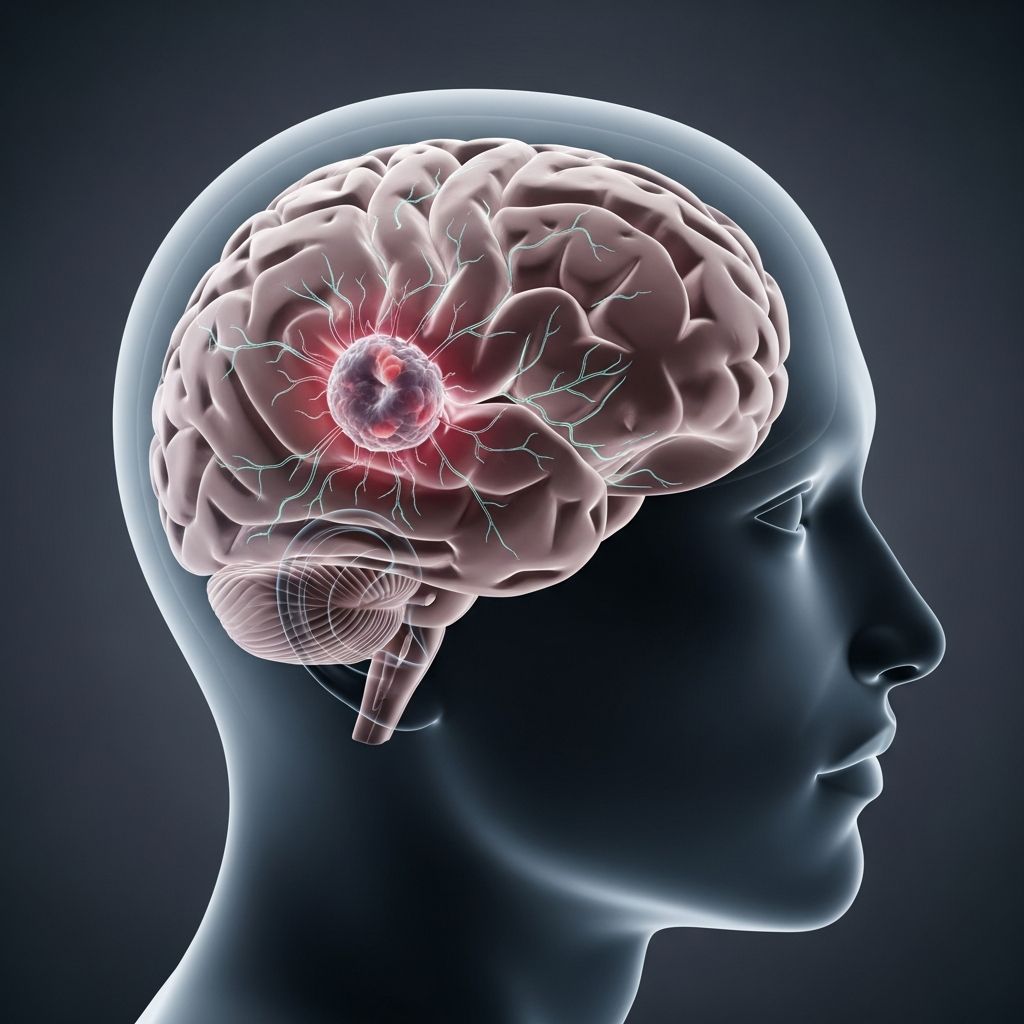
A brain tumor is an abnormal growth of cells that develops in or around the brain. This condition can range from benign (non-cancerous) to malignant (cancerous), with approximately two-thirds of brain tumors being benign in nature. However, regardless of whether a tumor is benign or cancerous, it can still pose serious health risks and affect neurological function. Brain tumors can originate in the brain tissue itself, known as primary tumors, or they can result from cancer spreading from another part of the body, known as metastatic or secondary tumors. Understanding the characteristics, symptoms, and available treatments for brain tumors is essential for patients and their families facing this challenging diagnosis.
Types of Brain Tumors
Brain tumors are classified into several categories based on their origin, characteristics, and cellular composition. Understanding these different types is crucial for determining appropriate treatment strategies and predicting outcomes.
Primary Brain Tumors
Primary brain tumors originate directly in brain tissue. The most common types include gliomas, which arise from glial cells that support nerve cells. Gliomas encompass several subtypes, including astrocytomas, oligodendrogliomas, and ependymomas. Glioblastoma, also known as Grade IV glioma, represents one of the most aggressive forms of primary brain tumors. Other primary tumor types include meningiomas, which develop from the membrane surrounding the brain and spinal cord, and schwannomas, which arise from the nerve sheaths. Pituitary tumors develop in the pituitary gland, a small but crucial endocrine organ located at the base of the brain.
Secondary Brain Tumors
Metastatic brain tumors develop when cancer cells from other parts of the body spread to the brain. Common cancers that metastasize to the brain include lung cancer, breast cancer, melanoma, and colorectal cancer. Secondary brain tumors are often more common than primary brain tumors, particularly in patients with advanced systemic cancer.
Brain Lymphomas
Primary central nervous system lymphoma (PCNSL) is a type of non-Hodgkin lymphoma that originates in the brain. This condition can occur in immunocompetent individuals but is more common in those with compromised immune systems.
Recognizing Symptoms and Signs
Brain tumor symptoms vary significantly depending on the tumor’s size, location, and growth rate. Some tumors develop slowly with minimal initial symptoms, while others progress rapidly. Common symptoms include persistent headaches that may differ from typical migraines, vision problems such as blurred vision or loss of peripheral vision, and hearing difficulties. Patients may experience balance problems, dizziness, and coordination issues affecting their daily activities. Cognitive changes, including memory problems, difficulty concentrating, and personality changes, can occur. Nausea and vomiting, particularly in the morning, may develop as the tumor grows. Some individuals experience seizures, which can be the first noticeable symptom. Speech difficulties, weakness in specific body areas, and facial numbness are additional manifestations. It is important to note that these symptoms can overlap with other conditions, making professional medical evaluation essential for accurate diagnosis.
Potential Causes and Risk Factors
While the exact cause of most brain tumors remains unknown, several risk factors have been identified that may increase the likelihood of developing a brain tumor. Exposure to ionizing radiation, particularly in childhood or in high doses, increases risk. Individuals with a family history of brain tumors face elevated risk, suggesting genetic predisposition. Certain genetic syndromes, such as neurofibromatosis type 1 and 2, tuberous sclerosis, and Li-Fraumeni syndrome, are associated with increased brain tumor development. Immunosuppression, whether from medical treatment or conditions like HIV/AIDS, increases susceptibility. Age can be a factor, as some tumor types are more common in children while others predominantly affect adults. Additionally, previous cancer diagnoses increase the risk of developing metastatic brain tumors.
Related Stories



Diagnostic Procedures and Testing
Accurate diagnosis of brain tumors requires a comprehensive evaluation using multiple diagnostic modalities. The diagnostic process typically begins with a thorough medical history and neurological examination to assess cognitive function, balance, coordination, and reflexes. Imaging studies form the foundation of brain tumor diagnosis. Magnetic resonance imaging (MRI) of the brain provides detailed cross-sectional images and remains the gold standard for detecting and characterizing brain tumors. Advanced MRI techniques include functional MRI to map brain activity, diffusion tensor imaging to visualize neural pathways, and MR spectroscopy to analyze chemical composition of tissues. Computed tomography (CT) imaging offers rapid imaging and helps identify bone involvement, particularly useful for skull base tumors. Positron emission tomography (PET) combined with CT or MRI helps determine tumor activity and identify metastatic disease. In some cases, biopsy procedures may be necessary to obtain tissue samples for pathological analysis and confirm the diagnosis. Image-guided percutaneous biopsy allows physicians to obtain tissue samples while minimizing disruption to surrounding brain structures. Lumbar puncture, or spinal tap, may be performed to analyze cerebrospinal fluid for signs of tumors, particularly lymphomas or tumors affecting the spinal cord. Diagnostic angiography involves injecting contrast into blood vessels to visualize vascular involvement and tumor blood supply.
Comprehensive Treatment Approaches
Brain tumor treatment requires a multidisciplinary approach involving neurosurgeons, medical oncologists, radiation oncologists, and supportive care specialists working collaboratively to develop personalized treatment plans. Treatment decisions depend on multiple factors including tumor type, size, location, grade, patient age and overall health status, and neurological symptoms.
Surgical Intervention
Neurosurgery represents a primary treatment modality for many brain tumors. Advanced surgical techniques aim to remove as much tumor tissue as possible while preserving neurological function. Intraoperative MRI technology allows surgeons to visualize the surgical field in real-time and confirm complete tumor removal. For tumors located in challenging anatomical regions, skull base surgery combines specialized techniques from neurosurgery, otolaryngology, interventional neuroradiology, and plastic surgery to safely access difficult-to-reach lesions. Minimally invasive approaches reduce patient trauma and recovery time compared to traditional open surgery.
Radiation Therapy
Radiation therapy uses high-energy beams to target and destroy tumor cells. External beam radiation therapy directs radiation from outside the body toward the tumor. Stereotactic radiosurgery delivers precisely focused radiation in one or few treatments, making it suitable for small, well-defined tumors. Gamma Knife represents a specialized radiosurgery technique using gamma radiation from cobalt-60 sources. Linear accelerator-based radiosurgery offers alternative radiosurgical platforms. Whole-brain radiation therapy treats multiple brain locations and proves beneficial for patients with numerous metastatic tumors or diffuse disease.
Chemotherapy
Systemic chemotherapy administers anti-cancer drugs to target rapidly dividing tumor cells throughout the body. Chemotherapy can be delivered intravenously or orally, depending on the specific agents and treatment protocol. For brain tumors, chemotherapy penetration across the blood-brain barrier presents a challenge, requiring specialized formulations or delivery methods to achieve adequate drug concentrations in the central nervous system.
Targeted Therapies and Immunotherapies
Modern treatment approaches increasingly incorporate targeted therapies that specifically attack molecular abnormalities within tumor cells. Immunotherapy harnesses the body’s immune system to recognize and eliminate cancer cells. These advanced approaches offer improved efficacy and often result in fewer side effects compared to traditional chemotherapy.
Clinical Trials
Clinical trials investigate novel treatment approaches, including new medications, surgical techniques, and combination therapies. Participation in clinical trials provides access to cutting-edge treatments before widespread availability and contributes to advancing medical knowledge.
Rehabilitation and Supportive Care
Beyond primary tumor treatment, comprehensive care includes rehabilitation services to address neurological deficits resulting from the tumor or treatment. Physical therapy helps restore mobility and strength, occupational therapy addresses activities of daily living, and speech therapy addresses communication difficulties. Psychological support helps patients and families cope with the emotional impact of diagnosis and treatment. Nutritional support ensures adequate dietary intake during treatment. Pain management addresses any discomfort, and ongoing neurological monitoring tracks recovery and identifies any complications requiring intervention.
Frequently Asked Questions
Q: Are all brain tumors cancerous?
A: No, approximately two-thirds of brain tumors are benign (non-cancerous). However, both benign and malignant tumors can cause serious health problems by growing and pressing against surrounding brain tissue, affecting neurological function.
Q: Can brain tumors be cured?
A: The prognosis depends on multiple factors including tumor type, grade, size, location, and how early it was detected. Some brain tumors can be effectively treated and cured, while other require ongoing management. Advances in treatment options have improved outcomes significantly.
Q: What is the difference between primary and metastatic brain tumors?
A: Primary brain tumors originate in brain tissue, while metastatic brain tumors result from cancer spreading from another body part to the brain. Treatment approaches may differ based on tumor origin.
Q: How long is recovery after brain tumor surgery?
A: Recovery time varies depending on surgical complexity, tumor size and location, and individual factors. Some patients return to normal activities within weeks, while others require several months of rehabilitation.
Q: Are there lifestyle changes that can reduce brain tumor risk?
A: While most brain tumors cannot be prevented, minimizing exposure to ionizing radiation and maintaining overall health through regular medical screening may help reduce risk in individuals with genetic predispositions.
References
- Brain Tumor & Neuro-Oncology Center — Cleveland Clinic. 2025. https://my.clevelandclinic.org/departments/neurological/depts/brain-tumor-neuro-oncology
- Get Brain Tumor Treatment — Cleveland Clinic. 2025. https://my.clevelandclinic.org/services/brain-tumor-treatment
- Get Metastatic Brain Tumor Treatment — Cleveland Clinic. 2025. https://my.clevelandclinic.org/services/metastatic-brain-tumor-treatment
- Brain Tumor: Symptoms, Signs & Causes — Cleveland Clinic. 2025. https://my.clevelandclinic.org/health/diseases/6149-brain-cancer-brain-tumor
- Understanding Brain and Spine Tumor Diagnoses — Cleveland Clinic. 2025. https://pages.clevelandclinic.org/brain-tumor-info-index.html
- World-Class Expertise in Brain Tumors — The Clinic by Cleveland Clinic. 2025. https://www.clinicbyclevelandclinic.com/second-opinions/all-other-second-opinions/brain-tumor-second-opinion/
Similar Articles








Read full bio of Sneha Tete