Brain Tumors Radiation Therapy Treatment
Comprehensive guide to radiation therapy for brain tumors: types, benefits, and treatment outcomes.
Understanding Radiation Therapy for Brain Tumors
Radiation therapy is one of the primary treatment modalities for brain tumors, offering precise targeting of cancerous cells while minimizing damage to surrounding healthy brain tissue. For patients diagnosed with primary brain tumors, radiation therapy plays a critical role in the comprehensive treatment strategy, either as a standalone therapy or in combination with surgery and chemotherapy. This treatment approach has evolved significantly over the past decades, with advanced technologies enabling oncologists to deliver more effective and targeted radiation doses.
Brain tumors represent a significant health challenge, with varying prognosis depending on tumor type, grade, and location. The use of radiation therapy in treating these tumors has become increasingly sophisticated, allowing medical professionals to optimize treatment outcomes while reducing long-term complications. Understanding how radiation therapy works and its role in brain tumor treatment is essential for patients and families navigating treatment decisions.
How Radiation Therapy Works Against Brain Tumors
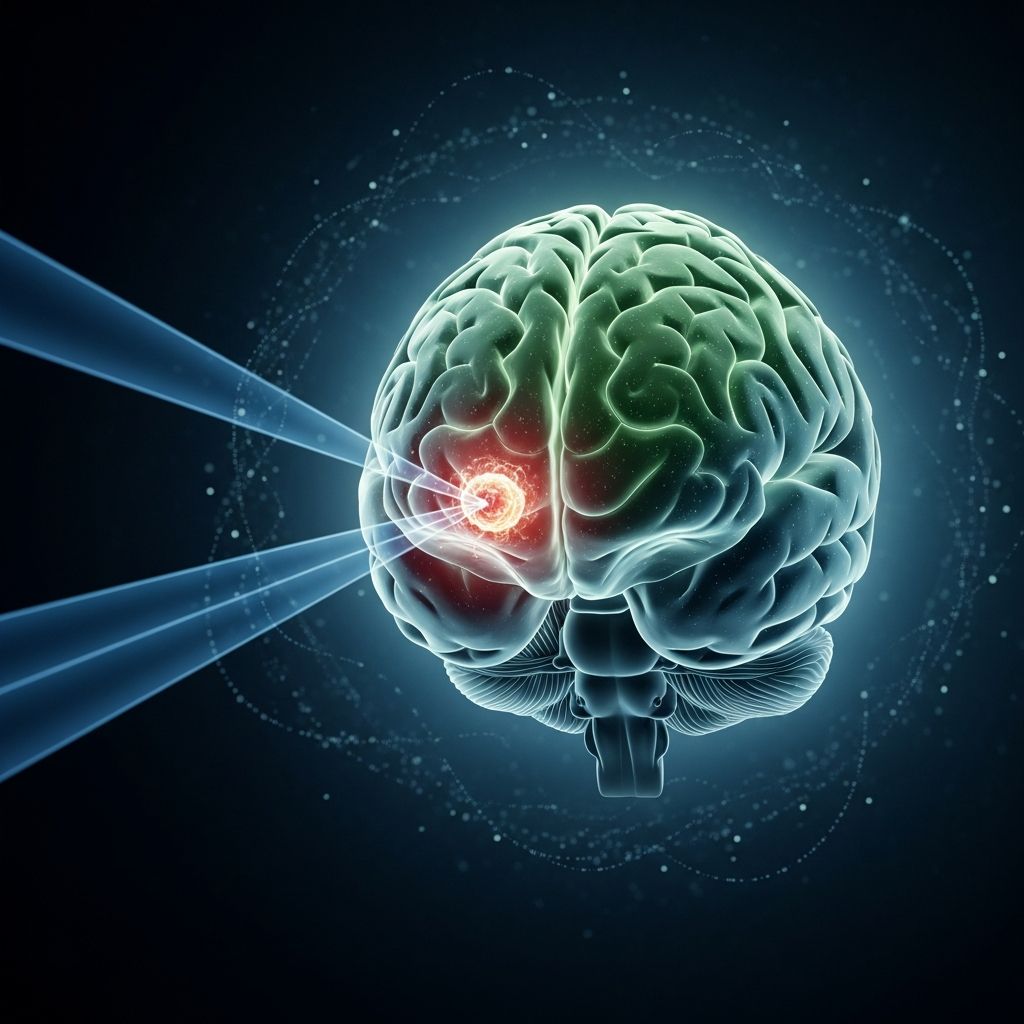
Radiation therapy operates by directing high-energy beams at cancer cells, causing DNA damage that prevents these cells from dividing or leads to their death. Unlike chemotherapy, which affects the entire body, radiation therapy focuses its energy precisely on the tumor site, making it particularly valuable for brain tumors located in areas that are difficult to access surgically.
The therapeutic principle behind radiation involves damaging the genetic material of cancer cells beyond their capacity for repair. Once the DNA is sufficiently damaged, cancer cells lose their ability to replicate, effectively stopping tumor growth and progression. This targeted approach allows oncologists to deliver high doses of radiation directly to tumors while maintaining lower doses to surrounding healthy brain tissue, reducing the risk of collateral damage.
Types of Radiation Therapy for Brain Tumors
External Beam Radiation Therapy
External beam radiation therapy (EBRT) is the most common form of radiation treatment for brain tumors. This technique involves delivering radiation from outside the body, with beams precisely aimed at the tumor location. Modern EBRT techniques have evolved to include three-dimensional conformal radiation therapy and intensity-modulated radiation therapy (IMRT), which allow for more precise tumor targeting and better protection of surrounding tissues.
Stereotactic Radiosurgery
Stereotactic radiosurgery represents a highly focused form of radiation therapy, delivering a high dose of radiation in a single treatment session. Despite the name containing the word “surgery,” this is not a surgical procedure but rather an extremely precise radiation technique. It is particularly useful for small, well-defined tumors or for treating recurrent tumors in patients who have already received conventional radiation therapy.
Proton Beam Therapy
Proton therapy is an advanced form of radiation treatment that offers distinct advantages over traditional photon-based radiation. Protons are particles that deliver their maximum energy dose directly at the tumor site, with minimal energy deposited in tissues beyond the tumor. This characteristic makes proton therapy particularly valuable for brain tumors because it significantly reduces radiation exposure to healthy brain tissue, potentially decreasing the risk of long-term cognitive effects, vision problems, and other radiation-related complications.
Research has demonstrated that proton therapy can be particularly beneficial for children and young adults, populations where minimizing radiation exposure to developing brain tissue is especially important. The precision of proton therapy allows radiation oncologists to better protect critical brain structures while maintaining or improving treatment effectiveness.
Related Stories



Craniospinal Radiation
Craniospinal radiation therapy treats both the brain and spinal cord and is commonly used for certain rare brain tumors, including medulloblastomas, germ cell tumors, and pineal region tumors. This technique is essential when tumors have the potential to spread through the cerebrospinal fluid or when treatment protocols require covering the entire central nervous system.
Treatment Planning and Preparation
Before radiation therapy begins, a detailed treatment planning process ensures maximum accuracy and effectiveness. This process typically involves advanced imaging studies such as MRI and CT scans to precisely identify the tumor and surrounding structures. Treatment planners use three-dimensional imaging to map out the radiation field, calculate appropriate dose levels, and determine the optimal beam angles and intensities.
Advanced imaging techniques now allow radiation oncologists to monitor treatment changes in real time and adapt radiotherapy treatment plans accordingly. Additional tools such as optical surface imaging and real-time fluoroscopic gating improve the precision of radiation therapy and limit organ movement during treatment, further enhancing accuracy and safety.
Combination Therapy Approaches
Radiation Combined with Surgery
Surgery followed by radiation therapy represents a standard treatment approach for many brain tumors. Surgeons typically remove as much of the tumor as safely possible, and then radiation therapy targets remaining cancer cells. This combination approach allows surgeons to debulk the tumor while minimizing damage to critical brain structures, with radiation therapy providing additional cancer control.
Radiation with Chemotherapy
The combination of radiation therapy and chemotherapy has proven effective for treating many brain tumors, particularly glioblastomas. Chemotherapy can enhance radiation effectiveness through various mechanisms, and when used together, these modalities can provide superior outcomes compared to either treatment alone. Local chemotherapy approaches, such as BCNU polymer implants placed directly into the tumor cavity after surgical resection, have shown particular promise.
Triple Therapy: Radiation with Immunotherapy
Recent research has demonstrated that combining radiation therapy with two types of immunotherapy significantly improves survival outcomes for glioblastoma patients. This triple therapy approach uses highly focused radiation targeted specifically to the tumor along with strategies that activate the body’s immune system. One immunotherapy strategy involves antibodies that block immune checkpoint molecules, allowing T-cells to infiltrate and fight tumor cells, while the second supplies a positive signal stimulating anti-tumor T cells.
The mechanism behind this combination appears to involve radiation destroying tumor cells, which then release proteins that help train immune cells to recognize and attack remaining cancer cells. Researchers are using radiation as “kindling” to induce an immune response, representing a paradigm shift from using radiation solely as a direct tumor-killing therapy.
IDH Inhibitor Combination Therapy
Recent FDA-approved therapies have expanded treatment options for specific brain tumor subtypes. IDH inhibitors represent a targeted therapy option that, in some patients with slow-growing IDH-mutant gliomas, could delay the need for radiation and chemotherapy. This approach is particularly valuable because it may reduce exposure to treatments that can damage healthy brain cells and potentially render tumors more aggressive over time.
Benefits of Radiation Therapy
Radiation therapy offers numerous advantages in treating brain tumors. Its precision allows targeting of tumors in locations that may be inaccessible or risky for surgical intervention. The non-invasive nature of radiation therapy means there is no need for surgical incisions or the associated surgical risks. Radiation can be delivered on an outpatient basis, allowing patients to continue many normal activities during treatment.
Advanced radiation techniques provide improved outcomes with reduced side effects compared to conventional approaches. Proton therapy, for example, can achieve superior tumor control while minimizing damage to surrounding tissues. Combination approaches using radiation with other modalities have demonstrated the ability to significantly extend survival times, particularly in clinical trials combining radiation with immunotherapy.
Side Effects and Management
While radiation therapy is generally well-tolerated, it can produce both acute and long-term side effects. Acute side effects may include fatigue, headaches, hair loss in the treated area, and skin reactions. These effects typically resolve within weeks to months after treatment completion.
Long-term side effects are of particular concern and may include cognitive changes, vision problems, hearing loss, and endocrine dysfunction. The risk and severity of these effects depend on factors including radiation dose, volume of brain tissue treated, patient age, and the specific treatment technique used. Advanced radiation techniques like proton therapy can significantly reduce the risk of these long-term complications by minimizing radiation exposure to healthy brain tissue.
Emerging Technologies and Research
The field of radiation oncology continues to advance rapidly, with new technologies improving treatment precision and outcomes. Research efforts focus on understanding optimal combinations of treatments, predicting patient responses to therapy, and developing biomarkers that can identify which patients will benefit most from specific treatment approaches.
Advanced imaging techniques are enabling earlier detection of treatment changes and better prediction of patient outcomes, allowing oncologists to adapt treatment plans in real time. These innovations promise to further improve the balance between maximizing tumor control and minimizing complications from radiation therapy.
Frequently Asked Questions
Q: When is radiation therapy recommended for brain tumors?
A: Radiation therapy is recommended for various brain tumor types and grades, either as a primary treatment following surgery or as definitive therapy when surgery is not feasible. The specific recommendation depends on tumor type, size, location, and grade.
Q: How long does radiation therapy treatment take?
A: Treatment duration varies depending on the type of radiation therapy. Traditional external beam radiation typically involves multiple sessions over several weeks, while stereotactic radiosurgery may be completed in a single session or a few sessions.
Q: Is radiation therapy painful?
A: Radiation therapy itself is painless. Patients may experience discomfort from positioning during treatment but do not feel the radiation beams. Some side effects like fatigue or headaches may develop during the treatment course.
Q: Can radiation therapy be used more than once?
A: In some cases, re-treatment with radiation therapy may be considered for tumor recurrence, using techniques like stereotactic radiosurgery that allow precise targeting of smaller treatment volumes.
Q: What is the success rate of radiation therapy for brain tumors?
A: Success rates vary depending on tumor type, grade, patient age, and other factors. Recent combination approaches, including radiation with immunotherapy, have demonstrated significantly improved survival outcomes compared to radiation therapy alone.
References
- Triple therapy revs up immune system to fight common brain tumors — Johns Hopkins Kimmel Cancer Center. 2014-08-04. https://hub.jhu.edu/2014/08/04/triple-therapy-brain-cancer/
- FDA approves brain cancer therapy that relies on Johns Hopkins research — Johns Hopkins Medicine. 2024-08-07. https://hub.jhu.edu/2024/08/07/brain-cancer-therapy-vorasidenib/
- Interstitial chemotherapy for malignant gliomas: the Johns Hopkins experience — National Institutes of Health. https://pmc.ncbi.nlm.nih.gov/articles/PMC4086528/
- How Advances in Radiation Therapy Are Improving Care For Brain Tumors — National Cancer Institute. 2019. https://www.cancer.gov/rare-brain-spine-tumor/blog/2019/radiation
Similar Articles








Read full bio of medha deb