Branch Retinal Vein Occlusion: What You Need To Know
Comprehensive insights into branch retinal vein occlusion: symptoms, causes, diagnosis, treatments, and prevention strategies for better eye health.
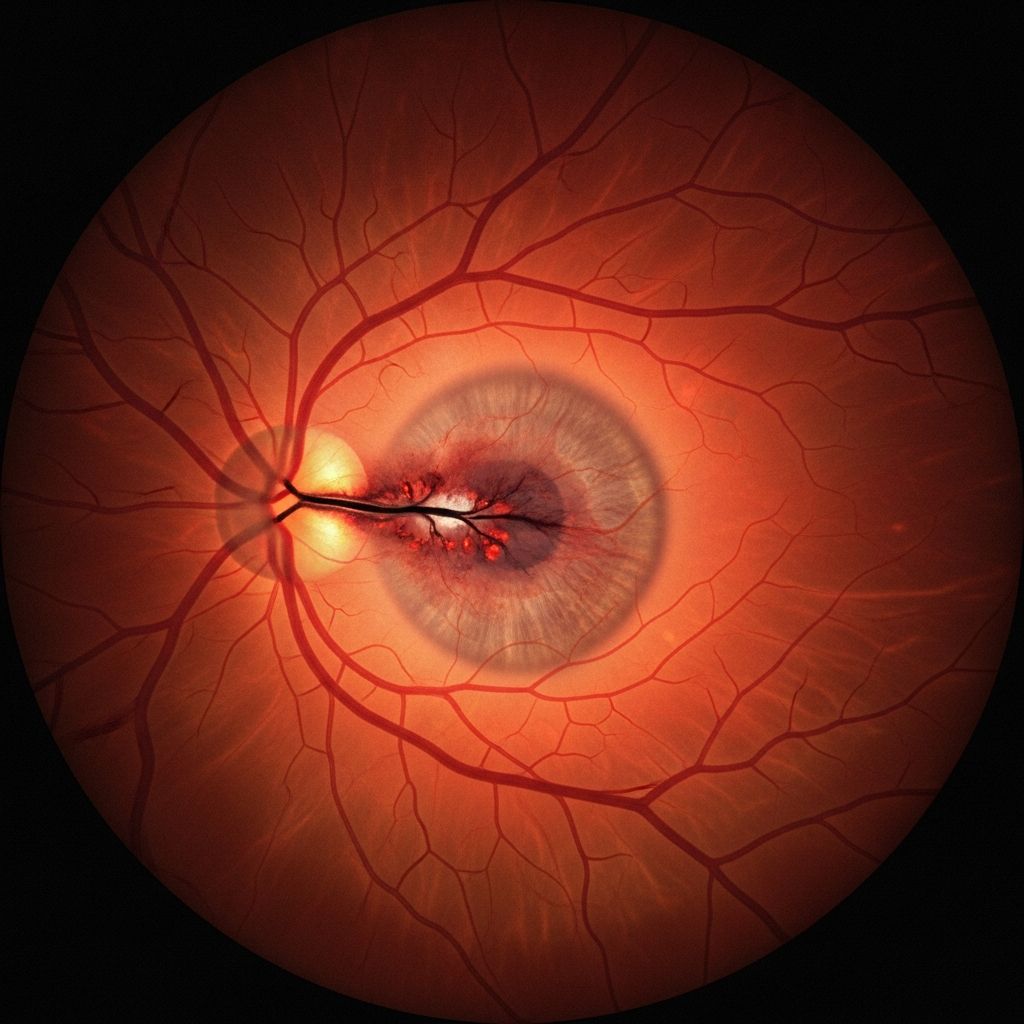
Branch retinal vein occlusion (BRVO) represents one of the leading causes of retinal vascular issues among older adults, disrupting blood flow in the eye’s delicate vascular network. This condition arises when a smaller vein branching from the central retinal vein becomes obstructed, leading to fluid buildup, hemorrhages, and potential vision impairment. Unlike more widespread blockages, BRVO typically affects a specific sector of the retina, which can make it insidious if not detected early.
The Fundamentals of Retinal Blood Flow and BRVO
The retina, a thin layer of nerve tissue lining the back of the eye, relies on a precise balance of arterial inflow and venous outflow to function optimally. Arteries deliver oxygen-rich blood, while veins drain deoxygenated blood and waste. In BRVO, compression at arteriovenous crossings—points where arteries and veins share a connective sheath—triggers turbulence and clot formation. Atherosclerosis, characterized by arterial hardening, exacerbates this by stiffening vessels, squeezing adjacent veins.
Commonly, the superotemporal quadrant of the retina is involved in 63-66% of cases, followed by inferotemporal areas at 22-43%, with nasal involvement being rarer and often silent until complications emerge. This localized blockage impedes drainage, causing blood to back up, leak into retinal tissues, and foster ischemia—reduced blood supply to critical areas like the macula, the central vision hub.
Recognizing the Signs: Symptoms of BRVO
Many individuals experience a abrupt, painless decline in vision in the affected eye, often described as blurred or shadowy patches corresponding to the blocked sector. If the occlusion spares the macula, symptoms might be absent, allowing the condition to progress unnoticed.
- Sudden blurring or distortion in part of the visual field
- Floaters from vitreous hemorrhage, especially if neovascularization develops
- Central vision loss due to macular edema
- Dark spots or scotomas in peripheral vision
- In advanced cases, tractional retinal detachment or glaucoma symptoms
These manifestations stem from retinal hemorrhages, cotton-wool spots (indicating ischemia), and cystoid macular edema visible on exams. Early awareness is crucial, as untreated BRVO can lead to permanent nerve cell death.
Risk Factors and Underlying Contributors
BRVO predominantly strikes those over 50, with systemic conditions amplifying susceptibility. Hypertension tops the list, promoting arterial sclerosis that compresses veins. Diabetes, glaucoma, hyperlipidemia, and smoking further damage vessels, while inflammatory markers like C-reactive protein may incite clotting.
| Risk Factor | Impact on BRVO | Prevalence Note |
|---|---|---|
| Hypertension | Arterial thickening compresses veins | Most common |
| Diabetes | Vascular fragility and retinopathy | Significant contributor |
| Age >50 | Natural vessel stiffening | Primary demographic |
| Smoking | Endothelial damage | Modifiable risk |
| Glaucoma | Increased intraocular pressure | Associated condition |
Genetic predispositions and hypercoagulable states also play roles, underscoring the multifactorial nature of BRVO.
How BRVO Develops: Pathophysiological Insights
At arteriovenous junctions, thickened arterial walls due to chronic hypertension impinge on veins, inducing turbulent flow and thrombus buildup. This halts perfusion, prompting fluid extravasation into the retina and macula. Prolonged ischemia elevates vascular endothelial growth factor (VEGF), heightening permeability and spurring neovascularization—abnormal vessel growth that risks hemorrhage or traction.
Related Stories



Ischemic BRVO, marked by extensive capillary non-perfusion, poses greater threats than non-ischemic forms, with macular edema as the primary vision thief via cystoid spaces in the macula. Late sequelae include sclerosed veins, microaneurysms, and optic disc shunts.
Diagnostic Approaches for Accurate Detection
Diagnosis hinges on comprehensive dilated fundus exams revealing sectorial hemorrhages, venous dilation, and edema. Optical coherence tomography (OCT) quantifies macular thickening, while fluorescein angiography maps ischemia and leakage. Wide-field imaging aids in assessing peripheral involvement.
- Fundus Photography: Documents hemorrhages and cotton-wool spots
- OCT: Detects cystoid edema precisely
- Angiography: Identifies non-perfusion areas
- Visual Field Testing: Quantifies defects
Systemic workups screen for hypertension, diabetes, and coagulopathies to guide holistic care.
Treatment Strategies: Halting Progression and Restoring Vision
Management targets macular edema, neovascularization, and risk factors. Anti-VEGF agents like ranibizumab or aflibercept, injected intravitreally, curb leakage and promote resorption, yielding significant visual gains in trials.
Laser photocoagulation seals leaks in ischemic cases, while steroids offer adjunctive edema control. Emerging gene therapies and sustained-release implants aim to reduce injection frequency. Vitrectomy addresses vitreous hemorrhage or traction.
| Treatment Type | Indication | Outcomes |
|---|---|---|
| Anti-VEGF Injections | Macular edema, neovascularization | Improved acuity in 50-70% |
| Focal Laser | Peripheral ischemia | Reduces complications |
| Steroids | Refractory edema | Temporary relief |
| Surgery | Hemorrhage, detachment | Restores anatomy |
Blood pressure and glycemic control are pivotal, often preventing recurrences.
Potential Complications and Long-Term Monitoring
Untreated BRVO invites neovascularization, vitreous bleeds, retinal detachment, and neovascular glaucoma. Regular OCT and angiography monitoring detects these early. About 10-20% develop iris neovascularization, necessitating panretinal photocoagulation.
Prognosis varies: non-ischemic cases often resolve spontaneously, while ischemic ones demand vigilant intervention. Lifelong follow-up ensures stability.
Preventive Measures and Lifestyle Adjustments
Mitigate risks through hypertension management, smoking cessation, diabetes control, and regular eye screenings. Aspirin may benefit select patients, though evidence is mixed. Antioxidant-rich diets support vascular health.
- Maintain BP below 130/80 mmHg
- Exercise 150 minutes weekly
- Annual retinal exams post-50
- Quit tobacco; limit alcohol
Frequently Asked Questions (FAQs)
Is BRVO curable?
BRVO isn’t always fully curable, but treatments like anti-VEGF can restore much vision and prevent worsening.
How quickly does BRVO progress?
Symptoms onset suddenly, but complications like neovascularization may take months; prompt care is key.
Can BRVO affect both eyes?
Yes, up to 10-15% experience bilateral involvement, often sequentially.
Does diet influence BRVO risk?
Anti-inflammatory diets low in saturated fats may help by supporting vessel integrity.
When should I see a retina specialist?
Immediately upon vision changes, especially if painless blurring occurs.
Advances in BRVO Care: Looking Ahead
Ongoing research explores longer-acting anti-VEGFs, neuroprotective agents, and AI-driven diagnostics. Gene editing targets VEGF pathways, promising fewer interventions. Clinical trials emphasize personalized medicine based on genetic profiles.
Patient education empowers adherence, with teleophthalmology expanding access. Collaborative care between primary physicians and retina experts optimizes outcomes.
References
- Branch Retinal Vein Occlusion – Patients — American Society of Retina Specialists. 2023. https://www.asrs.org/patients/retinal-diseases/24/branch-retinal-vein-occlusion
- Branch Retinal Vein Occlusion – StatPearls — NCBI Bookshelf, NIH. 2023-10-27. https://www.ncbi.nlm.nih.gov/books/NBK535370/
- Branch retinal vein occlusion: Symptoms and treatment — Medical News Today. 2023. https://www.medicalnewstoday.com/articles/branch-retinal-vein-occlusion
- Branch Retinal Vein Occlusion in St. Louis, MO — Retina Associates. 2024. https://www.retinastl.com/services/retinal-conditions/branch-retinal-vein-occlusion-st-louis-mo/
- Branch Retinal Vein Occlusion Fact Sheet — VitreoRetinal Surgery Foundation. 2023. https://www.vrsfoundation.us/community-outreach/fact-sheets/branch-retinal-vein-occlusion
- Retinal Vein Occlusion: Causes, Types & Treatment — Cleveland Clinic. 2024-02-01. https://my.clevelandclinic.org/health/diseases/14206-retinal-vein-occlusion-rvo
Similar Articles








Read full bio of Sneha Tete