BRAT Diet: Foods To Include And Avoid For Quick Recovery
Discover the BRAT diet's role in managing diarrhea, nausea, and vomiting, including recommended foods, those to avoid, and modern expert guidance.
The
BRAT diet
—standing forbananas
,rice
,applesauce
, andtoast
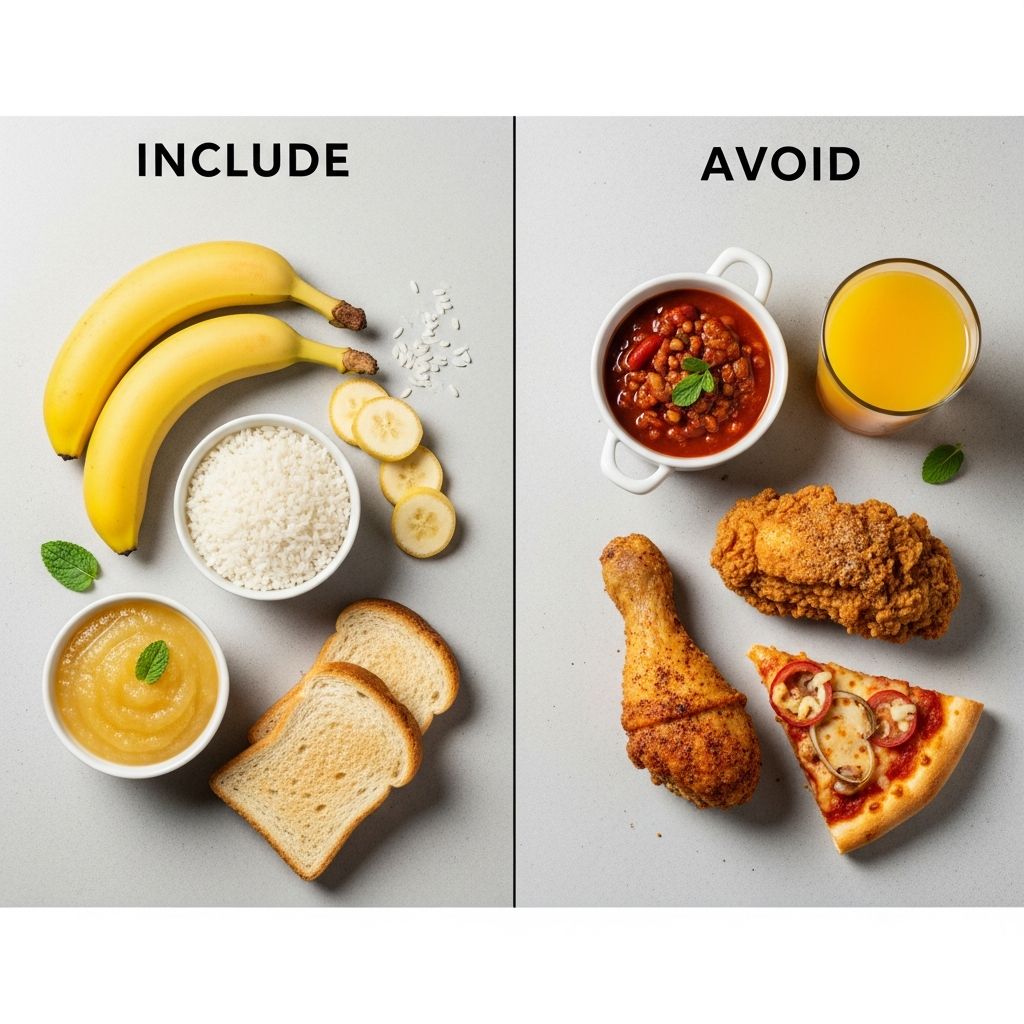
—has long been a go-to recommendation for easing symptoms of diarrhea, nausea, and vomiting. This bland, low-fiber approach aims to firm up stools and soothe the stomach by providing easily digestible carbohydrates and potassium. However, recent guidelines from organizations like the American Academy of Pediatrics, CDC, and WHO caution against its strict use, especially in children, due to risks of nutrient deficiencies. This article covers what to eat and avoid on a modified BRAT-style diet, its pros and cons, sample plans, and better alternatives for recovery.What Is the BRAT Diet?
The BRAT diet originated as a simple remedy for gastrointestinal upset, popularized for its binding properties. Bananas supply potassium to replace electrolytes lost in diarrhea; rice and toast offer low-fiber starches that reduce bowel movements; applesauce provides pectin, a soluble fiber that absorbs excess water in the intestines. It’s typically followed for 24-48 hours during acute symptoms like those from stomach flu (gastroenteritis), food poisoning, or chemotherapy side effects.
While binding stools, the diet is highly restrictive, lacking protein, healthy fats, and key vitamins, which can prolong recovery if extended beyond a day or two. Experts now advocate expanding it into a broader ‘bland diet’ with added nutrients.
Benefits of the BRAT Diet
The BRAT diet’s main strengths lie in its simplicity and tolerability:
- Symptom Relief: Low-fiber foods slow digestion, reducing diarrhea frequency and urgency.
- Electrolyte Replenishment: Bananas restore potassium; clear fluids prevent dehydration.
- Ease of Digestion: Bland flavors minimize nausea; soft textures are gentle on irritated guts.
- Accessibility: Ingredients are inexpensive, shelf-stable, and widely available.
Studies and clinical observations support short-term use for adults and older children, but not as a standalone long-term plan.
Drawbacks of the BRAT Diet
Despite its popularity, the BRAT diet has significant limitations:
- Nutrient Gaps: Lacks sufficient protein, fats, vitamins A/C, calcium, and fiber for healing gut mucosa. Prolonged use (over 48 hours) risks malnutrition, especially in children.
- Not Recommended for Kids: The AAP and WHO advise against it for infants/toddlers, favoring oral rehydration solutions (ORS) and diverse foods.
- Slow Recovery: Low calories and energy density can weaken the body during illness.
- Individual Variability: May worsen symptoms in lactose-intolerant or those needing more hydration.
Health authorities like the CDC emphasize balanced nutrition over restriction.
Foods to Eat on the BRAT Diet
Stick to bland, low-residue foods. Start with clear liquids, progressing to solids as tolerated.
| Food Group | Recommended Foods |
|---|---|
| Fruits | Bananas, applesauce (unsweetened), canned fruits in water (peaches, pears), avocado, pumpkin, melons |
| Grains/Starches | White rice, plain toast, saltine crackers, cream of wheat, instant oatmeal, noodles, boiled potatoes (peeled) |
| Proteins | Unseasoned baked chicken/turkey (skinless), scrambled eggs, low-fat yogurt, kefir, smooth peanut butter (small amounts) |
| Vegetables | Steamed/boiled carrots, green beans, squash, potatoes |
| Beverages | Bone broth, diluted apple juice, coconut water, Pedialyte/ORS, weak herbal tea, clear broths |
Related Stories



Homemade ORS Recipe: Mix 1 liter boiled/cooled water, 1/2 tsp salt, 6 tsp sugar. Stir until dissolved.
Foods to Avoid on the BRAT Diet
Steer clear of irritants that exacerbate diarrhea or nausea.
| Food Group | Foods to Avoid |
|---|---|
| Dairy | Milk, full-fat cheese/yogurt, ice cream (yogurt/kefir okay after day 1) |
| Fats/Proteins | Fried/greasy foods, pork, veal, salmon, sardines, fatty meats, red meat |
| Vegetables | Raw veggies (broccoli, cauliflower, cabbage, onions, corn, beets), gas-producers (beans, peppers) |
| Fruits | Citrus (oranges, lemons, grapefruit), pineapple, tomatoes, cherries, grapes, berries (seeded), prunes |
| Beverages/Other | Alcohol, caffeine (coffee, soda), carbonated drinks, hot/cold extremes, sugary sweets, spicy foods |
How Long Should You Follow the BRAT Diet?
Limit to 24-48 hours max. Progress gradually:
- Day 1: Clear liquids (broth, ORS, Jell-O). Small sips every 15-20 min.
- Day 2: Add BRAT basics + crackers, boiled potatoes, plain chicken.
- Day 3: Introduce soft eggs, cooked veggies, lean proteins if improving. Resume normal diet.
Consult a doctor if symptoms persist >48 hours, dehydration signs appear (dry mouth, dizziness), or for vulnerable groups (infants, elderly).
Sample 1-Day BRAT Diet Meal Plan
For an adult (~1200-1500 calories):
- Breakfast: Banana + cream of wheat + weak tea.
- Mid-morning: Applesauce + saltines.
- Lunch: White rice + boiled carrots + broth.
- Afternoon: Plain toast + small yogurt.
- Dinner: Baked chicken + mashed potato + applesauce.
- Evening: Banana + ORS.
Eat 5-6 small meals. Chew slowly; stay hydrated (8-10 cups fluids).
BRAT Diet for Children vs. Adults
Children: Avoid strict BRAT; prioritize ORS over solids. Add probiotics (yogurt) once tolerated. No plain water/sugary juices.
Adults: Can use short-term but incorporate proteins/veggies sooner.
| Aspect | Children | Adults |
|---|---|---|
| Duration | <24 hrs | 24-48 hrs |
| Focus | ORS + probiotics | Bland solids + hydration |
| Risks | Dehydration, malnutrition | Prolonged restriction |
Alternatives to the BRAT Diet
Opt for nutrient-dense bland diets:
- Clear liquids → full liquids (broths, yogurt) → soft solids (eggs, potatoes, lean meats).
- Probiotic-rich foods: Kefir, yogurt for gut flora restoration.
- Electrolyte drinks: Pedialyte over sports drinks.
- International Foundation guidelines: Add peanut butter, cooked veggies for calories.
The Cleveland Clinic recommends avoiding strict BRAT, favoring varied carbs/proteins.
Frequently Asked Questions (FAQs)
What does BRAT stand for?
Bananas, Rice, Applesauce, Toast—a low-fiber diet for GI relief.
Is the BRAT diet safe for babies?
No; use breastmilk/formula + ORS. Consult pediatrician.
Can I drink coffee on BRAT?
Avoid caffeine—it irritates the gut.
How much water for dehydration prevention?
Adults: 8-12 cups/day; replace losses.
When to see a doctor?
Bloody stools, fever >101°F, symptoms >2 days, severe dehydration.
This guide synthesizes expert advice for safe symptom management. Always personalize with healthcare input.
References
- BRAT Diet | The Oregon Clinic — The Oregon Clinic. 2023. https://www.oregonclinic.com/resource/diets-brat/
- Bland or BRAT Diet – What It Is | Memorial Sloan Kettering Cancer Center — MSKCC. 2024-01-15. https://www.mskcc.org/experience/patient-support/nutrition-cancer/diet-plans-cancer/bland-diet
- The BRAT Diet – Central Connecticut State University — CCSU Health Services. 2023. https://www.ccsu.edu/health-services/brat-diet
- BRAT Diet for Diarrhea, Nausea and Vomiting — Healthgrades. 2024-05-20. https://resources.healthgrades.com/right-care/digestive-health/brat-diet-for-diarrhea-nausea-and-vomiting
- The BRAT diet: What to eat after a stomach virus — Piedmont Healthcare. 2023-08-10. https://www.piedmont.org/blog/the-brat-diet
- Why You Shouldn’t Follow a Strict BRAT Diet When You’re Sick — Cleveland Clinic. 2024-02-12. https://health.clevelandclinic.org/brat-diet
Similar Articles








Read full bio of Sneha Tete